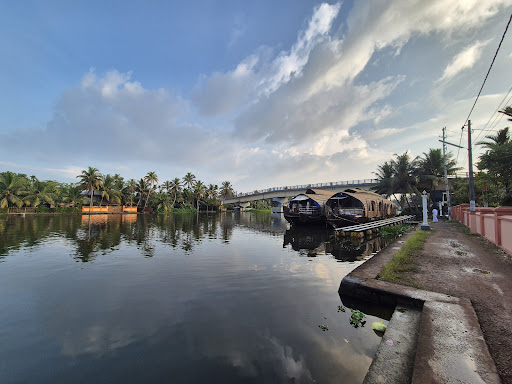
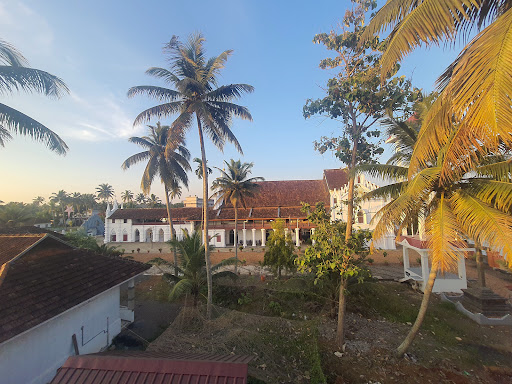
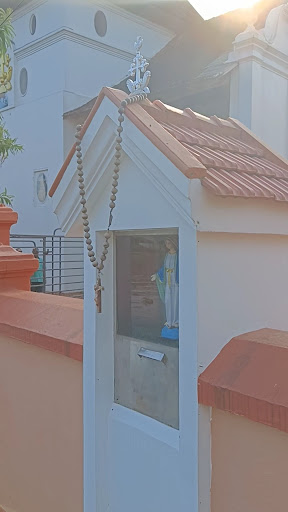
Champakulam Kalloorkkadu church is one of the most ancient churches in India. It belongs to the Archeparchy of Changanacherry, of the Syro Malabar Church. Champakulam church is the mother church of almost all Catholic Syrian churches in Alleppey district in Kerala State. It was founded in AD 427. The Christian community of Kalloorkkadu originated from the Niranam Church which was founded by St Thomas the Apostle himself. Champakulam comes among the second generation of ancient St Thomas Christian churches in Malabar which were formed from the so called seven first generation churches founded by St Thomas the Apostle himself.
It had a pivotal place in the efforts of reunion of Catholic Syrians and the Jacobite Syrians in the 18th century. Originating from Niranom church, Champakulam had very close relations with the Jacobite Syrian group and many Jacobite Syrian priests and their prelates even the Mar Thoma VI celebrated Holy Offices here.
The church was bolstered by the Devanarayanans of the Chempakassery kingdom and had very close relations with the Ambalapuzha Sree Krishna Swamy Temple which was the head quarters of the Kings of Chembakasserry. Even today, Champakulam church participates in the famous Champakulam Moolam Boat race, which is a commemoration of the Procession of the idol of Lord Krishna to Ambalapuzha by providing rope and bamboo every year for the boat race as a ritual.
Champakulam church is called Kaloorkkadu church in the ancient records with reference to the name of the place. Kalloorkkadu angadi was very famous in the past when Purakkadu port was a prominent port between Musiris and Kollam.
Kalloorkkadu was on the commercial route from the eastern Kerala like Aarpookkara, Kudamaaloor, Kuruppampady and Kaduthuruthy and others, to the port at Purakkadu and the spice trade was through this route until Alleppey gained more prominence. The port at Purakkadu has been mentioned in many ancient books like Periplus of the Erythrean Sea and the Book of Duarte Barbosa. Periplus of the Erythrean Sea mentions about pepper trade from cottonora which has been interpreted by many as Kuttanadu.
Duarte Barbosa also mentions about Porca.
The Chembakasserry Kingdom was founded in 12th century based at Kudamaalor by a Namboothiri with the help of a group of Nair warriors expelled from the Samoothiry of Calicut. These kings were called “Devanarayanans”.
They later invaded to the west and took over the Ambalapuzha area and moved his head quarters to Amabalapuzha. The famous Ambalapuzha temple was the palace of the king. This kingdom was called as Kingdom of Porca by the western historians with reference to the port at Purakkadu.
In AD 1544, the church was renovated by the initiative of a Devanarayanan. The last king of Chembakasserry donated some property to the church for the expenses of the Moonnu noyambu of Chamapakulam Church.
History of the Church
By tradition, the original church was founded in AD 427. We have to assume that the old church might have been rebuilt and renovated many times. As with most of our ancient churches, there is not much documentation available. But, surprisingly we have a lot of information available from a few archaeological artefacts around the church.
It is believed that the first church was at the site of the present cemetery. Later, a new church was built at the land reclaimed from the river, probably in AD1151. We have clear evidence about the renovations done after AD 1151 from the inscriptions on the...
Read moreChampakulam St. Mary's Syro-Malabar Church, also known as Kalloorkkadu Valia Palli, is a place of deep spiritual significance and architectural beauty. Situated in the serene village of Champakulam, Kerala, this church holds a special place in the hearts of believers, particularly within the Syro-Malabar Catholic community.
Spiritual Significance: The church is renowned for its rich history and religious importance. It is one of the oldest churches in Kerala, with roots tracing back to the early days of Christianity in India, possibly dating to the 1st century AD, making it an essential part of the Christian heritage in the region. The church is dedicated to St. Mary, and its spiritual aura is heightened by the centuries-old traditions that are still followed in its services. The devotion and reverence shown by the local community are palpable, especially during major festivals like the Feast of St. Mary, when the church is filled with the sounds of prayer, hymns, and the fervor of the faithful.
The serene environment surrounding the church adds to the spiritual experience. The peaceful village setting, along with the church's majestic presence, creates an atmosphere conducive to reflection, prayer, and meditation. Visitors often speak of feeling spiritually uplifted during their visit, as the church provides not only a physical refuge but also a sanctuary for the soul.
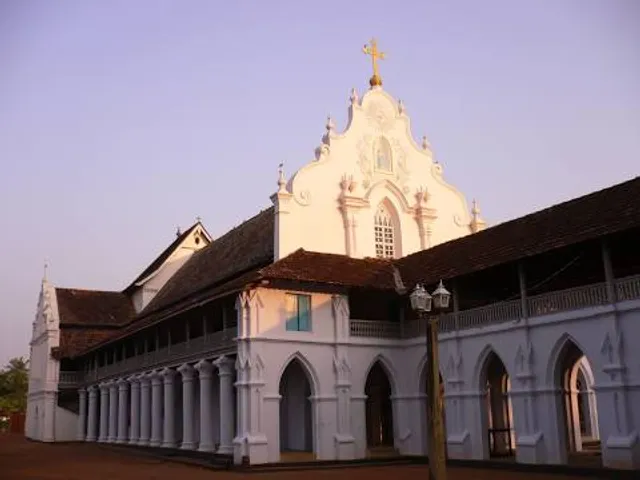
Architectural Beauty: The construction of Kalloorkkadu Valia Palli is nothing short of a marvel. The church showcases a blend of traditional and colonial-style architecture, with intricately designed wooden interiors and stunning stained glass windows that illuminate the space with beautiful hues of light. The towering spire of the church stands as a testament to the craftsmanship and dedication that went into its construction. The imposing façade of the church, with its elaborate carvings and detailed masonry, reflects the grandeur and reverence the place commands.
What stands out is the careful preservation of its historical charm. Despite renovations over the years, the church has managed to retain much of its original splendor, making it a perfect example of architectural fusion and timeless beauty. The church also houses a variety of religious artifacts, paintings, and sculptures, many of which are of historical and cultural significance, further adding to the allure of the place.
A Marvel in Construction: The construction of the church is a remarkable feat, with its large wooden beams, elegant arches, and spacious interiors, showcasing not only the architectural prowess of its time but also the devotion of the people who built it. The use of local materials in construction adds an organic, regional touch that makes the church harmonize beautifully with its surroundings. Over the years, efforts have been made to ensure that the church remains a symbol of faith while embracing modern elements to cater to the needs of contemporary worshippers.
To Conclude:
A visit to Champakulam St. Mary's Church is not just an exploration of architecture but also a profound spiritual experience. It is a place where history, culture, and faith come together to create a space that is both reverent and awe-inspiring. Whether you are visiting for spiritual enrichment or to admire its architectural beauty, this church promises to leave a lasting impression on all who come to...
Read moreChampakulam Kalloorkad Church is the first one under the church at Niranam which is believed to have been founded by St.Thomas,the Apostle himself. Other churches founded by the Apostle were at Palayoor,Kodungalloor (Cranganoor),Kottakkavu, Kokkamangalam,Kollam and Chayal(Nilackal).The churches at Mylakkombu,Kaduthuruthy,Aruvithura and Kuravilangad took their origin by end of the fourth century AD while the churches at Champakulam (Kalloorkad),Udayamperoor and Edappally were founded during the early years of the fifth century AD.Considering the time of founding ,Champakulam Kalloorkkad Church is one among the second generation of churches in kerala. It is very popularly believed that church at Kalloorkad was consecrated on 28th December on the Feast of Holy Innocents in 427 AD. Several renovation works had been carried out since the inception of the Church.The inscription on the pedestal of Granite Cross ath the south court.yard shows that there had been a renovation in 1151 AD.though it is said that in 1720 AD the Chempakassery ruler took the initiative and gave all cooperation and full encouragement for the reconstruction of the church,no concrete evidence is availables in this regard . One thing is certain that as the Christian families within the parish proliferated and faithful increased in the number ,the need for a larger church might have become a necessity .Around the year 1720 AD the general body of the members of the parish appears to have arrived at he the decision. They might have received immense help ,instructions and pieces of advice from the Chempakassery ruler.On the plot reclaimed from the land under water out of the sheer generosity of the Chempakassery King the works of the church began in 1720 and completed in 1730. In this regard it is but reasonable to accept the inscription on the grider (Sheelanti) donated by Thamalloor ittykkuruvila Kthanar...
Read more