Kottappuram Fort
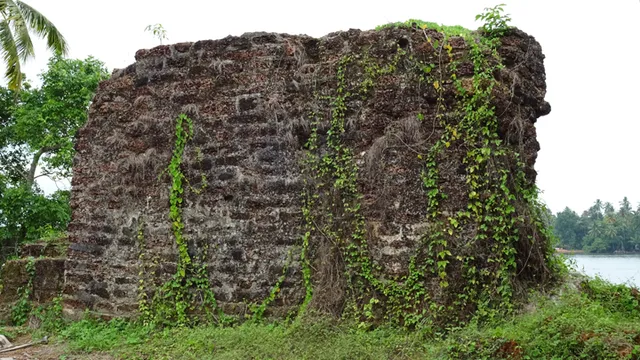
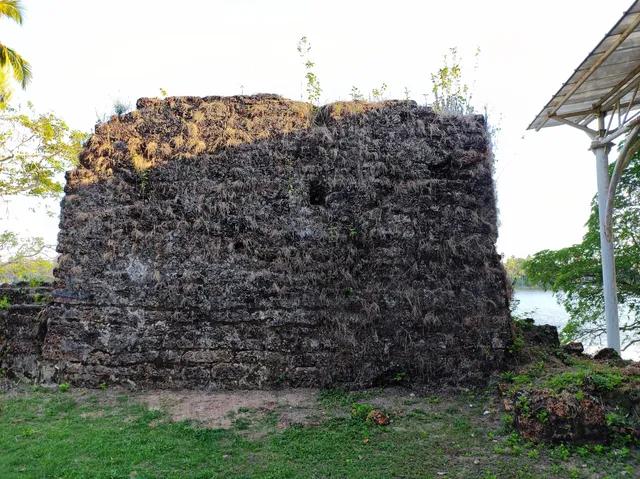
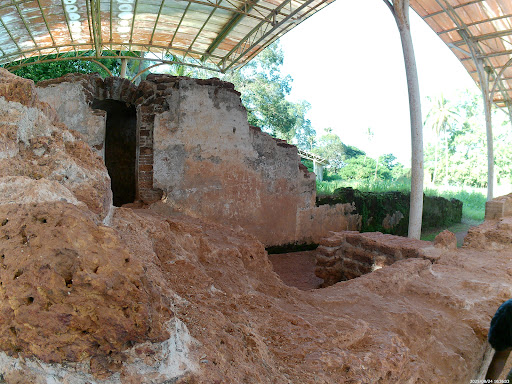
Kottappuram Fort, built by the Portuguese in 1523 was referred to popularly as Cranganore Fort and is now known as Kodungallur Fort. It was captured and destroyed by the Dutch in 1663. The Fort had a strategic position, on the mouth of the river Periyar before it joins the Arabian Sea, which gave it the advantage of controlling the ships and boats that passed to and from the interior of Malabar. A church and many traditional houses in the nearby area, built by the Europeans still remain today.
Kottappuram Fort played a significant role in many wars between the Zamorin and the rulers of Cochin (Kochi). In 1662 the Dutch fleet had made an attempt to capture it from the Portuguese, but that invasion was successful only in 1663. After taking over the Fort, the Dutch used it as an outhouse to guard their trade ships.
When the interest of the rulers of Mysore turned towards Malabar, Haider Ali negotiated with the Dutch for the purchase of the Kottappuram Fort and the one at Pallippuram. During Tipu Sultan's possession of the Malabar Coast, the Travancore rulers felt it was imperative for them to possess these forts, to safeguard their kingdom against invasion by the Mysore rulers. So, the then Travancore King, Ramavarma Dharmaraja (1758-1798), purchased these two forts on 31 July 1789. The agreement was executed in 1909, by Raja Kesava Dasa, the Dewan of Travancore and John Gerard Van Angelbeck, the Dutch Governor. Later, finding it in a ruined state, the Department of Archaeology of Travancore erected a memorial pillar inside the Fort and decided to preserve it as a public property. Kottappuram fort is located about 4 kilometers from Kottappuram Junction on the Kodungallur-Moothakunnam Road.
It is very near by Kodungallur GETTING Here: about 3 Km from Kodungallur About 20 Km from Nedumbassery Via Thuruthuppuram About 12 Km...
Read moreMuziris is one of the most peaceful and enriching destinations I have ever visited. Tucked away along the banks of the Periyar River in Kerala, it offers a calm and quiet atmosphere that makes it a perfect place to spend time, reflect, and enjoy nature. Walking through the heritage sites, one immediately feels a sense of timelessness — a rare blend of serenity and history that very few places in the world can offer.
Historically, Muziris was one of the greatest trading ports of the ancient world. Flourishing as early as 500 BCE, it connected Kerala with civilizations as far as Rome, Greece, Egypt, Arabia, and even China. It was especially famous for its black pepper, often referred to as “black gold,” along with spices, gems, silk, and ivory. Merchants and travelers from across the world sailed here, making Muziris not just a port but a vibrant cultural hub.
Tragically, in 1341 a massive flood altered the course of the Periyar River, silting the harbor and causing Muziris to vanish from maps for centuries. For a long time, it lived only in legends, until excavations in Pattanam and nearby areas revealed artifacts that confirmed its glorious past.
Today, through the Muziris Heritage Project, the region has been revived as a heritage corridor filled with museums, ancient synagogues, churches, temples, and mosques that reflect centuries of multicultural harmony. Exploring these sites while enjoying the calm backwaters is truly a unique experience.
Muziris is not just a tourist spot — it is a place where peace, culture, and history come together. For anyone seeking tranquility along with a journey into the roots of global trade and cultural exchange, Muziris is a destination...
Read moreKottappuram Fort, built by the Portuguese in 1523 was referred to popularly as Cranganore Fort and is now known as Kodungallur Fort. It was captured and destroyed by the Dutch in 1663. The Fort had a strategic position, on the mouth of the river Periyar before it joins the Arabian Sea, which gave it the advantage of controlling the ships and boats that passed to and from the interior of Malabar. A church and many traditional houses in the nearby area, built by the Europeans still remain today.
Kottappuram Fort played a significant role in many wars between the Zamorin and the rulers of Cochin (Kochi). In 1662 the Dutch fleet had made an attempt to capture it from the Portuguese, but that invasion was successful only in 1663. After taking over the Fort, the Dutch used it as an outhouse to guard their trade ships.
When the interest of the rulers of Mysore turned towards Malabar, Haider Ali negotiated with the Dutch for the purchase of the Kottappuram Fort and the one at Pallippuram. During Tipu Sultan's possession of the Malabar Coast, the Travancore rulers felt it was imperative for them to possess these forts, to safeguard their kingdom against invasion by the Mysore rulers. So, the then Travancore King, Ramavarma Dharmaraja (1758-1798), purchased these two forts on 31 July 1789. The agreement was executed in 1909, by Raja Kesava Dasa, the Dewan of Travancore and John Gerard Van Angelbeck, the Dutch Governor. Later, finding it in a ruined state, the Department of Archaeology of Travancore erected a memorial pillar inside the Fort and decided to preserve it as a public property. Kottappuram fort is located about 4 kilometers from Kottappuram Junction on the...
Read more