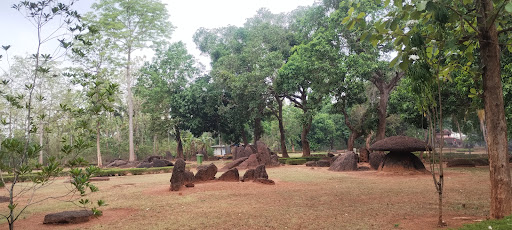
Kudakkallu Parambu, a megalithic burial site, offers a captivating glimpse into the past. Nestled amidst serene surroundings, this archaeological site is a testament to the ancient civilizations that once thrived in the region.
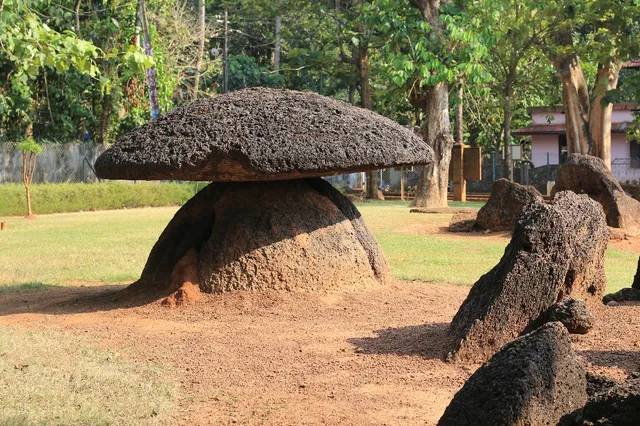
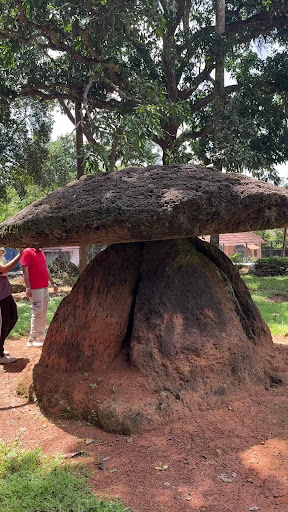
Walking through the site, one can't help but marvel at the intricate arrangement of megalithic structures. The kudakkallus, or umbrella stones, stand tall, each telling a silent story of the rituals and practices of the people who inhabited this land centuries ago. The sense of history is palpable as you explore the well-preserved remnants of a bygone era.
The site is thoughtfully curated, with informative signboards providing historical context and insight into the significance of the megalithic structures. Archaeological enthusiasts and history buffs will find themselves engrossed in the details, appreciating the efforts taken to preserve and showcase this cultural heritage.
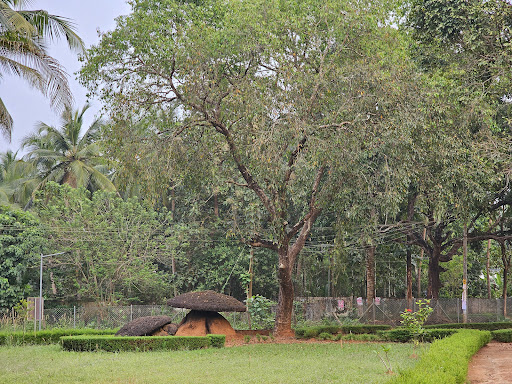
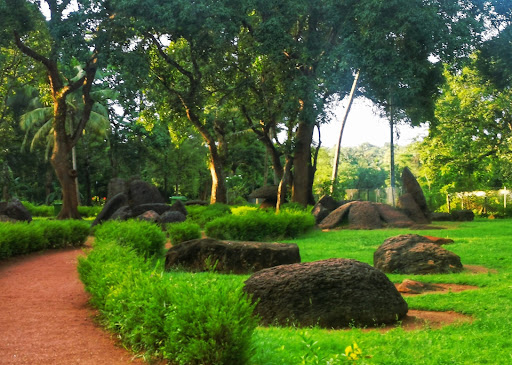
Nature plays a complementary role, adding a touch of tranquility to the experience. The lush greenery surrounding the site creates a serene atmosphere, enhancing the overall visit.
Accessibility is reasonable, though a guided tour is recommended to fully appreciate the historical nuances and gain a deeper understanding of the customs associated with megalithic burials.
Kudakkallu Parambu stands as a testament to the rich tapestry of human history. Whether you're a history enthusiast or simply seeking a peaceful stroll through time, this megalithic burial site offers a unique and...
Read more“The mushroom-shaped Kudakkal is an ancient megalithic burial monument. It has a large capstone shaped like a mushroom or umbrella, supported by upright stones. These structures were built thousands of years ago during the Iron Age in Kerala, mainly as burial sites or memorials. The shape is believed to symbolize shelter and protection for the departed soul.”
The Kudakkal (umbrella stone) is a type of megalithic burial monument found mostly in Kerala, especially in districts like Thrissur, Kannur, Wayanad, and Malappuram. • They belong to the Iron Age – around 1000 BCE to 500 CE. • These monuments were created by ancient communities to bury or commemorate the dead. • The structure usually consists of a large circular capstone (shaped like a mushroom or umbrella) supported by four vertical slabs, forming a chamber or cist beneath.
Purpose • The chamber beneath the Kudakkal often contained urns, bones, pottery, iron tools, and beads, indicating burial practices. • They were not just graves but also a symbol of social status, since building such monuments required...
Read moreI recently visited the Chiramanengad Kudakkallu Parambu, a mesmerizing megalithic burial site. As I stepped in, I was impressed by the well-maintained grounds and the aesthetic atmosphere. The lush green grass and surrounding greenery make it an ideal spot for an evening stroll or leisure time. The historical significance of this site is clearly explained on the information board at the entrance, providing valuable insights into the monuments' past. It's reassuring to know that this site is protected and preserved for future generations. The premises also feature a small shop offering snacks, drinks, and local specialties, making it a convenient spot to relax and unwind. Visitors can sit on the grass or use the available chairs to soak in the serene atmosphere. Overall, I highly recommend Chiramanengad Kudakkallu Parambu for its unique blend of history, natural beauty, and tranquility. It's an excellent spot for mind relief and a must-visit for anyone interested in exploring Kerala's rich cultural heritage. Note: The gate will close at...
Read more