HTML SitemapExplore
logo
Find Things to DoFind The Best Restaurants

Mannarasala Sree Nagaraja Temple — Attraction in Kerala

Name
Mannarasala Sree Nagaraja Temple
Description
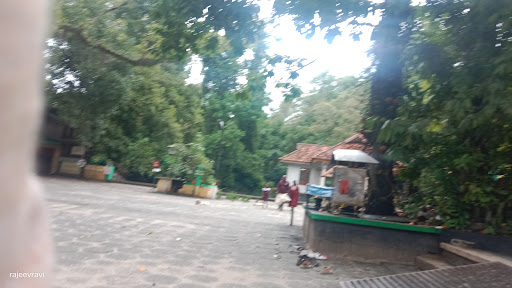
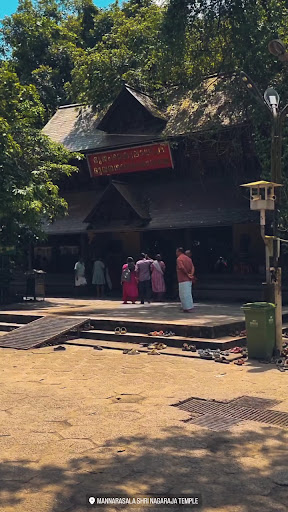
Mannarasala Sree Nagaraja Temple in Haripad is a very ancient and internationally known centre of pilgrimage for the devotees of serpent gods. The famous Nagaraja temple "Mannarasala" in Haripad is nestled in a forest glade, like most snake temples.
Nearby attractions
Nearby restaurants
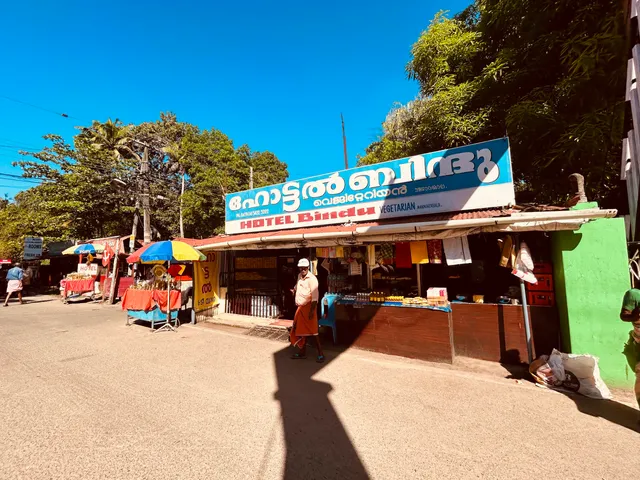
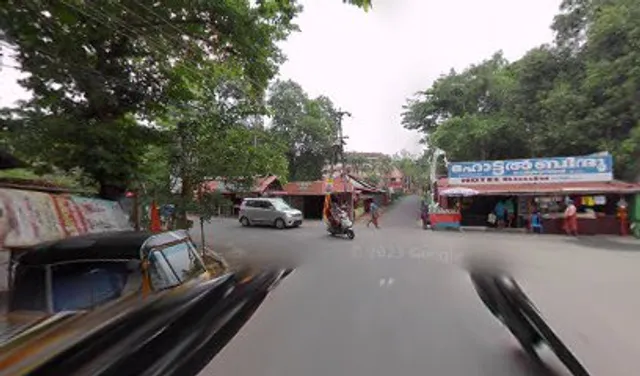
Hotel Bindu Vegetarian
7CQW+Q4R, Mannarashala Private Rd, near Mannarasala Sree Nagaraja Temple, Haripad, Kerala 690514, India
Hari tea shop
7CQW+Q3R, Mannarashala Private Rd, Haripad, Kerala 690514, India
BAKE 'N' GRILL
7CMV+83P, Danapady Rd, Haripad, Kerala 690548, India
Madeena hotel
7CMV+5MG, Danapady Rd, Danapadi, Haripad, Kerala 690548, India
Sreedevi Hotel
7CMV+6PQ, Mannarashala - Thamallackal Rd, Danappady, Haripad, Kerala 690514, India
Chayayum kadiyum
7CPQ+CPF, Nedumudy Kruvata Rd, Danapady Rd, Haripad, Kerala 690548, India
Mother's Kitchen
7CMV+84J, Danapady Rd, Haripad, Kerala 690548, India
White House AC toddy bar and Restaurant
7CRP+4P3, Kerala 690548, India
Vazhiyoram family restaurant
7CJV+WFC, Nedumudy Kruvata Rd, Danapadi, Haripad, Kerala 690514, India
Preman Chettante Chaaya Peedika
7CQP+JWF, Kumarapuram, Kerala 690548, India
Related posts
Keywords
Mannarasala Sree Nagaraja Temple tourism.Mannarasala Sree Nagaraja Temple hotels.Mannarasala Sree Nagaraja Temple bed and breakfast. flights to Mannarasala Sree Nagaraja Temple.Mannarasala Sree Nagaraja Temple attractions.Mannarasala Sree Nagaraja Temple restaurants.Mannarasala Sree Nagaraja Temple travel.Mannarasala Sree Nagaraja Temple travel guide.Mannarasala Sree Nagaraja Temple travel blog.Mannarasala Sree Nagaraja Temple pictures.Mannarasala Sree Nagaraja Temple photos.Mannarasala Sree Nagaraja Temple travel tips.Mannarasala Sree Nagaraja Temple maps.Mannarasala Sree Nagaraja Temple things to do.
Mannarasala Sree Nagaraja Temple things to do, attractions, restaurants, events info and trip planning
Mannarasala Sree Nagaraja Temple
IndiaKeralaMannarasala Sree Nagaraja Temple

Basic Info

Mannarasala Sree Nagaraja Temple

Mannarasala P.O, Haripad, Kerala 690514, India
4.8(6.9K)
Open 24 hours
Save
spot

Ratings & Description

Info

Mannarasala Sree Nagaraja Temple in Haripad is a very ancient and internationally known centre of pilgrimage for the devotees of serpent gods. The famous Nagaraja temple "Mannarasala" in Haripad is nestled in a forest glade, like most snake temples.

Cultural
Family friendly
attractions: , restaurants: Hotel Bindu Vegetarian, Hari tea shop, BAKE 'N' GRILL, Madeena hotel, Sreedevi Hotel, Chayayum kadiyum, Mother's Kitchen, White House AC toddy bar and Restaurant, Vazhiyoram family restaurant, Preman Chettante Chaaya Peedika
logoLearn more insights from Wanderboat AI.
Phone
+91 479 241 3214
Website
mannarasala.org

Plan your stay

hotel
Pet-friendly Hotels in Kerala
Find a cozy hotel nearby and make it a full experience.

hotel
Affordable Hotels in Kerala
Find a cozy hotel nearby and make it a full experience.

hotel
The Coolest Hotels You Haven't Heard Of (Yet)
Find a cozy hotel nearby and make it a full experience.

hotel
Trending Stays Worth the Hype in Kerala
Find a cozy hotel nearby and make it a full experience.

Reviews

Nearby restaurants of Mannarasala Sree Nagaraja Temple

Hotel Bindu Vegetarian

Hari tea shop

BAKE 'N' GRILL

Madeena hotel

Sreedevi Hotel

Chayayum kadiyum

Mother's Kitchen

White House AC toddy bar and Restaurant

Vazhiyoram family restaurant

Preman Chettante Chaaya Peedika

Hotel Bindu Vegetarian

Hotel Bindu Vegetarian

2.9

(15)

Click for details
Hari tea shop

Hari tea shop

3.0

(8)

Click for details
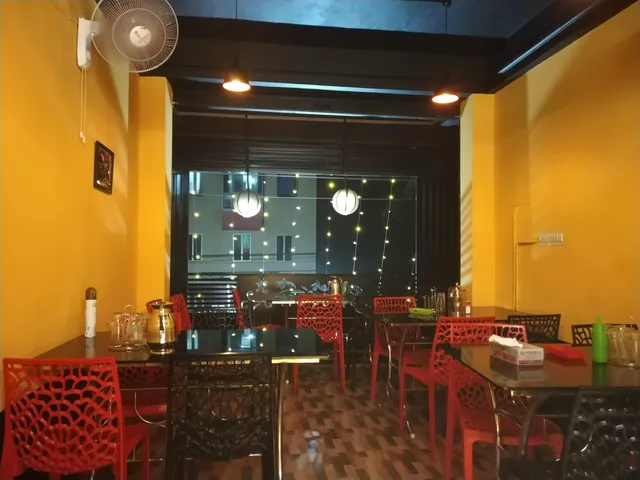
BAKE 'N' GRILL

BAKE 'N' GRILL

3.9

(67)

Click for details
Madeena hotel

Madeena hotel

3.0

(15)

Click for details
Get the Appoverlay
Get the AppOne tap to find yournext favorite spots!
Wanderboat LogoWanderboat

Your everyday Al companion for getaway ideas

CompanyAbout Us
InformationAI Trip PlannerSitemap
SocialXInstagramTiktokLinkedin
LegalTerms of ServicePrivacy Policy

Get the app

© 2025 Wanderboat. All rights reserved.
logo

Posts

Adithya Kumar S L (Adithya Kigo)Adithya Kumar S L (Adithya Kigo)
Mannarasala Sree Nagaraja Temple (Malayalam: മണ്ണാറശാല ശ്രീ നാഗരാജാക്ഷേത്രം) in Haripad is a very ancient and internationally known centre of pilgrimage for the devotees of serpent gods (Nagaraja). The famous Nagaraja temple "Mannarasala" in Haripad is nestled in a forest glade, like most snake temples. The Mannarasala Temple has over 100,000 images of snakes along the paths and among the trees, and is the largest such temple in Kerala, India. Couples seeking fertility come to worship here, and upon the birth of their child come to hold thanksgiving ceremonies here, often bringing new snake images as offerings. A special turmeric paste which is available at the temple is credited with curative powers. Though the legends related to the origin of a place cannot be deemed as its history, the story on the evolution of Mannarasala as one of the foremost places of worship of the Serpent Gods is associated with Lord Parashurama who is widely believed to be the creator of Kerala. This history of Mannarasala has been mentioned in the 'Mandara Salodyam', a Sanskrit poem written by Mannarasala M.G. Narayanan Namboothiri of the sacred family based on the accounts and legends handed down and old scriptures and books available with the temple. The Reclamation of Kerala Lord Parashurama in order to release himself from the sin of killing Kshatriyas approached the holy Rishis. They suggested that he should make a gift of a land of his own to the Brahmins. Parashurama, the son of jamadagni, propitiated Varuna to get some land for himself. He threw into sea the axe which Lord Shiva had given him with his blessings. Thus he reclaimed the land from the sea and gave it as a gift to the Brahmins according to the rites. This land came to be known as Kerala. This piece of land, however was not habitable because of the salinity of the soil and as a result people began to leave the place. Another reason for the Brahmins leaving the land was because Kerala, full of forests, was heavily infested with extremely poisonous snakes. To get protection from the snakes Snake worship was initiated. Bharghavarama was pained at this. He undertook a penance to please Lord Shiva, who advised him that the objective could be realized only if the flaming poison of the serpents was spread into the soil and that the only means of doing that was the worship of Nagaraja. Parashurama set out with his disciples in search of a deserted jungle in order to please Nagaraja. He found a suitable place near the seashore in the southern part of Kerala. Happy and satisfied with having found a proper place for the realization of his cherished dream, the great Rishi constructed a Theerthasthala for the performance of the penance. Nagaraja makes his appearance A pleased Nagaraja, appeared before Parashurama, willing to grant him his desire. According to the poem by Mannarasala M.G.Narayanan Namboothiri, the Nagaraja made his appearance as if : " The unspeakable splendor of millions of moons! The bright magnificence of emeralds stuck to the hoods. Golden jewels made attractive by miraculous embroidery! Lotus feet worshiped by crowds of Gods! Brilliant beauty of form, full of youthfulness!".
Rajeev Ravi AcharyRajeev Ravi Achary
The Mannarasala Sree Nagaraja Temple is located in the village of Mannarasala in the Haripad area of Alappuzha district, Kerala, India. Significance: This ancient temple is dedicated to the serpent gods (Nagaraja and Nagayakshi) and is an important pilgrimage site for devotees who believe in the power of serpents. The temple is unique due to its matriarchal setup, with the chief priestess being a woman, known as the "Mannarasala Amma." Best Time to Visit The temple can be visited throughout the year, but the most auspicious time is during the annual festival of Ayilyam (October-November), which draws large crowds of devotees. Other favorable times include Sivarathri (February-March) and Ashtami Rohini (August-September). Rituals and Offerings Daily Rituals: Morning Pooja: The temple opens early in the morning with various poojas and offerings. Noon Pooja: A detailed pooja is conducted in the afternoon. Evening Pooja: The day concludes with evening rituals and the temple is closed after night pooja. Special Rituals: Ayilyam Festival: Celebrated in the month of Thulam (October-November) on the Ayilyam star day, this is the most significant event, involving special poojas, processions, and cultural programs. Uruli Kamazhthal: A popular ritual where childless couples offer bronze vessels (Uruli) in the temple, praying for children. Noorum Paalum: Devotees offer a mixture of rice powder, turmeric, and milk to the serpent idols, seeking blessings for prosperity and protection from serpent-related doshas. Other Offerings: Nurum Palum: Traditional offering for appeasing snake gods. Kuruthi: A ritual involving a blood offering, which is typically done using turmeric water as a substitute. Archana: Devotees can offer different types of Archana for specific needs and blessings. Annadanam: Offering food to the devotees and the poor, a significant and pious act. Nearest Railway Station and Airport Railway Station: Haripad Railway Station: The nearest railway station, approximately 10 kilometers from the temple, well-connected by local and express trains. Airport: Cochin International Airport (COK): The nearest major airport, located about 120 kilometers away. From there, one can hire a taxi or use public transport to reach the temple. Trivandrum International Airport (TRV): Another option, roughly 125 kilometers from the temple. Accessibility and Accommodation The temple is accessible via road, with regular bus services from major cities like Kochi and Thiruvananthapuram. There are various accommodation options available ranging from budget lodges to more comfortable hotels in and around Haripad and Alappuzha. Additional Information The temple complex is situated in a lush forested area, creating a serene and spiritual ambiance. The temple grounds house numerous serpent idols and intricate stone carvings, adding to the mystical atmosphere. When visiting, it's recommended to dress modestly and follow the temple's customs and guidelines to show respect for the sacred space. Additionally, visitors are advised to check the temple’s schedule and any special events in advance to plan their visit accordingly.
sasikumar TNsasikumar TN
Mannarasala Nagaraja Temple is the most famous temple in Kerala for worshipping Nagaraja. Other famous temples of worshipping Nagaraja in Kerala are Vettikkottu Nagaraja temple and Pambummekkattu Nagaraja temple. In Mannarasala temple the Serpent God Vasuki is worshipped as Nagaraja. Main Deities: Serpent God Vasuki, Naga Yakshi. Subdeities: Sasthavu, Bhadrakali, Sivan, Ganapathi, Durga. Also there are thousands of Naga sculptures and idols in the temple compound. Vazhipadu/Offerings: Main Vazhipadu Noorum paalum, Sarpa bali, Sarpa pattu etc. Offerings are done mainly for recovering from diseases related to Skin, Eyes, Snake poison etc. and also to smoothen marriage and child birth related problems. Continuous silent bhajan in the temple for some specified period to fulfill the needs of devotees is also an important offering in this temple. Festival: Aayillyam day of Month Kanni and Thulam. Myth/History: The mythology of this temple links with mythical history of Keralam itself. As per mythical history of Keralam, long back west side of the Western ghat the life of human race was terribly miserable due to wide spread forests and presence of wild animals, snakes etc. Lord Parasuraman made the place suitable for liveable with the help of Serpent God Vasuki by isolating and inhabited all the serpents to several locations within the human settlement itself. Also he insisted all the nearby families to protect these areas as shelters to the serpents. These shelters of serpents were later known as serpent temples (Sarpakavu). Aslo he placed the idol of God Vasuki and Naga Yakshi at the place where it is called now Mannarasala and made the surrounding area suitable for serpents inhabitation and identified the local family for it's protection. Once in modern kerala history also, it is mentioned that around 15000 Sarpa kavu are available in Kerala. The mythology continues through the epic period of Mahabharat. During Mahabharat time, this area was a forest known as Khandavavanam and Arjunan the Pandava prince selected this area to put fire (details in Mahabharat). But this surpa kavu was saved from the spreading fire by the women of the nearby family. So the serpents of this Kavu were rescued by watering and cooling the area and the place name became Mannariya sala or Mannarasala. Later the Serpent God Ananthan itself was born as the child in this Mannarasala family and he himself moved to the underground room to safeguard the family permanently. Later a temple was built in the place for Serpent Vasuki and Naga Yakshi. So as per belief Nagaraja Vasuki is in the temple and Nagaraja Ananthan in the Underground room of Mannarasala family. Location/Travel: The temple is at Mannarasala near to Haripadu and Kayamkulam towns of Alappuzha district in Kerala. The temple is nearby to the National highway NH66, near Haripad. Public bus services are available towards temple or an Autorikshaw ride is comfortable from Haripadu. Also well connected to Railway with main station at Kayamkulam. Vehicle parking facility is available near the temple.
See more posts
See more posts
hotel
Find your stay

Pet-friendly Hotels in Kerala

Find a cozy hotel nearby and make it a full experience.

Mannarasala Sree Nagaraja Temple (Malayalam: മണ്ണാറശാല ശ്രീ നാഗരാജാക്ഷേത്രം) in Haripad is a very ancient and internationally known centre of pilgrimage for the devotees of serpent gods (Nagaraja). The famous Nagaraja temple "Mannarasala" in Haripad is nestled in a forest glade, like most snake temples. The Mannarasala Temple has over 100,000 images of snakes along the paths and among the trees, and is the largest such temple in Kerala, India. Couples seeking fertility come to worship here, and upon the birth of their child come to hold thanksgiving ceremonies here, often bringing new snake images as offerings. A special turmeric paste which is available at the temple is credited with curative powers. Though the legends related to the origin of a place cannot be deemed as its history, the story on the evolution of Mannarasala as one of the foremost places of worship of the Serpent Gods is associated with Lord Parashurama who is widely believed to be the creator of Kerala. This history of Mannarasala has been mentioned in the 'Mandara Salodyam', a Sanskrit poem written by Mannarasala M.G. Narayanan Namboothiri of the sacred family based on the accounts and legends handed down and old scriptures and books available with the temple. The Reclamation of Kerala Lord Parashurama in order to release himself from the sin of killing Kshatriyas approached the holy Rishis. They suggested that he should make a gift of a land of his own to the Brahmins. Parashurama, the son of jamadagni, propitiated Varuna to get some land for himself. He threw into sea the axe which Lord Shiva had given him with his blessings. Thus he reclaimed the land from the sea and gave it as a gift to the Brahmins according to the rites. This land came to be known as Kerala. This piece of land, however was not habitable because of the salinity of the soil and as a result people began to leave the place. Another reason for the Brahmins leaving the land was because Kerala, full of forests, was heavily infested with extremely poisonous snakes. To get protection from the snakes Snake worship was initiated. Bharghavarama was pained at this. He undertook a penance to please Lord Shiva, who advised him that the objective could be realized only if the flaming poison of the serpents was spread into the soil and that the only means of doing that was the worship of Nagaraja. Parashurama set out with his disciples in search of a deserted jungle in order to please Nagaraja. He found a suitable place near the seashore in the southern part of Kerala. Happy and satisfied with having found a proper place for the realization of his cherished dream, the great Rishi constructed a Theerthasthala for the performance of the penance. Nagaraja makes his appearance A pleased Nagaraja, appeared before Parashurama, willing to grant him his desire. According to the poem by Mannarasala M.G.Narayanan Namboothiri, the Nagaraja made his appearance as if : " The unspeakable splendor of millions of moons! The bright magnificence of emeralds stuck to the hoods. Golden jewels made attractive by miraculous embroidery! Lotus feet worshiped by crowds of Gods! Brilliant beauty of form, full of youthfulness!".
Adithya Kumar S L (Adithya Kigo)

Adithya Kumar S L (Adithya Kigo)

hotel
Find your stay

Affordable Hotels in Kerala

Find a cozy hotel nearby and make it a full experience.

Get the Appoverlay
Get the AppOne tap to find yournext favorite spots!
The Mannarasala Sree Nagaraja Temple is located in the village of Mannarasala in the Haripad area of Alappuzha district, Kerala, India. Significance: This ancient temple is dedicated to the serpent gods (Nagaraja and Nagayakshi) and is an important pilgrimage site for devotees who believe in the power of serpents. The temple is unique due to its matriarchal setup, with the chief priestess being a woman, known as the "Mannarasala Amma." Best Time to Visit The temple can be visited throughout the year, but the most auspicious time is during the annual festival of Ayilyam (October-November), which draws large crowds of devotees. Other favorable times include Sivarathri (February-March) and Ashtami Rohini (August-September). Rituals and Offerings Daily Rituals: Morning Pooja: The temple opens early in the morning with various poojas and offerings. Noon Pooja: A detailed pooja is conducted in the afternoon. Evening Pooja: The day concludes with evening rituals and the temple is closed after night pooja. Special Rituals: Ayilyam Festival: Celebrated in the month of Thulam (October-November) on the Ayilyam star day, this is the most significant event, involving special poojas, processions, and cultural programs. Uruli Kamazhthal: A popular ritual where childless couples offer bronze vessels (Uruli) in the temple, praying for children. Noorum Paalum: Devotees offer a mixture of rice powder, turmeric, and milk to the serpent idols, seeking blessings for prosperity and protection from serpent-related doshas. Other Offerings: Nurum Palum: Traditional offering for appeasing snake gods. Kuruthi: A ritual involving a blood offering, which is typically done using turmeric water as a substitute. Archana: Devotees can offer different types of Archana for specific needs and blessings. Annadanam: Offering food to the devotees and the poor, a significant and pious act. Nearest Railway Station and Airport Railway Station: Haripad Railway Station: The nearest railway station, approximately 10 kilometers from the temple, well-connected by local and express trains. Airport: Cochin International Airport (COK): The nearest major airport, located about 120 kilometers away. From there, one can hire a taxi or use public transport to reach the temple. Trivandrum International Airport (TRV): Another option, roughly 125 kilometers from the temple. Accessibility and Accommodation The temple is accessible via road, with regular bus services from major cities like Kochi and Thiruvananthapuram. There are various accommodation options available ranging from budget lodges to more comfortable hotels in and around Haripad and Alappuzha. Additional Information The temple complex is situated in a lush forested area, creating a serene and spiritual ambiance. The temple grounds house numerous serpent idols and intricate stone carvings, adding to the mystical atmosphere. When visiting, it's recommended to dress modestly and follow the temple's customs and guidelines to show respect for the sacred space. Additionally, visitors are advised to check the temple’s schedule and any special events in advance to plan their visit accordingly.
Rajeev Ravi Achary

Rajeev Ravi Achary

hotel
Find your stay

The Coolest Hotels You Haven't Heard Of (Yet)

Find a cozy hotel nearby and make it a full experience.

hotel
Find your stay

Trending Stays Worth the Hype in Kerala

Find a cozy hotel nearby and make it a full experience.

Mannarasala Nagaraja Temple is the most famous temple in Kerala for worshipping Nagaraja. Other famous temples of worshipping Nagaraja in Kerala are Vettikkottu Nagaraja temple and Pambummekkattu Nagaraja temple. In Mannarasala temple the Serpent God Vasuki is worshipped as Nagaraja. Main Deities: Serpent God Vasuki, Naga Yakshi. Subdeities: Sasthavu, Bhadrakali, Sivan, Ganapathi, Durga. Also there are thousands of Naga sculptures and idols in the temple compound. Vazhipadu/Offerings: Main Vazhipadu Noorum paalum, Sarpa bali, Sarpa pattu etc. Offerings are done mainly for recovering from diseases related to Skin, Eyes, Snake poison etc. and also to smoothen marriage and child birth related problems. Continuous silent bhajan in the temple for some specified period to fulfill the needs of devotees is also an important offering in this temple. Festival: Aayillyam day of Month Kanni and Thulam. Myth/History: The mythology of this temple links with mythical history of Keralam itself. As per mythical history of Keralam, long back west side of the Western ghat the life of human race was terribly miserable due to wide spread forests and presence of wild animals, snakes etc. Lord Parasuraman made the place suitable for liveable with the help of Serpent God Vasuki by isolating and inhabited all the serpents to several locations within the human settlement itself. Also he insisted all the nearby families to protect these areas as shelters to the serpents. These shelters of serpents were later known as serpent temples (Sarpakavu). Aslo he placed the idol of God Vasuki and Naga Yakshi at the place where it is called now Mannarasala and made the surrounding area suitable for serpents inhabitation and identified the local family for it's protection. Once in modern kerala history also, it is mentioned that around 15000 Sarpa kavu are available in Kerala. The mythology continues through the epic period of Mahabharat. During Mahabharat time, this area was a forest known as Khandavavanam and Arjunan the Pandava prince selected this area to put fire (details in Mahabharat). But this surpa kavu was saved from the spreading fire by the women of the nearby family. So the serpents of this Kavu were rescued by watering and cooling the area and the place name became Mannariya sala or Mannarasala. Later the Serpent God Ananthan itself was born as the child in this Mannarasala family and he himself moved to the underground room to safeguard the family permanently. Later a temple was built in the place for Serpent Vasuki and Naga Yakshi. So as per belief Nagaraja Vasuki is in the temple and Nagaraja Ananthan in the Underground room of Mannarasala family. Location/Travel: The temple is at Mannarasala near to Haripadu and Kayamkulam towns of Alappuzha district in Kerala. The temple is nearby to the National highway NH66, near Haripad. Public bus services are available towards temple or an Autorikshaw ride is comfortable from Haripadu. Also well connected to Railway with main station at Kayamkulam. Vehicle parking facility is available near the temple.
sasikumar TN

sasikumar TN

See more posts
See more posts

Reviews of Mannarasala Sree Nagaraja Temple

4.8
(6,930)
avatar
5.0
14w

Situated near Haripad in Alappuzha district, Kerala, the Mannarasala Sree Nagaraja Temple is one of the world’s most revered serpent shrines, drawing pilgrims from across India and beyond. It lies in a tranquil forest glade, just ~3 km from Haripad bus stand, making it an accessible yet secluded pilgrimage site .

Spiritual Significance & Legends

Legend has it that Lord Parashurama—credited as Kerala’s creator—sought purification after slaying Kshatriyas. Guided by sages, he consecrated a site where Nagaraja, the serpent deity embodying both Lord Vishnu’s form (Anantha) and Lord Shiva’s energy (Vasuki), would reside to sanctify the land .

One touching legend recounts how a Brahmin couple, Vasudeva and Sridevi, healed wounded snakes after a forest fire. Their compassion impressed Nagaraja, who manifested as their serpent son and later took abode in the temple’s sacred cellar—known as the “Illom” .

Sacred Groves & Sanctuary

The temple is renowned for being adorned with over 30,000 to 100,000 serpent images—from idols to paintings—spread across its verdant grove and pathways, making it the largest snake temple in Kerala .

Priestess – Valiyamma

A distinct feature of this temple is its priestess-led rituals. The temple’s pujas are conducted by the eldest lady of the sacred Brahmin lineage—revered as “Valiyamma” or “Mannarasala Amma”—a rare example of matriarchal religious leadership in Kerala .

Pujas, Offerings & Beliefs

Devotees—especially women seeking fertility—visit the temple with heartfelt prayers. Once their wishes are fulfilled, many return to offer elaborately crafted serpent images in gratitude .

Unique offerings and poojas include:

Purpose Offering

Blessings of wealth, education, fame Pots of gold, silk grains, ornaments Recovery of health, protection from poisons Salt, turmeric, pepper, mustard, green peas Long life, fulfillment of wishes Ghee, milk, kadalai fruit, nilavarapayasam Fertility Uruli (brass/bronze vessel) used in 'Nurum Palum' ritual

Another revered offering is a special turmeric paste, believed to have powerful healing benefits, particularly for skin ailments .

Festivals & Rituals

The grandest festival is Mannarasala Ayilyam, observed on the Ayilyam star in the Malayalam months of Kanni (Sept–Oct) and Thulam (Oct–Nov). During this festival:

All serpent idols from the grove are carried in a ceremonial procession to the Illom.

The Valiyamma carries the central idol of Nagaraja.

Offerings like Nurum Palum (rice flour & milk), Kuruthi (turmeric-lime mixture), and rice are made amid joyous celebration .

Other celebrated festivals include Maha Shivaratri along with Ayilyam in Kumbham, Kanni, and Thulam .

Ambience & Architecture

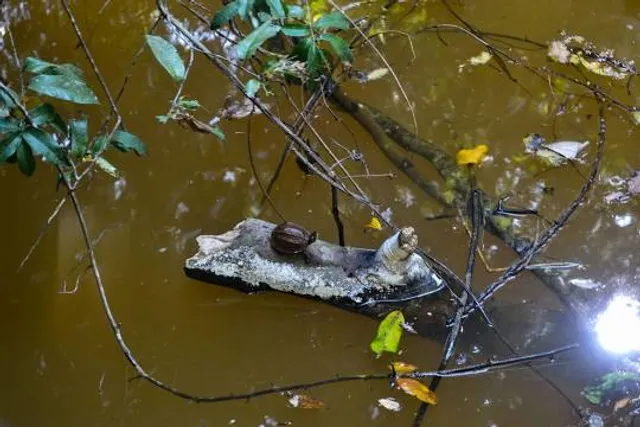
The temple embodies classic Kerala architecture, with a serene forested ambiance, an open courtyard, shaded by tall trees, and small ponds dotting the premises .

Visitor Information

Darshan timings: Typically 5:00 AM–12:00 PM and 5:30 PM–7:30 PM, with slight variations on Sundays or festival days .

Dress code: Traditional attire is expected—men in mundu (without shirt) and women in saree or settu mundu. For tourists, modest clothing like ankle-length skirts or pants is acceptable. Photography inside the inner sanctum is restricted; mobile photography is allowed in...

   Read more
avatar
5.0
1y

Mannarasala Sree Nagaraja Temple (Malayalam: മണ്ണാറശാല ശ്രീ നാഗരാജാക്ഷേത്രം) in Haripad is a very ancient and internationally known centre of pilgrimage for the devotees of serpent gods (Nagaraja). The famous Nagaraja temple "Mannarasala" in Haripad is nestled in a forest glade, like most snake temples. The Mannarasala Temple has over 100,000 images of snakes along the paths and among the trees, and is the largest such temple in Kerala, India. Couples seeking fertility come to worship here, and upon the birth of their child come to hold thanksgiving ceremonies here, often bringing new snake images as offerings. A special turmeric paste which is available at the temple is credited with curative powers.

Though the legends related to the origin of a place cannot be deemed as its history, the story on the evolution of Mannarasala as one of the foremost places of worship of the Serpent Gods is associated with Lord Parashurama who is widely believed to be the creator of Kerala. This history of Mannarasala has been mentioned in the 'Mandara Salodyam', a Sanskrit poem written by Mannarasala M.G. Narayanan Namboothiri of the sacred family based on the accounts and legends handed down and old scriptures and books available with the temple.

The Reclamation of Kerala Lord Parashurama in order to release himself from the sin of killing Kshatriyas approached the holy Rishis. They suggested that he should make a gift of a land of his own to the Brahmins. Parashurama, the son of jamadagni, propitiated Varuna to get some land for himself. He threw into sea the axe which Lord Shiva had given him with his blessings. Thus he reclaimed the land from the sea and gave it as a gift to the Brahmins according to the rites. This land came to be known as Kerala. This piece of land, however was not habitable because of the salinity of the soil and as a result people began to leave the place. Another reason for the Brahmins leaving the land was because Kerala, full of forests, was heavily infested with extremely poisonous snakes. To get protection from the snakes Snake worship was initiated. Bharghavarama was pained at this. He undertook a penance to please Lord Shiva, who advised him that the objective could be realized only if the flaming poison of the serpents was spread into the soil and that the only means of doing that was the worship of Nagaraja. Parashurama set out with his disciples in search of a deserted jungle in order to please Nagaraja. He found a suitable place near the seashore in the southern part of Kerala. Happy and satisfied with having found a proper place for the realization of his cherished dream, the great Rishi constructed a Theerthasthala for the performance of the penance.

Nagaraja makes his appearance A pleased Nagaraja, appeared before Parashurama, willing to grant him his desire. According to the poem by Mannarasala M.G.Narayanan Namboothiri, the Nagaraja made his appearance as if : " The unspeakable splendor of millions of moons! The bright magnificence of emeralds stuck to the hoods. Golden jewels made attractive by miraculous embroidery! Lotus feet worshiped by crowds of Gods! Brilliant beauty of form, full of...

   Read more
avatar
5.0
1y

The Mannarasala Sree Nagaraja Temple is located in the village of Mannarasala in the Haripad area of Alappuzha district, Kerala, India.

Significance: This ancient temple is dedicated to the serpent gods (Nagaraja and Nagayakshi) and is an important pilgrimage site for devotees who believe in the power of serpents. The temple is unique due to its matriarchal setup, with the chief priestess being a woman, known as the "Mannarasala Amma."

Best Time to Visit The temple can be visited throughout the year, but the most auspicious time is during the annual festival of Ayilyam (October-November), which draws large crowds of devotees. Other favorable times include Sivarathri (February-March) and Ashtami Rohini (August-September).

Rituals and Offerings Daily Rituals:

Morning Pooja: The temple opens early in the morning with various poojas and offerings. Noon Pooja: A detailed pooja is conducted in the afternoon. Evening Pooja: The day concludes with evening rituals and the temple is closed after night pooja. Special Rituals:

Ayilyam Festival: Celebrated in the month of Thulam (October-November) on the Ayilyam star day, this is the most significant event, involving special poojas, processions, and cultural programs. Uruli Kamazhthal: A popular ritual where childless couples offer bronze vessels (Uruli) in the temple, praying for children. Noorum Paalum: Devotees offer a mixture of rice powder, turmeric, and milk to the serpent idols, seeking blessings for prosperity and protection from serpent-related doshas.

Other Offerings:

Nurum Palum: Traditional offering for appeasing snake gods. Kuruthi: A ritual involving a blood offering, which is typically done using turmeric water as a substitute. Archana: Devotees can offer different types of Archana for specific needs and blessings. Annadanam: Offering food to the devotees and the poor, a significant and pious act. Nearest Railway Station and Airport Railway Station:

Haripad Railway Station: The nearest railway station, approximately 10 kilometers from the temple, well-connected by local and express trains. Airport:

Cochin International Airport (COK): The nearest major airport, located about 120 kilometers away. From there, one can hire a taxi or use public transport to reach the temple.

Trivandrum International Airport (TRV): Another option, roughly 125 kilometers from the temple. Accessibility and Accommodation The temple is accessible via road, with regular bus services from major cities like Kochi and Thiruvananthapuram. There are various accommodation options available ranging from budget lodges to more comfortable hotels in and around Haripad and Alappuzha.

Additional Information The temple complex is situated in a lush forested area, creating a serene and spiritual ambiance. The temple grounds house numerous serpent idols and intricate stone carvings, adding to the mystical atmosphere.

When visiting, it's recommended to dress modestly and follow the temple's customs and guidelines to show respect for the sacred space. Additionally, visitors are advised to check the temple’s schedule and any special events in advance to plan their visit...

   Read more
Page 1 of 7
Previous
Next