🗺History of history
🗓 A man from Tampan who lived in Vayalar village suffered from severe stomach pain for many years.
👕Many doctors go and treat many Nothing comes out of the way. One day, keep the pose in place Kattu worshiped Lord Shiva.
⌚At that time, he had a stomach ache but he returned to the temple premises and returned to himHe was staying in the temple on that night.
😴He appeared in his dream, Lord Shiva, You have no stomach pain until you are in this temple. If you leave the temple you will get back againStomach pain occurs.
😱If you go to the inclusion and throw the cage there, you have three beneath the waterGet statues.
🗿First available The statue is very powerful. ThereforeLeave it in the pond. 🗿second statue of the same Give someone a donation. 🗿The third aspect of the statue is spiritual Follow the instructions on the instructions He said that yours will last forever.
😇He is also in the dream of Lord Shiva Second statueDonated to Nambudiri statue given to the veiladu ethnicity Namboodiri put it in his home Worshiped.
⌛For some years The temple was built with the help of the mummusu people in the temple Established the Tanwantiri statue He came laterWhoever belongs to the temple belongs to the temple Break the hand of the image Carried. 🔯Near Kottiyam Install it in a light source The temple was built Family of Welludu Trust A broken hand of a statue of their own Kub instead of a hand in a hand Fit it with the idol, that The temple is said to have installed the temple in the bronze temple History says.
தல வரலாறு:- வயலார் கிராமத்தில் வசித்த தம்பான் இனத்தைச் சேர்ந்த ஒருவர் பல ஆண்டுகளாகக் கடுமையான வயிற்று வலியால் அவதிப்பட்டு வந்தார். பல மருத்துவர்களிடம் சென்று, பல சிகிச்சைகள் எடுத்தும்,எதுவும்பலனளிக்கவில்லை .
ஒருநாள், வைக்கத்தில் உள்ள வைக்கத்து அப்பன் சுவாமியை வழிபட்டார். அப்போது அவருக்கு வயிற்று வலி குறைந்தது ஆனால், அவர் கோவில் வளாகத்தை விட்டுவெளியே வந்தவுடன், அவருக்கு மீண்டும்வயிற்றுவலிவந்துவிட்டது.
எனவே அவர் அன்றிரவு கோவிலிலேயே தங்கிவிட்டார்அவரது கனவில் தோன்றிய சிவபெருமான்,இந்தக் கோவிலில் இருக்கும் வரை உனக்கு வயிற்று வலிஇருக்காது. நீ கோவில் விட்டுவெளியேச் சென்றால் மீண்டும் உனக்குவயிற்று வலி ஏற்படும். இங்கிருந்து சேர்த்தலைக்கு சென்று அங்குள்ள கேளம் குளத்தில்மூழ்கினால், உனக்கு நீருக்கு அடியில் மூன்று சிலைகள் கிடைக்கும்.
முதலில் கிடைக்கும் சிலை அதிகச் சக்தி வாய்ந்தது. எனவே அதனை குளத்திலேயே விட்டுவிடு.
இரண்டாவது கிடைக்கும் சிலையை எடுத்துச் சென்று ஒருவருக்குத் தானமாகக் கொடுத்து விடு
மூன்றாவதாக எடுக்கும் சிலையை ஆன்மிகவழி முறைகளைப் பின்பற்றிநிறுவி வழிபட்டால் உன் வயிற்றுவலி நிரந்தரமாக நீங்கும் என்றார்.
அவரும் சிவபெருமான் கனவில் சொன் படி, இரண்டாவதாகக் கிடைத்த தன்வந்திரி சிலையை வெள்ளூடு என்ற மனையைச் சேர்ந்த நம்பூதிரிக்கு தானம் செய்தார். அதைநம்பூதிரி தன்னுடைய வீட்டிலேயே வைத்துவழிபாடு செய்து வந்தார்.
சில ஆண்டுகளுக்குப்பிறகு அவர்மண்மூசு என்பவரின் உதவியுடன் கோவில் ஒன்று கட்டி, அந்தக் கோவிலில்தன்வந்திரி சிலையை நிறுவினார் அவருக்கு பிறகு வந்த தலை முறையினரிடையேக் கோவில் யாருக்குச் சொந்தம் .இதனால் மண்மூசு குடும்பத் அந்தச் சிலையின் கையை உடைத்து எடுத்துச்சென்றனர்.
கோட்டயம் அருகிலுள்ள ஒளச்ச என்ற இடத்தில் அதை நிறுவிக் கோவில் கட்டினர் வெள்ளூடு நம்பூதிரியின் குடும்பத்தினர் தங்களிடமிருந்த சிலையின் உடைந்த கைக்குப் பதிலாக வெள்ளியில் கை ஒன்றைச்செய்து சிலையுடன் பொருத்தி, அந்தச்சிலையைமருத்தோர்வட்டத்தில் கோவில் நிறுவினர் என்று இக்கோவிலின் தல வரலாறு...
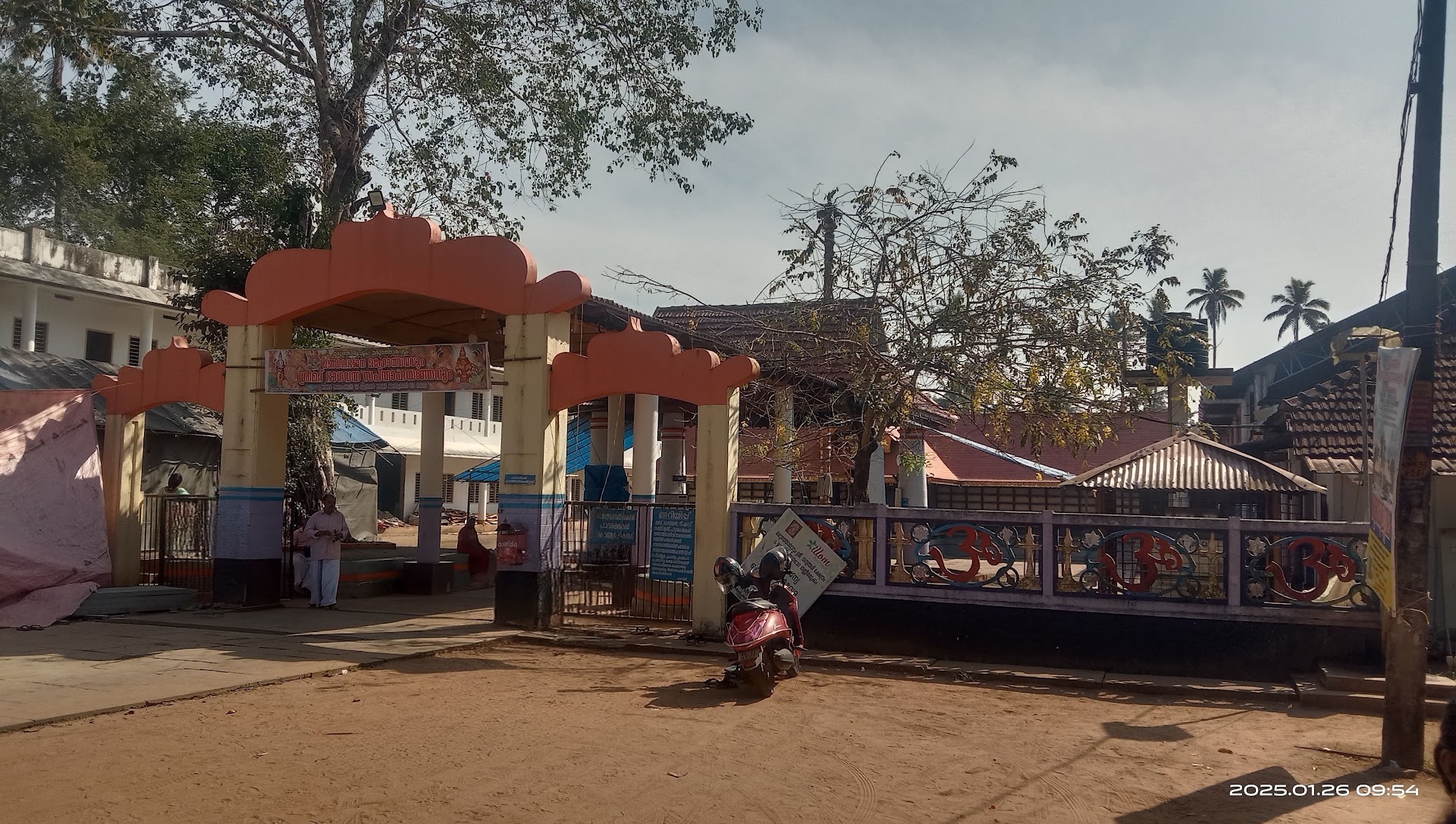
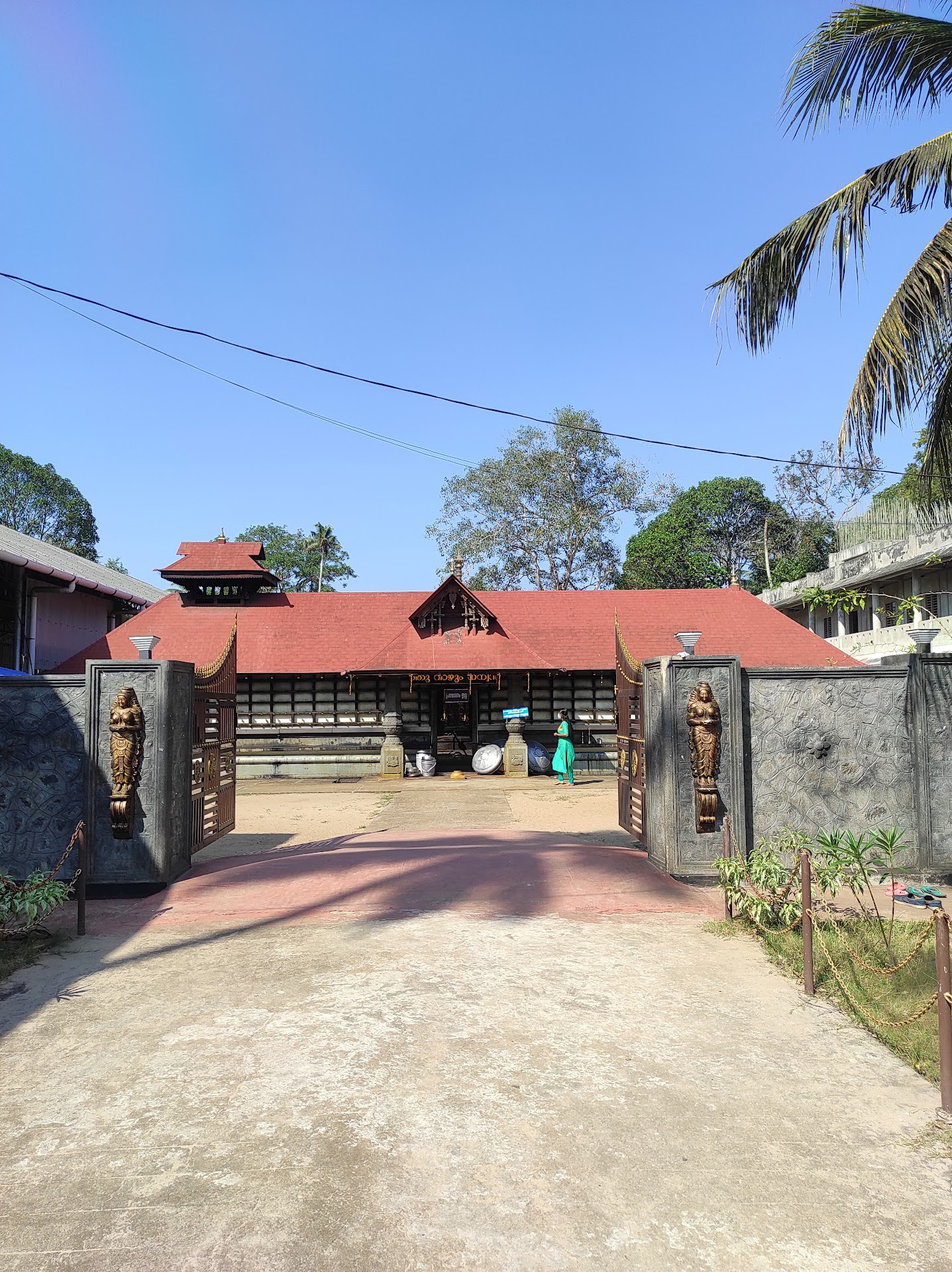
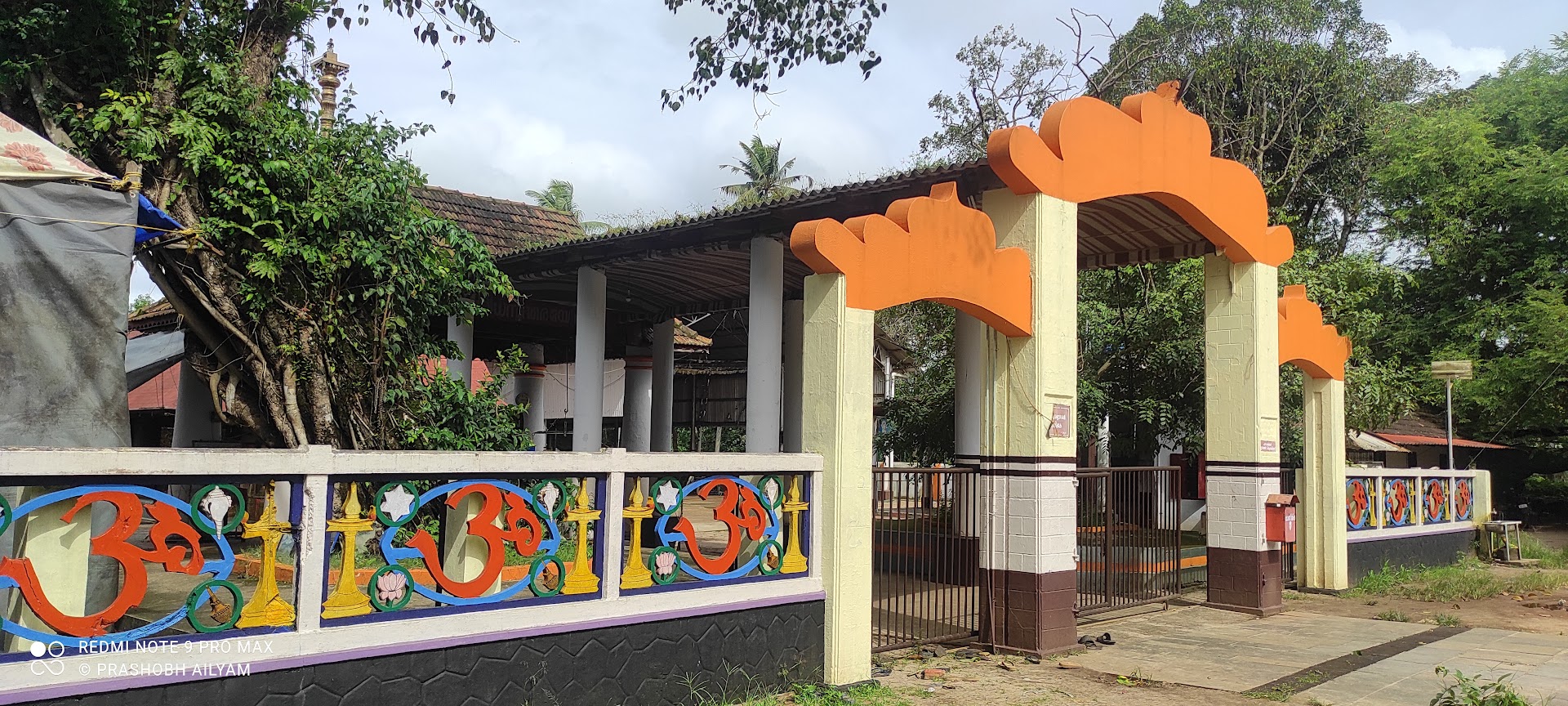
Read moreThis temple is famous for its vazhipadu related to stomach diseases, thalukari a special preparations done during the karkadakam (malayalam month), as per the belief it will cure almost all type stomach problems, Temple situated about 3 km south of certhala town, The temple is dedicated to Lord Dhanwanthari, who is regarded by Hindus as the Master-God of Ayurveda. Lord Dhanwanthari is regarded as a part-incarnation of Lord Vishnu. Hindu Puranas mention that Lord Dhanwanthari made his appearance from Palazhi (the sea of milk) carrying the bowl of Amruth (the elixir of life and rejuvenation). In meditation, Sree Dhanwanthari is visualized as a four-handed, dark- complexioned God carrying Sankha (the holy bugle of Lord Vishnu), Chakra (the revolving blade), the bowl of Amruth (the potion of eternal life and rejuvenation) and Jalooka – the leach used by Ayurvedic practitioners to suck away vitiated blood from the body. Dhanwanthari temple has a copper-roofed round Sreekovil encompassing a square Garbha Griha in which the principal deity is installed. There is a mandapam in front of the Sreekovil, where the idol of Garuda is installed facing Lord Dhanwanthari. The temple faces westwards and has an outer square temple (Nalambalam) surrounding a spacious inner lawn. There is an 'Utsava Bali Mandapam' on the right side of the Sreekovil. Idols of Lord Ganapati, Lord Sastha, and Bhagawathi are installed in the Nalambalam on the right side of the Sreekovil and Lord Siva on the left side. Outside the Nalambalam, in the Meenam Rasi, Nagaraja and other Nagar Gods are installed. On the northern side, is situated the temple dedicated to Sree Bhadra Devi. The name of the place Maruthorvattom is said to have been derived from 'Marunnu Oru Vattam' which in malayalam means a single dose of medicine. This has reference to the famous Ayurvedic doctor, Vellodu Moos who lived here some 600 years ago whose medicines were enough to give relief even from chronic ailments. The annual festival at the temple is celebrated to pay obeisance to Lord...
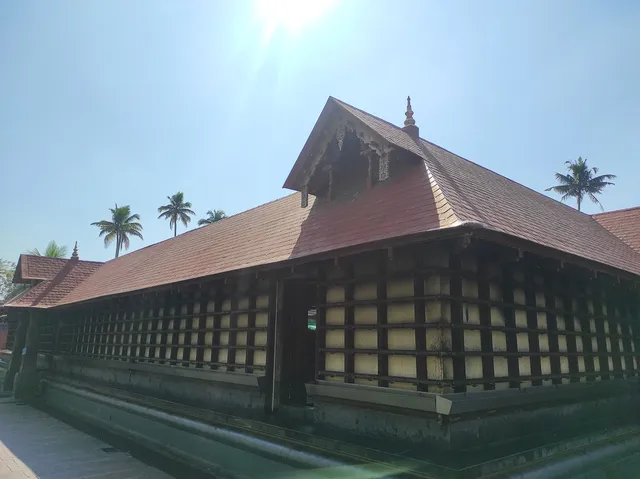
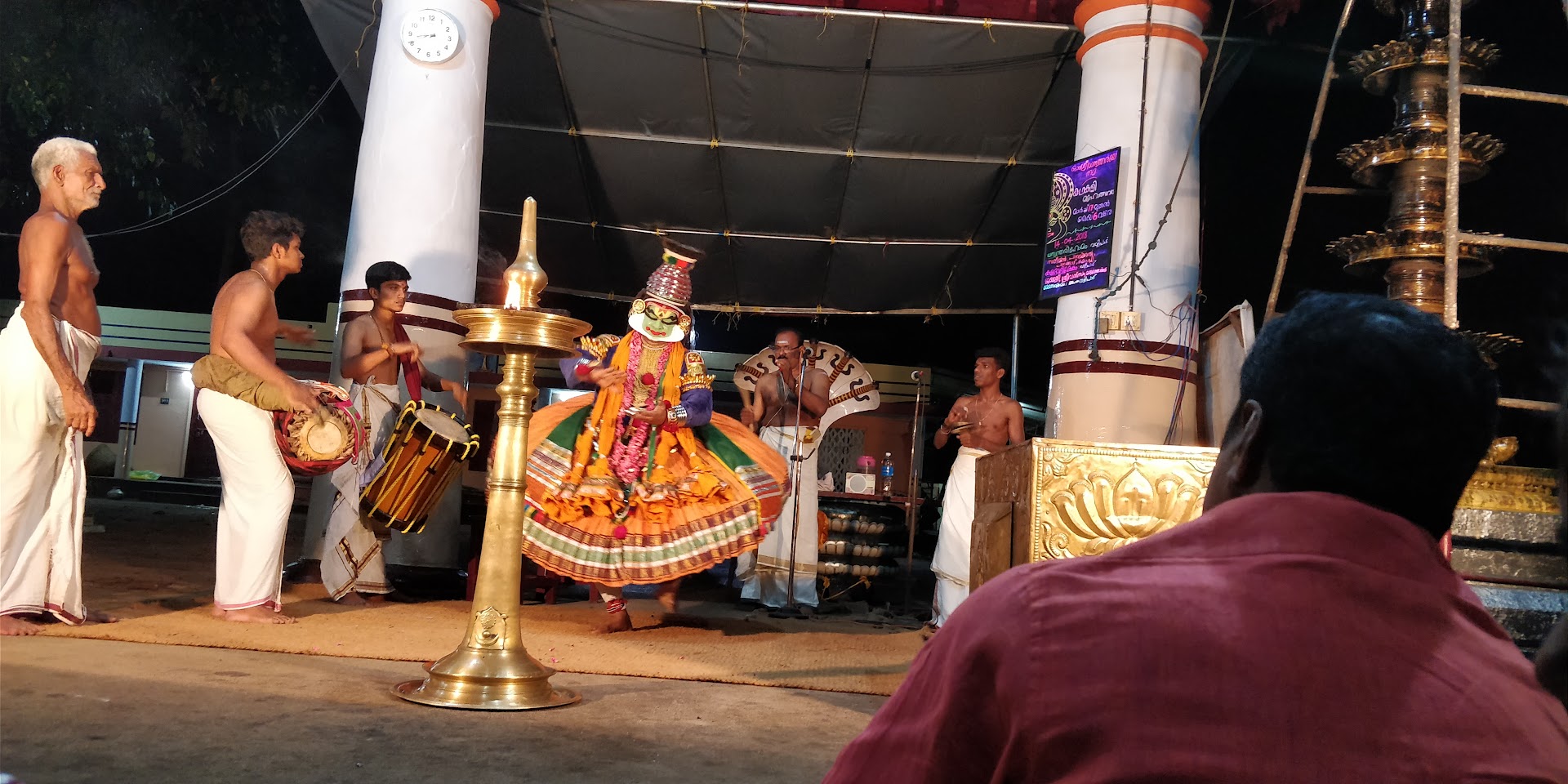
Read moreI had the privilege of visiting this beautiful temple dedicated to Lord Dhanwantari once again, situated in Maruthorvattom, a silent village between Alappuzha and Cherthala in Kerala. The presiding deity, Dhanwantari, is an incarnation of Lord Maha Vishnu and is said to have emerged during the churning of the ocean by the Devas and Asuras. This temple, believed to be over 500 years old, carries a rich spiritual legacy, (please visit the website for history of the temple). The temple is renowned for Mukkudi Prasadam, known to alleviate stomach ailments, and Attayum Kuzhambum, offered for rheumatic diseases, both are distributed on the first Thursday of every Malayalam month. Additionally, devotees offer Santhanagopala Kathakali here as a prayer for having children. Other deities worshipped in the temple include Sarpa, Sastha, Siva, Devi and Ganapathy. This temple stands as a fine example of Kerala’s traditional temple architecture. It is impeccably maintained, and the poojas and rituals are conducted with deep devotion by a dedicated team.
To Reach: By Road: From Kochi: Drive along NH66 towards Cherthala. Around 4 km past Cherthala, take a left near KVM Hospital onto Maruthorvattam Road, which leads straight to the temple. From Alappuzha: Drive via NH66 or NH183, and you’ll reach the temple in about 45 minutes. By Bus: KSRTC buses frequently run between Ernakulam and Alappuzha via NH66. Get off at Cherthala and take a rickshaw or cab to the temple. By Train: Cherthala Railway Station is just 6–7 km from the temple. After reaching the station, you can take a rickshaw...
Read more