One of my favorite temple. My paternal family has a strong bond with this devi
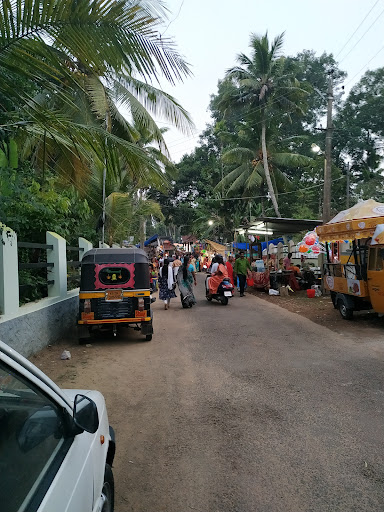
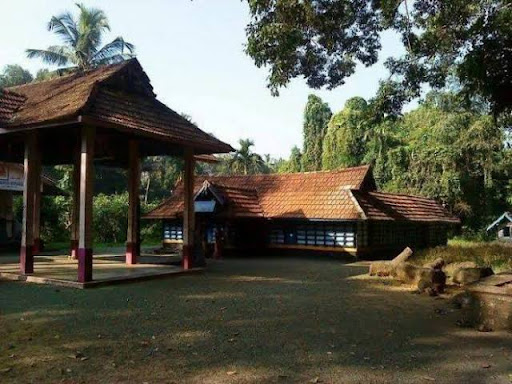
Puthukulangara was a remote and underdeveloped countryside village long ago. People were mainly farmers rearing cattles. It was believed that Kali Devi was omnipresent in the village looking after them, their grievance and protecting them. In addition to this, Ganapathy, Yogeeswaran, Nagar and lots of other deities had been worshipped by them. Their faith in the Kali Devi increases day by day. They had been talking experiences of relief and fortunes to their life. They passed on the belief on Devi Kali to the next generation. They believed firmly that Kali Devi is with them. The stories and experiences related to Kali Devi spread to the neighbouring villages. The neighbouring people began to come to Puthukulangara Devi temple to offer their praise and receive the blessings Devi Kali became more powerful, more spreading and more firm. At this stage, a total change in the style of the temple architect was done with the advice of the astrologers and thanthri, the devotees decided to expand the temple and its premises making it to the need of the days. They did it by giving proper places for sub deities in the temple. As a result of all these innovations people�s faith grew day by day, the stories of their incredible experiences spread to the neighbouring places. The people from distant places began to visit the temple making it more and more famous. In short the place developed to a place of pilgrimage as we...
Read moreA Divine and Unique Experience!
Othera Puthukulangara Devi Temple is truly a gem of Kerala’s spiritual and cultural heritage. The temple has an aura of deep devotion and tranquility, with Goddess Durga Devi as the presiding deity, radiating divine grace and blessings. The temple is beautifully maintained, and the atmosphere is peaceful, allowing every devotee to connect with the divine in a serene setting.
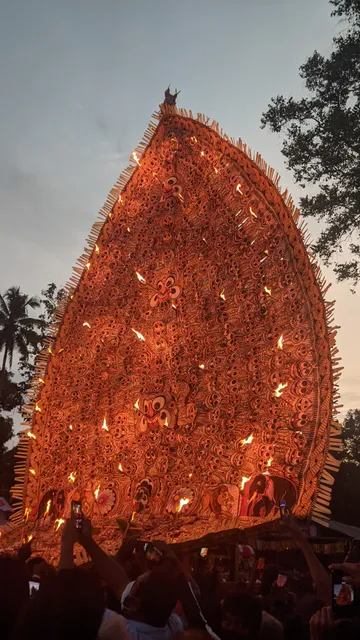
What makes this temple exceptionally special is the annual Padayani festival, one of the most vibrant and sacred art forms of Central Kerala. The Kolam Thullal performances here are simply mesmerizing, especially the Valia Kolam and the rare Chattathel Kolam, which uses 1001 areca sheaths—something you will not find anywhere else in the world. Witnessing these grand rituals is a once-in-a-lifetime experience and a true celebration of devotion, tradition, and artistry.
The temple also offers a wide range of traditional offerings like Archana, Pushpanjali, Ganapathy Homam, Payasam, and more, making it a fulfilling spiritual destination. The energy and positivity here are beyond words, and one leaves with a heart full of peace and devotion.
Highly recommend visiting this temple—not just for prayer, but also to witness the rich cultural heritage and divine rituals that make it truly...
Read moreThis temple is one among the thirty Durga temples of Central Kerala where the ancient Dravidian ritualistic art form Padayani is performed annually. The ritual Padayani is seen in temples situated in places such as 'Pathanamthitta, Kozhencherry, Aranmula, Ranni, Thiruvalla and Chengannur.
Kolam Thullal is the vital part of Padayani festival in which impersonations and apparitions of both divine and evil characters are painted on areca palm sheaths in traditional designs using natural dyes and performing them at these temples. Traditional artists create masks and trained dancers dance carry them on their head, and this is manifested to propitiate goddess Bhadrakali Devi.
There are many varieties of Kolam and 'Yakshi, Pakshi, Madan, Marutha, Kalan Kolam (Kalari), [Bhairavi]] and more are all performed here. 'Valia Kolam' which is big size Bhairavi Kolam (a fierce form of Bhadrakali Devi) and another giant variety known as 'Chattathel Kolam', are also usually manifested here on the last day of the festival. Chattathel Kolam uses 1001 areca sheaths and cannot be carried on the head but is pulled around the temple on hand carts and displayed in the temple compound thereafter. It's the only temple in the world which performs a kolam made of 1001...
Read more