Marayoor – The Hub of Sandalwood Trees Marayoor, located forty km from Munnar, is a rain shadow village lying in the eastern side of the Western Ghats and is bordered by the neighbouring state Tamil Nadu. Marayoor is the only place in Kerala with a natural growth of sandalwood trees.
A reduced rainfall is most suited for the the sandalwood factory run byMarayoor-Kerala-India the Forest Department is of tourist interest. Although compared to the neighbouring states like Tamilnadu and Karnataka, Kerala has less acres of sandalwood forests, the same being confined to Marayoor and a few forest areas in Wayanad hills, the state possesses the best types of sandalwood trees owing to a reduced rainfall which favours its abundant growth.
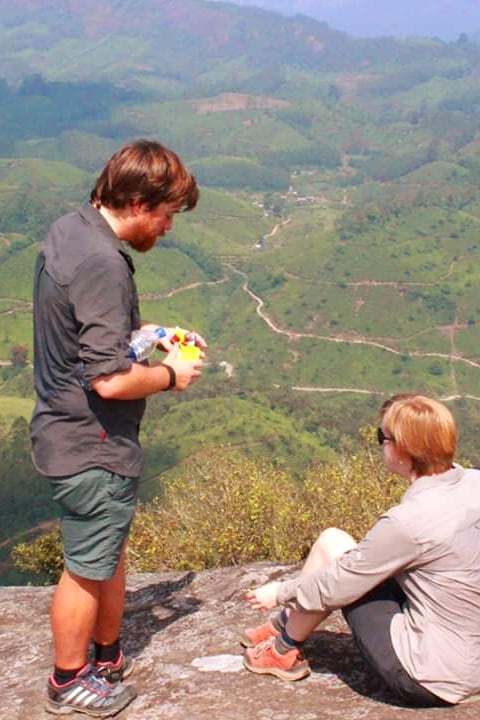
Marayoor as a pristine, heavenly and unexplored tourist spot is comparable to Munnar which is one of the most sought after hill stations in India in every respect. The place is especially an excellent trekking spot for adventure seekers.
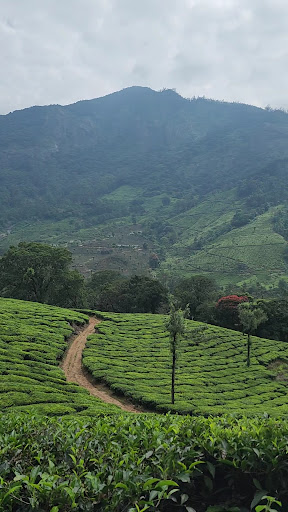
The road from Rajamala to Marayoor is flanked by lush green tea estates. As yMarayoor-Kerala-Indiaou drive by, there are occasional waterfalls. Then you come across the sandalwood forest. First, the trees appear one by one, and soon these turn into a sea. The air is cool and one comes under the rain shadow area. Marayoor houses the ‘muniyaras’ or the stone coffins with underground tunnels, which date back to the Neolithic period. These cave-like structures resting on vertical rocks are present everywhere - they are stone slabs resembling crudely-made boxes. There are paintings depicting the legendary wanderings of ‘Rama and Sita' and the 'Pandavas' inside the caves.
Descending the hill, one can see the cane crop in the valley below dancing in the wind. A park named Rajiv Gandhi National Park is an ideal picnic spot nearbyMarayoor-Kerala-India. A children's park formed under the canopy of a single Banyan tree spreads across a hectare of land and is a wonderful sight. Then there is the Thoovanam Waterfalls where one can spend endless hours romancing with nature.
Marayoor is inhabited by a group of tribals who are primarily engaged in agriculture. The temperature in summer goes up to 30 degree Celsius while the winter temperature can come down to as low as 8 degree Celsius.
It is one of the main towns in the district of Idukki. This place can also be accessed from Pollachi / Palani in Tamilnadu and from Munnar. Tourists can find a good number of accommodation facilities as well as shopping facilities at Marayur and in Munnar.
Sandalwood & its utility
Sandalwood, the famous aromatic wood is yielded by the family of trees belonging to the genus Santalum. This particular wood which is heavyMarayoor-Kerala-India, fine-grained and yellow in color, retains its fragrance for decades. The sandalwood fragrance is very distinctive and is used in countless applications including utility and decoration. Sandalwood has been valued and treasured for many years for its fragrance, carving, medicinal and religious qualities.
To get commercially valuable sandalwood with high levels of fragrant oils, the Santalum trees need to be at least eight years of age and ideally fourteen years of age. Unlike most trees, sandalwood is harvested by toppling the entire tree instead of sawing them down at the trunk. This way, valuable wood from the stump and root can also be sold or processed for oil.
Sandalwood paste is integral to rituals and ceremonies, to mark religious utensils and to decorate the icons of the deities worshipped. It is also distributed Marayoor-Kerala-Indiathereafter to devotees, who apply it to the forehead or the neck and chest. Preparation of the paste is considered a duty fit only for the pure, and is therefore entrusted in temples and during ceremonies...
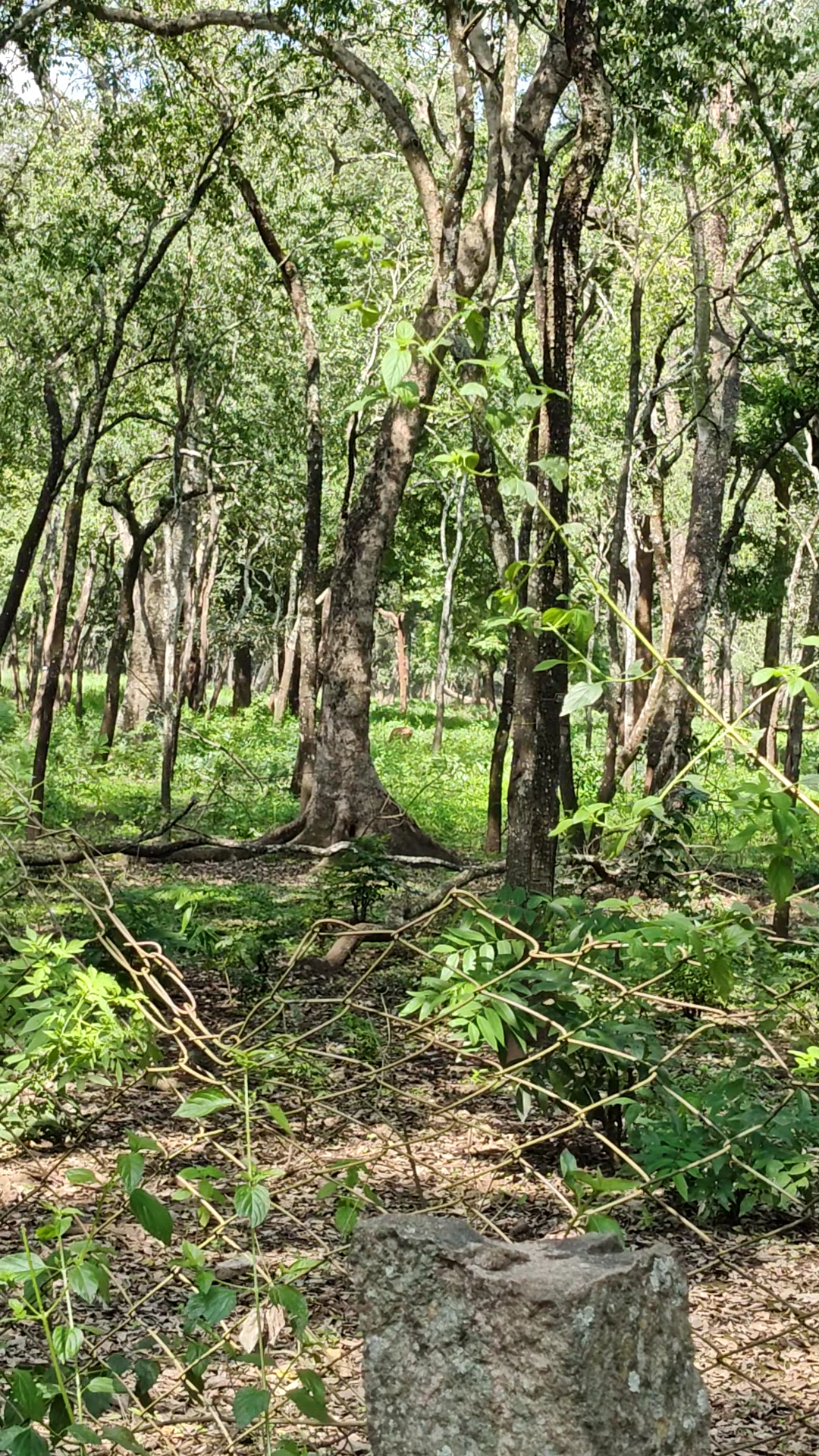
Read moreMarayoor Sandalwood Forest, located in the Idukki district of Kerala, is a mesmerizing place that will leave you enchanted. As the only natural sandalwood forest in Kerala, Marayoor is a must-visit for anyone interested in exploring nature and its wonders. The forest is spread over a vast expanse of land and is home to thousands of sandalwood trees. Walking through the forest is a surreal experience, with the earthy aroma of sandalwood filling the air. The forest floor is covered in a thick carpet of fallen sandalwood leaves, and the peaceful silence of the woods is broken only by the occasional bird call.
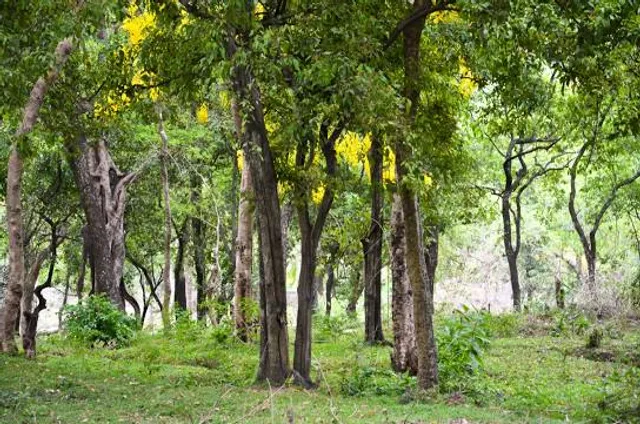
The Marayoor Sandalwood Forest has been a source of sandalwood for centuries, and the trees here are carefully monitored and managed by the Forest Department. The sandalwood harvested from the forest is of the highest quality and is in great demand in both domestic and international markets. Tourists can witness the sandalwood extraction process and learn about the intricate techniques used to extract the oil. Apart from its sandalwood trees, the forest is also home to a diverse range of flora and fauna. The forest is a bird watcher's paradise, with over 100 species of birds found here, including the Great Indian Hornbill and the Nilgiri Wood Pigeon. Other animals such as the Indian bison, sambar deer, and leopards can also be spotted here.
The Marayoor Sandalwood Forest is not just a treat for the senses but is also steeped in history and culture. The forest is home to ancient rock paintings, believed to be over 10,000 years old, and the nearby town of Marayoor is known for its jaggery and sugarcane plantations. The forest is also a popular destination for trekking and camping, providing a thrilling adventure for those seeking an adrenaline rush.
In conclusion, the Marayoor Sandalwood Forest is a magical place that will transport you to a world of natural beauty and wonder. Its unique sandalwood trees, diverse wildlife, and rich cultural heritage make it a must-visit destination for any traveler. The forest's tranquil ambiance and serene beauty provide an escape from the hustle and bustle of daily life, allowing visitors to reconnect with nature and themselves. A visit to the Marayoor Sandalwood Forest is a truly unforgettable experience that will leave you with memories that...
Read moreRiding through the chaos of Marayoor’s traffic, dodging wild overtakes and blaring horns, I couldn’t help but wonder about the promise that lay ahead. The guesthouse owner had described it as a “must-see”—a sandalwood forest, untamed and fragrant, a hidden treasure nestled away in the hills. I imagined something wild, something almost mythical, where the scent of the trees would hit you like a memory you didn’t know you had.
But of course, reality is rarely that poetic.
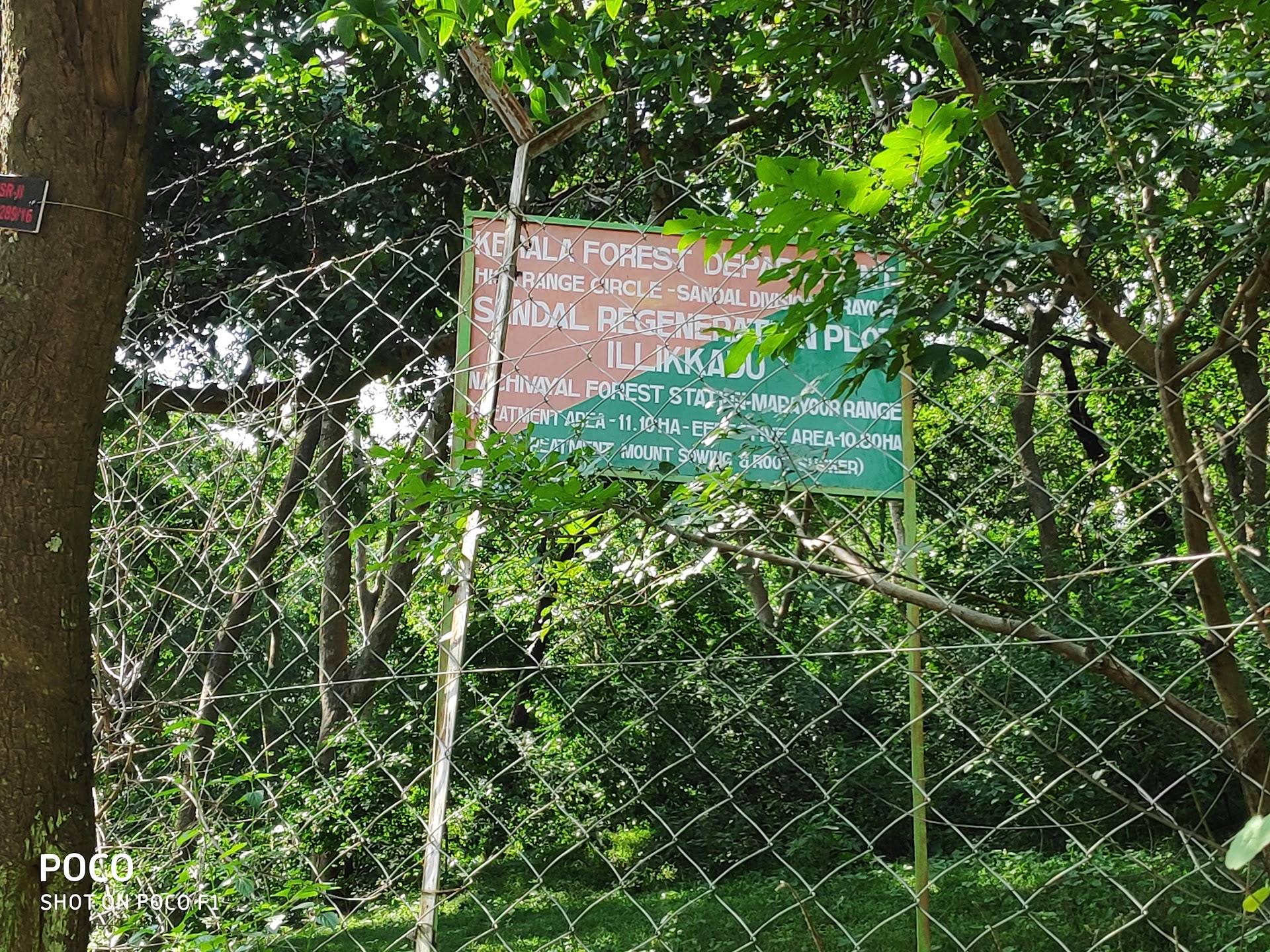
When I arrived, I was greeted not by the earthy embrace of a sprawling forest, but by a neatly fenced plantation—an orderly line of trees stretching along the highway. There they stood, carefully spaced, each one behind a steel barrier as if they were the most precious things on earth. A plantation, not a forest. The kind of place you’d expect to find in a corporate brochure about “sustainable farming,” not a dreamlike escape into the wild.
The scent of sandalwood is is destroyed by the sound of trucks and the overzealous rickshaws and motorbikes. There’s something decidedly unmagical about being in a "forest" while a bus swerves dangerously close to your shoulder. The trees, standing so perfectly aligned, feel exactly like they have been farmed for the sole purpose of profit - which they have.
The whole thing is a masterclass in disillusionment—an idyllic idea turned into a fenced-off reality, a commodity dressed up as nature. Maybe I was naïve to expect more, but it's hard not to feel let down when what’s marketed as a "hidden gem" turns out to be a patch of corporate landscaping, sitting just a few feet away from the constant terror of Indian traffic. If this is the forest, then I’d rather have stayed at...
Read more