Silent Valley National Park (Malayalam: സൈലന്റ് വാലീ നാഷണല് പാര്ക്ക്), is a national park in Kerala, India. It is located in the Nilgiri hills, has a core area of 89.52 km2 (34.56 sq mi), which is surrounded by a buffer zone of 148 km2 (57 sq mi). This national park has some rare species of flora and fauna. This area was explored in 1847 by the botanist Robert Wight.[2] The national park is one of the last undisturbed tracts of South Western Ghats mountain rain forests and tropical moist evergreen forest in India. Contiguous with the proposed Karimpuzha National Park (225 km2 (87 sq mi)) to the north and Mukurthi National Park (78.46 km2) to the north-east, it is the core of the Nilgiri Biosphere Reserve (1,455.4 km2), and is part of the Nilgiri Sub-Cluster (6,000+ km2), Western Ghats World Heritage Site, recognised by UNESCO in 2007.[3]
Plans for a hydroelectric project that threatened the park's biodiversity stimulated an environmentalist social movement in the 1970s, known as the Save Silent Valley movement, which resulted in cancelling the project and creating the park in 1980. The visitors' centre for the park is at Sairandhri. The first Western investigation of the watersheds of the Silent Valley area was in 1857 by the botanist Robert Wight.[2] The British named the area Silent Valley because of a perceived absence of noisy cicadas. Another story attributes the name to the anglicisation of Sairandhri. A third story refers to the presence of many lion-tailed macaques Macaca silenus.[4] In 1914, the forest of the Silent Valley area was declared a reserve forest. Between 1927 and 1976, portions of the Silent Valley forest area were subjected to forestry operations. In 1928, the location on the Kunthipuzha River at Sairandhri was identified as an ideal site for electricity generation, and in 1958 a study and survey of the area was conducted and a hydroelectric project of 120 MV costing Rs. 17 crore was proposed by the Kerala State Electricity Board.[5] Silent Valley is home to the largest population of lion-tailed macaques, an endangered species of primate. Public controversy over their habitat led to the establishment of Silent Valley National Park.
In 1973 the valley became the focus of "Save Silent Valley", India's fiercest environmental movement of the decade, when the Kerala State Electricity Board decided to implement the Silent Valley Hydro-Electric Project (SVHEP) centered on a dam across the Kunthipuzha River. The resulting reservoir would flood 8.3 km2 of virgin rainforest and threaten the lion-tailed macaque. In 1976 the Kerala State Electricity Board announced plans to begin dam construction and the issue was brought to public attention. Romulus Whitaker, founder of the Madras Snake Park and the Madras Crocodile Bank, was probably the first person to draw public attention to the small and remote area.[6]
In 1981 Prof.C.V.Subramanian, the internationally acclaimed mycologist, wrote to Mrs Indira Gandhi, seeking her intervention to stop the Dam construction which held very unique flora and fauna.[citation needed] Prof Subramanian also submitted a report on the Silent Valley on the basis of which Mrs Gandhi, decided to abandon the project.[citation needed] The Silent Valley forests were declared as a National Park. On 7 September 1985 the Silent Valley National Park was formally inaugurated and a memorial at Sairandhri to Indira Gandhi was unveiled by Rajiv Gandhi, her son and the next Prime Minister. On 1 September 1986 Silent Valley National Park was designated as the core area of the Nilgiri Biosphere Reserve. Since then, a long-term conservation effort has been undertaken to preserve the Silent Valley ecosystem.[5]
In 2001 a new hydro project was proposed and the "Man vs. Monkey debate" was revived. The proposed site of the dam (64.5 m high and 275 m long) is just 3.5 km downstream of the old dam site at Sairandhiri, 500 m outside the National Park boundary.[7] The Kerala Minister for Electricity called The Pathrakkadavu dam (PHEP) an "eco-friendly alternative" to the old Silent Valley...
Read moreNestled amidst the Nilgiri Hills in Kerala, Silent Valley National Park is a sanctuary of untouched beauty and biodiversity. A haven for nature enthusiasts and those seeking respite from the clamor of modern life, it offers an immersive experience into the heart of a pristine rainforest.
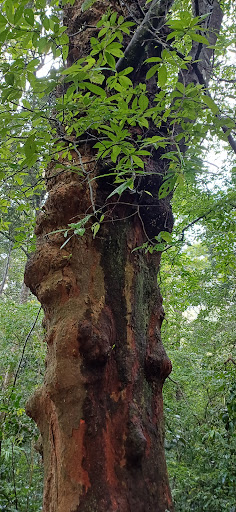
A Journey into the Green Abyss Stepping into Silent Valley is akin to entering a different world. The park's name is aptly given, as a profound silence pervades the atmosphere, broken only by the symphony of nature – the rustling of leaves, the chirping of birds, and the gurgling of streams. Towering trees form a verdant canopy overhead, filtering the sunlight and casting dappled shadows on the forest floor. The air is fresh, crisp, and carries the earthy scent of damp soil and decaying leaves.
Silent Valley is a treasure trove of biodiversity, harboring a myriad of plant and animal species. The park is home to over 1000 flowering plants, including rare orchids and medicinal herbs. It is also a haven for diverse fauna, including the endangered lion-tailed macaque, Nilgiri langur, Malabar giant squirrel, and a variety of deer and reptiles. Birdwatchers will be delighted by the abundance of avian life, with over 200 species recorded, including the Malabar grey hornbill, the Nilgiri wood pigeon, and the Ceylon frogmouth.
The park offers several trekking trails that cater to different fitness levels. The most popular trail leads to the Kunthi River, a pristine water body that flows through the heart of the valley. The trek is moderately challenging, but the reward is well worth the effort. The sight of the crystal-clear river cascading over rocks, surrounded by lush greenery, is truly mesmerizing.
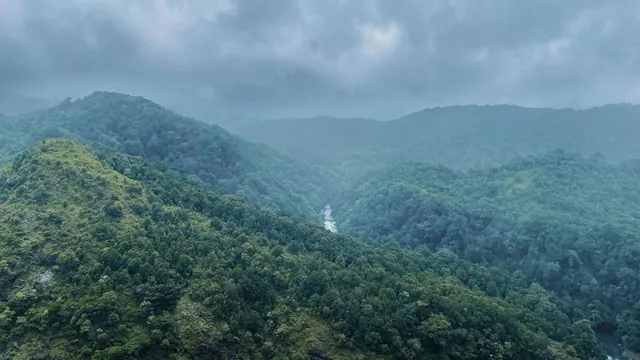
For those who prefer a less strenuous experience, the watchtower offers panoramic views of the park. Located at an altitude of 1,050 meters, it provides a bird's-eye view of the dense forest canopy, the meandering river, and the surrounding hills. The watchtower is an ideal spot for photography and soaking in the tranquility of the surroundings.
Silent Valley National Park is a testament to the importance of conservation. In the 1970s, the valley was threatened by a proposed hydroelectric project that would have submerged a significant portion of the forest. However, thanks to the tireless efforts of environmentalists and concerned citizens, the project was abandoned, and the valley was declared a national park in 1984.
Visiting silent valley requires advance booking. Reservation can be done through online or through telephone. The trip to silent valley starts from Forest entry point in Mukkali. Mini buses and jeeps will take the visitors to the Silent valley. The travel from Mukkali entry point to Silent valley is around 22 kms. Food option is only available at Mukkali entry point and in Park. Even though the choices are limited, food served there is so tasty. Forest staffs in Mukkali entry point as well as in Park are so friendly and helping. Jeep drivers take the role of guides and explain each and everything about the National Park and its Biodiversity.
When visiting Silent Valley, it is essential to respect the fragility of the ecosystem. Visitors are encouraged to follow the park's guidelines, such as staying on designated trails, avoiding littering, and refraining from disturbing the wildlife. By practicing responsible tourism, we can help preserve this pristine wilderness for generations to come.
Silent Valley National Park is a true gem of Kerala, a place where one can reconnect with nature and experience the serenity of an undisturbed ecosystem. Whether you are a seasoned trekker, a wildlife enthusiast, or simply seeking a peaceful retreat, Silent Valley offers an unforgettable experience. It is a reminder of the beauty and importance of our natural heritage and the need...
Read moreSilent Valley National Park is a pristine tropical forest located in the Palakkad district of Kerala, India. The park is home to a wide variety of flora and fauna and is considered to be one of the last remaining tracts of undisturbed evergreen forests in India. As I entered the park, I was immediately struck by the serene and peaceful environment, with only the sounds of birds and insects breaking the silence. The park is home to a diverse range of flora, including several rare and endemic species. The dense forest is dominated by tall trees, including the majestic teak, rosewood, and sandalwood trees. The forest floor is covered with a thick layer of fallen leaves, which provide a natural mulch and support the growth of several species of plants and flowers. As I walked through the forest, I saw several beautiful orchids and ferns growing on the trees and rocks. The park is also home to a wide variety of fauna, including several endangered species. The most famous resident of the park is the Lion-tailed Macaque, a rare and endangered primate found only in the Western Ghats of India. I was lucky enough to spot a group of these beautiful animals as they swung through the trees overhead. The park is also home to several species of deer, wild boar, and several species of birds, including the Malabar Grey Hornbill, which is endemic to the Western Ghats. As I walked deeper into the forest, I came across several streams and waterfalls. The sound of running water added to the peaceful atmosphere of the park, and I took some time to sit and enjoy the beautiful surroundings. The water in the streams was crystal clear and cold, providing a refreshing respite from the heat of the day. The park offers several trekking routes for visitors, which provide an opportunity to explore the forest and see the wildlife up close. The trails are well marked and maintained, and the park authorities provide trained guides for visitors. I took one of these trails and was rewarded with some breathtaking views of the forest and the surrounding mountains. In conclusion, a visit to Silent Valley National Park is a must for nature lovers and anyone interested in exploring the pristine wilderness of Kerala. The park offers a unique opportunity to see some of the rarest and most beautiful species of flora and fauna in India, and the peaceful atmosphere of the park is sure to rejuvenate and refresh...
Read more