Sri Mulayankavu Bhagavathy Temple
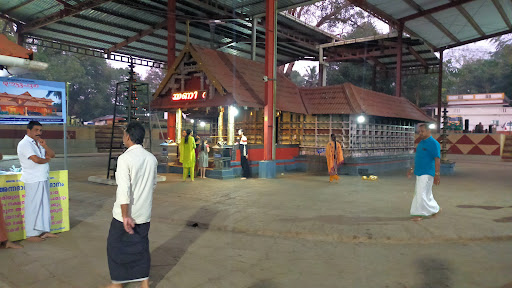
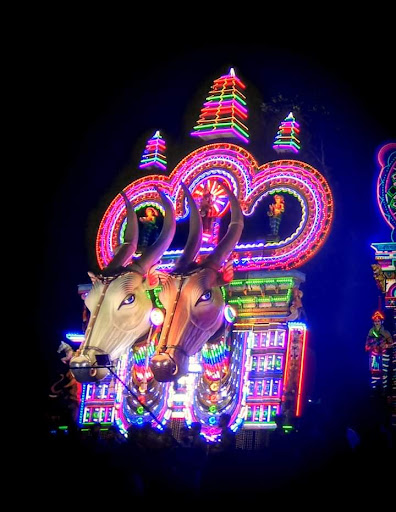
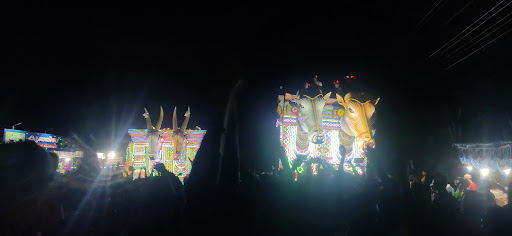
Mulayankavilamma's plateau, filled with the village sanctity of Valluvanad, lies westward from the heartland of Palakkad, close to Malappuram district in the warmth of Kuntipuzha. Sri Mulayankavu Bhagavathy Temple is also a famous temple in Kerala due to its rituals, and abundance of festivals. The area of platform is vast and includes village panchayat areas of Kulukallur, Nellaya, Vallapuzha, and Chalavara in the Palakkad district. Mulayankavu temple legend is also similar to the story of Devikshetra origin. The area where the temple stands today was once a forest full of bamboo.
Legend and History
Mulayankavilamma's plateau, filled with the village sanctity of Valluvanad, lies westward from the heartland of Palakkad, close to Malappuram district in the warmth of Kuntipuzha. Sri Mulayankavu Bhagavathy Temple is also a famous temple in Kerala due to its rituals, and abundance of festivals. The area of platform is vast and includes village panchayat areas of Kulukallur, Nellaya, Vallapuzha, and Chalavara in the Palakkad district. Mulayankavu temple legend is also similar to the story of Devikshetra origin. The area where the temple stands today was once a forest full of bamboo. A Harijan Samutrayam woman who came here was horrified to see blood oozing out of the rock while rubbing the working weapon in her possession to sharpen it. Legend has it that the Nair went to the villager of Veluttedam and conveyed this information and the villager Thampran later built a temple and consecrated it in the place of the stone which he saw as Swayambhu. Even today, the temple and the village where the temple is located are known by the name Mulayankavu, either because of the area full of bamboo forests or because the Goddess Chaitanya was identified as a Mulaya woman.
That is why in temple rituals and rituals, serfs and agricultural workers have a special place. The people of the Cheru Kot Kakkadi Kunnath family have got this position. Mulayankavu is a rare temple with two mukhamandapams. There is a legend associated with it. In the past, an elephant was brought to the temple.The goddess Balaswarupini did not like it and the goddess, who was facing the north, turned to the west in anger. Devotees believe that the elephant, which was scared by the anger of the goddess, turned into a rock due to the curse of the goddess. Similarly, it is said that the laborers who came to collect bamboo in the temple land full of bamboo groves got scared of the elephant and took shelter from the goddess and the goddess chased the elephant away and turned it into stone at a distant place. One kilometer away from the temple, in Vandum Thara land, on the side of the Koppam-Mulayankav road, on the way up to Malamcheru, there is an elephant-shaped and sized boulder for these kathaks. It can still be seen today as a sign. It is also said that once the workers tried to break this rock and got scared when they saw blood coming from the stone. However, it is interesting to note that this area is still known as Anapara. Since the goddess was facing west, this side of the temple also has a mukhamandapam. Although the devotees can get direct darshan here,the main offering of the temple is Guruthi Tarpanam, as well as the important ceremonies of bullocking in connection with the bullocking work, setting the plate for the puram and ther ezhunnallip are performed on the north side. The right to open the north side belongs to the Athrassery Manakas. The flagpole is on the north side. It is also noteworthy that Koothu Madam has been completed parallel to this walk. It is also special that the idol of Bhagwati is almost like the idol of Sabarimala Ayyappaswamy. Acharya Sthaniyas believe that such a deity is rare in the goddess temples themselves. Devgnyas say that the reason for such a situation may be the mischief of the goddess in her childhood. Due to the concept of dual aspect, he is wearing a palliwal and Bhadravatakam in both hands. Mulayankavu is...
Read more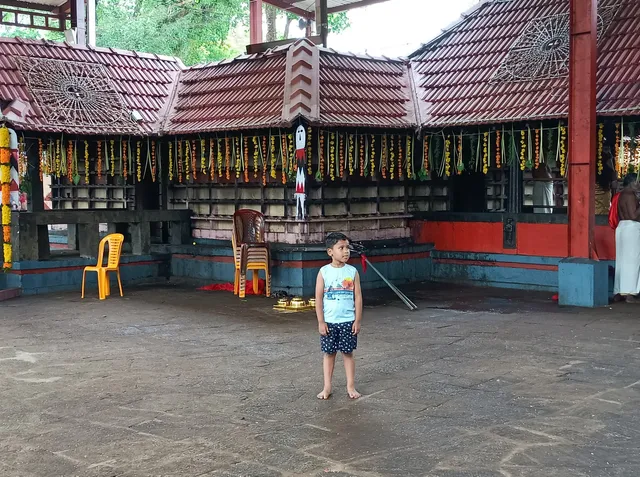
 Learn more insights from Wanderboat AI.