Tarakeswar (Taraknath) Temple, Hooghly â Professional Review (Summarized)
Overview A major Shaivite pilgrimage in West Bengal, the Tarakeswar/Taraknath Temple offers a powerful devotional atmosphere with classic Bengal temple architecture. Expect authentic rituals, big crowds (especially Mondays and in Shravan), and a bustling bazaar-like approach road. Ideal for pilgrims and culture seekers; less so for travelers seeking quiet, luxe amenities.
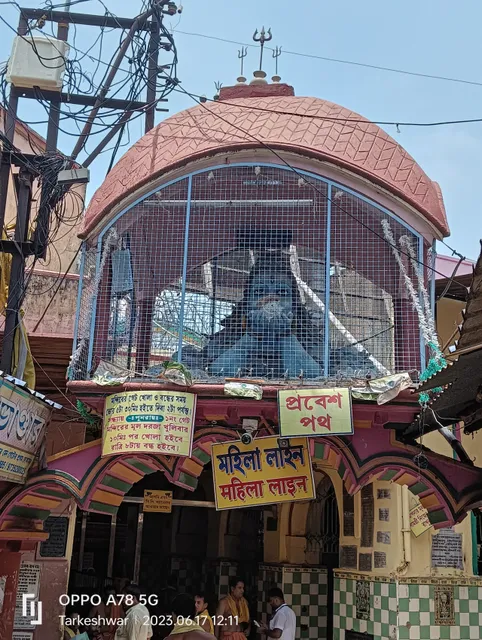
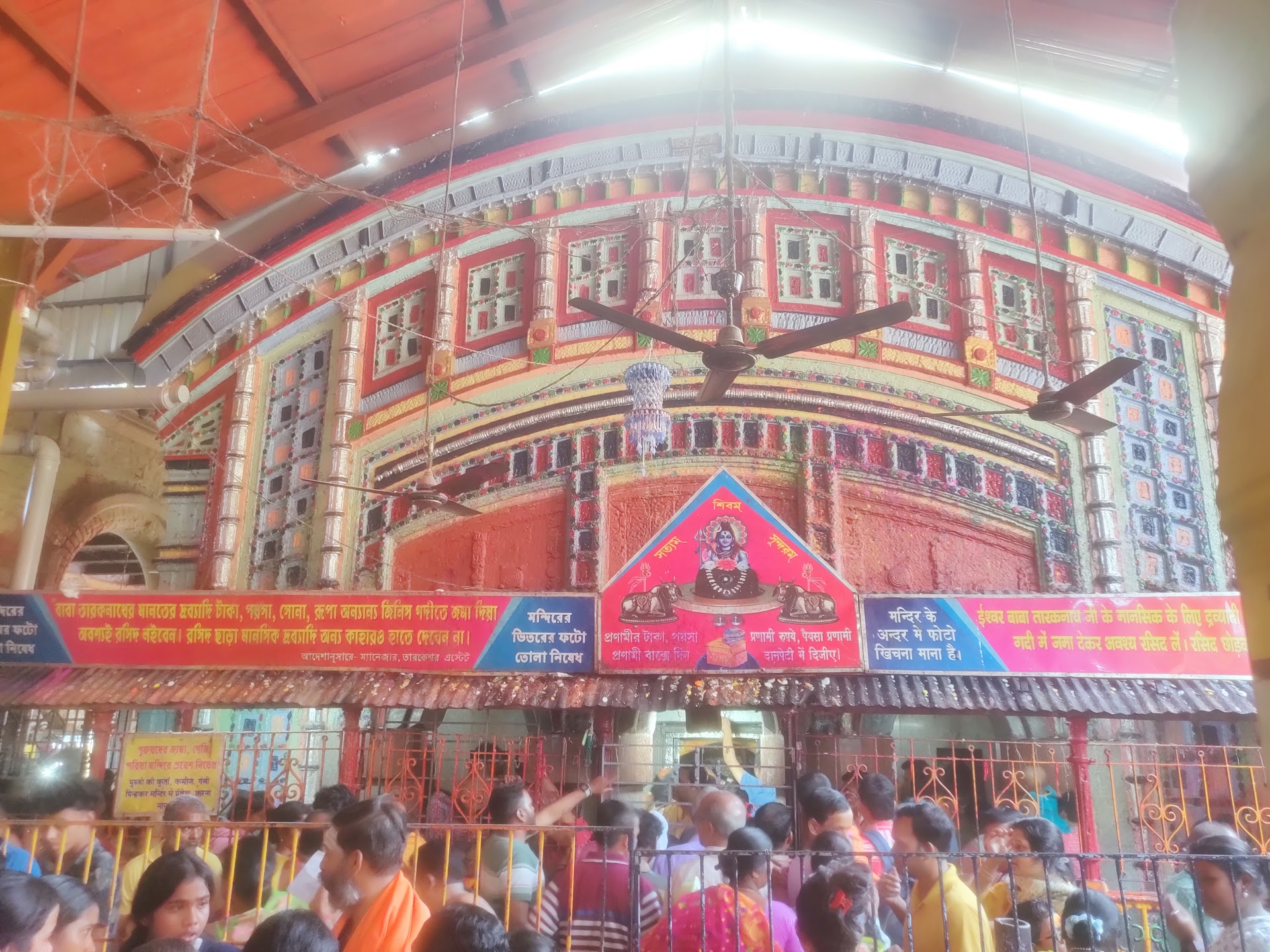
Architecture & Ambience Style: Traditional Bengal atchala temple with a spacious natmandir (assembly hall) in front; understated terracotta/brick aesthetic. Setting: Compact, sacred precincts surrounded by narrow lanes of flower and prasad shops. The sacred tank âDudhpukurâ nearby is associated with long-held local beliefs. Cleanliness: Generally decent around the main complex; approach lanes can feel congested and messy during peak times.
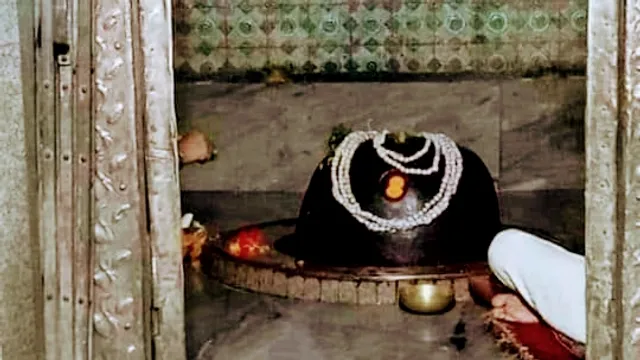
Spiritual Experience Deity: Shiva as Taraknath (linga). Mondays are particularly auspicious; Shravan (JulâAug) and Maha Shivaratri see massive footfall. Rituals: Abhishek with milk/water, bel (bilva) leaves, and flowers; darshan can be moving but brief in peak seasons. Atmosphere: Devotion-forward and energetic; pandas (priests) and touts may solicit servicesâbe polite and firm if you prefer a self-guided visit.
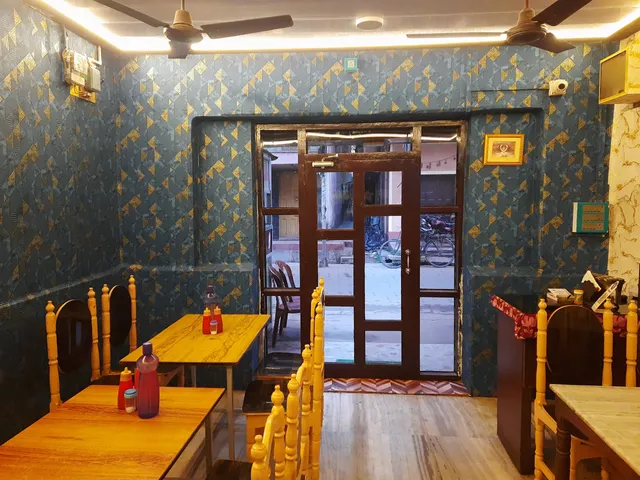
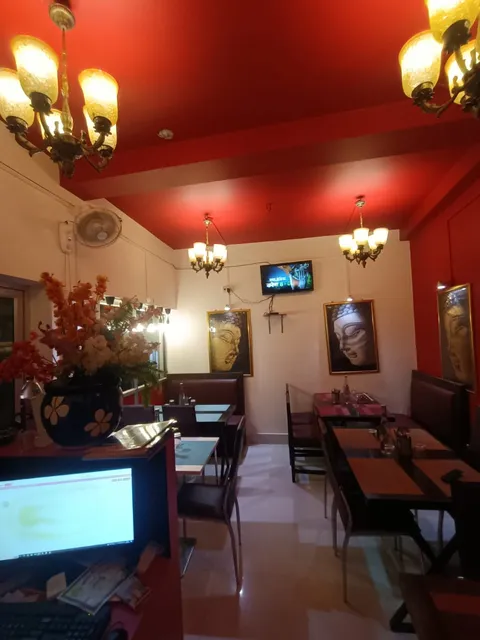
Visitor Practicalities Timing: Early mornings on non-Mondays are the most manageable. Festival days and Mondays can involve long queues. Access: Rail: Frequent suburban trains from Howrah to Tarakeswar; ~1.5 hours. From Tarakeswar station, 10â15 minutes by foot/e-rickshaw. Road: ~60â70 km from Kolkata depending on route; 2â3 hours with traffic. Parking near the temple is limited. Facilities: Basic shoe-stalls, prasad counters, drinking water, and simple eateries. Expect modest lodging in town; better hotels are in larger nearby centers. Rules & Etiquette: Modest attire; footwear off in the inner precinct; photography typically restricted near/inside the sanctum; carry small cash for offerings; keep valuables secure.
Best Time to Visit For a calmer visit: Weekdays (TueâSat), early morning or late afternoon, outside Shravan. For the full festival experience: Shravan Mondays and Maha Shivaratriâarrive very early and be prepared for crowds.
Pros Strong spiritual ambiance with living traditions. Distinctive Bengal temple architecture and natmandir. Easy access from Kolkata via frequent trains. Vibrant local market and cultural feel.
Cons Heavy crowds; long wait times on peak days. Pushy touts/pandas in approach lanes. Limited parking and mid-range accommodation options. Cleanliness and crowd management can vary with season.
Who Itâs For Pilgrims, heritage and culture enthusiasts, photographers of architecture (outside sanctum), and day-trippers from Kolkata.
Who Might Skip Travelers seeking solitude, upscale amenities, or fully barrier-free access (narrow lanes and steps can be challenging for some).
Quick Tips Buy offerings from reputable shops; agree on any priestly service fees in advance. Carry a light scarf/socks for hot floors, especially in summer. If combining sights, consider adding Bandel Church or Hangseshwari Temple (Bansberia) for a broader Hooghly heritage circuit.
Verdict A spiritually resonant, culturally rich temple that delivers an authentic Bengal pilgrimage experience. Highly recommended for devotion and heritage; plan timing and logistics to mitigate crowds and touts. Overall: 4.3/5 for pilgrims and...
   Read moreThe Tarakeshwar Temple, also known as the Taraknath Temple, is a prominent Hindu temple dedicated to Lord Shiva. It is located in the town of Tarakeshwar in the Hooghly district of West Bengal, India. This temple holds great religious significance and is a popular pilgrimage site for devotees of Lord Shiva.
Key information about the Tarakeshwar Temple includes:
Lord Shiva: The Tarakeshwar Temple is dedicated to Lord Shiva, one of the principal deities in Hinduism. Lord Shiva is often depicted as the god of destruction and transformation and is a central figure in Shaivism.
Spiritual Significance: The temple is considered a sacred place where devotees come to seek the blessings of Lord Shiva. It is believed that worshipping at this temple can grant spiritual awakening and the fulfillment of one's wishes.
Architecture: The temple's architecture reflects the traditional Bengali style, characterized by its terracotta artwork and intricate designs. The main sanctum sanctorum houses the Shiva Lingam, the symbol of Lord Shiva.
Rituals and Offerings: Devotees offer various rituals, prayers, and offerings to Lord Shiva, including milk, flowers, bilva leaves, and holy water from the sacred Ganges River. Daily worship ceremonies are conducted by temple priests.
Festivals: Mahashivaratri is one of the major festivals celebrated at the Tarakeshwar Temple. During this festival, devotees fast, engage in night-long prayers, and participate in processions to honor Lord Shiva.
Gupta Shivaratri: Apart from Mahashivaratri, the temple is also known for celebrating Gupta Shivaratri, which falls a day before Mahashivaratri. It is believed to be an auspicious time to worship Lord Shiva.
Natural Spring: The temple complex includes a natural spring known as "Gupta Ganga" or "Taraknath Ganga." Devotees often take a holy dip in this spring before entering the temple.
Accessibility: Tarakeshwar is well-connected by road and rail, making it accessible for pilgrims and tourists. The town witnesses a significant influx of devotees, especially during festivals.
The Tarakeshwar Temple is a place of deep spiritual significance and cultural heritage in West Bengal. Devotees and visitors alike come to this temple to seek the blessings of Lord Shiva and experience the serene and sacred atmosphere that...
   Read moreTaraknath Temple: A Sacred Haven
I've cherished Taraknath Temple, abode of Lord Shiva, since childhood. However, the surge of devotees has taken a toll on its cleanliness. The station area and temple premises, including the sacred Dhudhpukur pond, have suffered. During peak months like Shravana, the volunteering system falls short, leaving many lost and unattended. The ritual of offering water to Lord Shiva also needs improvement. Despite these challenges, Lord Shiva's divine presence remains a source of solace and protection for us. May His mercy prevail.
How to Reach Taraknath Temple: The nearest railway station is Tarakeswar railway station, which is well-connected to major cities like Kolkata, Howrah, and others. Tarakeswar is about 48 km from Kolkata and can be reached via NH 14 (Durgapur Expressway) or SH 2 (Arambag Road). Regular bus services are available from Kolkata and other nearby towns to Tarakeswar.
Best Time to Visit: Shravana (July-August) is considered highly auspicious for worshiping Lord Shiva, and the temple is filled with devotees. Maha Shivaratri is another grand festival celebrated with great fervor, attracting thousands of devotees.
Best Things to Buy: Rudraksha, a sacred bead often worn by devotees of Lord Shiva, can be purchased near the temple. Traditional offerings like flowers and bilva leaves are also available. Local artisans sell handicrafts and souvenirs.
Tips: Dress modestly and wear comfortable clothing, as it's a sacred place. Respect the temple rules and be considerate of other devotees. Be prepared for crowds during peak months.
Recommendations: Take a guided tour to understand the history and significance of the temple. Offer prayers with devotion and take your time to soak in the divine atmosphere. Explore the surroundings and enjoy the...
   Read more