HTML SitemapExplore

Kargil Gompa & Buddhist Monastery — Attraction in Ladakh

Name
Kargil Gompa & Buddhist Monastery
Description
Nearby attractions
Nearby restaurants
Nearby local services
Nearby hotels
Related posts
Keywords
Kargil Gompa & Buddhist Monastery tourism.Kargil Gompa & Buddhist Monastery hotels.Kargil Gompa & Buddhist Monastery bed and breakfast. flights to Kargil Gompa & Buddhist Monastery.Kargil Gompa & Buddhist Monastery attractions.Kargil Gompa & Buddhist Monastery restaurants.Kargil Gompa & Buddhist Monastery local services.Kargil Gompa & Buddhist Monastery travel.Kargil Gompa & Buddhist Monastery travel guide.Kargil Gompa & Buddhist Monastery travel blog.Kargil Gompa & Buddhist Monastery pictures.Kargil Gompa & Buddhist Monastery photos.Kargil Gompa & Buddhist Monastery travel tips.Kargil Gompa & Buddhist Monastery maps.Kargil Gompa & Buddhist Monastery things to do.
Kargil Gompa & Buddhist Monastery things to do, attractions, restaurants, events info and trip planning
Kargil Gompa & Buddhist Monastery
IndiaLadakhKargil Gompa & Buddhist Monastery

Basic Info

Kargil Gompa & Buddhist Monastery

99H8+CM2, Kargil, Mulbekh, 194109
4.6(44)
Open 24 hours
Save
spot

Ratings & Description

Info

Cultural
Scenic
Family friendly
attractions: , restaurants: , local businesses:
logoLearn more insights from Wanderboat AI.

Plan your stay

hotel
Pet-friendly Hotels in Ladakh
Find a cozy hotel nearby and make it a full experience.
hotel
Affordable Hotels in Ladakh
Find a cozy hotel nearby and make it a full experience.
hotel
The Coolest Hotels You Haven't Heard Of (Yet)
Find a cozy hotel nearby and make it a full experience.
hotel
Trending Stays Worth the Hype in Ladakh
Find a cozy hotel nearby and make it a full experience.

Reviews

Get the Appoverlay
Get the AppOne tap to find yournext favorite spots!
Wanderboat LogoWanderboat

Your everyday Al companion for getaway ideas

CompanyAbout Us
InformationAI Trip PlannerSitemap
SocialXInstagramTiktokLinkedin
LegalTerms of ServicePrivacy Policy

Get the app

© 2025 Wanderboat. All rights reserved.

Reviews of Kargil Gompa & Buddhist Monastery

4.6
(44)
avatar
5.0
1y

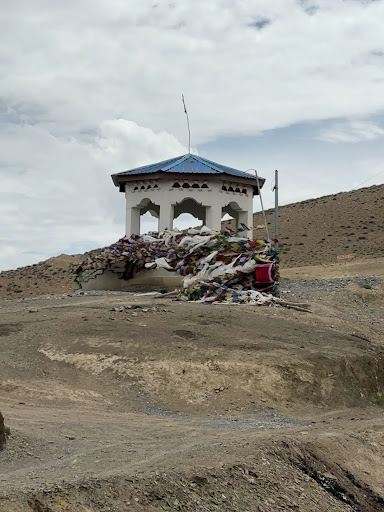
Kargil Gompa (also known as Kargil Monastery) is a prominent Buddhist monastery situated in the Kargil district of Jammu and Kashmir, India. Located in the Zanskar Valley, it holds great religious and cultural significance for the region’s Buddhist population. The monastery is known for its spiritual heritage and its stunning views of the surrounding mountainous terrain.

History of Kargil Gompa:

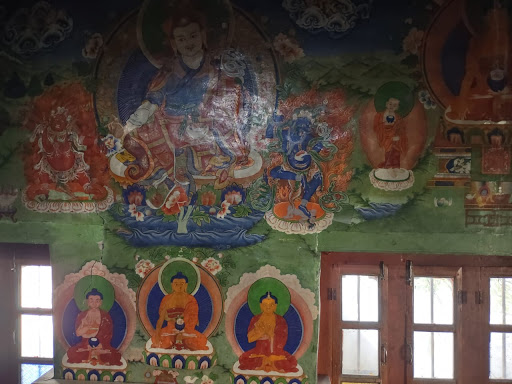
Foundation and Origins: The Kargil Gompa was established centuries ago, though the exact date of its founding is not well-documented. The monastery is believed to have been originally founded by Buddhist monks in the Zanskar region, an area known for its historical ties to Tibetan Buddhism. It is one of the key Buddhist monasteries in the Kargil district and is part of the larger tradition of Ladakhi Buddhism, which is a subset of Tibetan Buddhism. Significance: The Kargil Gompa is not only an important religious site but also a center of Buddhist education and spiritual practices in the region. It has served as a place for meditation, prayers, and monastic studies for monks and pilgrims alike. The gompa plays a key role in preserving and promoting the Buddhist way of life, especially in a region where Tibetan Buddhism has a long history and deep roots. Architecture and Layout: The monastery features traditional Tibetan Buddhist architecture, with whitewashed walls and wooden windows. The main prayer hall (also called a gompa) houses several Buddhist statues, including a large statue of Maitreya Buddha, the future Buddha. The walls are adorned with intricate thangka paintings and sacred murals depicting scenes from the life of Buddha and other important Buddhist figures. One of the notable features of the monastery is its serene location, situated on a hilltop overlooking the Kargil town. The setting provides a peaceful environment for meditation and worship, allowing monks and visitors to connect with nature and spirituality. Role in the Kargil Region: Kargil has a significant Buddhist population, and the Kargil Gompa has historically been an important part of the region’s religious life. The monastery is an important center for the Buddhist festivals, especially during events such as Losar (Tibetan New Year) and Tsechu (religious festivals), where mask dances and other rituals are performed by the monks to commemorate the teachings of Buddha and to ward off evil. Cultural Preservation: The monastery is a center of cultural preservation, where the Buddhist community in Kargil maintains its traditions, including religious ceremonies, festivals, and educational activities. The monks of Kargil Gompa continue to be involved in the study of Buddhist scriptures and philosophical teachings, ensuring the continuity of their religious heritage. Recent Developments: In recent years, the monastery has undergone some renovations and efforts have been made to preserve the heritage of the gompa, which faces challenges due to its remote location and harsh weather conditions. The region’s Buddhist culture and traditions are being actively preserved through the monastery’s activities.

Conclusion:

The Kargil Gompa stands as an important religious and cultural institution in the region, linking the people of Kargil to the broader tradition of Tibetan Buddhism. With its serene setting, rich history, and role as a center for spiritual practice and learning, the monastery remains a symbol of Buddhist heritage in the Kargil district and a significant site for those...

   Read more

avatar
4.0
3y

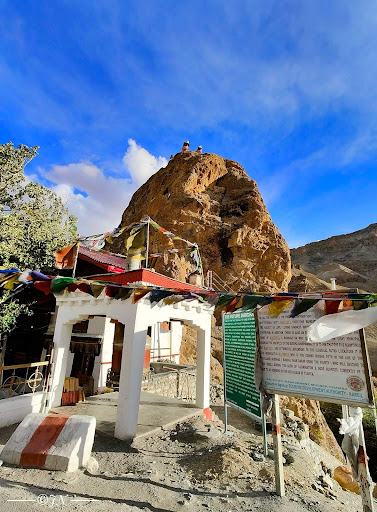
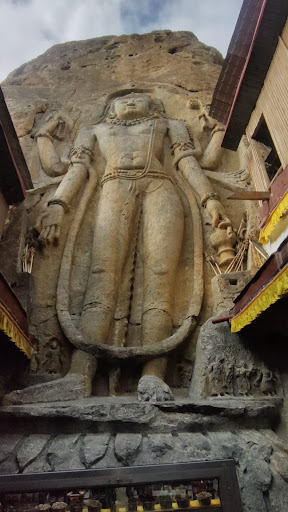
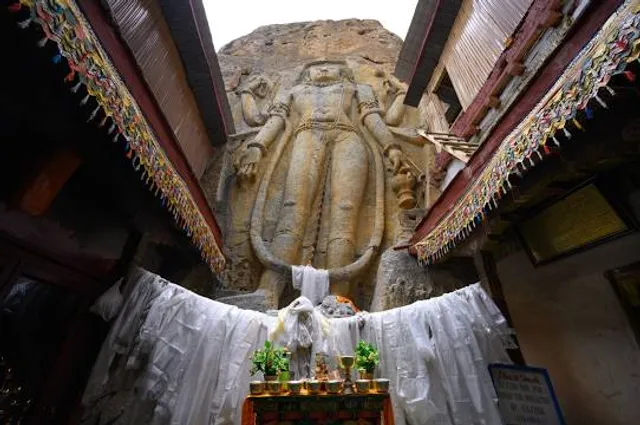
Mulbekh Monastery is on the right side of the shrinagar - leh highway and situated on a steep rock above the road, actually it consists of two different monasteries—one Drukpa or the Red Hat sect and another Gelugpa or the Yellow Hat sect. The Mulbekh Monastery is popular because of the 30 ft tall sculpture of Maitreya Buddha or Future Buddha carved on a limestone rock, above which the monasteries are built. The sculpture of the Future Buddha overlooks the National Highway 1D, which was once the old trade route. According to an information board besides the cliff, the sculpture was carved probably in the first century BC during the Kushan period. The Future Buddha is also known as Chamba and due to this reason the monastery is often called Mulbekh Chamba. There is a temple at the base of the limestone sculpture that houses many prized relics and frescoes. Right outside the temple and below the Chamba is a huge prayer wheel, whereas right opposite are eateries which are useful for...

   Read more
avatar
4.0
2y

Mulbekh Monastery or Mulbekh Gompa, at 11,495 ft from sea level and 656 ft uphill from road level, consists of 9 m (30 ft) tall Maitreya Buddha statue, 1400 CE kharosti language edicts on the hill, and two 800 years old gompas, Serdung gompa of Drukpa lineage and Rgaldan-se gompa of Gelugpa lineage of Buddhism, 40 km from Kargil on NH1 Kargil-Leh Highway in Kargil district of Ladakh in northern India. Monastery has large prayer wheels and view enroute the cliff monastery are stunning. Rgaldan-se Gompa, established by Tungba Lzawa who is also known as Agu Tungba, was renovated in 2016. Nyima Lhakhang temple was built around 800 years ago in the oldest section of the Mulbekh Monastery by the students of the great Tibetan scholar Lotsawa Rinchen Zangpo, it houses Lhakhang (sacred...

   Read more
Page 1 of 7
Previous
Next

Posts

khushal shuklekhushal shukle
Kargil Gompa (also known as Kargil Monastery) is a prominent Buddhist monastery situated in the Kargil district of Jammu and Kashmir, India. Located in the Zanskar Valley, it holds great religious and cultural significance for the region’s Buddhist population. The monastery is known for its spiritual heritage and its stunning views of the surrounding mountainous terrain. History of Kargil Gompa: 1. Foundation and Origins: The Kargil Gompa was established centuries ago, though the exact date of its founding is not well-documented. The monastery is believed to have been originally founded by Buddhist monks in the Zanskar region, an area known for its historical ties to Tibetan Buddhism. It is one of the key Buddhist monasteries in the Kargil district and is part of the larger tradition of Ladakhi Buddhism, which is a subset of Tibetan Buddhism. 2. Significance: The Kargil Gompa is not only an important religious site but also a center of Buddhist education and spiritual practices in the region. It has served as a place for meditation, prayers, and monastic studies for monks and pilgrims alike. The gompa plays a key role in preserving and promoting the Buddhist way of life, especially in a region where Tibetan Buddhism has a long history and deep roots. 3. Architecture and Layout: The monastery features traditional Tibetan Buddhist architecture, with whitewashed walls and wooden windows. The main prayer hall (also called a gompa) houses several Buddhist statues, including a large statue of Maitreya Buddha, the future Buddha. The walls are adorned with intricate thangka paintings and sacred murals depicting scenes from the life of Buddha and other important Buddhist figures. One of the notable features of the monastery is its serene location, situated on a hilltop overlooking the Kargil town. The setting provides a peaceful environment for meditation and worship, allowing monks and visitors to connect with nature and spirituality. 4. Role in the Kargil Region: Kargil has a significant Buddhist population, and the Kargil Gompa has historically been an important part of the region’s religious life. The monastery is an important center for the Buddhist festivals, especially during events such as Losar (Tibetan New Year) and Tsechu (religious festivals), where mask dances and other rituals are performed by the monks to commemorate the teachings of Buddha and to ward off evil. 5. Cultural Preservation: The monastery is a center of cultural preservation, where the Buddhist community in Kargil maintains its traditions, including religious ceremonies, festivals, and educational activities. The monks of Kargil Gompa continue to be involved in the study of Buddhist scriptures and philosophical teachings, ensuring the continuity of their religious heritage. 6. Recent Developments: In recent years, the monastery has undergone some renovations and efforts have been made to preserve the heritage of the gompa, which faces challenges due to its remote location and harsh weather conditions. The region’s Buddhist culture and traditions are being actively preserved through the monastery’s activities. Conclusion: The Kargil Gompa stands as an important religious and cultural institution in the region, linking the people of Kargil to the broader tradition of Tibetan Buddhism. With its serene setting, rich history, and role as a center for spiritual practice and learning, the monastery remains a symbol of Buddhist heritage in the Kargil district and a significant site for those visiting the region.
Narayan VedpathakNarayan Vedpathak
Mulbekh Monastery is on the right side of the shrinagar - leh highway and situated on a steep rock above the road, actually it consists of two different monasteries—one Drukpa or the Red Hat sect and another Gelugpa or the Yellow Hat sect. The Mulbekh Monastery is popular because of the 30 ft tall sculpture of Maitreya Buddha or Future Buddha carved on a limestone rock, above which the monasteries are built. The sculpture of the Future Buddha overlooks the National Highway 1D, which was once the old trade route. According to an information board besides the cliff, the sculpture was carved probably in the first century BC during the Kushan period. The Future Buddha is also known as Chamba and due to this reason the monastery is often called Mulbekh Chamba. There is a temple at the base of the limestone sculpture that houses many prized relics and frescoes. Right outside the temple and below the Chamba is a huge prayer wheel, whereas right opposite are eateries which are useful for having a tea .
J NJ N
Mulbekh Monastery or Mulbekh Gompa, at 11,495 ft from sea level and 656 ft uphill from road level, consists of 9 m (30 ft) tall Maitreya Buddha statue, 1400 CE kharosti language edicts on the hill, and two 800 years old gompas, Serdung gompa of Drukpa lineage and Rgaldan-se gompa of Gelugpa lineage of Buddhism, 40 km from Kargil on NH1 Kargil-Leh Highway in Kargil district of Ladakh in northern India. Monastery has large prayer wheels and view enroute the cliff monastery are stunning. Rgaldan-se Gompa, established by Tungba Lzawa who is also known as Agu Tungba, was renovated in 2016. Nyima Lhakhang temple was built around 800 years ago in the oldest section of the Mulbekh Monastery by the students of the great Tibetan scholar Lotsawa Rinchen Zangpo, it houses Lhakhang (sacred objects). Collected
See more posts
See more posts
hotel
Find your stay

Pet-friendly Hotels in Ladakh

Find a cozy hotel nearby and make it a full experience.

Kargil Gompa (also known as Kargil Monastery) is a prominent Buddhist monastery situated in the Kargil district of Jammu and Kashmir, India. Located in the Zanskar Valley, it holds great religious and cultural significance for the region’s Buddhist population. The monastery is known for its spiritual heritage and its stunning views of the surrounding mountainous terrain. History of Kargil Gompa: 1. Foundation and Origins: The Kargil Gompa was established centuries ago, though the exact date of its founding is not well-documented. The monastery is believed to have been originally founded by Buddhist monks in the Zanskar region, an area known for its historical ties to Tibetan Buddhism. It is one of the key Buddhist monasteries in the Kargil district and is part of the larger tradition of Ladakhi Buddhism, which is a subset of Tibetan Buddhism. 2. Significance: The Kargil Gompa is not only an important religious site but also a center of Buddhist education and spiritual practices in the region. It has served as a place for meditation, prayers, and monastic studies for monks and pilgrims alike. The gompa plays a key role in preserving and promoting the Buddhist way of life, especially in a region where Tibetan Buddhism has a long history and deep roots. 3. Architecture and Layout: The monastery features traditional Tibetan Buddhist architecture, with whitewashed walls and wooden windows. The main prayer hall (also called a gompa) houses several Buddhist statues, including a large statue of Maitreya Buddha, the future Buddha. The walls are adorned with intricate thangka paintings and sacred murals depicting scenes from the life of Buddha and other important Buddhist figures. One of the notable features of the monastery is its serene location, situated on a hilltop overlooking the Kargil town. The setting provides a peaceful environment for meditation and worship, allowing monks and visitors to connect with nature and spirituality. 4. Role in the Kargil Region: Kargil has a significant Buddhist population, and the Kargil Gompa has historically been an important part of the region’s religious life. The monastery is an important center for the Buddhist festivals, especially during events such as Losar (Tibetan New Year) and Tsechu (religious festivals), where mask dances and other rituals are performed by the monks to commemorate the teachings of Buddha and to ward off evil. 5. Cultural Preservation: The monastery is a center of cultural preservation, where the Buddhist community in Kargil maintains its traditions, including religious ceremonies, festivals, and educational activities. The monks of Kargil Gompa continue to be involved in the study of Buddhist scriptures and philosophical teachings, ensuring the continuity of their religious heritage. 6. Recent Developments: In recent years, the monastery has undergone some renovations and efforts have been made to preserve the heritage of the gompa, which faces challenges due to its remote location and harsh weather conditions. The region’s Buddhist culture and traditions are being actively preserved through the monastery’s activities. Conclusion: The Kargil Gompa stands as an important religious and cultural institution in the region, linking the people of Kargil to the broader tradition of Tibetan Buddhism. With its serene setting, rich history, and role as a center for spiritual practice and learning, the monastery remains a symbol of Buddhist heritage in the Kargil district and a significant site for those visiting the region.
khushal shukle

khushal shukle

hotel
Find your stay

Affordable Hotels in Ladakh

Find a cozy hotel nearby and make it a full experience.

Get the Appoverlay
Get the AppOne tap to find yournext favorite spots!
Mulbekh Monastery is on the right side of the shrinagar - leh highway and situated on a steep rock above the road, actually it consists of two different monasteries—one Drukpa or the Red Hat sect and another Gelugpa or the Yellow Hat sect. The Mulbekh Monastery is popular because of the 30 ft tall sculpture of Maitreya Buddha or Future Buddha carved on a limestone rock, above which the monasteries are built. The sculpture of the Future Buddha overlooks the National Highway 1D, which was once the old trade route. According to an information board besides the cliff, the sculpture was carved probably in the first century BC during the Kushan period. The Future Buddha is also known as Chamba and due to this reason the monastery is often called Mulbekh Chamba. There is a temple at the base of the limestone sculpture that houses many prized relics and frescoes. Right outside the temple and below the Chamba is a huge prayer wheel, whereas right opposite are eateries which are useful for having a tea .
Narayan Vedpathak

Narayan Vedpathak

hotel
Find your stay

The Coolest Hotels You Haven't Heard Of (Yet)

Find a cozy hotel nearby and make it a full experience.

hotel
Find your stay

Trending Stays Worth the Hype in Ladakh

Find a cozy hotel nearby and make it a full experience.

Mulbekh Monastery or Mulbekh Gompa, at 11,495 ft from sea level and 656 ft uphill from road level, consists of 9 m (30 ft) tall Maitreya Buddha statue, 1400 CE kharosti language edicts on the hill, and two 800 years old gompas, Serdung gompa of Drukpa lineage and Rgaldan-se gompa of Gelugpa lineage of Buddhism, 40 km from Kargil on NH1 Kargil-Leh Highway in Kargil district of Ladakh in northern India. Monastery has large prayer wheels and view enroute the cliff monastery are stunning. Rgaldan-se Gompa, established by Tungba Lzawa who is also known as Agu Tungba, was renovated in 2016. Nyima Lhakhang temple was built around 800 years ago in the oldest section of the Mulbekh Monastery by the students of the great Tibetan scholar Lotsawa Rinchen Zangpo, it houses Lhakhang (sacred objects). Collected
J N

J N

See more posts
See more posts