Around this time in the summer of 1999 Indian Defence Establishment was awakened to the presence of Pakistanis on the greater heights of the peaks in and around Kargil-Drass sector that had been used as infiltration points over the years by militants sponsored by the Pakistani establishment . In the summer of 1999 as the snows melted in the Drass sector of India-Pakistan border Indian forces were taken aback when they found several key peaks under Pakistani soldiers including the highest peak in the sector “Tiger Hill” . Indian artillery started shelling Tiger Hill to force the enemy to keep their head down, while 18 Grenadiers, 2 Naga, and 8 Sikh of the Indian Army got ready to attack Tiger Hill. 192 Mountain Brigade assumed command of the operations at Tiger Hill in late June, and received 18 Grenadiers, fresh from participating in the victory at Tololing. 18 Grenadiers picked up the assault, supported by the concentrated fire of twenty-two artillery batteries and 8 Sikh. In freezing rain on the night of 3 July, 18 Grenadiers launched an assault on the 16,700-foot (5,062 m) Tiger Top that began with a twelve-hour, vertical climb using fixed ropes. 18 Grenadiers achieved surprise and made initial gains, yet the assault stalled near the top under heavy resistance. Sensing the loss of initiative, Major Ravinder Singh of 8 Sikh launched a daring attack. He and a detachment of fifty-two soldiers climbed up the side of the adjoining Western Ridge, splitting the Pakistani defence on the night of 5 July. The group held off several counterattacks. Most of the Sikh soldiers attacked without cold weather gear, and many of the wounded died from exposure.
During those days soft drinks giant Pepsi had been running a popular campaign with cricketing stars of Indian cricket team due to the world cup that year and the tag line was “ Yeh Dil Mange More”. The soldiers who were given the task of recapturing this strategic hill had selected this as a code for the capture of its heights .When the group of soldiers under Capt .Vikram Batra reached point 5062 and unfurled the tricolour they victory cry was “ Yeh Dil Mange More”.
Batra used the codeword 'Yeh Dil Mange More' for announcing his victory from the hill. A picture showing his team with the flag of India on Tiger Hill won the hearts of many Indians.
Sadly the glee was short lived as the 24 year old Captain was shot down on descent when he was rescuing an injured soldier .He earned Paramveer Chakra for his valour and mesmerised young Indians like none other .
Following the outbreak of armed fighting, Pakistan sought American help in de-escalating the conflict. Bruce Riedel, who was then an aide to President Bill Clinton, reported that US intelligence had imaged Pakistani movements of nuclear weapons to forward deployments for fear of the Kargil hostilities escalating into a wider conflict. However, President Clinton refused to intervene until Pakistan had removed all forces from the Indian side of the Line of Control.Following the Washington accord of 4 July 1999, when Sharif agreed to withdraw Pakistani troops, most of the fighting came to a gradual halt, but some Pakistani forces remained in positions on the Indian side of the LOC. In addition, the United Jihad Council (an umbrella for extremist groups) rejected Pakistan's plan for a climb-down, instead deciding to fight on. This war was the first war that Indian public watched from their own houses on Television and one anchor Barkha Dutt of NDTV became legendary with her frontline despatches from Drass Kargil .For once the body bags coming back from the front caused furore in the far flung regions of the nation from the places from where these war martyrs came from .It invariably built in the three months of operations a great hatred for the enemy called Pakistan serving the interests of the political establishment of the day.
The Indian army launched its final attacks in the last week of July; as soon as the Drass sub-sector had been cleared of Pakistani forces, the fighting...
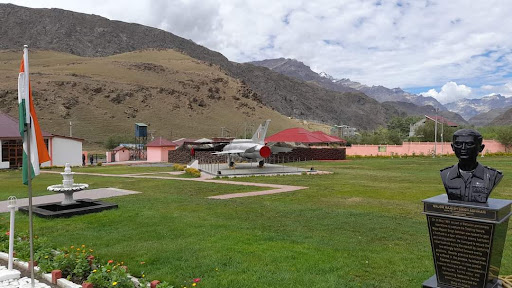
Read moreI visited the Kargil War Memorial on July 12, 2024. Located in Dras, Ladakh, this memorial is dedicated to honoring the brave soldiers who fought in the Kargil War of 1999. Nestled in a serene and rugged landscape, it offers a poignant and reflective experience for visitors.
Historical Importance: The Kargil War Memorial stands as a testament to the valor and sacrifice of Indian soldiers who fought to reclaim territory during the Kargil conflict. It commemorates the bravery of those who lost their lives and those who contributed to the victory. The memorial is a vital place for understanding the historical context and the intense nature of the conflict.
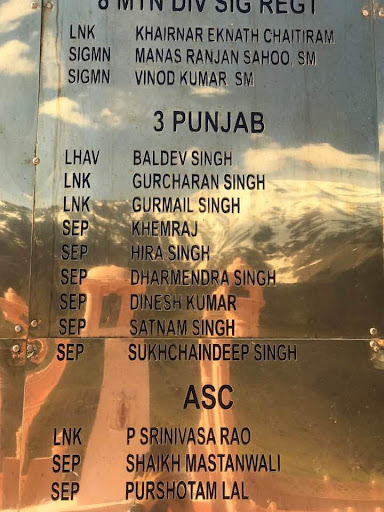
Memorial Features: The memorial is well-maintained and features a variety of exhibits, including plaques, photographs, and detailed accounts of the battles. The central feature is the "Wall of Honor," which displays the names of soldiers who made the ultimate sacrifice. The memorial also includes a museum with artifacts and displays related to the war.
Scenic Location: The Kargil War Memorial is situated in the picturesque town of Dras, often referred to as the "Gateway to Ladakh." The surrounding mountainous landscape provides a dramatic backdrop, adding to the solemn and respectful atmosphere of the memorial. The views of the peaks, including Tiger Hill, are both stunning and sobering, highlighting the challenging terrain that soldiers had to navigate.
Visitor Experience: As soon as you enter the memorial through the gate, you are greeted by a large flag, which evokes a strong sense of patriotism and national pride. Entry to the memorial requires showing an ID card at the gate. Inside, visitors are allowed only on the designated footpaths and tracks; leaving these areas is not permitted. A soldier at the entrance provides information about these guidelines before allowing entry. The entry to the memorial is free of cost.
I request everyone to visit the memorial with the intent of understanding and respecting its significance, rather than just taking photographs. Take the time to appreciate the reasons behind the memorial and the sacrifices it commemorates. The site encourages reflection on the sacrifices made by soldiers and offers insights into the strategic and human aspects of the Kargil War. Guides and informational plaques provide valuable context, enhancing the educational aspect of the visit.
Dress Code: When visiting the Kargil War Memorial, it's essential to adhere to a dress code. Shorts and sandals are not permitted. Visitors are required to wear full jeans or pants and closed shoes to show respect for the solemnity of the site.
Overall Experience: The Kargil War Memorial is a must-visit for anyone traveling through Ladakh, particularly those interested in military history or seeking to pay tribute to the soldiers who fought in the Kargil War. The combination of historical significance, emotional resonance, and the stunning natural setting makes it a memorable and...
Read moreAgainst the backdrop of Tololing Peak and the serene Dras Valley, one finds a poignant tribute to the brave souls who laid down their lives in the 1999 Kargil War between India and Pakistan.
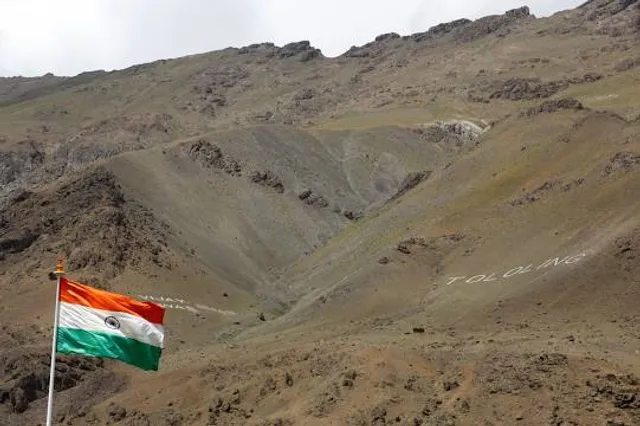
Welcome to the solemn sanctuary of the Kargil War Memorial, which was built with great care by the Indian Army. This beautiful memorial is in Dras, 60 km from Kargil.
To step onto the grounds of this memorial is to embark on a journey of reverence and reflection. Enclosed by rose-hued sandstone walls, the monument features a striking sculpture where soldiers stand tall, unfurling the tricolour flag in a symbol of unwavering patriotism. It is a vivid portrayal of their indomitable spirit and resounding victory. At the entrance, you will find a touching elegy written by Dr. Harivansh Rai Bachchan for the soldiers who laid down their lives during Operation Vijay - a mission to retake the territory on the Leh – Kargil Road when the Pakistan Army crossed the Line of Control (LoC). Upon entering, you will see a pink sandstone wall that bears the immortalised names of the martyrs.
When you wander amidst the rows of tombstones, the echoes of their sacrifice reverberate through your being. It’s a sight that stirs one’s heart, filling it with gratitude towards the Bravehearts. Every year on 26th July, Kargil Vijay Diwas is observed here in commemoration of the Kargil Victory.
A soldier's perspective
At the memorial, you will come across a museum offering a soldier's perspective of the war, bridging the gap between citizens and the challenges our armed forces faced. Here, the original letters and artefacts of the martyred soldiers will tug at your heartstrings. You will even find photographs, weapons, and equipment related to the Kargil War. This gallery was named after Captain Manoj Pandey, a young officer who was awarded India's highest military honour, the Param Vir Chakra, for his leadership during the war. You can also experience the war's narrative coming to life through a documentary showcased within the museum, offering profound insights into the harrowing events that unfolded during those tumultuous times.
The vantage point of the memorial also gives you the perfect spot to gaze upon the majestic Tiger Hill, one of the highest peaks in the world. When you depart, carry a piece of remembrance with you from the souvenir shop, where T-shirts, mugs, hats, and more serve as tokens of gratitude for the sacrifices made...
Read more