The Story of Munshi Aziz Bhat and the Kargil Sarai and the Museum
The name Kargil is famous now. Mainly because it is associated with a War that was given its name as it was fought in this area almost 20 years back and it was the country’s first televised War. But few would imagine that once upon a time it was a major trading Route on the Silk Route which connected Northern and Peninsular India with Central Asia and China.
Traders from all over the region and beyond converged upon Kargil. There were Punjabis, Kashmiris, Baltis, Yarkandis, Ladakhi, Tibetans, Afghans, Arghuns, Pathans, Kirghiz and all other ethnicities from the neighbouring Regions. The Dogra Rulers as well as the British promoted this Trade after the Dogras came into power and consolidated their Rule in the Region. They also improved and facilitated the creation of the Treaty Road which was a Trade Route all the way from Srinagar to Yarkand.
At the time that the trade was flourishing there was a certain Gentleman by the name of Munshi Aziz Bhat of Kargil who was the official petition writer for the Maharaja of Jammu and Kashmir for the Baltistan Wazarat. A Petition writer in those days was a powerful man, as if you had an issue that you wanted to bring to the higher authorities and the highest being the Maharaja, who had to approach the Petition writer to do it on your behalf. So the strength of your case basically lay on how the Petition writer presented it. As such Munshi Aziz Bhat was a very well respected man in Kargil.
Munshi Aziz Bhat was a trader also being on the Central Asian trade Route and owned a number of shops in Kargil and his trading company was called Munshi Aziz Bhat and Sons. He set up a Serai, the Kargil Serai in 1920 to offer boarding lodging and storage places to the Traders. Soon the Serai became a stopover place for all kinds of traders from all kinds of places in Kargil. The Kargil Serai also served as a kind of an unofficial Post Office which received a lot of mail especially from the Hoshiarpuri Punjabi traders. The Serai had in its front a couple of shops as well which the Traders could use to display their wares. The Serai was a busy one in the 1920s to about 1950 and it saw many traders come and go.
Janet Rizvi in her epic Trans-Himalayan Caravans, Merchant Princes and Peasant Traders in Ladakh (p 260) mentions “ …it would seem that for the transporters belonging to the villages downriver from Drass, Kargil (rather than Srinagar) was the centre to which they went in the first instance in search of work. The hub of this activity was Munshi Aziz Bhat’s sarai, which was a depot for goods going in all four directions...there was in particular plenty of coming and going between Kargil and Skardu…”
And then came the turmoil of 1947 when initially Kargil was occupied by invaders from the other side. And ofcourse with the Chinese occupation of Xinjiang and its move on Tibet the Trade Route was finally shut down by the Chinese in 1949. A once buzzing trade route and all its dependencies were suddenly shut. The Kargi Serai lost its guests as even the Hoshiarpuri merchants went away. The Serai fell into disrepair and meanwhile Munshi saab also passed away.
The Seari was however bethqued as family property to Aziz Saab’ descendents and so the three storied Serai remained for decades. A lonely relic in the Kar
Photos by...
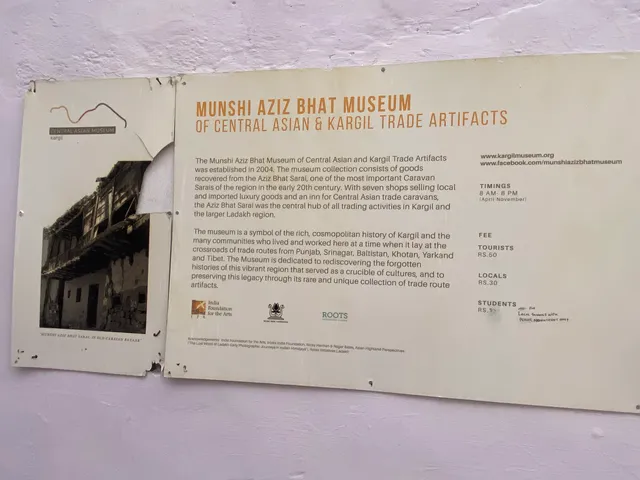
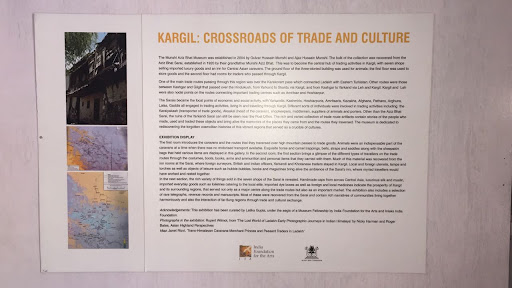
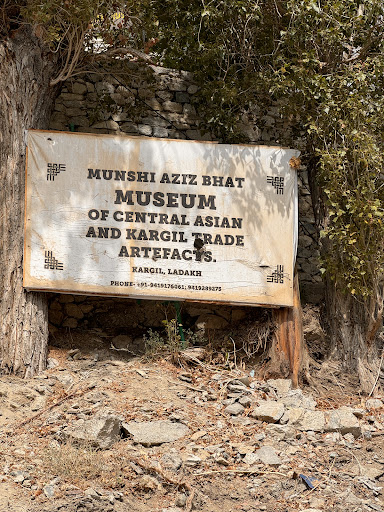
Read moreThe Munshi Aziz Bhat Museum of Central Asian & Kargil Trade Artifacts is a unique, family-run museum located in Kargil, in the Indian union territory of Ladakh. It was established in 2004 by the descendants of Munshi Aziz Bhat, a prominent silk route trader, to preserve and showcase the artifacts collected over the centuries during the height of trade along the famous Silk Route. The museum reflects the rich history of trade, culture, and interaction between Central Asia and the Indian subcontinent.
Key Features of the Museum:
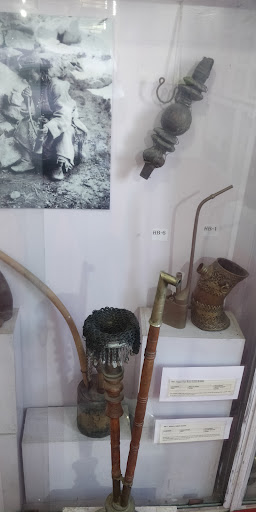
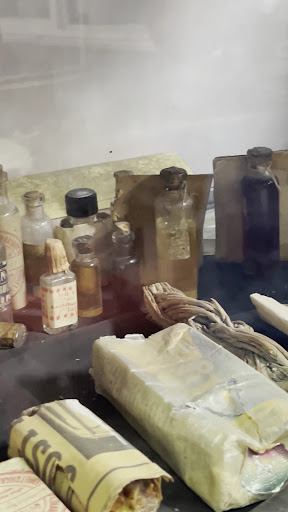
Artifacts Collection: The museum houses over 3,500 artifacts including coins, manuscripts, rugs, costumes, jewelry, utensils, and more, all connected to the history of trade along the Silk Route.
Exhibits on the Silk Route: The exhibits focus on the historic trade ties between Kargil and regions like Yarkand, Kashgar, Tibet, Baltistan, and others.
Cultural Significance: It reflects the rich cultural exchange that occurred in this region as a result of the trade, influencing language, cuisine, religion, and art.
The museum is a great resource for anyone interested in the history of Kargil’s role in global trade, particularly its connections with Central Asia, as well as the history of Ladakh and its...
Read moreTo explore Kargil trade was done previous era. Munshi Aziz Bhat Museum in Kargil is a tribute to the legacy of Munshi Aziz Bhat, a renowned trader who contributed significantly to the region's cultural and historical heritage. The museum showcases various artifacts, photographs, and documents that provide insights into the history, culture, and trade practices of Kargil and the surrounding areas. Visitors can learn about the region's ancient trade routes, traditional handicrafts, and the way of life of the local people. The museum offers a valuable opportunity to delve into the history and heritage of Kargil and gain a deeper understanding of...
Read more