Pangong Tso: A Comprehensive Overview
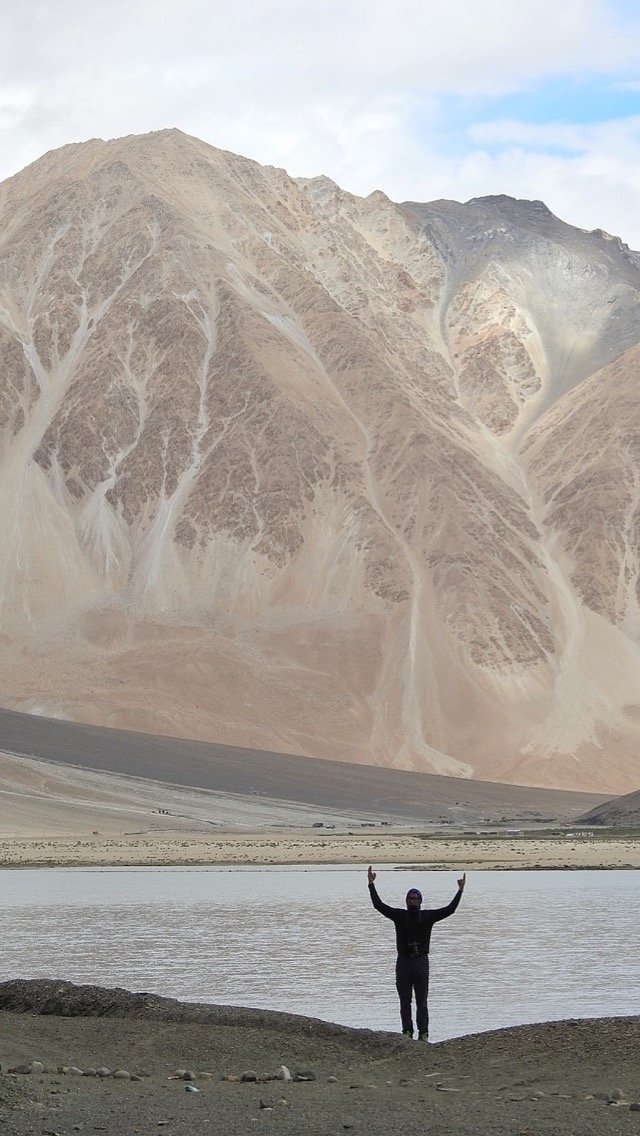
Geography and Physical Features Pangong Tso, a trans-border lake spanning 160 km in length, is situated in the Changthang region of Ladakh at an altitude of 4,350 meters (14,270 ft). It is one of the world's highest brackish water lakes, with one-third of its area in India (Ladakh) and the remaining two-thirds in Tibet (China). The lake's unique endorheic nature (no outflow) contributes to its salinity, though the eastern part has freshwater due to glacial inflows. Notably, it changes colors throughout the day, appearing in shades of blue, green, and red, a phenomenon attributed to light refraction and mineral content. During winter, the lake freezes completely, enabling activities like ice skating festivals.
Geopolitical Significance The Line of Actual Control (LAC) passes through Pangong Tso, making it a contentious zone between India and China. India claims territory up to Finger 8, while China asserts control up to Finger 2, leading to frequent military standoffs, such as the 2020 clash. Both nations patrol the lake with specialized boats; India deploys steel-hull vessels to counter Chinese aggression. The lake's strategic importance has also led to restricted tourist access, with visitors permitted only up to Spangmik village on the Indian side.
Tourism and Activities Best Time to Visit: May to September, when roads are accessible and temperatures are milder. Key Attractions: Camping: Lakeside camps near Spangmik offer overnight stays with bonfires and stargazing opportunities. Photography: Dawn and dusk provide stunning views of color-shifting waters against barren mountains. Birdwatching: Migratory birds like black-necked cranes and Brahmani ducks frequent the lake in summer. Routes: Accessible via Leh (223 km) through Chang La Pass (5,360 m, one of the world’s highest motorable passes) or from Nubra Valley (275 km).
Flora and Fauna The lake's saline water supports minimal aquatic life, with only crustaceans found on the Indian side. Marshes around the lake host scrub vegetation and perennial herbs. The Tibetan side, however, has richer biodiversity, including ducks and gulls. The region is also a breeding ground for migratory birds and home to wildlife like the Ladakhi marmot and kiang (Tibetan wild ass).
Cultural and Cinematic Impact Pangong Tso gained fame through Bollywood films like 3 Idiots (2009) and Dil Se (1998). Its surreal landscapes have made it a symbol of untouched beauty, attracting filmmakers and travelers alike. Nearby villages like Spangmik and Tangtse offer cultural insights into Changpa nomads and ancient monasteries like Chemrey and Hemis.
Travel Tips Permits: Indian nationals require photo ID & (ILP) Inner line Permit, foreigners need passport & a Protected Area Permit (PAP). Health: Acclimatize to avoid altitude sickness; carry warm clothing and medical supplies. If you are suffering due to respiratory problem like as Asthma etc then must need mini oxygen can ( you may use oxy99 from any online platform, also you need good quality sunscreen above 50+ SPF to protect your skin from sunburn due to heavy UV. Transport: SUVs are recommended due to rugged terrain. Winter Visits: Possible but challenging, with temperatures plummeting below freezing.
Pangong Tso’s blend of natural splendor, geopolitical intrigue, and cultural richness makes it a must-visit destination, albeit one requiring careful planning. For further details, refer to the...
Read morePangong Tso, the jewel of the Himalayas, is a destination that truly tests the spirit of adventure. Our journey to this ethereal lake, after visiting numerous monasteries in the enchanting Ladakh region, was nothing short of an epic tale.
Our adventure began early in the morning, as we set out by car from Leh, Ladakh's vibrant hub. The first challenge was obtaining the necessary permits, a crucial step for traveling to this restricted border region. After securing our permits, we embarked on a journey that would soon reveal the true essence of Pangong Tso.
As we ascended into the Himalayan heights, the landscape became more dramatic, and the air thinner. It wasn't long before the high altitude began to take its toll. The head-spinning, nauseating effects of altitude sickness descended upon us, casting a shadow of doubt over our adventure.
Just when it seemed the altitude would triumph over our determination, fate threw another curveball our way. In the middle of nowhere, on a desolate mountain road, our car suffered a puncture. Our driver's efforts to change the tire were in vain, and we found ourselves stranded, feeling helpless in the thin air.
In a moment of sheer luck and humanity, we were rescued by the kind souls of the Indian Army. Their support and camaraderie were nothing short of a blessing. With their assistance, our car was rescued from its perilous position, and we were back on our way.
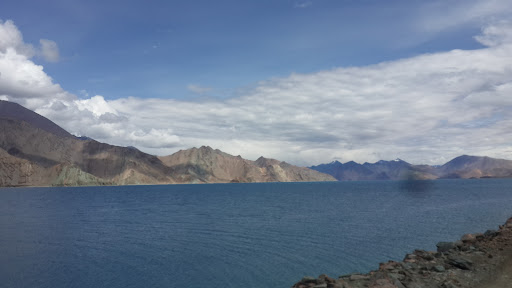
As we continued our journey to Pangong Tso, the breathtaking beauty of the landscape reinvigorated our spirits. The vivid blue skies seemed endless, and the crystal-clear waters of the lake stretched before us like a mirror reflecting the heavens. The stark mountains standing sentinel around the lake added an air of mystery and majesty to the scene.
Despite our earlier challenges, when we finally arrived at Pangong Tso, exhaustion weighed heavily upon us. The relentless altitude sickness had taken its toll, and we knew we had to check out the very next day. However, the beauty of the lake was so captivating that it momentarily eclipsed our fatigue. The lake's serenity and the surreal play of light on its surface left an indelible mark on our souls.
In conclusion, our journey to Pangong Tso was an odyssey of challenges, camaraderie, and natural beauty. It showcased the relentless spirit of adventure that drives travelers to explore the Himalayan region. Despite the adversities faced, Pangong Tso's enchanting allure, with its pristine waters and azure skies, made every hardship worthwhile. This experience affirmed that sometimes the journey is as remarkable as the destination itself, and Pangong Tso remains a jewel in the crown of...
Read morePangong Tso: The Jewel of the Himalayas
Overview
Pangong Tso, also known as Pangong Lake, is a breathtaking high-altitude lake located in the Himalayas, stretching across eastern Ladakh in India and into Tibet. The lake's name translates to "High Grassland Lake" in Tibetan, and it sits at an elevation of about 4,350 meters (14,270 feet).
Key Features:
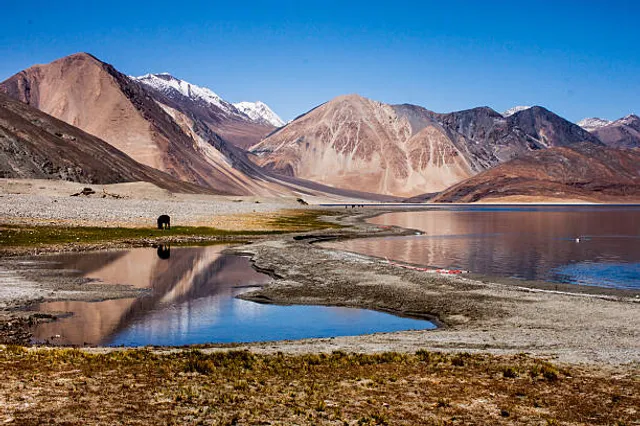
Breathtaking Beauty: Pangong Tso is renowned for its crystal-clear blue waters, which change shades from azure to green to grey depending on the time of day and weather conditions. Geographical Significance: The lake is approximately 134 kilometers long and 5 kilometers wide at its broadest point, with about 60% of its length lying in Tibet. Despite its saline water, Pangong Tso freezes completely during the winter. Ecological Haven: The lake supports a variety of wildlife, including migratory birds like the bar-headed goose and the Brahminy duck. It is also home to several species of fish. Cultural Importance: Pangong Tso holds spiritual significance for the local people, and its pristine environment offers a serene and contemplative experience for visitors.
Accessibility:
Pangong Tso is about 225 kilometers from Leh, the capital of Ladakh. The journey to the lake involves a scenic drive over the Chang La pass, one of the highest motorable roads in the world. The route offers spectacular views of snow-capped peaks, picturesque valleys, and traditional Ladakhi villages.
Visitor Experience:
Visitors to Pangong Tso can enjoy:
Scenic Views: The lake's mesmerizing beauty makes it a popular spot for photography and meditation. Adventure Activities: Activities like camping, bird watching, and nature walks allow visitors to immerse themselves in the natural splendor of the area. Film Connection: Pangong Tso gained worldwide fame after being featured in the Bollywood movie "3 Idiots," making it a must-visit destination for film enthusiasts.
Travel Tips:
Permits: Visitors require an Inner Line Permit to visit Pangong Tso, which can be obtained from Leh. Weather Considerations: The region experiences extreme weather conditions, with cold temperatures even during summer nights. It's advisable to carry warm clothing and be prepared for sudden weather changes. Environmental Responsibility: As a fragile ecosystem, visitors are encouraged to follow eco-friendly practices, ensuring that the lake remains pristine for future generations.
Pangong Tso's unique combination of serene beauty, cultural richness, and ecological significance makes it one of the most enchanting destinations in...
Read more