Lamayuru Monastery: The Moonland Monastery of Ladakh
Overview
Lamayuru Monastery, often referred to as Yuru Gompa, is one of the oldest and most significant monasteries in Ladakh, India. Located at an altitude of 3,510 meters (11,520 feet), it is nestled in the surreal, moon-like landscapes of Lamayuru, about 125 kilometers west of Leh. The monastery belongs to the Drikung Kagyu school of Tibetan Buddhism and is renowned for its ancient heritage, striking architecture, and spiritual significance.
Key Features:
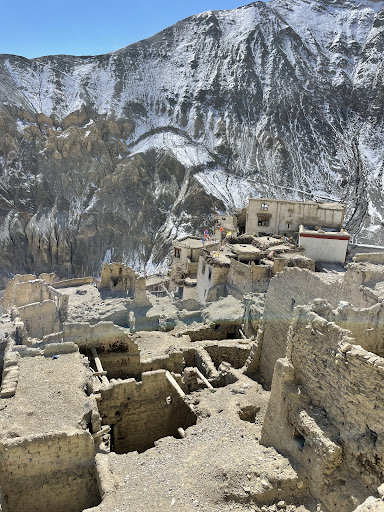
Historical Significance: Founded in the 11th century by Mahasiddha Naropa, Lamayuru Monastery has a rich history. It originally began as a Bon monastery before being converted to a Buddhist one.
Architectural Splendor: The monastery complex is a stunning example of traditional Tibetan architecture, with whitewashed buildings, ornate prayer halls, and intricate murals. The main assembly hall, known as Dukhang, houses statues of Buddha, Bodhisattvas, and ancient thangkas.
Spiritual Center: Lamayuru is home to around 150 monks and serves as an important center for Buddhist learning and practice. It also hosts an annual festival known as Yuru Kabgyat, featuring masked dances and religious rituals.
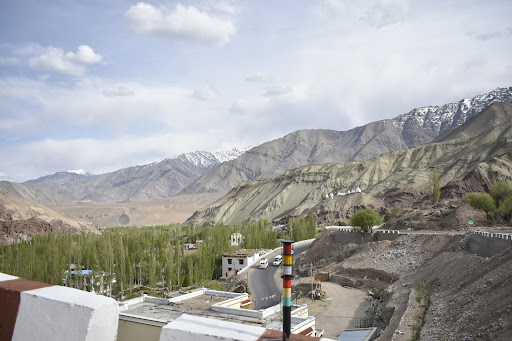
Moonland Terrain: The area around Lamayuru is often called "Moonland" due to its unique, otherworldly landscapes, which resemble the surface of the moon. This geological formation adds to the mystique and allure of the monastery.
Location and Accessibility:
Lamayuru Monastery is situated on the Srinagar-Leh highway (NH1), making it accessible by road from Leh and Kargil. The journey from Leh takes about 3-4 hours by car, offering scenic views of the rugged Ladakhi landscape along the way.
Visitor Experience:
Historical Exploration: Visitors can explore the ancient halls and chapels of the monastery, admiring the centuries-old murals, statues, and scriptures. The serene environment provides a sense of peace and contemplation.
Festive Celebrations: Attending the Yuru Kabgyat festival, usually held in June or July, allows visitors to witness traditional Cham dances, performed by monks wearing colorful masks and costumes. The festival symbolizes the triumph of good over evil and is accompanied by various rituals.
Scenic Beauty: The unique "Moonland" terrain surrounding the monastery offers excellent opportunities for photography and exploration. The dramatic landscapes are particularly captivating at sunrise and sunset.
Monastic Life: Observing the daily routines of the monks, including prayer sessions and teachings, gives visitors a glimpse into the monastic life and the spiritual practices of Tibetan Buddhism.
Nearby Attractions: Lamayuru's location on the Srinagar-Leh highway makes it a convenient stop for travelers exploring other nearby attractions, such as Alchi Monastery, the Indus Valley, and the picturesque villages of Ladakh.
Travel Tips:
Best Time to Visit: The best time to visit Lamayuru Monastery is from May to September when the weather is pleasant and the roads are open. The Yuru Kabgyat festival is also a highlight during this period.
Accommodation: Basic guesthouses and homestays are available in Lamayuru village, offering a comfortable stay with local hospitality. Alternatively, visitors can stay in Leh and make a day trip to the monastery.
Preparation: Due to the high altitude, it’s important to acclimatize properly to avoid altitude sickness. Carrying warm clothing, as temperatures can drop significantly, is advisable.
Permits: Indian citizens do not need special permits to visit Lamayuru. However, foreign tourists should check for any travel regulations or permit requirements when planning their visit.
Lamayuru Monastery, with its ancient heritage, spiritual ambiance, and unique landscapes, offers a profound and enriching experience for travelers exploring the cultural and natural...
Read more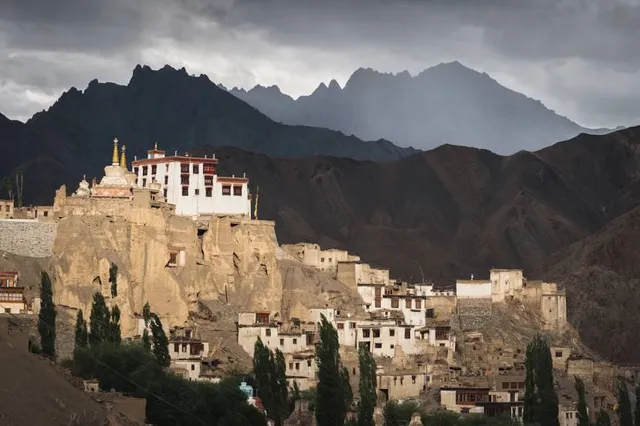
 Learn more insights from Wanderboat AI.