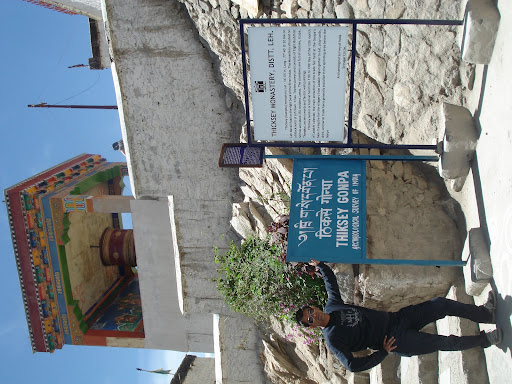
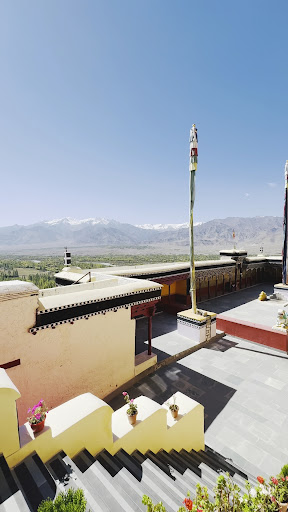
Thiksey Monastery, often referred to as the "Mini Potala," is one of the largest and most architecturally impressive Buddhist monasteries in Ladakh, India. Located about 20 kilometers from Leh, it sits perched on a hilltop at an altitude of approximately 3,600 meters, offering breathtaking views of the Indus Valley and surrounding Himalayan mountains. The monastery is an important center of the Gelugpa or "Yellow Hat" sect of Tibetan Buddhism and serves as a key spiritual, cultural, and social hub in the region.
The history of Thiksey Monastery dates back to the early 15th century. It was founded around 1430 AD by Paldan Sherab, a disciple of Je Tsongkhapa, the founder of the Gelugpa sect. The monastery’s origins can be traced to a smaller establishment in a village called Stakmo, north of the Indus Valley. Later, the monastic center was relocated to its current hilltop location at Thiksey, following divine signs and spiritual guidance. Over the centuries, Thiksey grew both in size and significance, becoming the largest monastery in central Ladakh second only to Hemis Monastery. It has historically overseen several other monasteries in the region, including those at Diskit, Spituk, Likir, and Stok.
Architecturally, Thiksey Monastery is a stunning 12-story complex that strongly resembles the Potala Palace of Lhasa, Tibet—the former residence of the Dalai Lama. This resemblance has earned it the nickname “Mini Potala.” The monastery’s buildings are arranged in ascending order of importance, beginning with the living quarters for monks at the lower levels and culminating with the main prayer halls and temples at the top. The complex includes around 10 temples, an assembly hall, monks’ quarters, kitchens, and a nunnery.
Inside, the monastery boasts an impressive collection of Buddhist art, including intricately painted thangkas (Buddhist scroll paintings), statues, stupas, wall murals, and ancient scriptures. The most iconic feature is the 15-meter (49 feet) tall statue of Maitreya Buddha (the future Buddha), which covers two floors of the monastery's main hall. This grand statue was built in 1970, after a visit by the 14th Dalai Lama, and has since become a central attraction in the monastery.
The monastery is not only a place of worship but also a vibrant center for learning and cultural preservation. About 60 monks live here, continuing centuries-old religious practices, rituals, and festivals. The complex also holds a vast library of precious Buddhist manuscripts.
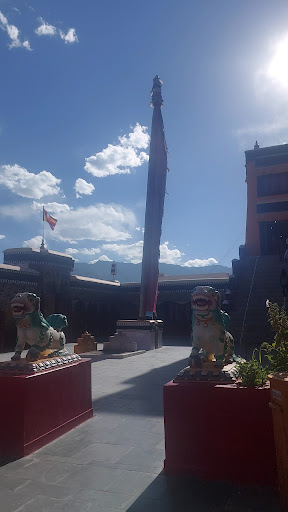
Thiksey Monastery's location on a hill offers panoramic views of the sprawling Indus Valley, the royal palace of Stok to the south, the monastery at Matho to the east, and the former royal palace at Shey to the west. From the entrance, visitors are greeted by a large statue of a Tibetan protective deity, setting a spiritual tone for the visit and emphasizing the monastery's role in safeguarding the religious heritage of the region.
Today, Thiksey Monastery is a popular tourist attraction as well as a pilgrimage site. Visitors can attend the morning prayer rituals, which include the playing of traditional Tibetan instruments and chanting. Many travelers are drawn by the monastery’s peaceful atmosphere, stunning art, and cultural richness, as well as the incredible views that allow a glimpse into the deep spiritual and cultural...
Read moreThiksey Monastery, perched on a hilltop in the mesmerizing landscapes of Ladakh, is not just a monastery; it's a symphony of spiritual grandeur and architectural marvel. Here's a detailed reflection on our enchanting visit to this Ladakhi gem:
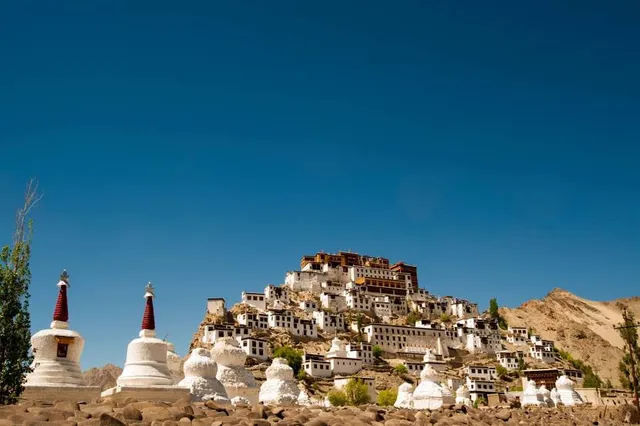
Architectural Splendor: Thiksey Monastery, with its tiered structure reminiscent of the Potala Palace, is a testament to Ladakh's architectural prowess. The white-washed walls, golden spires, and intricate artwork create a visual spectacle against the backdrop of the Himalayan expanse.
Sacred Serenity: Entering Thiksey Monastery is stepping into a realm of sacred serenity. The fragrance of burning juniper, the resonance of Buddhist chants, and the meditative ambiance foster an environment where tranquility reigns supreme.
Maitreya Temple and the Giant Buddha: The Maitreya Temple within Thiksey Monastery houses a colossal statue of Maitreya, the future Buddha. The sheer magnitude of the statue, reaching multiple stories, is awe-inspiring. The ornate details and the meditative gaze of the Buddha add to the spiritual resonance of the temple.
Monastic Life in Motion: Witnessing the daily rituals and monastic life at Thiksey is a privilege. The disciplined routines of monks, their devotion to prayer, and the vibrant energy during ceremonies offer a glimpse into the living spirituality that permeates the monastery.
Panoramic Views: Situated on a hillock, Thiksey Monastery offers panoramic views of the Indus Valley. The sight of the surrounding mountains and the confluence of nature's elements adds a layer of beauty to the spiritual experience.
Frescoes and Thangkas: The walls of Thiksey Monastery are adorned with vibrant frescoes and intricate thangkas. Each artwork narrates stories of Buddhist philosophy, local folklore, and historical events. The colors and details reflect the dedication of Ladakhi artists to preserving their cultural heritage.
Educational Initiatives: Thiksey Monastery is not just a spiritual center; it is also involved in educational initiatives. The monastery runs a school that imparts traditional education along with modern subjects, contributing to the holistic development of the younger generation.
Cultural Festivals and Events: Attending cultural festivals at Thiksey Monastery is a transformative experience. The vibrant Hemis Festival, celebrated with masked dances and religious rituals, brings the monastery to life, attracting pilgrims and enthusiasts from far and wide.
Visitor Accessibility: The monastery is easily accessible from Leh, making it a convenient yet profoundly enriching day trip. Guided tours, available on-site, provide valuable insights into the monastery's history, rituals, and cultural significance.
Thiksey Monastery is a majestic beacon that illuminates the spiritual landscape of Ladakh. Its architectural splendor, spiritual resonance, and cultural richness make it a must-visit destination for those seeking a profound connection with Ladakhi heritage. Highly recommended for spiritual seekers, art enthusiasts, and anyone yearning to explore the timeless beauty of Ladakh's spiritual...
Read moreThiksey Monastery, also spelled as Thiksay or Thikse, is a prominent Buddhist monastery located in the Ladakh region of India. Situated approximately 19 kilometers east of Leh, the capital of Ladakh, Thiksey Monastery is one of the largest and most architecturally impressive monastic complexes in the region. Here are some key aspects of Thiksey Monastery:
Historical Significance: Thiksey Monastery has a rich history that dates back to the 15th century. It was founded under the Gelugpa school of Tibetan Buddhism and is affiliated with the larger Hemis Monastery. The monastery has served as a center for religious and cultural activities in Ladakh for centuries.
Architectural Marvel: The monastery is renowned for its stunning architecture, which resembles the famous Potala Palace in Lhasa, Tibet. Perched on a hill, it comprises multiple white buildings with golden roofs, stupas, and intricately decorated facades. The main temple, known as the Maitreya Temple, houses a magnificent statue of the future Buddha, which stands at around 49 feet in height.
Religious Practices: Thiksey Monastery is home to a vibrant community of monks who follow the rigorous discipline of Tibetan Buddhism. Visitors can witness daily rituals, prayers, and traditional ceremonies, which provide a glimpse into the spiritual life of the monks. The annual Gustor Festival, featuring mask dances and rituals, is a major attraction for both locals and tourists.
Panoramic Views: The monastery offers breathtaking panoramic views of the surrounding landscape, including the Indus Valley and the distant Himalayan peaks. It is an ideal spot for photographers and those seeking tranquility amidst the serene Ladakhi landscape.
Library and Museum: Thiksey Monastery also houses a valuable collection of Buddhist scriptures, thangkas (traditional painted scrolls), and artifacts in its library and museum. These artifacts offer insights into the region's cultural and religious heritage.Visitors' Experience: Visitors to Thiksey Monastery can explore its various temples, chapels, and courtyards.
It is advisable to respect the rules and traditions of the monastery, such as removing shoes before entering temple premises and refraining from loud noises during prayer times.
Accessibility: The monastery is easily accessible from Leh by road. It is a popular stop on the Ladakh tourist circuit, often combined with visits to nearby monasteries like Hemis and Shey.
Thiksey Monastery stands as a testament to the enduring spiritual and cultural heritage of Ladakh. Its striking architecture, religious practices, and scenic location make it a must-visit destination for travelers interested in exploring the unique culture of the region and experiencing the beauty of the Himalayas.
No Wheelchair...
Read more