HTML SitemapExplore
logo
Find Things to DoFind The Best Restaurants

Bhimbetka rock shelters — Attraction in Madhya Pradesh

Name
Bhimbetka rock shelters
Description
The Bhimbetka rock shelters are an archaeological site in central India that spans the Paleolithic and Mesolithic periods, as well as the historic period. It exhibits the earliest traces of human life in India and evidence of the Stone Age starting at the site in Acheulian times.
Nearby attractions
Nearby restaurants
Nearby hotels
Related posts
Keywords
Bhimbetka rock shelters tourism.Bhimbetka rock shelters hotels.Bhimbetka rock shelters bed and breakfast. flights to Bhimbetka rock shelters.Bhimbetka rock shelters attractions.Bhimbetka rock shelters restaurants.Bhimbetka rock shelters travel.Bhimbetka rock shelters travel guide.Bhimbetka rock shelters travel blog.Bhimbetka rock shelters pictures.Bhimbetka rock shelters photos.Bhimbetka rock shelters travel tips.Bhimbetka rock shelters maps.Bhimbetka rock shelters things to do.
Bhimbetka rock shelters things to do, attractions, restaurants, events info and trip planning
Bhimbetka rock shelters
IndiaMadhya PradeshBhimbetka rock shelters

Basic Info

Bhimbetka rock shelters

Madhya Pradesh 464993, India
4.6(3.6K)
Open 24 hours
Save
spot

Ratings & Description

Info

The Bhimbetka rock shelters are an archaeological site in central India that spans the Paleolithic and Mesolithic periods, as well as the historic period. It exhibits the earliest traces of human life in India and evidence of the Stone Age starting at the site in Acheulian times.

Cultural
Outdoor
Family friendly
attractions: , restaurants:
logoLearn more insights from Wanderboat AI.
Website
asi.nic.in

Plan your stay

hotel
Pet-friendly Hotels in Madhya Pradesh
Find a cozy hotel nearby and make it a full experience.
hotel
Affordable Hotels in Madhya Pradesh
Find a cozy hotel nearby and make it a full experience.
hotel
The Coolest Hotels You Haven't Heard Of (Yet)
Find a cozy hotel nearby and make it a full experience.
hotel
Trending Stays Worth the Hype in Madhya Pradesh
Find a cozy hotel nearby and make it a full experience.

Reviews

Get the Appoverlay
Get the AppOne tap to find yournext favorite spots!
Wanderboat LogoWanderboat

Your everyday Al companion for getaway ideas

CompanyAbout Us
InformationAI Trip PlannerSitemap
SocialXInstagramTiktokLinkedin
LegalTerms of ServicePrivacy Policy

Get the app

© 2025 Wanderboat. All rights reserved.
logo

Reviews of Bhimbetka rock shelters

4.6
(3,644)
avatar
5.0
42w

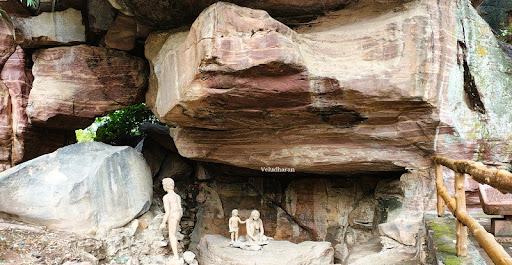
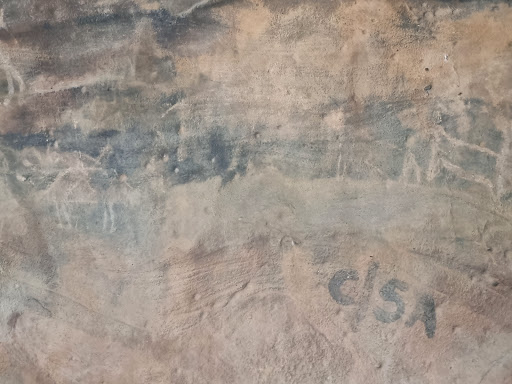
Painted Rock Shelter of Bhimbetka. The rock-shelters of Bhimbetka inscribed as world heritage by UNESCO, are located about 45 km. north-east of Bhopal, the state capital of Madhya Pradesh. Situated along the Bhopal- Hoshangabad highway, these shelters bear proximity to the Bhiyapura village in Raisen district. The fringes of the ancient Vindhyachal ranges are home to the extraordinary rock shelters and paintings, its awesome rocks are fortifying the ancient treasure within. Situated amidst lush greenery of dense forests, rocky terrain and craggy cliffs, the rock shelters of Bhimbetka present a breathtaking view extended to Obaidullaganj, a small town in the vicinity of Bhimbetka. Rock shelters and paintings at Bhimbetka were discovered in 957-58, by Dr. Vishnu Shridhar Wakankar. Out of the 750 rock shelters 500 are adorned with paintings. The site remained a centre of human activity right from lower Paleolithic times up to Medieval period. The subject of paintings include linear depiction of human figures, hunting, riding, communal dances, warfare, and other scenes, depicting details of the day to day activities of the ancient man. The mineral colours used for painting are green, red, ochre and white. The cupmarks made on the rock surface at Bhimbetka has been dated to 100000 BP. This pushes back the date of the cognitive development of man at Bhimbetka, to many thousand years earlier than that of similar sites in various parts of the world making it one of the earliest cradles of cognitive human evolution. Other antiquarian remains include: fortification walls, minor stupas, stone built houses, inscription of Sunga-Gupta period, Shankh inscription and evidence of temples of Parmara period. These rock shelters and paintings are under central protection of Archaeological Survey of India, Bhopal Circle vide, Gazette notification no. S.o. 2140, Published on 11 August 1990. There are 15 rock shelters occupied by the early man, and life depicted in paintings. The habitation deposit emerge the cultural sequence from Lower Palaeolithic to Mesolithic, the trenches of shelter 1 and 3. Rock Shelter 3 has some cupules made on the huge rock on the western end, considered by some scholars as the man's earliest manifestation of creativity, probably associated with one lakh year before. An elaborately painted shelter 4 known as zoo rock, comprises 252 animals of 16 different species. From here walking towards north one can enjoy the watershed of Betwa River and natural ambience. Noticing many painted rock shelters can be reached at the rock shelter 15. Here, an amazing scene of a giant mythical animal chasing a human, painted with Red ocher colour, can be seen on the upper surface of the rock shelter. We can experience here natural geological formations, various shaped rocks and other painted rock shelters with their natural environment including flora and fauna. Watching all these, we have to walk 1400 meter. Rock Shelter No. 1 This shelter has been given the No. III F-23 by the discoverer of this site, Shri V S Wakankar. Total height of this shelter is 20 meters from present ground level and is precariously balances on a narrow base. An excavation conducted for four continuous seasons from 1973 to 1976 brought to light the sequence of human occupation from late Acheulian (1.5 million years) to the end of Mesolithic period (10,000 BP). Tools like hand-axe, cleavers etc. have been found from the lower level. Only a few paintings belonging to the historical period have been found in this shelter. On the ceiling, paintings of two elephants are depicted. The smaller elephant is driven by a man holding goad in one hand and a spear in the other having a sword on Rock Shelter No. 2 This shelter is approximately five meters high. The paintings in the shelter have faded due to the effects of natural elements. There are 46 figures documented in this shelter which include human, animal and some symbolic images which have not been identified. The clearest painting in the shelter is of a horse rider, painted in the centre...

   Read more
avatar
5.0
1y

The Bhimbetka Rock Shelters, a UNESCO World Heritage Site located in Madhya Pradesh, India, is a fascinating archaeological site that showcases some of the earliest traces of human life on the Indian subcontinent. These rock shelters are a testament to the creativity and life of prehistoric people, offering an extraordinary blend of history, art, and natural beauty.

Historical Significance: Bhimbetka dates back to the Paleolithic period and is believed to have been continuously inhabited by humans for over 100,000 years. The site is considered one of the oldest known rock art collections in the world, providing insights into the lifestyle, culture, and beliefs of early humans.

Rock Art and Paintings: One of the most striking features of Bhimbetka is its ancient rock paintings. These artworks, created using natural pigments, depict scenes from everyday life, such as hunting, dancing, and communal gatherings, as well as animals and symbolic figures. The art reflects different time periods, from the Upper Paleolithic to the Medieval period, showcasing the evolution of artistic styles and themes over thousands of years.

Natural Setting: The shelters are set amidst the Vindhyan mountain range and are surrounded by dense forests and rocky outcrops, adding to the mystical ambiance of the site. The combination of natural rock formations and prehistoric art creates an awe-inspiring experience for visitors.

Exploring the Site: The Bhimbetka Rock Shelters consist of over 700 rock shelters, with about 15 open to the public. These shelters vary in size and structure, with some being shallow alcoves and others more spacious, cave-like formations. Visitors can walk along guided trails to explore the rock art, with many of the paintings still visible and well-preserved despite their age.

Visitor Tips:

Wear comfortable shoes, as exploring the site involves walking on uneven terrain.

Bring water and snacks, especially during warmer months, as the area can get quite hot.

A guide or audio guide can greatly enhance the experience by providing context and historical background for the artwork and site.

Best Time to Visit: The ideal time to visit Bhimbetka is during the cooler months, from October to March. This period offers pleasant weather, making it more enjoyable to explore the open-air site.

Overall Impression: Bhimbetka Rock Shelters is a must-visit for history enthusiasts, archaeology buffs, and anyone interested in understanding the deep roots of human civilization. The site’s combination of ancient art, historical significance, and natural beauty provides a unique and enriching experience. Walking among these ancient rock formations and seeing paintings that have survived for millennia evokes a sense of wonder about early human life...

   Read more

avatar
5.0
5y

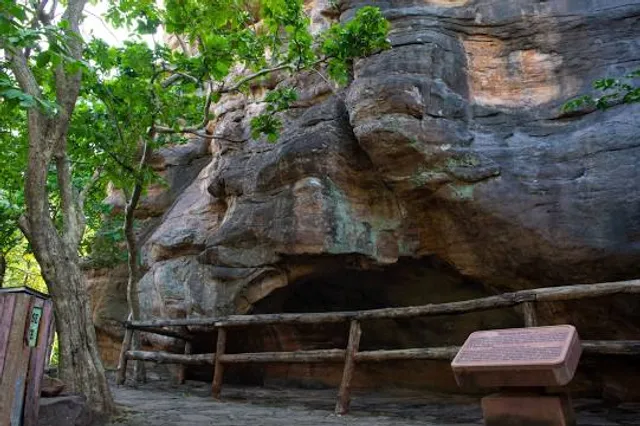
The Bhimbetka rock shelters are an archaeological site in central India that spans the prehistoric paleolithic and mesolithic periods, as well as the historic period.1 It exhibits the earliest traces of human life on the Indian subcontinent and evidence of Stone Age starting at the site in Acheulian times.35] It is located in the Raisen District in the Indian state of Madhya Pradesh about 45 kilometres (28 mi) southeast of Bhopal. It is a UNESCO world heritage site that consists of seven hills and over 750 rock shelters distributed over 10 kilometres (6.2 mi).[2 At least some of the shelters were inhabited more than 100,000 years ago.2 The rock shelters and caves provide evidence of, according to Encyclopædia Britannica, a "rare glimpse" into human settlement and cultural evolution from hunter-gatherers, to agriculture, and expressions of prehistoric spirituality.8]

The Rock Shelters of Bhimbetka is 45 kilometers southeast of Bhopal and 9 km from Obedullaganj city in the Raisen District of Madhya Pradesh at the southern edge of the Vindhya hills. South of these rock shelters are successive ranges of the Satpura hills. It is inside the Ratapani Wildlife Sanctuary, embedded in sandstone rocks, in the foothills of the Vindhya Range.[8 The site consists of seven hills: Vinayaka, Bhonrawali, Bhimbetka, Lakha Juar (east and west), Jhondra and Muni Babaki Paha

भीमबेटका (भीमबैठका) भारत के मध्य प्रदेश प्रान्त के रायसेन जिले में स्थित एक पुरापाषाणिक आवासीय पुरास्थल है। यह आदि-मानव द्वारा बनाये गए शैलचित्रों और शैलाश्रयों के लिए प्रसिद्ध है। इन चित्रों को पुरापाषाण काल से मध्यपाषाण काल के समय का माना जाता है। ये चित्र भारतीय उपमहाद्वीप में मानव जीवन के प्राचीनतम चिह्न हैं। यह स्थल मध्य प्रदेश की राजधानी भोपाल से ४५ किमी दक्षिणपूर्व में स्थित है। इनकी खोज वर्ष १९५७-१९५८ में डॉक्टर विष्णु श्रीधर वाकणकर द्वारा की गई थी।

भीमबेटका क्षेत्र को भारतीय पुरातत्व सर्वेक्षण, भोपाल मंडल ने अगस्त १९९० में राष्ट्रीय महत्त्व का स्थल घोषित किया। इसके बाद जुलाई २००३ में यूनेस्को ने इसे विश्व धरोहर स्थल घोषित किया।

यहाँ पर अन्य पुरावशेष भी मिले हैं जिनमें प्राचीन किले की दीवार, लघुस्तूप, पाषाण निर्मित भवन, शुंग-गुप्त कालीन अभिलेख, शंख अभिलेख और परमार कालीन मंदिर के अवशेष सम्मिलित हैं।

ऐसा माना जाता है कि यह स्थान महाभारत के चरित्र भीम से संबन्धित है एवं इसी से इसका नाम भीमबैठका (कालांतर में भीमबेटका) पड़ा। ये गुफाएँ मध्य भारत के पठार के दक्षिणी किनारे पर स्थित विन्ध्याचल की पहाड़ियों के निचले छोर पर हैं।[1]; इसके दक्षिण में सतपुड़ा की पहाड़ियाँ आरम्भ...

   Read more
Page 1 of 7
Previous
Next

Posts

VeludharanVeludharan
Painted Rock Shelter of Bhimbetka. The rock-shelters of Bhimbetka inscribed as world heritage by UNESCO, are located about 45 km. north-east of Bhopal, the state capital of Madhya Pradesh. Situated along the Bhopal- Hoshangabad highway, these shelters bear proximity to the Bhiyapura village in Raisen district. The fringes of the ancient Vindhyachal ranges are home to the extraordinary rock shelters and paintings, its awesome rocks are fortifying the ancient treasure within. Situated amidst lush greenery of dense forests, rocky terrain and craggy cliffs, the rock shelters of Bhimbetka present a breathtaking view extended to Obaidullaganj, a small town in the vicinity of Bhimbetka. Rock shelters and paintings at Bhimbetka were discovered in 957-58, by Dr. Vishnu Shridhar Wakankar. Out of the 750 rock shelters 500 are adorned with paintings. The site remained a centre of human activity right from lower Paleolithic times up to Medieval period. The subject of paintings include linear depiction of human figures, hunting, riding, communal dances, warfare, and other scenes, depicting details of the day to day activities of the ancient man. The mineral colours used for painting are green, red, ochre and white. The cupmarks made on the rock surface at Bhimbetka has been dated to 100000 BP. This pushes back the date of the cognitive development of man at Bhimbetka, to many thousand years earlier than that of similar sites in various parts of the world making it one of the earliest cradles of cognitive human evolution. Other antiquarian remains include: fortification walls, minor stupas, stone built houses, inscription of Sunga-Gupta period, Shankh inscription and evidence of temples of Parmara period. These rock shelters and paintings are under central protection of Archaeological Survey of India, Bhopal Circle vide, Gazette notification no. S.o. 2140, Published on 11 August 1990. There are 15 rock shelters occupied by the early man, and life depicted in paintings. The habitation deposit emerge the cultural sequence from Lower Palaeolithic to Mesolithic, the trenches of shelter 1 and 3. Rock Shelter 3 has some cupules made on the huge rock on the western end, considered by some scholars as the man's earliest manifestation of creativity, probably associated with one lakh year before. An elaborately painted shelter 4 known as zoo rock, comprises 252 animals of 16 different species. From here walking towards north one can enjoy the watershed of Betwa River and natural ambience. Noticing many painted rock shelters can be reached at the rock shelter 15. Here, an amazing scene of a giant mythical animal chasing a human, painted with Red ocher colour, can be seen on the upper surface of the rock shelter. We can experience here natural geological formations, various shaped rocks and other painted rock shelters with their natural environment including flora and fauna. Watching all these, we have to walk 1400 meter. Rock Shelter No. 1 This shelter has been given the No. III F-23 by the discoverer of this site, Shri V S Wakankar. Total height of this shelter is 20 meters from present ground level and is precariously balances on a narrow base. An excavation conducted for four continuous seasons from 1973 to 1976 brought to light the sequence of human occupation from late Acheulian (1.5 million years) to the end of Mesolithic period (10,000 BP). Tools like hand-axe, cleavers etc. have been found from the lower level. Only a few paintings belonging to the historical period have been found in this shelter. On the ceiling, paintings of two elephants are depicted. The smaller elephant is driven by a man holding goad in one hand and a spear in the other having a sword on Rock Shelter No. 2 This shelter is approximately five meters high. The paintings in the shelter have faded due to the effects of natural elements. There are 46 figures documented in this shelter which include human, animal and some symbolic images which have not been identified. The clearest painting in the shelter is of a horse rider, painted in the centre of the wall.
Binalkumar GarasiaBinalkumar Garasia
The Bhimbetka Rock Shelters, a UNESCO World Heritage Site located in Madhya Pradesh, India, is a fascinating archaeological site that showcases some of the earliest traces of human life on the Indian subcontinent. These rock shelters are a testament to the creativity and life of prehistoric people, offering an extraordinary blend of history, art, and natural beauty. Historical Significance: Bhimbetka dates back to the Paleolithic period and is believed to have been continuously inhabited by humans for over 100,000 years. The site is considered one of the oldest known rock art collections in the world, providing insights into the lifestyle, culture, and beliefs of early humans. Rock Art and Paintings: One of the most striking features of Bhimbetka is its ancient rock paintings. These artworks, created using natural pigments, depict scenes from everyday life, such as hunting, dancing, and communal gatherings, as well as animals and symbolic figures. The art reflects different time periods, from the Upper Paleolithic to the Medieval period, showcasing the evolution of artistic styles and themes over thousands of years. Natural Setting: The shelters are set amidst the Vindhyan mountain range and are surrounded by dense forests and rocky outcrops, adding to the mystical ambiance of the site. The combination of natural rock formations and prehistoric art creates an awe-inspiring experience for visitors. Exploring the Site: The Bhimbetka Rock Shelters consist of over 700 rock shelters, with about 15 open to the public. These shelters vary in size and structure, with some being shallow alcoves and others more spacious, cave-like formations. Visitors can walk along guided trails to explore the rock art, with many of the paintings still visible and well-preserved despite their age. Visitor Tips: Wear comfortable shoes, as exploring the site involves walking on uneven terrain. Bring water and snacks, especially during warmer months, as the area can get quite hot. A guide or audio guide can greatly enhance the experience by providing context and historical background for the artwork and site. Best Time to Visit: The ideal time to visit Bhimbetka is during the cooler months, from October to March. This period offers pleasant weather, making it more enjoyable to explore the open-air site. Overall Impression: Bhimbetka Rock Shelters is a must-visit for history enthusiasts, archaeology buffs, and anyone interested in understanding the deep roots of human civilization. The site’s combination of ancient art, historical significance, and natural beauty provides a unique and enriching experience. Walking among these ancient rock formations and seeing paintings that have survived for millennia evokes a sense of wonder about early human life and creativity.
anand shuklaanand shukla
The Bhimbetka rock shelters are an archaeological site in central India that spans the prehistoric paleolithic and mesolithic periods, as well as the historic period.[1][2] It exhibits the earliest traces of human life on the Indian subcontinent and evidence of Stone Age starting at the site in Acheulian times.[3][4][5] It is located in the Raisen District in the Indian state of Madhya Pradesh about 45 kilometres (28 mi) southeast of Bhopal. It is a UNESCO world heritage site that consists of seven hills and over 750 rock shelters distributed over 10 kilometres (6.2 mi).[2][6] At least some of the shelters were inhabited more than 100,000 years ago.[2][7] The rock shelters and caves provide evidence of, according to Encyclopædia Britannica, a "rare glimpse" into human settlement and cultural evolution from hunter-gatherers, to agriculture, and expressions of prehistoric spirituality.[8] The Rock Shelters of Bhimbetka is 45 kilometers southeast of Bhopal and 9 km from Obedullaganj city in the Raisen District of Madhya Pradesh at the southern edge of the Vindhya hills. South of these rock shelters are successive ranges of the Satpura hills. It is inside the Ratapani Wildlife Sanctuary, embedded in sandstone rocks, in the foothills of the Vindhya Range.[8][18] The site consists of seven hills: Vinayaka, Bhonrawali, Bhimbetka, Lakha Juar (east and west), Jhondra and Muni Babaki Paha भीमबेटका (भीमबैठका) भारत के मध्य प्रदेश प्रान्त के रायसेन जिले में स्थित एक पुरापाषाणिक आवासीय पुरास्थल है। यह आदि-मानव द्वारा बनाये गए शैलचित्रों और शैलाश्रयों के लिए प्रसिद्ध है। इन चित्रों को पुरापाषाण काल से मध्यपाषाण काल के समय का माना जाता है। ये चित्र भारतीय उपमहाद्वीप में मानव जीवन के प्राचीनतम चिह्न हैं। यह स्थल मध्य प्रदेश की राजधानी भोपाल से ४५ किमी दक्षिणपूर्व में स्थित है। इनकी खोज वर्ष १९५७-१९५८ में डॉक्टर विष्णु श्रीधर वाकणकर द्वारा की गई थी। भीमबेटका क्षेत्र को भारतीय पुरातत्व सर्वेक्षण, भोपाल मंडल ने अगस्त १९९० में राष्ट्रीय महत्त्व का स्थल घोषित किया। इसके बाद जुलाई २००३ में यूनेस्को ने इसे विश्व धरोहर स्थल घोषित किया। यहाँ पर अन्य पुरावशेष भी मिले हैं जिनमें प्राचीन किले की दीवार, लघुस्तूप, पाषाण निर्मित भवन, शुंग-गुप्त कालीन अभिलेख, शंख अभिलेख और परमार कालीन मंदिर के अवशेष सम्मिलित हैं। ऐसा माना जाता है कि यह स्थान महाभारत के चरित्र भीम से संबन्धित है एवं इसी से इसका नाम भीमबैठका (कालांतर में भीमबेटका) पड़ा। ये गुफाएँ मध्य भारत के पठार के दक्षिणी किनारे पर स्थित विन्ध्याचल की पहाड़ियों के निचले छोर पर हैं।[1]; इसके दक्षिण में सतपुड़ा की पहाड़ियाँ आरम्भ हो जाती हैं।
See more posts
See more posts
hotel
Find your stay

Pet-friendly Hotels in Madhya Pradesh

Find a cozy hotel nearby and make it a full experience.

Painted Rock Shelter of Bhimbetka. The rock-shelters of Bhimbetka inscribed as world heritage by UNESCO, are located about 45 km. north-east of Bhopal, the state capital of Madhya Pradesh. Situated along the Bhopal- Hoshangabad highway, these shelters bear proximity to the Bhiyapura village in Raisen district. The fringes of the ancient Vindhyachal ranges are home to the extraordinary rock shelters and paintings, its awesome rocks are fortifying the ancient treasure within. Situated amidst lush greenery of dense forests, rocky terrain and craggy cliffs, the rock shelters of Bhimbetka present a breathtaking view extended to Obaidullaganj, a small town in the vicinity of Bhimbetka. Rock shelters and paintings at Bhimbetka were discovered in 957-58, by Dr. Vishnu Shridhar Wakankar. Out of the 750 rock shelters 500 are adorned with paintings. The site remained a centre of human activity right from lower Paleolithic times up to Medieval period. The subject of paintings include linear depiction of human figures, hunting, riding, communal dances, warfare, and other scenes, depicting details of the day to day activities of the ancient man. The mineral colours used for painting are green, red, ochre and white. The cupmarks made on the rock surface at Bhimbetka has been dated to 100000 BP. This pushes back the date of the cognitive development of man at Bhimbetka, to many thousand years earlier than that of similar sites in various parts of the world making it one of the earliest cradles of cognitive human evolution. Other antiquarian remains include: fortification walls, minor stupas, stone built houses, inscription of Sunga-Gupta period, Shankh inscription and evidence of temples of Parmara period. These rock shelters and paintings are under central protection of Archaeological Survey of India, Bhopal Circle vide, Gazette notification no. S.o. 2140, Published on 11 August 1990. There are 15 rock shelters occupied by the early man, and life depicted in paintings. The habitation deposit emerge the cultural sequence from Lower Palaeolithic to Mesolithic, the trenches of shelter 1 and 3. Rock Shelter 3 has some cupules made on the huge rock on the western end, considered by some scholars as the man's earliest manifestation of creativity, probably associated with one lakh year before. An elaborately painted shelter 4 known as zoo rock, comprises 252 animals of 16 different species. From here walking towards north one can enjoy the watershed of Betwa River and natural ambience. Noticing many painted rock shelters can be reached at the rock shelter 15. Here, an amazing scene of a giant mythical animal chasing a human, painted with Red ocher colour, can be seen on the upper surface of the rock shelter. We can experience here natural geological formations, various shaped rocks and other painted rock shelters with their natural environment including flora and fauna. Watching all these, we have to walk 1400 meter. Rock Shelter No. 1 This shelter has been given the No. III F-23 by the discoverer of this site, Shri V S Wakankar. Total height of this shelter is 20 meters from present ground level and is precariously balances on a narrow base. An excavation conducted for four continuous seasons from 1973 to 1976 brought to light the sequence of human occupation from late Acheulian (1.5 million years) to the end of Mesolithic period (10,000 BP). Tools like hand-axe, cleavers etc. have been found from the lower level. Only a few paintings belonging to the historical period have been found in this shelter. On the ceiling, paintings of two elephants are depicted. The smaller elephant is driven by a man holding goad in one hand and a spear in the other having a sword on Rock Shelter No. 2 This shelter is approximately five meters high. The paintings in the shelter have faded due to the effects of natural elements. There are 46 figures documented in this shelter which include human, animal and some symbolic images which have not been identified. The clearest painting in the shelter is of a horse rider, painted in the centre of the wall.
Veludharan

Veludharan

hotel
Find your stay

Affordable Hotels in Madhya Pradesh

Find a cozy hotel nearby and make it a full experience.

Get the Appoverlay
Get the AppOne tap to find yournext favorite spots!
The Bhimbetka Rock Shelters, a UNESCO World Heritage Site located in Madhya Pradesh, India, is a fascinating archaeological site that showcases some of the earliest traces of human life on the Indian subcontinent. These rock shelters are a testament to the creativity and life of prehistoric people, offering an extraordinary blend of history, art, and natural beauty. Historical Significance: Bhimbetka dates back to the Paleolithic period and is believed to have been continuously inhabited by humans for over 100,000 years. The site is considered one of the oldest known rock art collections in the world, providing insights into the lifestyle, culture, and beliefs of early humans. Rock Art and Paintings: One of the most striking features of Bhimbetka is its ancient rock paintings. These artworks, created using natural pigments, depict scenes from everyday life, such as hunting, dancing, and communal gatherings, as well as animals and symbolic figures. The art reflects different time periods, from the Upper Paleolithic to the Medieval period, showcasing the evolution of artistic styles and themes over thousands of years. Natural Setting: The shelters are set amidst the Vindhyan mountain range and are surrounded by dense forests and rocky outcrops, adding to the mystical ambiance of the site. The combination of natural rock formations and prehistoric art creates an awe-inspiring experience for visitors. Exploring the Site: The Bhimbetka Rock Shelters consist of over 700 rock shelters, with about 15 open to the public. These shelters vary in size and structure, with some being shallow alcoves and others more spacious, cave-like formations. Visitors can walk along guided trails to explore the rock art, with many of the paintings still visible and well-preserved despite their age. Visitor Tips: Wear comfortable shoes, as exploring the site involves walking on uneven terrain. Bring water and snacks, especially during warmer months, as the area can get quite hot. A guide or audio guide can greatly enhance the experience by providing context and historical background for the artwork and site. Best Time to Visit: The ideal time to visit Bhimbetka is during the cooler months, from October to March. This period offers pleasant weather, making it more enjoyable to explore the open-air site. Overall Impression: Bhimbetka Rock Shelters is a must-visit for history enthusiasts, archaeology buffs, and anyone interested in understanding the deep roots of human civilization. The site’s combination of ancient art, historical significance, and natural beauty provides a unique and enriching experience. Walking among these ancient rock formations and seeing paintings that have survived for millennia evokes a sense of wonder about early human life and creativity.
Binalkumar Garasia

Binalkumar Garasia

hotel
Find your stay

The Coolest Hotels You Haven't Heard Of (Yet)

Find a cozy hotel nearby and make it a full experience.

hotel
Find your stay

Trending Stays Worth the Hype in Madhya Pradesh

Find a cozy hotel nearby and make it a full experience.

The Bhimbetka rock shelters are an archaeological site in central India that spans the prehistoric paleolithic and mesolithic periods, as well as the historic period.[1][2] It exhibits the earliest traces of human life on the Indian subcontinent and evidence of Stone Age starting at the site in Acheulian times.[3][4][5] It is located in the Raisen District in the Indian state of Madhya Pradesh about 45 kilometres (28 mi) southeast of Bhopal. It is a UNESCO world heritage site that consists of seven hills and over 750 rock shelters distributed over 10 kilometres (6.2 mi).[2][6] At least some of the shelters were inhabited more than 100,000 years ago.[2][7] The rock shelters and caves provide evidence of, according to Encyclopædia Britannica, a "rare glimpse" into human settlement and cultural evolution from hunter-gatherers, to agriculture, and expressions of prehistoric spirituality.[8] The Rock Shelters of Bhimbetka is 45 kilometers southeast of Bhopal and 9 km from Obedullaganj city in the Raisen District of Madhya Pradesh at the southern edge of the Vindhya hills. South of these rock shelters are successive ranges of the Satpura hills. It is inside the Ratapani Wildlife Sanctuary, embedded in sandstone rocks, in the foothills of the Vindhya Range.[8][18] The site consists of seven hills: Vinayaka, Bhonrawali, Bhimbetka, Lakha Juar (east and west), Jhondra and Muni Babaki Paha भीमबेटका (भीमबैठका) भारत के मध्य प्रदेश प्रान्त के रायसेन जिले में स्थित एक पुरापाषाणिक आवासीय पुरास्थल है। यह आदि-मानव द्वारा बनाये गए शैलचित्रों और शैलाश्रयों के लिए प्रसिद्ध है। इन चित्रों को पुरापाषाण काल से मध्यपाषाण काल के समय का माना जाता है। ये चित्र भारतीय उपमहाद्वीप में मानव जीवन के प्राचीनतम चिह्न हैं। यह स्थल मध्य प्रदेश की राजधानी भोपाल से ४५ किमी दक्षिणपूर्व में स्थित है। इनकी खोज वर्ष १९५७-१९५८ में डॉक्टर विष्णु श्रीधर वाकणकर द्वारा की गई थी। भीमबेटका क्षेत्र को भारतीय पुरातत्व सर्वेक्षण, भोपाल मंडल ने अगस्त १९९० में राष्ट्रीय महत्त्व का स्थल घोषित किया। इसके बाद जुलाई २००३ में यूनेस्को ने इसे विश्व धरोहर स्थल घोषित किया। यहाँ पर अन्य पुरावशेष भी मिले हैं जिनमें प्राचीन किले की दीवार, लघुस्तूप, पाषाण निर्मित भवन, शुंग-गुप्त कालीन अभिलेख, शंख अभिलेख और परमार कालीन मंदिर के अवशेष सम्मिलित हैं। ऐसा माना जाता है कि यह स्थान महाभारत के चरित्र भीम से संबन्धित है एवं इसी से इसका नाम भीमबैठका (कालांतर में भीमबेटका) पड़ा। ये गुफाएँ मध्य भारत के पठार के दक्षिणी किनारे पर स्थित विन्ध्याचल की पहाड़ियों के निचले छोर पर हैं।[1]; इसके दक्षिण में सतपुड़ा की पहाड़ियाँ आरम्भ हो जाती हैं।
anand shukla

anand shukla

See more posts
See more posts