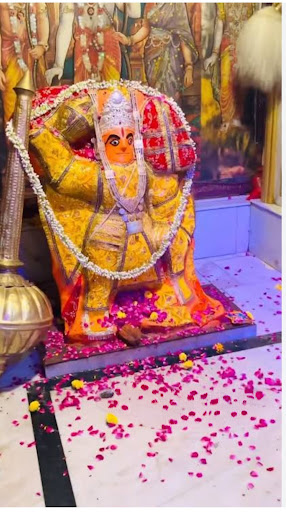
यह मंदिर हिंदू धर्म में कई पूजनीय देवताओं को समर्पित एक पवित्र स्थान है, जिसमें हनुमान जी, शंकर जी, सरस्वती जी, गणेश जी और महा अष्टलक्ष्मी शामिल हैं। इनमें से प्रत्येक दिव्य आकृति भक्तों के दिलों में एक महत्वपूर्ण स्थान रखती है और जीवन और आध्यात्मिकता के विभिन्न पहलुओं का प्रतिनिधित्व करती है। हनुमान जी, जो अपनी अटूट भक्ति और शक्ति के लिए जाने जाते हैं, निष्ठा और साहस के प्रतीक हैं। उन्हें अक्सर सुरक्षा और बाधाओं को दूर करने के लिए पूजा जाता है। शंकर जी, या भगवान शिव, परिवर्तन और उत्थान का प्रतीक हैं, जो सृजन, संरक्षण और विनाश के चक्र का प्रतिनिधित्व करते हैं। मंदिर में उनकी उपस्थिति संतुलन के महत्व और ध्यान और आत्मनिरीक्षण की शक्ति को दर्शाती है। ज्ञान, संगीत और कला की देवी सरस्वती जी भक्तों को ज्ञान और रचनात्मकता की तलाश करने के लिए प्रेरित करती हैं। मार्गदर्शन और ज्ञान के लिए अक्सर छात्रों और कलाकारों द्वारा उनका आह्वान किया जाता है। हाथी के सिर वाले भगवान गणेश जी को बाधाओं को दूर करने वाले और सौभाग्य के अग्रदूत के रूप में पूजा जाता है। नए उपक्रमों और प्रयासों की शुरुआत में उनका आशीर्वाद मांगा जाता है। धन और समृद्धि की दिव्य अवतार महा अष्टलक्ष्मी को मंदिर में उनके सभी आठ रूपों के माध्यम से दर्शाया गया है। गर्भगृह या गर्भगृह में ये रूप विराजमान हैं, जिनमें से प्रत्येक प्रचुरता और कल्याण के विभिन्न पहलुओं का प्रतीक है। महा अष्टलक्ष्मी के आठ रूप हैं: 1. आदि लक्ष्मी - धन और समृद्धि की आदि देवी। 2. धन लक्ष्मी - भौतिक संपदा और संपत्ति की देवी। 3. धन्य लक्ष्मी - कृषि संपदा और भोजन की देवी। 4. संतान लक्ष्मी - संतान और परिवार कल्याण की देवी। 5. विजया लक्ष्मी - जीत और सफलता की देवी। 6. विद्या लक्ष्मी - ज्ञान और शिक्षा की देवी। 7. ऐश्वर्या लक्ष्मी - विलासिता और ऐश्वर्य की देवी। 8. श्री लक्ष्मी - समग्र समृद्धि और कल्याण की देवी। भक्तगण इन दिव्य आकृतियों से आशीर्वाद लेने के लिए इस मंदिर में आते हैं, ताकि उन्हें आध्यात्मिक विकास, भौतिक सफलता और अपने जीवन में समग्र सद्भाव प्राप्त हो सके। वातावरण
This temple is a sacred space dedicated to several revered deities in Hinduism, including Hanuman ji, Shankar ji, Saraswati ji, Ganesh ji, and Maha Ashtalakshmi. Each of these divine figures holds a significant place in the hearts of devotees and represents various aspects of life and spirituality.
Hanuman ji, known for his unwavering devotion and strength, symbolizes loyalty and courage. He is often worshipped for protection and the removal of obstacles. Shankar ji, or Lord Shiva, embodies transformation and regeneration, representing the cycle of creation, preservation, and destruction. His presence in the temple signifies the importance of balance and the power of meditation and introspection.
Saraswati ji, the goddess of knowledge, music, and arts, inspires devotees to seek wisdom and creativity. She is often invoked by students and artists alike for guidance and enlightenment. Ganesh ji, the elephant-headed god, is revered as the remover of obstacles and the harbinger of good fortune. His blessings are sought at the beginning of new ventures and endeavors.
Maha Ashtalakshmi, the divine embodiment of wealth and prosperity, is represented in the temple through all eight of her forms. The garbh grih, or sanctum sanctorum, houses these forms, each symbolizing different aspects of abundance and well-being. The eight forms of Maha Ashtalakshmi include:
Adi Lakshmi - The primordial goddess of wealth and prosperity.
Dhana Lakshmi - The goddess of material wealth and riches.
Dhanya Lakshmi - The goddess of agricultural wealth and food.
Santana Lakshmi - The goddess of progeny and family welfare.
Vijaya Lakshmi - The goddess of victory and success.
Vidya Lakshmi - The goddess of knowledge and education.
Aishwarya Lakshmi - The goddess of luxury and opulence.
Shri Lakshmi - The goddess of overall prosperity and well-being.
Devotees visit this temple to seek blessings from these divine figures, hoping to attain spiritual growth, material success, and overall harmony in their lives. The atmosphere is filled with devotion, reverence, and a sense of community as people come together to celebrate their faith and seek the grace of these...
Read more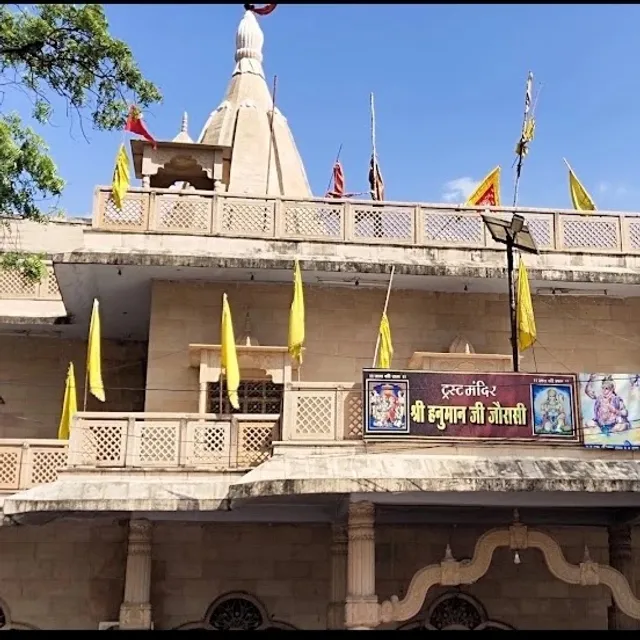
 Learn more insights from Wanderboat AI.