HTML SitemapExplore
logo
Find Things to DoFind The Best Restaurants

Panna National Park — Attraction in Madhya Pradesh

Name
Panna National Park
Description
Panna National Park is a national park located in Panna and Chhatarpur districts of Madhya Pradesh in India. It has an area of 542.67 km².
Nearby attractions
Nearby restaurants
Nearby hotels
Related posts
Keywords
Panna National Park tourism.Panna National Park hotels.Panna National Park bed and breakfast. flights to Panna National Park.Panna National Park attractions.Panna National Park restaurants.Panna National Park travel.Panna National Park travel guide.Panna National Park travel blog.Panna National Park pictures.Panna National Park photos.Panna National Park travel tips.Panna National Park maps.Panna National Park things to do.
Panna National Park things to do, attractions, restaurants, events info and trip planning
Panna National Park
IndiaMadhya PradeshPanna National Park

Basic Info

Panna National Park

Madhya Pradesh, India
4.4(1.6K)
Open 24 hours
Save
spot

Ratings & Description

Info

Panna National Park is a national park located in Panna and Chhatarpur districts of Madhya Pradesh in India. It has an area of 542.67 km².

Outdoor
Adventure
Family friendly
attractions: , restaurants:
logoLearn more insights from Wanderboat AI.
Phone
+91 77322 52135
Website
forest.mponline.gov.in

Plan your stay

hotel
Pet-friendly Hotels in Madhya Pradesh
Find a cozy hotel nearby and make it a full experience.
hotel
Affordable Hotels in Madhya Pradesh
Find a cozy hotel nearby and make it a full experience.
hotel
The Coolest Hotels You Haven't Heard Of (Yet)
Find a cozy hotel nearby and make it a full experience.
hotel
Trending Stays Worth the Hype in Madhya Pradesh
Find a cozy hotel nearby and make it a full experience.

Reviews

Get the Appoverlay
Get the AppOne tap to find yournext favorite spots!
Wanderboat LogoWanderboat

Your everyday Al companion for getaway ideas

CompanyAbout Us
InformationAI Trip PlannerSitemap
SocialXInstagramTiktokLinkedin
LegalTerms of ServicePrivacy Policy

Get the app

© 2025 Wanderboat. All rights reserved.
logo

Reviews of Panna National Park

4.4
(1,569)
avatar
5.0
7y

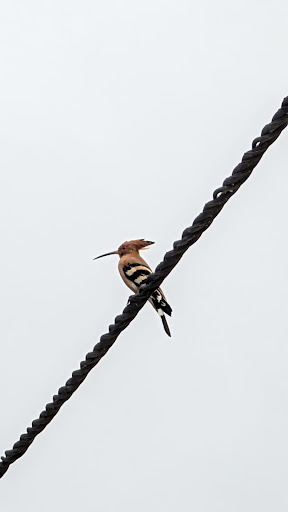
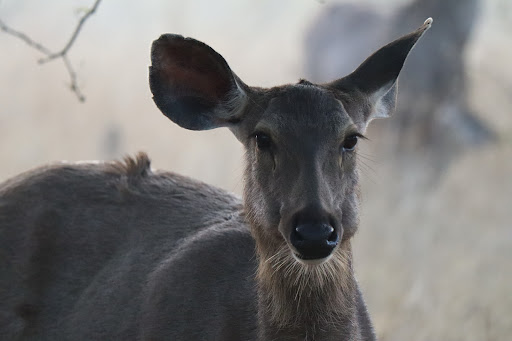
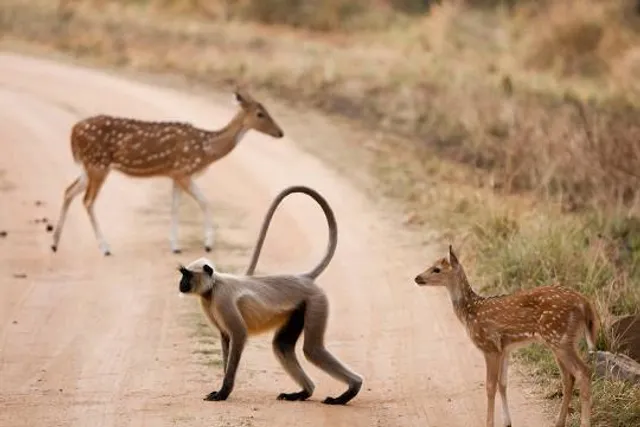
A wonderful place. I stayed at the Ecotourism Complex at Hinota. The Hinota Gate is adjoining so the entry is easy. I reached the place at 4 in the evening, and after checking in to my tent and ordering my dinner i quickly moved for my night Safari. I had already booked my Safari as one of my experienced wildlifer friend Mr. Nishant Kapoor had adviced about one of the best guides Mr. Puneet Sharma. His suggestion came out superb as when i reached Karnavati booking office he was there with his Gypsy to welcome me and helped in booking the night Safari. I was the only one on 5-1-18 to book a night safari and that made me wonder as to why there is no other person taking a Safari ? i had to book the whole vehicle which was although expensive but good in a way as to i wanted to do some serious wildlife photography and at times other non serious people become a disturbance. We entered from Harsha Gate which is a bit far from the Karnavati booking center. Mr. Sharma told me that this is the only area where the Park Management has decided to start the night safari as is a buffer zone and there are few villages which has to be relocated. He told me that due to the revised offer by Forest Department the villagers are willingly ready to relocate to new places. I saw hight fencing to stop the wild Bore and Deers which often enter the feilds and distroy the crops. As it became dark by the time we entered the Park the villagers were inside thier houses and there was hardly any activity on the road. soon we started locating wild animals every 5 minutes. The driver of that Gypsy was an experienced one and knew when and where to stop the car. With two searchlights we could see Sambhar, Neelgai, Spotted Deers, Jackals, Indian Fox, Indian Palm Civets, Indian Small Civet, Jungle Cat, Jungle Hare, Hyena drinking water in a river, Sloth Bear, Langoors, Mangoose, and while returning a prised Hyna with a fresh Kill with rare sight of Pangoline to sum it up. The whole lanscape is very beautiful with hils, waterfalls and picturesque scenic view. The tempreture outside was very low and i asked for another set of Blancket and a heater. I made two star trail timelapse as the sky was lit with stars and the Milkeyway could be seen with naked eyes. I could clearly hear calls and sounds of wildlife as there is a big lake made by NMDC mines for the plant usage and the wild animals come down from the hilss to drink water. it was very thrilling as i was out making star trails. When we started for the morning Safari the next day from Hinauta Gate i could see ice covered grass outside ! I could see Leopad, a clear and closeup view as it was sitting on the road. I took lots of photographs for few minutes and moved. I could click Cheetal, Chausingha, Chinkara, Jackal, Langoor, Neelgai, Sambhar, Wild Bore and Wooly Necked Storks, Indian Peafowl, Jungle Bush Quail, Grey Francolin, Doves, Yellow-Legged Green Pigeon, Grey Haron, Great Egret, Black Winged Stilts, Common Snipe, Black Winged Kites, Egyptian Vulture, Crested Serpent Eagle, Red Headed Vulture ! White Rumped Vulture, Indian Vulture, Shikra, WHite Eyed Buzzard, Indian Grey Hornbill, Lesser Golden Flameback Woodpacker, Copppersmith Barbet, Common Kingfisher, White-throated Kingfisher, Blossom Headed Parakeet, Plum Headed Parakeet, Rose Ringed Parakeet, Small Minivet, Ashy Drongo, White-bellied Drongo, White Browed Fantail, Bay-backed Shrike, Rufous Treepie, Baya Weaver, flocks of Indian Silverbills, Chestnut-shouldered Bush Sparrow, Tree Pipit, White Wagtail, Ashy Crowned Sparrow Lark, Zitting Cisticola, Jungle Pirinia, Tickell's Blue Flycatcher in the birds category. All the staff of Forest department very helpful and informative from Mr. Udaimani to Pushpendra and my thanks to the Joint Dorector of Panna Tiger Reserve Mr. Mishra and special Thanks to the Feild Director Mr. Jain for sharing his great ideas to develop and popularise the Park. The new initiatives like exposure camps for students and involving voluteers in counting are a welcome move. Overall a...

   Read more

avatar
4.0
4y

Panna is the twenty second Tiger Reserve of India and fifth in Madhya Pradesh. The Tiger Reserve is situated in the Vindhya Ranges and spreads over Panna and Chhatarpur districts in the north of the state. Panna National Park was created in 1981 and it was declared a Project Tiger Reserve in 1994. The Ken River flows through the reserve from south to north. It has a total area of 545 sq km. Panna Tiger Reserve has been given the Award of Excellence “The Best Maintained Tourist Friendly National Park of the Country” by the Ministry of Tourism Govt. of India in 2007.

How to reach Panna National Park?

BY AIR – The nearest airport is at Khajuraho at a distance of around 57 km from the Panna National Park. There are daily Air flights to Delhi, Mumbai and Varanasi from Khajuraho.

BY RAIL – Satna, at a distance of around 90 km, is the nearest railway station. It is a major railway hub and is connected to many places in central and western India.

BY ROAD – The nearest bus stand is Panna connected to Khajuraho and many other places in Madhya Pradesh by a good road network. Madla, at a distance of around 24 km southwest of Khajuraho, is a good transportation center. One can get buses and other road transport modes from here to the Panna National Park.

Places to see around Panna National Park

The climate of this region is tropical. Summers are too hot and very uncomfortable, but the chances of encountering the wildlife gets maximized. Winters are cold and comfortable and the temperature generally remains under 25°C. Apart from the tiger; wolf, chital, sloth bear, chinkara, and sambar are commonly found here. Panna national park has red soil. Out of the nine vulture species found in India, Panna has six of them. The are : Oriental White-backed Vulture, Long billed Vulture, Egyptian Vulture, Indian Griffon Vulture, Himalayan Griffon, Cinereous Vulture. The ‘vulture estimation exercise’ was conducted on the 21st, 22nd and 23rd of January 2012 in Panna. They were about to extinct but lucky there number are growing rapidly here, thanks to all those conservation programs. We had encountered a group of vultures during our safari. Beside flora and fauna the nature in National park is another aspect that attracts its visitors. The forest can be visited only to see the pure and unspoiled nature, the tiger is obviously a bonus.

A few years back Panna had a respectable Tiger population of around 30. But due to poaching the tigers become extinct in the reserve two years ago and to revive it, three tigresses and a tiger were translocated into the reserve. Two tigresses have given birth to around five cubs. It was a path-breaking and first of its kind successful experiment of tiger conservation involving the breeding of a translocated tigress in captivity. Now all the tigers have given radio collars and they are monitored consistently with GPS (global positioning system) and HRF (high radio frequency) devices. Cameras are installed everywhere to stop poaching. The safari as well an unforgettable experience ends at 11.30 in the morning.

Where to stay?

The first option is Jungle Camp which is located next to the entrance of the Panna Tiger Reserve and another is Ken River Lodge. Jungle Camp was tented accommodation with a proper wooden door. The room was air-conditioned with a double bed, cable connection and excellent washroom facilities. The charge includes the breakfast and dinner. Ken River Lodge was an ideal setup at the bank of River Ken, in complete isolation. The entire property is made of woods and surrounded by forest. A rustic charm is a prime advantage of this place.

What to eat?

The best eating option in Panna is the Machan or the tree-house restaurant of the Ken River Lodge. The restaurant serves excellent Indian buffet meals and is particularly known for their...

   Read more
avatar
5.0
5y

Best reserve park of Madhya Pradesh ❤️

Panna National Park is a national park located in Panna and Chhatarpur districts of Madhya Pradesh in India. It has an area of 542.67 km2 (209.53 sq mi). It was declared in 1993 as the twenty second Tiger reserve of India and the fifth in Madhya Pradesh,1] Panna was given the Award of Excellence in 2007 as the best maintained national park of India by the Ministry of Tourism of India.[1] It is notable that by 2009, the entire tiger population had been eliminated by poaching with the collusion of forest department officials.[2] It was designated as Biosphere Reserve on 25 August 2011.Sal, crocodile bark, Arjun, jamun, etc are trees present here.

Panna National Park was declared as one of the Tiger reserves of India in 1994/95 and placed under the protection of Project Tiger.[3 The decline of tiger population in Panna has been reported several times.5[7] Two female tigers were relocated there from Bandhavgarh National Park and Kanha National Park in March 2009. However, the last male tiger had already disappeared.[8] A committee to look into the disappearance of the tigers was formed.[9]

In June 2009, it was officially announced that the Reserve, which had over 40 tigers six years earlier, had no tigers left and only two tigresses, which were brought in a little earlier[10] In February 2012, only three years later, the entire tiger population of the reserve was considered eliminated. The Madhya Pradesh government did not determine responsibility for the debacle, nor did it pass the inquiry to the Central Bureau of Investigation in spite of requests from the Ministry of Environment and Forests and the Prime Minister's Office.[11]

The Ministry of Environment and Forests (MoEF) approved a proposal to translocate two tigers and two tigresses to the reserve.[12] One female each from Bandhavgarh National Park (coded T1) and Kanha National Park (T2) were translocated to Panna Tiger Reserve.[13] A tiger male, coded T3, was brought from Pench Tiger Reserve but strayed out of the park shortly thereafter, in November 2009[14] The tiger started walking towards its home in Pench National Park, indicating homing instinct. It moved steadily through human dominated landscape without causing any conflict. Forest department staff tracked it continuously for over a month and finally brought it back to the Panna Tiger Reserve. It then settled well, established territory and started mating. The tigress, T1, translocated from Bandhavgarh National Park, gave birth to four cubs in April 2010 of which 2 survive till date.[13] The second tigress, T2, translocated from Kanha National Park gave birth to four cubs several months later and all four survive till date.[13] A third tigress, coded T4, an orphaned cub was reintroduced to Panna in March 2011.[15] She learnt hunting skills with the help of the male and mated with him. She was found dead on 19 September 2014 of an infection caused by its radio collar.[16] Her sister T5 was released in Panna in November 2011. [13] Thus four tigers and around 10 cubs of up to 2 years are settled in Panna Tiger Reserve at present and their progress is being regularly monitored by the Forest Department.

( All the above information is taken...

   Read more
Page 1 of 7
Previous
Next

Posts

Akhilesh KulkarniAkhilesh Kulkarni
Panna National Park is a great place for animal and tiger lovers however, choosing right time, vehicle, weather, and month of the year becomes more important to increase the chances to sighting the tiger. The national park does have other animals like langoors, deers, different bird species, peacocks, leopards, however, sighting a tiger is real challenge. You need to book the safari well in advance when the window opens (around 30 days in advance). January-February/spring season is the best period to visit the national park when the climate is pleasant and animals do come out for water. Summers too work for the visit when tiger and other animals come out in open in the jungle for water when the natural water bodies dry up. We had first thought that if we start first and if our jeep is in first 3, we have greater chance of seeing the tiger however, it doesn't matter at what number your jeep is in the queue for entry into the gates at 6 am (for morning safari), since anyways after entering the gates, all the jeeps scatter in different areas of the national park. You can carry your eateries with you in the jeep and you do get opportunity to eat them when you stop for a break in a small space in the jungle dedicated for eating for the tourists. The National park also has washrooms inside making life easier for tourists over the 5-6 hours safari. As part of completing the formalities of this safari, you need to: 1) Book a safari ticket from website well in advance (30 days) or you can also take it on an adhoc basis from ticket counter provided the limit of 35-40 jeeps are not already booked during the slot of the day. 2) Pay additional amount at the counter for parking and guide who is mandatory to be followed by you in the jeep. 3) Your id proof need to be mentioned while booking the ticket and the same will be checked by the forest office before you enter the gates of the national park for safari.
Sem SpitsSem Spits
I really want to give this park 5 stars, but I can't. The park is beautiful, and the fact you get a chance to see tigers, leopards bears and other amazing animals is great. We got to see a tiger from some distance. So for that experience I would say 5 stars! However, management, guides and drivers deserve no stars in my opinion. Our guide was incredibly lazy, playing with his phone half the time and closing his eyes, yawning.. No urgency to explain us anything or try to make a special experience for us. We took a lot of breaks which made absolutely no sense at all as we were there to look for wildlife, not to drink Chaï and have breakfast. I guess you have to be lucky to get a good guide, as you have no influence on this. Additionally, they make it extremely difficult for foreign tourists to pay a fair price for the safari. We found out that a shared jeep will only cost you about 1650 rupees if you book directly with the national park (click on the official website in Google). The process is made very difficult and there's about a hundred providers selling the tour when you look for it online. Our seller charged us 6500 rupees for 2 people, MUCH MORE than the official price. I understand the principle of a commission, but this is must taking advantage of foreign tourists on a very large scale. So please, book with the official place if you can and save yourself a lot of money (or use this information to bargain a fair price with other sellers).
Om YadavOm Yadav
Panna became a Project Tiger Reserve in 1994, but it faced a tragic crisis in the early 2000s when poaching nearly wiped out its entire tiger population. The once-thriving park was left with virtually no tigers. Yet, what happened next is a story of hope and determination. Through a courageous and pioneering reintroduction program, a handful of tigers were brought in from other reserves to rebuild the population. Today, thanks to unwavering conservation efforts and strict anti-poaching measures, Panna has made a spectacular comeback. The forests are once again filled with the majestic presence of tigers, a testament to what is possible when we commit to protecting our natural heritage. This story of revival is what makes Panna so special and inspirational. But Panna's importance extends far beyond its tigers. The park is a biodiverse haven, home to over 200 species of birds and a wide array of other animals, including leopards, wild dogs, sloth bears, and several species of deer like the sambar and chital. The Ken River, which flows through the park, provides a lifeline for this ecosystem and is a sanctuary for the long-snouted gharial. Beyond its ecological significance, Panna offers a unique cultural experience. It is situated close to the UNESCO World Heritage site of Khajuraho, and its landscapes are rich with ancient history and legends. This combination of wildlife, history, and natural beauty makes Panna a truly enriching destination.
See more posts
See more posts
hotel
Find your stay

Pet-friendly Hotels in Madhya Pradesh

Find a cozy hotel nearby and make it a full experience.

Panna National Park is a great place for animal and tiger lovers however, choosing right time, vehicle, weather, and month of the year becomes more important to increase the chances to sighting the tiger. The national park does have other animals like langoors, deers, different bird species, peacocks, leopards, however, sighting a tiger is real challenge. You need to book the safari well in advance when the window opens (around 30 days in advance). January-February/spring season is the best period to visit the national park when the climate is pleasant and animals do come out for water. Summers too work for the visit when tiger and other animals come out in open in the jungle for water when the natural water bodies dry up. We had first thought that if we start first and if our jeep is in first 3, we have greater chance of seeing the tiger however, it doesn't matter at what number your jeep is in the queue for entry into the gates at 6 am (for morning safari), since anyways after entering the gates, all the jeeps scatter in different areas of the national park. You can carry your eateries with you in the jeep and you do get opportunity to eat them when you stop for a break in a small space in the jungle dedicated for eating for the tourists. The National park also has washrooms inside making life easier for tourists over the 5-6 hours safari. As part of completing the formalities of this safari, you need to: 1) Book a safari ticket from website well in advance (30 days) or you can also take it on an adhoc basis from ticket counter provided the limit of 35-40 jeeps are not already booked during the slot of the day. 2) Pay additional amount at the counter for parking and guide who is mandatory to be followed by you in the jeep. 3) Your id proof need to be mentioned while booking the ticket and the same will be checked by the forest office before you enter the gates of the national park for safari.
Akhilesh Kulkarni

Akhilesh Kulkarni

hotel
Find your stay

Affordable Hotels in Madhya Pradesh

Find a cozy hotel nearby and make it a full experience.

Get the Appoverlay
Get the AppOne tap to find yournext favorite spots!
I really want to give this park 5 stars, but I can't. The park is beautiful, and the fact you get a chance to see tigers, leopards bears and other amazing animals is great. We got to see a tiger from some distance. So for that experience I would say 5 stars! However, management, guides and drivers deserve no stars in my opinion. Our guide was incredibly lazy, playing with his phone half the time and closing his eyes, yawning.. No urgency to explain us anything or try to make a special experience for us. We took a lot of breaks which made absolutely no sense at all as we were there to look for wildlife, not to drink Chaï and have breakfast. I guess you have to be lucky to get a good guide, as you have no influence on this. Additionally, they make it extremely difficult for foreign tourists to pay a fair price for the safari. We found out that a shared jeep will only cost you about 1650 rupees if you book directly with the national park (click on the official website in Google). The process is made very difficult and there's about a hundred providers selling the tour when you look for it online. Our seller charged us 6500 rupees for 2 people, MUCH MORE than the official price. I understand the principle of a commission, but this is must taking advantage of foreign tourists on a very large scale. So please, book with the official place if you can and save yourself a lot of money (or use this information to bargain a fair price with other sellers).
Sem Spits

Sem Spits

hotel
Find your stay

The Coolest Hotels You Haven't Heard Of (Yet)

Find a cozy hotel nearby and make it a full experience.

hotel
Find your stay

Trending Stays Worth the Hype in Madhya Pradesh

Find a cozy hotel nearby and make it a full experience.

Panna became a Project Tiger Reserve in 1994, but it faced a tragic crisis in the early 2000s when poaching nearly wiped out its entire tiger population. The once-thriving park was left with virtually no tigers. Yet, what happened next is a story of hope and determination. Through a courageous and pioneering reintroduction program, a handful of tigers were brought in from other reserves to rebuild the population. Today, thanks to unwavering conservation efforts and strict anti-poaching measures, Panna has made a spectacular comeback. The forests are once again filled with the majestic presence of tigers, a testament to what is possible when we commit to protecting our natural heritage. This story of revival is what makes Panna so special and inspirational. But Panna's importance extends far beyond its tigers. The park is a biodiverse haven, home to over 200 species of birds and a wide array of other animals, including leopards, wild dogs, sloth bears, and several species of deer like the sambar and chital. The Ken River, which flows through the park, provides a lifeline for this ecosystem and is a sanctuary for the long-snouted gharial. Beyond its ecological significance, Panna offers a unique cultural experience. It is situated close to the UNESCO World Heritage site of Khajuraho, and its landscapes are rich with ancient history and legends. This combination of wildlife, history, and natural beauty makes Panna a truly enriching destination.
Om Yadav

Om Yadav

See more posts
See more posts