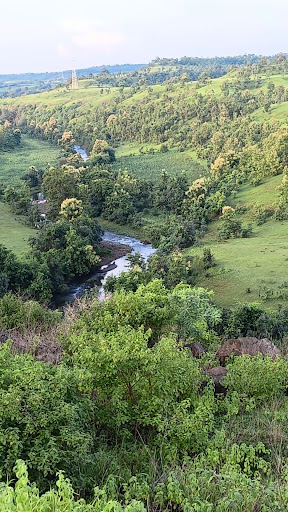
Satpura Tiger Reserve (STR) also known as Satpura National Park is located in the Hoshangabad district of Madhya Pradesh in India. Its name is derived from the Satpura range. It covers an area of 524 km2 (202 sq mi). Satpura National Park, along with the adjoining Bori and Pachmarhi wildlife sanctuaries, provides 2,200 km2 (850 sq mi) of unique central Indian highland ecosystem. It was set up in 1981. The terrain of the national park is extremely rugged and consists of sandstone peaks, narrow gorges, ravines and dense forests. The altitude ranges from 300 to 1,352 metres (984 to 4,436 ft). It has Dhoopgarh peak as high as 1,350 metres (4,430 ft) and the almost level plains of Churna.
The nearest town to the national park is Pachmarhi and the nearest rail-head is Pipariya 55 kilometres (34 mi) away. The state capital Bhopal is 210 kilometres (130 mi) away.
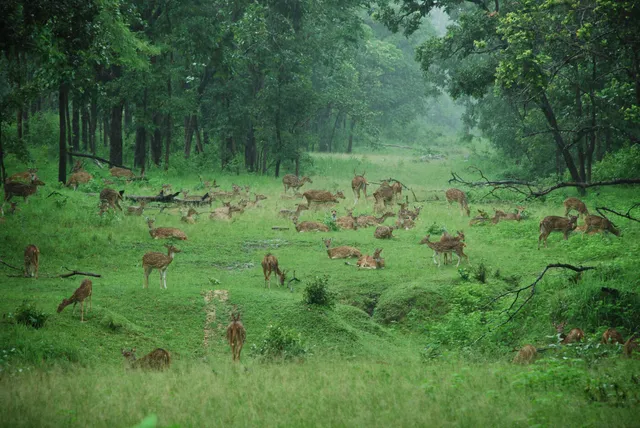
Satpura National Park is rich in biodiversity. The animals here include leopard, sambar, chital, Indian muntjac, nilgai, four-horned antelope, Chinkara, wild boar, bear, black buck, fox, porcupine, flying squirrel, mouse deer, and Indian giant squirrel. There are a variety of birds. Hornbills and peafowl are common birds found here. The flora consists of mainly sal, teak, tendu, Phyllanthus emblica, mahua, bel, bamboo, and grasses and medicinal plants.
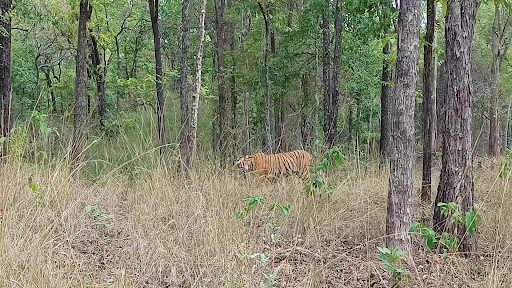
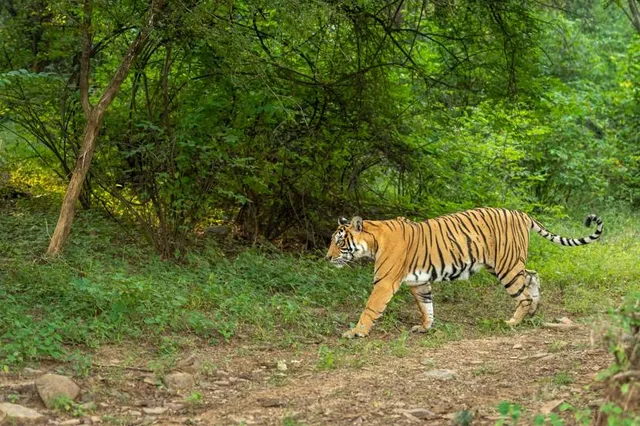
In previous years, there have been sightings of tigers, dholes, Indian gaur and barasingha, although these are rare.
Its name is derived from the Satpura Range. Satpura is a Sanskrit word, that means seven mountains (sapta – seven and pura – mountain). It was first explored by Captain James Forsyth of Bengal Lancers in 1862 while he was searching for Indian Freedom Fighter Tantya Tope.[3] It is one of the first declared Reserved Forest Area of India due to its ecological and commercial importance. It became a Tiger Reserve in the year 2000 and therefore it is also called Satpura Tiger Reserve (STR).
Satpura National Park, with inclusion of Pachmarhi & Bori Sanctuaries, Satpura Tiger Reserve it covers 1427 km2 of Hoshangabad and Chhindwara Districts of Madhya Pradesh. Satpura national park lies in Central India where moderate weather conditions prevails. Summer season prevails from March to June and during this time temperature reaches 30 °C in morning hours and 40 °C in day-time. May and June months are of peak summer time with heat waves but in higher regions the temperature remains low. Monsoon arrives in July month and lasts till September or October months. The average rainfall in the region is about 1300–1700 mm. Denwa river is the main water source of the park and Tawa dam has been built on this rivers. Its large encatchment area influences the climatic condition of national park. Winter season can be experienced from November to February during which temperature dips to 4 °C in morning hours around Pachmarhi Plateau and 15 °C in daytime. The lowest temperature is recorded as low as 1 degree in Pachmarhi. The winters are generally bright and cloudless with light showers in early November.
Transportation edit The nearest airport is in Bhopal, about 190 km away. The railway station is at Itarsi, about 50 km away, is the biggest railway junction of Central India; several other stations like Narsinghpur and Pipariya are within this radius. The reserve is near to Pachmarhi hill station, which is easily accessible via road from the major cities like Jabalpur, Narsinghpur, Chhindwara,...
Read moreI recently visited Satpura National Park on a solo trip and was captivated by its unique landscapes and rich biodiversity. However, my experience was not without its challenges. Here’s a detailed account of my visit:
The Good: Diverse Wildlife: Satpura National Park is a haven for wildlife lovers. I was fortunate to spot animals like Indian bison (gaur), sambar deer, and a variety of birds. The possibility of spotting leopards and sloth bears adds an element of excitement to the safari. Scenic Beauty: The park’s rugged terrain, lush forests, and serene water bodies create a breathtakingly beautiful setting. The sunrise over the Tawa Reservoir was a highlight of my trip. Peaceful Environment: Unlike other crowded national parks, Satpura offers a tranquil experience. The limited number of visitors ensures you can truly immerse yourself in nature. Knowledgeable Guides: The park staff and guides were well-informed and shared fascinating details about the flora, fauna, and conservation efforts. This enriched my safari experience. Unique Activities: In addition to jeep safaris, the park offers walking safaris and boat rides, which provide a more immersive and eco-friendly way to explore the area. The Challenges: Accessibility: Reaching the park is a bit challenging as it is located in a remote area. Public transportation is limited, and the roads leading to the park need better maintenance. Limited Amenities: While the accommodations around the park are decent, there are few budget-friendly options for solo travelers. Facilities inside the park, such as restrooms and seating areas, could also be improved. Safari Costs: The safari packages are slightly expensive for solo travelers. Group discounts or individual-friendly pricing would make it more accessible. Weather Variability: Visiting in February meant pleasant mornings and evenings, but midday temperatures were higher than expected. This can make longer safaris tiring. Suggestions for Future Visitors: Plan Early: Book safaris and accommodations in advance, especially during peak seasons, to secure your spot and get better deals. Pack Essentials: Bring water, snacks, sunscreen, and comfortable clothing to stay prepared for long hours in the wilderness. Hire a Guide: Opt for a knowledgeable guide to enhance your experience and increase your chances of spotting wildlife. Explore Beyond Jeep Safaris: Don’t miss the walking safari or boat ride to experience the park’s diverse ecosystems from different perspectives. Visit During the Season: The best time to visit is from October to March when the weather is pleasant, and wildlife sightings are more frequent. Final Thoughts: Satpura National Park is a gem for those who appreciate wildlife, serene landscapes, and offbeat adventures. While the park’s beauty and tranquility stood out, the lack of budget-friendly amenities and challenging accessibility were minor drawbacks.
My solo trip to Satpura was rewarding and gave me a chance to experience nature in its purest form. I’d highly recommend it to travelers seeking a peaceful and unique wildlife adventure. With better infrastructure and pricing options, this park could attract even more nature...
Read moreSatpura National Park, part of the Satpura Tiger Reserve, is a biodiversity hotspot in Madhya Pradesh, home to diverse flora and fauna, including tigers, leopards, and various bird species, and known for its mixed deciduous forests and scenic landscapes. [1, 2, 3, 4] Here are some key facts about Satpura National Park: Location & Significance: [1, 3, 5]
• Location: Situated in the Mahadeo Hills of the Satpura range in Madhya Pradesh, near the capital city of Bhopal. • Part of Satpura Tiger Reserve: The park is a core area of the larger Satpura Tiger Reserve, which also includes Bori Sanctuary and Pachmarhi Sanctuary. • Biosphere Reserve: The Satpura Tiger Reserve was declared as the first biosphere reserve of Madhya Pradesh in 1999. • Area: The park covers an area of 1427 sq km. • Core Area: The core area of the Satpura Tiger Reserve is 1339.26 sq km, with a buffer area of 794.04 sq km. [1, 3, 5]
Flora & Fauna: [2]
• Mixed Deciduous Forests: The park is characterized by a mixed deciduous forest ecosystem. [2] • Rich Biodiversity: It is home to a variety of flora and fauna, including 52 species of mammals, 31 species of reptiles, and 300 species of birds. [1, 4] • Endangered Species: The park is a habitat for endangered and rare species. [4] • Wildlife: Notable wildlife includes tigers, leopards, deer, wild boar, chinkara, flying squirrels, and various bird species like hornbills and peacocks. [1, 6] • Floral Variety: The park boasts a stunning floral variety, with over 1300 species of plants. [4]
Activities & Tourism: [2, 7]
• Safari: The park is popular for wildlife safaris, allowing visitors to explore the wilderness. [2, 7] • Churna Safari: The Churna Safari, starting from the Madhai Gate, takes adventurers deep into the heart of the park. [7] • Walking Safaris: Satpura National Park is known for its walking safaris, allowing for a closer experience of the forest. [8] • Other Activities: Other activities include cycling, canoeing, and trekking. [1] • Bee Falls: Bee Falls, a stunning waterfall located near the park, is a popular picnic and photography spot. [9, 10] • Pandav Caves: Pandav Caves, believed to be the abode of the Pandavas during their exile, are an important religious site and tourist attraction. [11] • Handi Khoh: Handi Khoh, a V-shaped ravine, is another popular attraction with mythological significance. [12] • Denwa Backwater Escape: Denwa Backwater Escape Resort is located on the bank of the Denwa River, which is considered the lifeline of the Satpura...
Read more