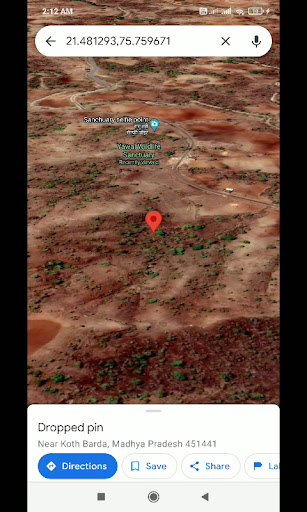
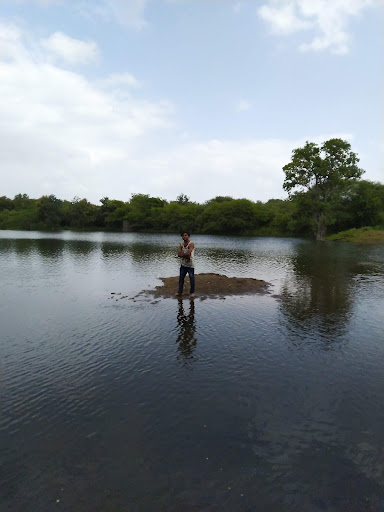
Yawal Wildlife Sanctuary is located in the northwest region of Maharashtra, close to the border with Madhya Pradesh. It covers an area of approximately 178 square kilometers.
The sanctuary boasts a variety of vegetation, including dry deciduous forests, teak forests, grasslands, and riverine vegetation. Trees like teak, ain, dhawada, salai, and bamboos are found here.
Yawal Wildlife Sanctuary is home to a diverse range of wildlife. The sanctuary is known for its population of Indian leopards and sloth bears. Other animals found here include spotted deer, sambar deer, barking deer, wild boars, Indian civets, jungle cats, and various species of birds including peafowl, jungle fowl, and migratory birds.
The sanctuary is a haven for birdwatchers, with over 210 bird species recorded, including migratory birds like flamingos, storks, and pelicans during the winter months.
Yawal is also home to several species of reptiles such as pythons, cobras, vipers, and monitor lizards.
The sanctuary is crisscrossed by rivers, the most prominent being the Anner River, which provides water to the wildlife and supports various aquatic species.
The sanctuary offers eco-tourism and wildlife viewing opportunities. Visitors can explore the sanctuary through guided safaris, nature walks, and birdwatching excursions.
The sanctuary is managed by the Forest Department of Maharashtra and efforts are made to conserve the biodiversity of the region while promoting sustainable tourism.
Yawal Wildlife Sanctuary is accessible by road from nearby cities like Jalgaon and Bhusawal. The nearest railway station is in Bhusawal, and the nearest airport is in Aurangabad.
Yawal Wildlife Sanctuary was established in 1962 to protect the diverse flora and fauna of the area. Initially, it was declared a sanctuary covering an area of 188 square kilometers. Over time, its area was reduced to the current 178 square kilometers due to various reasons including human encroachment and administrative adjustments.
Since its establishment, the sanctuary has been under the management of the Maharashtra Forest Department. Conservation efforts have focused on protecting the habitat, controlling poaching, managing human-wildlife conflicts, and promoting sustainable tourism.
Yawal Wildlife Sanctuary plays a crucial role in conserving the biodiversity of the region, especially the habitat for Indian leopards and sloth bears, which are among the flagship species of the sanctuary.
Over the years, efforts have been made to involve local communities in conservation initiatives to reduce their dependency on forest resources and mitigate conflicts between humans and wildlife.
The sanctuary has undergone changes and expansions over the years to accommodate the needs of wildlife and maintain ecological balance. It has also gained recognition as an Important Bird Area (IBA) due to its significance for avifauna conservation.
Various research and monitoring activities have been carried out in the sanctuary to understand the dynamics of its ecosystem, population trends of wildlife species, and the impact of conservation interventions.
In recent years, the sanctuary has also been developed as a tourist destination, offering opportunities for wildlife safaris, nature walks, and birdwatching tours. This not only generates revenue but also raises awareness about the importance of conservation...
Read moreYawal wildlife sanctuary safari in Jalgaon offers an amazing wildlife treat for nature lovers. Wide species of animals, birds, plants & another biodiversity can be seen in this sanctuary. Lets see the review of this amazing place!
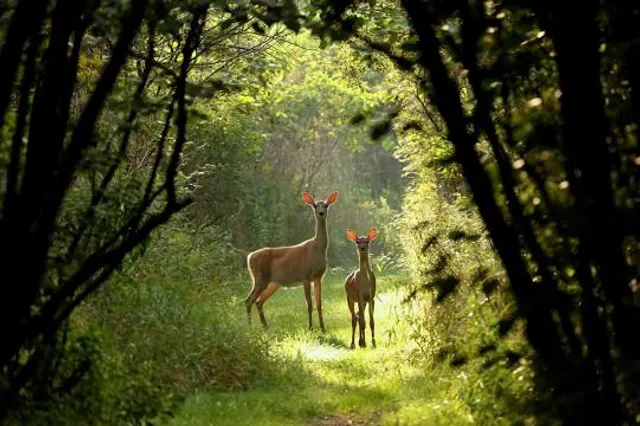
Location: Yawal Wildlife Sanctuary, 117 kms from Jalgaon city, Jalgaon District, Yawal Pin Code – 425 302, Maharashtra.
Information:
Yawal Wildlife Sanctuary is located in Jalgaon district of Maharashtra. Expanded over an extensive area of 177.52 sq.kms, it offers a good wildlife treat. An excellent wildlife habitat is maintained in this wildlife reserve. The sanctuary is nestled in western Satpuda mountain ranges. This is among the best sanctuaries in the Maharashtra. A dam built over Sukki River helps to irrigate the sanctuary. This dam remains filled up with water throughout the year.
A Large variety of Flora & fauna is present in Yawal Wildlife Sanctuary. This sanctuary is similar to the Melghat Tiger Reserve which is situated near this sanctuary only. Tiger and flying squirrel are the major and most famous animals of Yawal Sanctuary.
The sanctuary is situated on the boundaries of Maharashtra &Madhya Pradesh. One can see rich biodiversity, flora & fauna in Yawal wildlife sanctuary safari. One can experience amazing beauty of nature in this sanctuary. It is a perfect place to enjoy magnificent wildlife habitat along with the beautiful natural scenery. Yawal forest reserve is one of the most visited wildlife sanctuaries in Maharashtra and India as well.
Wildlife in Yawal Wildlife Sanctuary
Flora (Plant Species)
The sanctuary is enriched with a variety of flora including Teak, Amla, Tiwas, Salai, Anjan, Tendu & other plants. Various Trees like such as Ain, Shisam, Charoli, Jamun & Bamboo are widely found in this region.
Other flora species in this forest are Bel, Babul, Palas, Dhawda, Kauriculata, Sal, Casia, Species of Terminenalia, Helicteres, Salaia, Bija, Zizphus etc. Shrubs like Nirgudi and grass species are widely present in this sanctuary.
Fauna
Animals: Animals found in Yawal Wildlife Sanctuary Are Tiger, Leopard, Hyena, Jackal, Jungle Feline, Fox, Wild Pig, Palm Civet, Wolf, Chinkara, Nilgai, Wild Pooch, Flying Squirrel, Sambar, Sloth Bear, Barking Deer etc.
Butterflies: Blue tiger Butterflies can also be spotted in this reserve. These butterflies generally spotted on Nirgudi Plants.
Amphibians: Many water frogs are there inside the river.
Birds: Sanctuary serves as a home to a lot of birds. Many migratory birds too visit the sanctuary and adds scenic beauty to this place. You can spot various types of land birds, grass birds and hill birds are found in Yawal Wildlife Sanctuary safari. Birds like Red Wattled Lapwing, Black Headed Ibis, Black Winged Stilt, Hoopoe, Little Egret, Cattle Egret and many other birds can be spotted in this area.
Sanctuary border lies along the banks of the Anner river and Manjal river that flows towards the Madhya Pradesh. This is really a good spot for Adventure & wildlife lovers. One can capture some amazing landscape snaps at...
Read moreThe Yawal Wildlife Sanctuary is located in the Jalgaon district of Maharashtra, India. Here are some key features of the Yawal Wildlife Sanctuary:
Geographical Location: Yawal Wildlife Sanctuary is situated in the northern part of Maharashtra, near the border with Madhya Pradesh. It is spread across the Satpura and Ajanta hill ranges.
Flora and Fauna: The sanctuary is known for its diverse flora and fauna. It houses a variety of wildlife, including deer, blackbuck, Indian bison (gaur), sloth bear, leopard, and various species of birds.
River Tapi: The Tapi River flows through the sanctuary, adding to its scenic beauty and providing a water source for the wildlife.
Rich Biodiversity: Yawal Wildlife Sanctuary is recognized for its rich biodiversity, with a mix of grasslands, deciduous forests, and riverine habitats.
Blackbuck Conservation: The sanctuary has played a crucial role in the conservation of the blackbuck population. Blackbucks are often spotted in the grassy plains of the sanctuary.
Avian Diversity: Birdwatchers can find various species of birds in the sanctuary, making it a favorable destination for birdwatching enthusiasts.
Tourist Attractions: The sanctuary attracts nature lovers and wildlife enthusiasts. Visitors can explore the natural beauty, engage in wildlife safaris, and appreciate the diverse ecosystems.
Accessibility: The sanctuary is accessible by road, and the nearest major town is Jalgaon. The region's topography offers a mix of hills, plateaus, and river valleys.
Conservation Efforts: Conservation initiatives in Yawal Wildlife Sanctuary aim to protect and preserve the natural habitats and species diversity within the sanctuary.
Before planning a visit, it is advisable to check with local authorities or wildlife officials for the latest information on entry permits, safari availability, and any specific guidelines...
Read more