When Shivraj was expanding, Shivaji Maharaj won the fort on July 27, 1673. Shivaji Maharaj had to take rest for two months after coming to the fort. Aurangzeb entered Maharashtra in 1682 after Shivaji Maharaj's death. C. In 1699, Aurangzeb set siege to Durga in Satara. At that time, the fortress of the fort was Prayagji Prabhu. On the morning of April 13, 1700, when the Mughals used to make two tunnels and lights for tunneling, the Mars bastion was thrown into the sky in a moment. Some of the Marathas on the coast collapsed. Prayagji Prabhu was also found in the blast, but did not read anything without harm. In the same time, the second explosion occurred. Therefore, the Mughals who were going forward on the big shore collapsed and 150 thousand Mughal soldiers were killed. All the granulation and ammunition of the fort ended and on 21 April, Subhanji won the fort. It took a little over four and a half months for the Mogli target to cast the fort. The fort is named after Azmatara.
The fortress again captured the fort and named it Ajinkya! But this temple did not get any benefit from the Taraniani. Again, the fort became independent of the Mughals, but in 1708 Shahu took the fort and repel himself. C. In 1719, Matoshree Yeshubai of Maharaj was brought to the fort. Later this fort was taken to Peshawar. After the death of another Shahu, the fort went to the edicts on 11 February 1818. Places to see:There are two doors on the path of Satara from which we enter the fort. Even today, the first door of these two doors is in good condition. There are two bastions in the door. On entering the door, there is a temple of Hanuman on the right. It is better to live in this temple, but there is no water available on the fort. After going inside the door, going straight through the road on the left, there is a Mahadeo temple on the way. In front of the Prasar Bharti Center and behind the two Prasar Bharati centers have towers. On the way forward, there is a path to the left and a place written on "Mangaldevi temple".
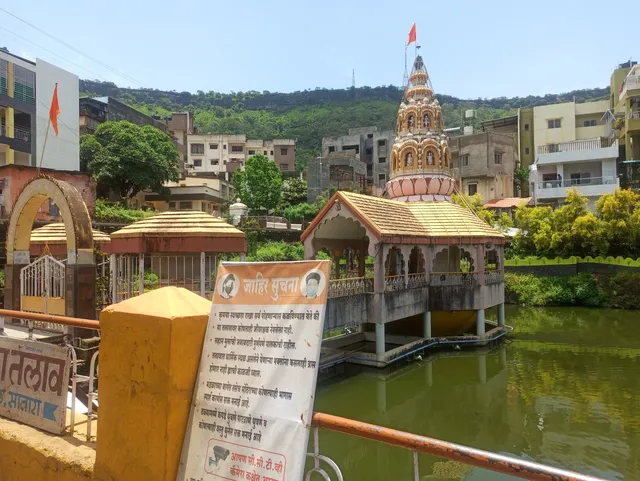
This route has a ruined palace of Tarabai. There is a storehouse here. At the end of the road there is a temple of Mangaladevi. In front of the temple there is a Maungdawoon. There are many sculptures found in the premises of the temple. This way, going forward with the help of fortification is the same as putting the fort on the fort. There are also two doors in the south of the fort. They are seen when they are passing through the fort. This door comes from Satara-Karad Damage. There are three lakes of water at the door. During the summer, there is no water in the ponds. There is a need to descend in the way by coming up with the Pradakshina fort.
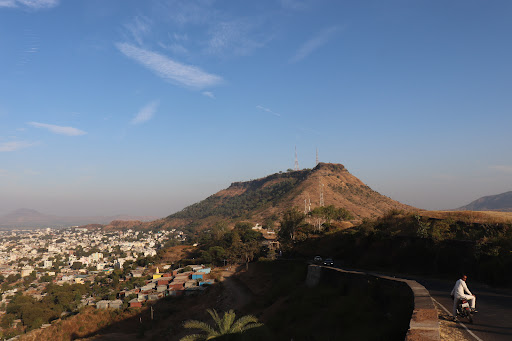
From the fort, we see the area of Yavatishwar plateau, Chandanvandan fort, Kalyangad, Zarda and Sajjangad. Normal to see the whole of ?? It takes one and a half hours. Distance to reach:Ajinkya Fort is in Satara city, so many points from the fort to the fort. You can get any train from Satara ST station and take the train from the court highway and get down to the court. Bus services like Satara to Rajwada are available every 10 to 15 minutes. It takes 10 minutes from the Rajwada bus stand to the court hall. By the direct road leading up to the courtroom, we take the car going to the road to the road. From there 1 km on the road to the road, we reach the gate entrance directly. There is also a direct train route to go to the fort. By this road we reach the door of the fort. It takes about 1 hour to reach the fort via any route. Accommodation Facility:Ten to 15 people can live in the temple of Hanuman on the fort. Food Facility:Should we make arrangements for meals? Water Facility:From Satara generally ??: It takes 1 hour. Notice:Places of Ajinkya, Sajjangad, Yavatswar and Pateshwar are available for two...
Read moreTitle: Ajinkyatara Fort: A Majestic Gateway to History and Panoramic Views
Rating: ★★★★☆
Situated in the scenic district of Satara, Maharashtra, Ajinkyatara Fort stands as a magnificent testament to the region's rich history and offers breathtaking panoramic views. During my recent visit, I had the pleasure of exploring this ancient fort and was mesmerized by its grandeur and captivating surroundings.
As I ascended the fort's rocky trail, I couldn't help but appreciate the impressive architecture and strategic location of Ajinkyatara Fort. Its sturdy walls and intricate design showcased the fort's historical significance as a defensive structure during various periods. The climb to the top was invigorating, and I felt a sense of adventure and anticipation.
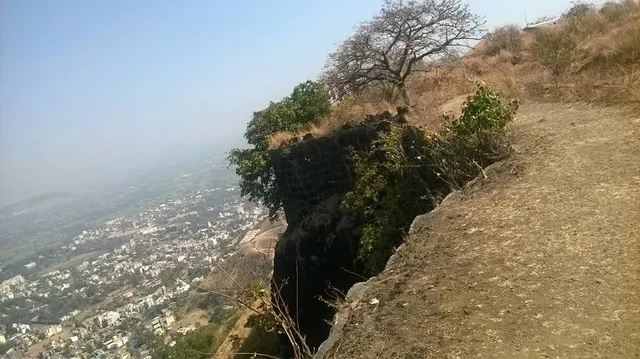
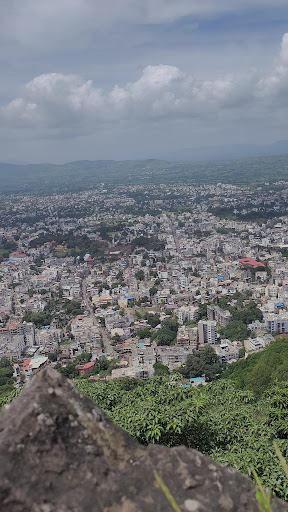
Upon reaching the summit, I was rewarded with awe-inspiring vistas that stretched as far as the eye could see. The fort offers commanding views of the picturesque Satara city, lush green valleys, and the majestic Sahyadri mountain range. The breathtaking sight left me in awe and provided a perfect backdrop for photography enthusiasts.
Exploring the fort's inner chambers and ramparts was like stepping back in time. The remnants of ancient structures, including the majestic gateways, temples, and water reservoirs, offered glimpses into the fort's storied past. The ruins and artifacts provided a window into the lives of the people who once called this fort their home.
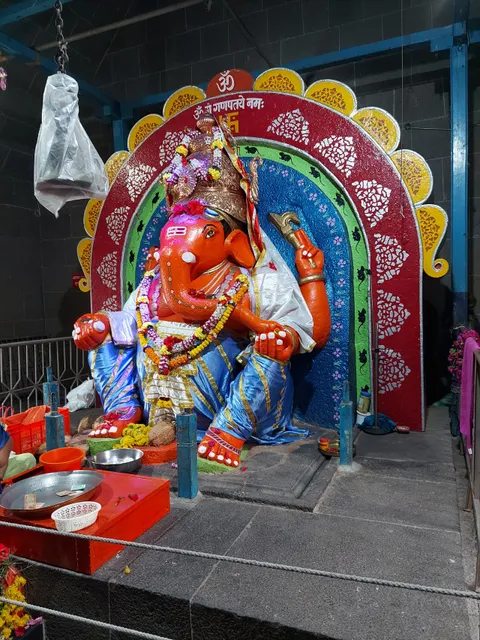
One of the highlights of Ajinkyatara Fort is the revered deity of Goddess Ajinkyatara, after whom the fort is named. Devotees flock to the temple to seek blessings and pay homage to the goddess. The spiritual aura and the sense of devotion add an extra layer of significance to the fort's cultural heritage.
While the fort offers a rich historical and cultural experience, it's important to note that the site could benefit from better maintenance and preservation efforts. Some areas showed signs of deterioration, and additional measures to protect the structures and artifacts would enhance the visitor experience.
Overall, my visit to Ajinkyatara Fort was an enchanting journey through history and natural beauty. The combination of historical significance, panoramic views, and the sense of adventure made it a memorable experience. If you have an appreciation for heritage sites, breathtaking vistas, and a desire to immerse yourself in the tales of the past, a visit to Ajinkyatara Fort in Satara is highly...
Read moreAjinkyatara which literally means [The Inpregnable Star] is one of the best forts in Satara. This fort was under Chhatrapati Shivaji Maharaj's rule in the 16th century and holds quite a historical importance in the history of Maharashtra. One can get specatular views of Satara city from this fort, Today this fort holds the TV tower for Satara City like Sinhagad has the TV tower for Pune. : The best time to visit would be winter. The trek of Ajinkyatara is of easy level and hence is recommended for novice trekkers. If you do not want to trek, there is a motorable road that takes you directly to the top of the fort.
: The fort is situated in Satara city and hence there are many ways to get to the fort. From Pune, this fort is exactly 115kms away. You can ask the locals for the route to Adalat Wada. From Adalat wada, a motorable road will take you to the top of the fort.
Bastions on the fortHanuman TempleMahadev TempleMangaladevi TempleTara Rani's PalaceLakes on the fort
We are not sure if camping is allowed on this fort as we had gone for a one day trip to Ajinkyatara. But the Hanuman temple is large enough to accomodate atleast 12-13 people. Also its better that you carry your own food as there are no good restaurants nearby.
There is no potable water on the fort, hence if you are planning for overnight treks, ensure that you have plenty of drinking water and usable water.
During the winters, the temperate falls pretty low and hence take enough of blankets or anything that will keep you warm at night. After a hard days trek, all you need is a good night sleep.
History: This fort was also the capital of the Maratha Empire like Raigad. It was the 4th Capital.
In 1708 Shahu Maharaj won this fort by treachery and then this was under the Maratha Empire till 1818. This was the place where Shahu Maharaj had imprisoned Tarabai. Earlier, Tarabai Raje Bhonsale had won this fort from the Mughals and renamed it to Ajinkyatara. Under the Mughal rule, Ajinkya Tara was called Azamtara.
Please leave a comment below for others if you have been to Ajinkyatara or you have any questions related to...
Read more