Brahmagiri Mountain: Where Spirituality Meets the Sublime Brahmagiri, a name that echoes through the annals of Indian geography and spirituality, embodies a unique confluence of the sacred and the sublime. More than just a geographical peak, it represents a multifaceted entity, revered as the source of a mighty river and cherished as a haven for biodiversity. While the name Brahmagiri might conjure images of different peaks for different individuals—one standing sentinel over the sacred origins of the Godavari in Maharashtra, the other presiding over the verdant embrace of the Western Ghats in Karnataka—both share an undeniable allure that draws pilgrims, trekkers, and nature enthusiasts alike. The Brahmagiri in Maharashtra, specifically near Trimbakeshwar in Nashik, holds a profound spiritual significance that has resonated for millennia. It is here that the sacred Godavari River, often referred to as the 'Ganga of the South,' is believed to have its genesis. This association elevates the mountain from a mere landform to a divine entity, a focal point for spiritual aspirations. Pilgrims undertake the ascent, often via ancient stone steps, not merely as a physical journey but as an act of devotion, seeking blessings and purification at the very source of life-giving waters. The air here is thick with history and reverence, each stone imbued with the prayers of generations. The panoramic vistas from its summit, overlooking the sprawling plains and the revered Trimbakeshwar temple, serve as a breathtaking testament to the harmony between faith and nature. This Brahmagiri stands as a silent witness to countless rituals, a repository of myths and legends that continue to shape the cultural fabric of the region. Contrastingly, the Brahmagiri Peak in Coorg, Karnataka, unveils a different facet of the mountain's grandeur. Nestled within the Brahmagiri Wildlife Sanctuary, this peak is a jewel of the Western Ghats, a UNESCO World Heritage site renowned for its exceptional biodiversity. Here, the allure lies not just in spiritual reverence but in the raw, untamed beauty of the wilderness. The trek to its summit is an immersive journey through dense shola forests, emerald grasslands, and gurgling streams, offering a rich tapestry of flora and fauna. Enthusiasts embark on this challenging ascent to witness the vibrant ecosystem that thrives within the sanctuary, with the hope of spotting majestic elephants, elusive leopards, or a myriad of exotic bird species. The summit rewards the intrepid with a breathtaking 360-degree panorama of rolling hills, mist-kissed valleys, and the dramatic contours of the Western Ghats, a spectacle that truly embodies the sublime power of nature. Despite their distinct characteristics and geographical locations, both Brahmagiri mountains share a common thread: their ability to inspire awe and introspection. They serve as poignant reminders of humanity's intrinsic connection to the natural world, whether through the lens of faith or the appreciation of ecological richness. The challenges faced during the ascent, be it the slippery steps of a monsoon pilgrimage or the rugged trails of a forest trek, are invariably rewarded by the profound sense of accomplishment and the unparalleled beauty that awaits at the summit. However, the increasing popularity of both these sites also brings with it a responsibility. The beauty of Brahmagiri, in both its forms, is fragile. The spiritual sanctity of the Nashik peak can be marred by litter, and the ecological balance of the Coorg sanctuary can be disrupted by unsustainable tourism. Thus, the journey to Brahmagiri, in all its manifestations, must be undertaken with respect – respect for its sacred history, respect for its delicate ecosystems, and respect for the tranquility it offers. In conclusion, Brahmagiri mountain, whether viewed through the prism of its divine origins in Maharashtra or its pristine wilderness in Karnataka, stands as a testament to India's rich natural and cultural heritage. It is a place where the human spirit finds solace and...
Read moreIntroduction: Nestled in the enchanting Western Ghats of India, the Brahmagiri Mountains stand as a testament to nature's grandeur. As an avid traveler and nature enthusiast, I recently had the pleasure of exploring this remarkable destination. Here, I present my review of the Brahmagiri Mountains, an ethereal realm where lush forests, captivating wildlife, and spiritual allure combine to create an unforgettable experience.
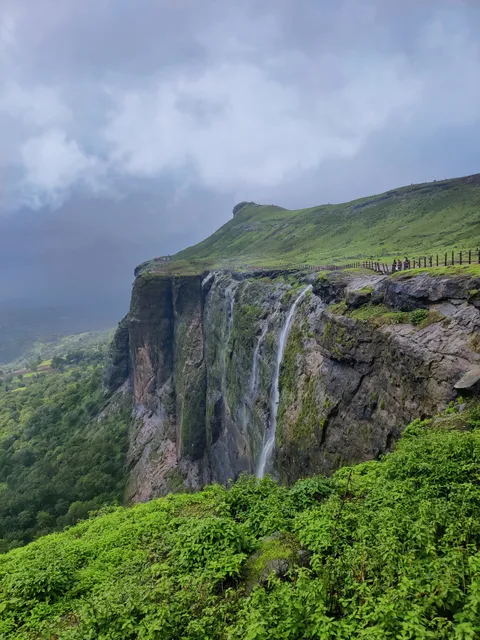
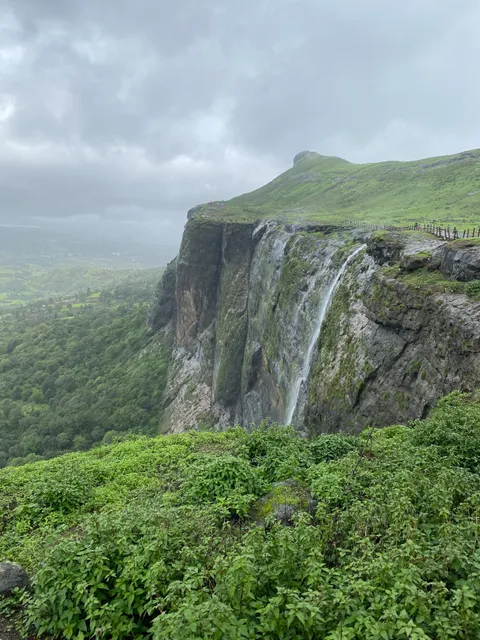
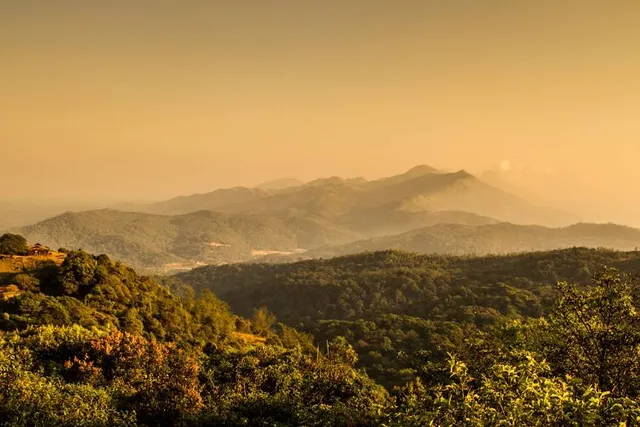
Scenic Delight: The moment I set foot in the Brahmagiri Mountains, I was awestruck by the stunning natural beauty that unfolded before my eyes. Verdant landscapes stretched as far as the eye could see, with thick canopies of evergreen forests covering the rolling hills. Towering trees and vibrant foliage painted a mesmerizing picture, breathing life into the surroundings. The panoramic vistas from the mountain peaks were nothing short of breathtaking, with mist-shrouded valleys and cascading waterfalls adding an ethereal touch to the scenery.
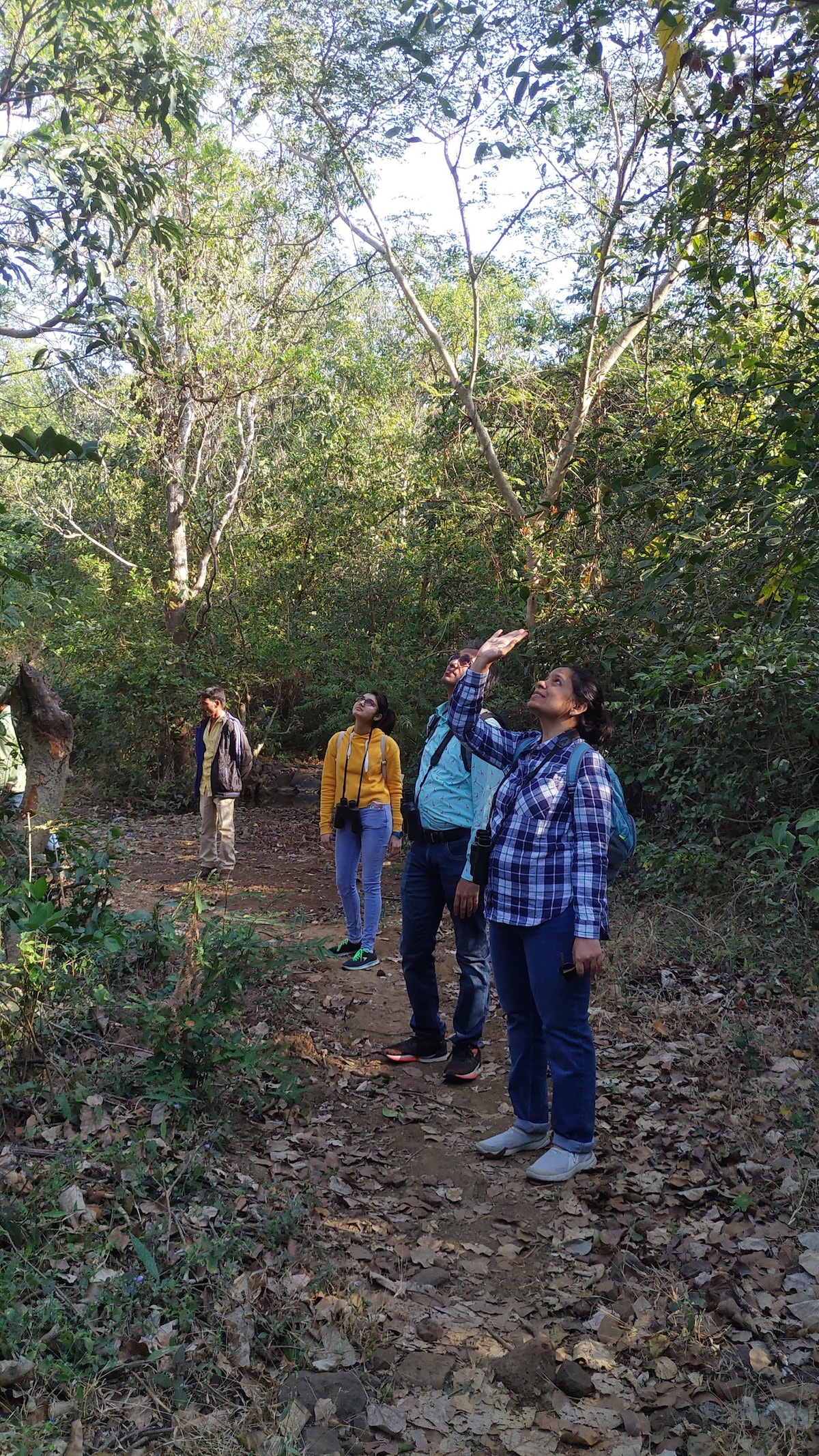
Rich Biodiversity: The Brahmagiri Mountains are a haven for nature enthusiasts and wildlife aficionados alike. Teeming with diverse flora and fauna, this region offers an extraordinary opportunity to witness Mother Nature's creativity. While trekking through the dense forests, I encountered an array of exotic species, including langurs, Malabar giant squirrels, and elusive leopards. The birdlife was equally captivating, with the mellifluous songs of bulbuls and the vibrant plumage of hornbills adding an enchanting soundtrack to my journey.
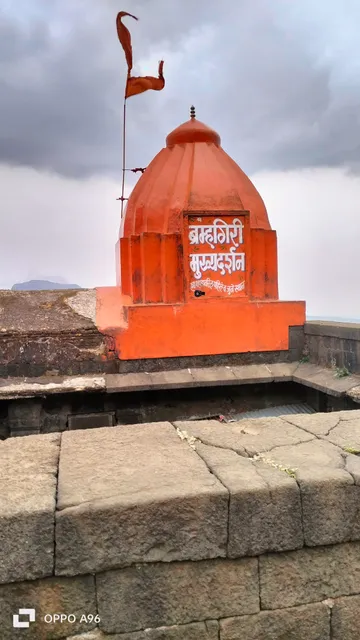
Tranquil Ambience: Beyond its natural beauty, the Brahmagiri Mountains exude a serene and spiritual ambiance. The mountains hold immense significance in Hindu mythology and are believed to be the abode of Lord Brahma. As I explored the ancient temples and sacred sites scattered throughout the region, I could feel a profound sense of tranquility enveloping me. The peacefulness and solitude offered by the mountains allowed me to reflect, rejuvenate, and connect with my inner self.
Trekking Adventures: For adventure seekers, the Brahmagiri Mountains offer a plethora of exhilarating trekking trails. With varying difficulty levels, these trails cater to both novice hikers and experienced mountaineers. I embarked on the Brahmagiri Wildlife Sanctuary trek, a mesmerizing expedition that took me through dense forests, pristine streams, and picturesque meadows. The encounter with the majestic Irupu Falls along the way was a highlight of the journey, leaving me in awe of nature's raw power.
Local Culture and Hospitality: The warmth and hospitality of the locals in the Brahmagiri region were truly remarkable. The indigenous communities residing in the vicinity of the mountains embrace their rich cultural heritage, which is reflected in their art, music, and traditional practices. Interacting with the locals provided a deeper understanding of the region's history and added a personal touch to my...
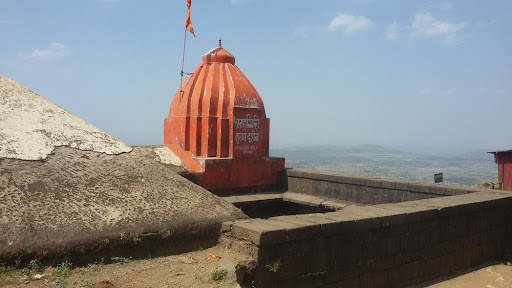
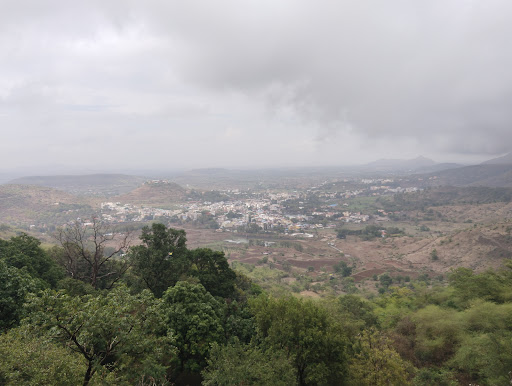
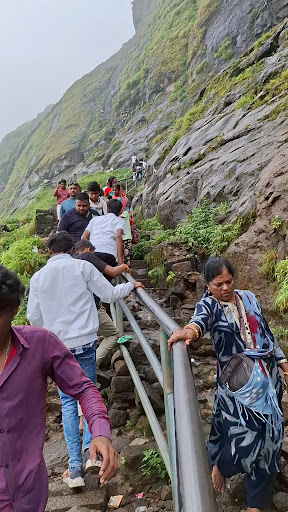
Read moreRecently in during diwali 2021 we had visited Brahmagiri hill near Trimbakeswar and the trip was excellent. Though people say that those hill areas are good during or after the monsoon due to their greenish views but visiting this time in winter will give you another side of the image. The hills will look quite dry but you will be able to notice the wall like rocks along the Brahmagiri or Sahayadri ranges. We went to this place from Trimbakeswar. If you have your own car and if it is small hatchback and of you are quite confident in driving along the narrow ghat roads then you can go of your own. But I suggest you take the rental autos from Trimbakeswar who will charge you between 400-600 for to and fro trips as that you give you some relaxation due to not driving but viewing the beauty of the nature. Once you reach Brahmagiri (some 10-12 kms which will take 45 mins) you will be de-boarded from your vehicle at the entrance of the ghat. Then you have to take a rough muddy road for about 1 kms and then the stairs start. There are lots of Palki (palanquin) services available for aged and/or physically challenged people (and also for kids to have fun) - they take some 800-1000 for taking you in those palkis. A single adult or 2-3 kids can sit on one Palki. There are around 180-200 steps to reach Ganda Dwar or Ganga Mandir which is the origin of river Godavari (The river Godavari is called Dakshin Ganga or the Ganges of the Southern India and hence the names Ganga Dwar or Ganga Mandir. There is another route to reach Brahmagiri or Ganga Dwar which is from Trimbakeswar State highway and in that case you have to climb around 750 steps. Suggestable is this route where you can go through vehicle and then climb for 150-200 steps. Once you reach Ganga Dwar then you can view the Kund (well) to witness the origin of river Godavari. The same hill hosts many other tourist places like 108 Shiva lingam caves (bit narrow and you have to be very careful while walking along the route) and other caves like Rishi Goutam and Rishi Gorakh. But once you reach and visit there then you will be able to witness a different feeling by realizing how those sages did their tapasyas in those caves thousands of years ago. Atop the hill there are many other caves and Shiva lingams but to reach there you have to cross some 1500 steps from the down State highway. But visiting Ganga Dwar or Ganga Mandir and other nearby caves in of great worth considering the rough routes and those 200-300 steps climbing. Also you will find water bottles, sugarcane juice and some biting food stalls. You can hire bamboo sticks as well (hardly 10-15 Rs per stick) if you need a support while climbing up. Overall it's quite a good place to visit with family and kids (ensuring the parents take care of their kids safety). Considering travel time of nearly 2 hours to and fro Trimbakeswar it is worth staying there for...
Read more