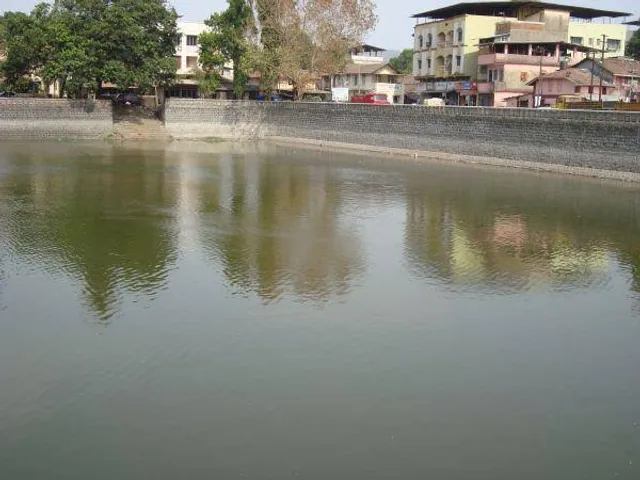
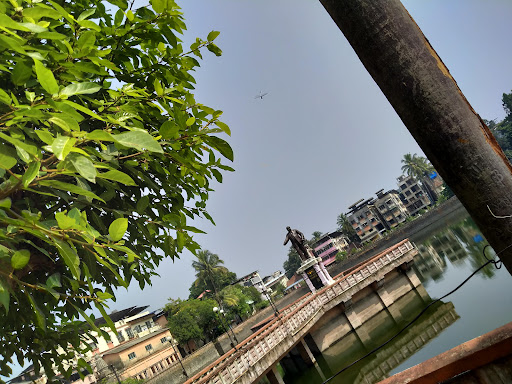
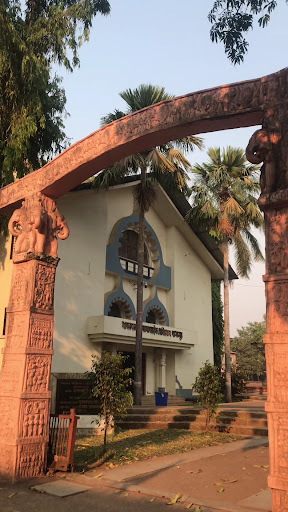
Awesome place. Has a great Scenario at Night. Is a part of History for the work done by Dr.B.R. Ambedkar for the Dalits of India known as Untouchables. Mahad Satyagraha or Chavdar Tale Satyagraha was a satyagraha led by Dr. B. R. Ambedkar on 20 March 1927 to allow untouchables to use water in a public tank in Mahad (currently in Raigad district), Maharashtra, India. The day (20 March) observed as Social Empowerment day in India. By the Indian caste system, untouchables (Dalits) were segregated from the casteHindus. They were banned from using water bodies and roads which were used by caste Hindus. On August 1923, Bombay Legislative Council passed a resolution that people from the depressed classes should be allowed to use places which were built and maintained by the Government. In January 1924, Mahad which was part of the Bombay Provincepassed the resolution in its municipal council to enforce the act. But it was failed to implement because of the protest from the caste Hindus. In 1927, Ambedkar decided to launch a satyagraha (nonviolent resistance) to assert their rights to use water in the public places. His Bahishkrit Hitakarini Sabha arranged a conference on Holi 19-20 March 1927 in Mahad, in which more than thousand people were gathered. At the end of the conference, they marched to the Chavdar Tale (tasty water lake), the main tank of the town and they drank water from the tank. A riot broke out following a rumour that Ambedkar and his followers were planning to enter a Hindu temple in the town. And the caste Hindus purified the tank by performing puja, argued that untouchables polluted the tank by taking...
Read moreAwesome place. Has a great Scenario at Night. Is a part of History for the work done by Dr.B.R.
Ambedkar for the Dalits of India known as Untouchables.
Mahad Satyagraha or Chavdar Tale
Satyagraha was a satyagraha led by Dr. B. R. Ambedkar on 20 March 1927 to allow untouchables to use water in a public tank
in Mahad (currently in Raigad district), Maharashtra, India. The day (20 March) observed as Social Empowerment day in India. By the Indian caste system, untouchables (Dalits) were segregated from the caste Hindus. They were banned from using water bodies and roads which were used by caste Hindus. On August 1923, Bombay Legislative Council passed a resolution that people from the depressed classes should be allowed to use places which were built and maintained by the Government. In January 1924, Mahad which was part of the Bombay Provincepassed the resolution in its municipal council to enforce the act. But it was failed to implement because of the protest from the caste Hindus.
In 1927, Ambedkar decided to launch a satyagraha (nonviolent resistance) to assert their rights to use water in the public places. His Bahishkrit Hitakarini Sabha arranged a conference on Holi 19-20 March 1927 in Mahad, in which more than thousand
people were gathered. At the end of the conference, they marched to the Chavdar Tale (tasty water lake), the main tank of the town and
they drank water...
Read moreBy the Indian caste system, untouchables (Dalits) were segregated from the other Hindu castes. They were banned from using water bodies and roads which were used by other Hindu castes. In August 1923, Bombay Legislative Council passed a resolution that people from the depressed classes should be allowed to use places which were built and maintained by the government.[2] In January 1924, Mahad which was part of the Bombay Province passed the resolution in its municipal council to enforce the act. But it was failed to implement because of the protest from the savarna Hindus. In 1927, Ambedkar decided to launch a satyagraha (nonviolent resistance) to assert their rights to use water in the public places.
Mahad, a town in Konkan, was selected for the event because it had a nucleus of support from 'caste hindus'. These included A.V.Chitre, an activist from the Marathi Chandraseniya Kayastha Prabhu (CKP) community; G.N.Sahasrabudhe, a Chitpawan Brahmin of the Social Service League and Surendranath Tipnis, a CKP who was president of the Mahad...
Read more