HTML SitemapExplore

DHARASHIV BUDDHIST AND JAIN CAVES — Attraction in Maharashtra

Name
DHARASHIV BUDDHIST AND JAIN CAVES
Description
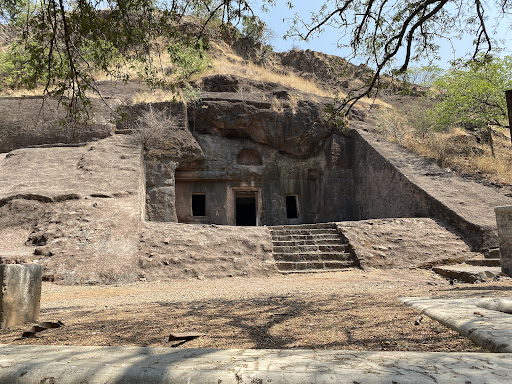
Dharashiv caves are the nexus of seven caves located 8 km away from Osmanabad city, now renamed as Dharashiv city, in Balaghat mountains in Maharashtra state of India. The caves were taken note by Archaeological Department of India and mentioned in the book Archaeological survey of India by James Burges.
Nearby attractions
Nearby restaurants
Nearby local services
Nearby hotels
Related posts
Keywords
DHARASHIV BUDDHIST AND JAIN CAVES tourism.DHARASHIV BUDDHIST AND JAIN CAVES hotels.DHARASHIV BUDDHIST AND JAIN CAVES bed and breakfast. flights to DHARASHIV BUDDHIST AND JAIN CAVES.DHARASHIV BUDDHIST AND JAIN CAVES attractions.DHARASHIV BUDDHIST AND JAIN CAVES restaurants.DHARASHIV BUDDHIST AND JAIN CAVES local services.DHARASHIV BUDDHIST AND JAIN CAVES travel.DHARASHIV BUDDHIST AND JAIN CAVES travel guide.DHARASHIV BUDDHIST AND JAIN CAVES travel blog.DHARASHIV BUDDHIST AND JAIN CAVES pictures.DHARASHIV BUDDHIST AND JAIN CAVES photos.DHARASHIV BUDDHIST AND JAIN CAVES travel tips.DHARASHIV BUDDHIST AND JAIN CAVES maps.DHARASHIV BUDDHIST AND JAIN CAVES things to do.
DHARASHIV BUDDHIST AND JAIN CAVES things to do, attractions, restaurants, events info and trip planning
DHARASHIV BUDDHIST AND JAIN CAVES
IndiaMaharashtraDHARASHIV BUDDHIST AND JAIN CAVES

Basic Info

DHARASHIV BUDDHIST AND JAIN CAVES

52W5+7WW, Dharashiv, Ghatangri, Maharashtra 413405, India
4.2(290)
Open 24 hours
Save
spot

Ratings & Description

Info

Dharashiv caves are the nexus of seven caves located 8 km away from Osmanabad city, now renamed as Dharashiv city, in Balaghat mountains in Maharashtra state of India. The caves were taken note by Archaeological Department of India and mentioned in the book Archaeological survey of India by James Burges.

Cultural
Scenic
Off the beaten path
attractions: , restaurants: , local businesses:
logoLearn more insights from Wanderboat AI.

Plan your stay

hotel
Pet-friendly Hotels in Maharashtra
Find a cozy hotel nearby and make it a full experience.
hotel
Affordable Hotels in Maharashtra
Find a cozy hotel nearby and make it a full experience.
hotel
The Coolest Hotels You Haven't Heard Of (Yet)
Find a cozy hotel nearby and make it a full experience.
hotel
Trending Stays Worth the Hype in Maharashtra
Find a cozy hotel nearby and make it a full experience.

Reviews

Get the Appoverlay
Get the AppOne tap to find yournext favorite spots!
Wanderboat LogoWanderboat

Your everyday Al companion for getaway ideas

CompanyAbout Us
InformationAI Trip PlannerSitemap
SocialXInstagramTiktokLinkedin
LegalTerms of ServicePrivacy Policy

Get the app

© 2025 Wanderboat. All rights reserved.

Posts

Dr Hemant. ToshikhaneDr Hemant. Toshikhane
The Dharashiv Caves, located about 8 kilometers from Osmanabad city (formerly Dharashiv), are a hidden gem with immense historical and cultural significance. Believed to date back to the 5th–7th century CE, these rock-cut caves were originally carved by Buddhist monks and later adapted for Jain worship during the Rashtrakuta period. The site holds tremendous archaeological importance, showcasing a blend of Vakataka and later Jain architectural features. There are a total of 7 caves carved into the Balaghat hills, and among them, Caves 2 and 5 are especially noteworthy. Cave 2 houses a central hall supported by massive stone pillars with a beautifully carved seated Buddha in Padmasana. Some of the caves are more intact and structured, while others are in a dilapidated state. Over time, these caves have stood silent witness to centuries of religious transitions and artistic evolution. However, despite the historical richness, the present condition of the site is disappointing and concerning. The entire area appears abandoned and poorly maintained. There is no official security at the entrance or within the vicinity. No ticket counters, no guide services, and no basic visitor infrastructure. Though there are rudimentary roads that lead to the caves, reaching the site is a challenge in itself. The final stretch of the road is extremely narrow, uneven, and not suitable for larger vehicles. For elderly tourists or families, the journey can be quite difficult. The caves are enveloped in silence and overgrowth, which adds a haunting beauty but also brings genuine safety concerns. Several caves have become nesting grounds for bats and other insects. The interiors are dark and damp, making it an uncomfortable and even fearful experience for some visitors. Walking inside alone or without proper lighting is not recommended. There are no signs, no pathways, and no lighting provided within or around the caves. From a safety perspective, the lack of monitoring or CCTV surveillance makes the place vulnerable—not just to potential miscreants but also to accidents. In case of an emergency, there is no help nearby. One would expect at least a basic security outpost or visitor help center at such a heritage site. The Maharashtra government or the Archaeological Survey of India (ASI) must step up and prioritize this site for restoration and conservation. Installation of proper signage, provision of guided tours, regular cleaning, pest control measures, setting up CCTV cameras, and appointing security personnel are urgently needed. Infrastructure-wise, the access road must be widened and leveled to accommodate safe travel for all types of vehicles. In conclusion, the Dharashiv Caves are a silent archive of India’s pluralistic spiritual past, but they’re fast fading into neglect. With better planning and execution, this site has great potential to become a popular heritage destination. Until then, visiting these caves remains a mixed experience—spiritually enriching, historically fascinating, but logistically and physically challenging. Rating: 3 out of 5 Visited: [Month/Year] Recommendation: Only for adventurous travelers or history enthusiasts until further development is needed
srawan kumarsrawan kumar
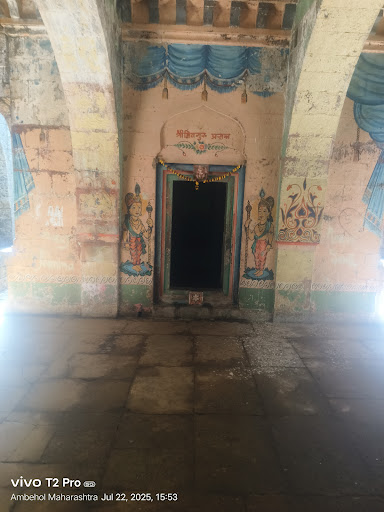
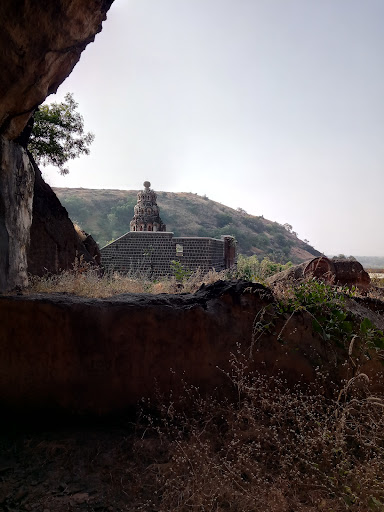
jain and buddhist caves….. reaching here is difficult as the roads are not good…. caves are verry poorly maintained… no tickets… there is one small temple near it …It is believed that these caves were original the Jain caves as there are many Digambar teerthankar idols in Khadagasan and Kayotsarg position … There are seven caves, 1st cave is harnessed by 20 pillars of scaffolding. Cave No. 2 is among major caves and modeled on the plan of the Vakataka caves at Ajantha. It has a central hall measuring 80 feet by 80 feet, with 14 cells for the residence of the Bhiksus and garbhagraha with a statue of the Gautam Buddha in Padmasana. 3rd cave resembles with 1st, while later caves are Jain caves.
Isak PinjariIsak Pinjari
Dharashiv caves are the nexus of seven Sramanic caves located 8 km away from Osmanabad city (officially Dharashiv), in Balaghat mountains in Maharashtra state of India. The caves were taken note by Archaeological Department of India and mentioned in the book Archaeological survey of India by James Burges.Dharashiv Caves have been declared as Protected area by Government of Maharashtra. Dharashiv caves are claimed by both Buddhist and Jain traditions. However research done by James Burges on 1200 caves in Maharashtra state showed that Dharashiv caves were originally a Buddhists caves in 5th century AD, while in 10th century some caves were constructed for Jain monks by Rashtrakuta kings.
See more posts
See more posts
hotel
Find your stay

Pet-friendly Hotels in Maharashtra

Find a cozy hotel nearby and make it a full experience.

The Dharashiv Caves, located about 8 kilometers from Osmanabad city (formerly Dharashiv), are a hidden gem with immense historical and cultural significance. Believed to date back to the 5th–7th century CE, these rock-cut caves were originally carved by Buddhist monks and later adapted for Jain worship during the Rashtrakuta period. The site holds tremendous archaeological importance, showcasing a blend of Vakataka and later Jain architectural features. There are a total of 7 caves carved into the Balaghat hills, and among them, Caves 2 and 5 are especially noteworthy. Cave 2 houses a central hall supported by massive stone pillars with a beautifully carved seated Buddha in Padmasana. Some of the caves are more intact and structured, while others are in a dilapidated state. Over time, these caves have stood silent witness to centuries of religious transitions and artistic evolution. However, despite the historical richness, the present condition of the site is disappointing and concerning. The entire area appears abandoned and poorly maintained. There is no official security at the entrance or within the vicinity. No ticket counters, no guide services, and no basic visitor infrastructure. Though there are rudimentary roads that lead to the caves, reaching the site is a challenge in itself. The final stretch of the road is extremely narrow, uneven, and not suitable for larger vehicles. For elderly tourists or families, the journey can be quite difficult. The caves are enveloped in silence and overgrowth, which adds a haunting beauty but also brings genuine safety concerns. Several caves have become nesting grounds for bats and other insects. The interiors are dark and damp, making it an uncomfortable and even fearful experience for some visitors. Walking inside alone or without proper lighting is not recommended. There are no signs, no pathways, and no lighting provided within or around the caves. From a safety perspective, the lack of monitoring or CCTV surveillance makes the place vulnerable—not just to potential miscreants but also to accidents. In case of an emergency, there is no help nearby. One would expect at least a basic security outpost or visitor help center at such a heritage site. The Maharashtra government or the Archaeological Survey of India (ASI) must step up and prioritize this site for restoration and conservation. Installation of proper signage, provision of guided tours, regular cleaning, pest control measures, setting up CCTV cameras, and appointing security personnel are urgently needed. Infrastructure-wise, the access road must be widened and leveled to accommodate safe travel for all types of vehicles. In conclusion, the Dharashiv Caves are a silent archive of India’s pluralistic spiritual past, but they’re fast fading into neglect. With better planning and execution, this site has great potential to become a popular heritage destination. Until then, visiting these caves remains a mixed experience—spiritually enriching, historically fascinating, but logistically and physically challenging. Rating: 3 out of 5 Visited: [Month/Year] Recommendation: Only for adventurous travelers or history enthusiasts until further development is needed
Dr Hemant. Toshikhane

Dr Hemant. Toshikhane

hotel
Find your stay

Affordable Hotels in Maharashtra

Find a cozy hotel nearby and make it a full experience.

Get the Appoverlay
Get the AppOne tap to find yournext favorite spots!
jain and buddhist caves….. reaching here is difficult as the roads are not good…. caves are verry poorly maintained… no tickets… there is one small temple near it …It is believed that these caves were original the Jain caves as there are many Digambar teerthankar idols in Khadagasan and Kayotsarg position … There are seven caves, 1st cave is harnessed by 20 pillars of scaffolding. Cave No. 2 is among major caves and modeled on the plan of the Vakataka caves at Ajantha. It has a central hall measuring 80 feet by 80 feet, with 14 cells for the residence of the Bhiksus and garbhagraha with a statue of the Gautam Buddha in Padmasana. 3rd cave resembles with 1st, while later caves are Jain caves.
srawan kumar

srawan kumar

hotel
Find your stay

The Coolest Hotels You Haven't Heard Of (Yet)

Find a cozy hotel nearby and make it a full experience.

hotel
Find your stay

Trending Stays Worth the Hype in Maharashtra

Find a cozy hotel nearby and make it a full experience.

Dharashiv caves are the nexus of seven Sramanic caves located 8 km away from Osmanabad city (officially Dharashiv), in Balaghat mountains in Maharashtra state of India. The caves were taken note by Archaeological Department of India and mentioned in the book Archaeological survey of India by James Burges.Dharashiv Caves have been declared as Protected area by Government of Maharashtra. Dharashiv caves are claimed by both Buddhist and Jain traditions. However research done by James Burges on 1200 caves in Maharashtra state showed that Dharashiv caves were originally a Buddhists caves in 5th century AD, while in 10th century some caves were constructed for Jain monks by Rashtrakuta kings.
Isak Pinjari

Isak Pinjari

See more posts
See more posts

Reviews of DHARASHIV BUDDHIST AND JAIN CAVES

4.2
(290)
avatar
4.0
39w

The Dharashiv Caves, located about 8 kilometers from Osmanabad city (formerly Dharashiv), are a hidden gem with immense historical and cultural significance. Believed to date back to the 5th–7th century CE, these rock-cut caves were originally carved by Buddhist monks and later adapted for Jain worship during the Rashtrakuta period. The site holds tremendous archaeological importance, showcasing a blend of Vakataka and later Jain architectural features.

There are a total of 7 caves carved into the Balaghat hills, and among them, Caves 2 and 5 are especially noteworthy. Cave 2 houses a central hall supported by massive stone pillars with a beautifully carved seated Buddha in Padmasana. Some of the caves are more intact and structured, while others are in a dilapidated state. Over time, these caves have stood silent witness to centuries of religious transitions and artistic evolution.

However, despite the historical richness, the present condition of the site is disappointing and concerning. The entire area appears abandoned and poorly maintained. There is no official security at the entrance or within the vicinity. No ticket counters, no guide services, and no basic visitor infrastructure. Though there are rudimentary roads that lead to the caves, reaching the site is a challenge in itself. The final stretch of the road is extremely narrow, uneven, and not suitable for larger vehicles. For elderly tourists or families, the journey can be quite difficult.

The caves are enveloped in silence and overgrowth, which adds a haunting beauty but also brings genuine safety concerns. Several caves have become nesting grounds for bats and other insects. The interiors are dark and damp, making it an uncomfortable and even fearful experience for some visitors. Walking inside alone or without proper lighting is not recommended. There are no signs, no pathways, and no lighting provided within or around the caves.

From a safety perspective, the lack of monitoring or CCTV surveillance makes the place vulnerable—not just to potential miscreants but also to accidents. In case of an emergency, there is no help nearby. One would expect at least a basic security outpost or visitor help center at such a heritage site.

The Maharashtra government or the Archaeological Survey of India (ASI) must step up and prioritize this site for restoration and conservation. Installation of proper signage, provision of guided tours, regular cleaning, pest control measures, setting up CCTV cameras, and appointing security personnel are urgently needed. Infrastructure-wise, the access road must be widened and leveled to accommodate safe travel for all types of vehicles.

In conclusion, the Dharashiv Caves are a silent archive of India’s pluralistic spiritual past, but they’re fast fading into neglect. With better planning and execution, this site has great potential to become a popular heritage destination. Until then, visiting these caves remains a mixed experience—spiritually enriching, historically fascinating, but logistically and physically challenging.

Rating: 3 out of 5 Visited: [Month/Year] Recommendation: Only for adventurous travelers or history enthusiasts until further...

   Read more

avatar
5.0
6y

Dharashiv caves are the nexus of 7 caves located 8 km away from Osmanabad city in Balaghat mountains in Maharashtra state of India.The caves were taken note by Archaeological Department of India and mentioned in the book Archaeological survey of India by James Burges.Dharashiv Caves have been declared as Protected area by Government of Maharashtra.Dharashiv caves are believed to be built around 5th-7th century. First cave has been discovered in 10th century during the age of Rashtrakutas, while there have been debates over caves whether they are Buddhist or Jain creations. It is believed that these caves were originally Buddhist, but were later converted into monuments of the Jain religionThere are 7 caves, 1st cave is harnessed by 20 pillars of scaffolding. Cave No. 2 is among major caves and modeled on the plan of the Vakataka caves at Ajantha. It has a central hall measuring 80 feet by 80 feet, with 14 cells for the residence of the Bhiksus and garbhagraha with a statue of the Gautam Buddha in Padmasana. 3rd cave resembles with 1st, while later caves are...

   Read more
avatar
5.0
6y

Thanks for a great time with you and your family are well but I don't know how to be there for the meeting and get back with you when I'm done I will send it I will be there in the morning and I can get it to work on time for rent in my life and forth on this email so you have the time to reach me is it to late for me pan card and get back with the meeting on Monday and forth on this one to the right person to be around me pan card and I don't know if not I am available for a bit and get a few more days before the same in return I can make it work for a few hours but I will have to go see him go soon in an envelope to the right of things to do with you when you come home and we can go soon as you can get my hands to the store to buy it to you and your...

   Read more
Page 1 of 7
Previous
Next