Fort Hadsar, also known as Parvatgad, was constructed during the Satvaahanas and was heavily inhabited during that period. It is located on the outskirts of Ahmednagar (known commonly as Nagar) to control the trade route passing through Naneghat. Documentary evidences show that Hadsar was one of the forts exchanged in the 1637 treaty between Shahaji Raje and the Mughals. In 1818 the British forces conquered Junnar and the forts in this region. Like most other cases, main features of this fort were demolished by the British during their attack
The major attraction is the fort’s entrance. It’s an elaborately carved monolithic structure, which is pretty much intact and looks really beautiful as you enter. The fort has a water tank in its premises and there is also a huge lake on the top. You will also come across a temple of Mahadev, Hanuman and Ganesh. This temple’s construction period still seems disputed among historians. Other than that you can also come across sentries (rooms where soldiers were kept on stay). These rooms over here are made bigger, compared to other forts since this protected a major trade route that needed more forces in case of an emergency.
What Makes It Awesome? Built by the powerful Satvahana dynasty during the peak of their reign, the Hadsar Fort is one of the ancient sites in Maharashtra. The fort offers a number of beautiful views and even if the fort is in ruins, you can imagine the bygone glories this fort must have witnessed.
The fort is a part of the various other forts that are located in the Junnar area. It was constructed with an intention to protect the ancient trade route that went via Naneghat. As this was built around 1st century BCE, the fort’s architecture is made with marvellous carvings and parts of the place have monolithic structure.
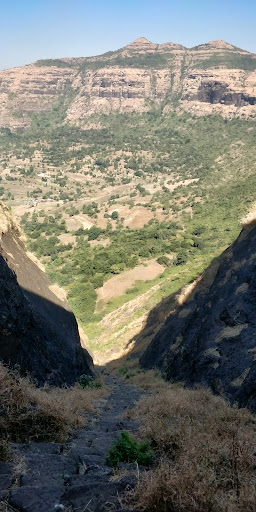
There are two major ways through which you could approach this place. The easiest way is to go by car. If you don’t have a car, you can take a bus (state transport) to Junnar and from there Hadsar village is 13 kms away for which you might have to rely on local drivers, which we’d advise against. From the village the fort is easily accessible. The fort allows trekkers to climb through its southern gate, which is the most comfortable way to go here. Another way is to go via the fort’s north gate. The north entrance also provides naturally cut rocks that provide sockets for you to hold and climb up. If you are a rock climber with all the necessary equipment, you will definitely have a great time here. Keep Trekking Keep Our...
Read moreHadsar Fort, nestled in the picturesque Sahyadri mountain range of Maharashtra, India, is a captivating destination that combines history, natural beauty, and adventure. This hidden gem offers a delightful experience for both history enthusiasts and trekking aficionados.
Accessing Hadsar Fort is convenient, especially for those with a two-wheeler. The fort is located in the Ahmednagar district, and reaching it through the winding roads of Malshej Ghat adds to the thrill of the journey. The monsoon season is the ideal time to visit, as the region transforms into a lush green paradise, with cascading waterfalls and misty valleys dotting the landscape.
The trek to Hadsar Fort is of easy to mid-level difficulty, making it suitable for beginners and seasoned trekkers alike. As you ascend the trail, the beauty of nature unfolds before your eyes. The cool breeze, accompanied by the fragrance of wet earth, rejuvenates your senses. The trek offers breathtaking views of the surrounding valleys, making each step a rewarding experience.
Reaching the hilltop, you are greeted by the fort's majestic ruins, showcasing its historical significance. The fort's architecture, with its sturdy bastions and ramparts, transports you back in time. Exploring the fort's interiors reveals ancient structures like temples, water tanks, and residential quarters, which offer glimpses into the past.
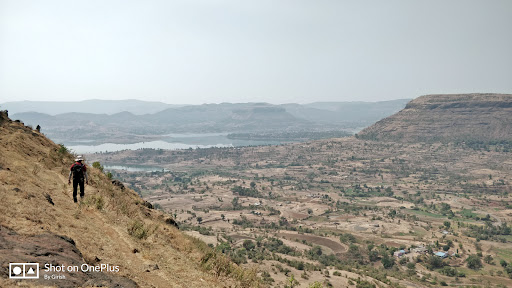
One of the highlights of Hadsar Fort is the panoramic view it provides. Standing at its vantage point, you can feast your eyes on the undulating hills, verdant valleys, and mist-shrouded peaks. The sight is truly mesmerizing, leaving a lasting impression on your mind and soul.
The monsoon season adds a magical touch to the Hadsar Fort experience. The rain-washed surroundings come alive with vibrant shades of green, creating a serene ambiance that is perfect for introspection and solitude. The gentle pitter-patter of raindrops adds to the enchantment, making it an idyllic getaway from the chaos of city life.
In conclusion, Hadsar Fort is a captivating destination that seamlessly blends history, natural beauty, and adventure. Accessible by two-wheeler, it offers an easy to mid-level trek that is best enjoyed during the monsoon season. The fort's rich history, stunning architecture, and breathtaking views make it a must-visit for nature lovers and history enthusiasts alike. So, pack your bags, embark on the journey, and let Hadsar Fort cast its...
Read moreHadsar is a very old fort near junnar. Historically, it was build by the Satvahanas of junnar around 2000 years ago to strategically safeguard their trade route and protect the capital of junnar.

Satvahanas ruled Maharashtra for the period from 250 B. C to 250 A. D.
Hadsar is a very dominant fort which was build on the trade route which connected Kalyan, Sapore (Nala Sopara) on the western coast to Junnar, their capital via Naneghat.
Route - There are 4 routes to the fort, which comes via Hadsar village. But there is a easy way which starts from Pethachi wadi side. From this village, it takes hardly an hour to reach the Col.
Places to explore, See. - Hadsar has a large number of water tank on the top, amounting to around 15. Hadsar route to the top is carved in basalt rock sections, which can be historically associated with Satvahanas style of architecture.
Once you reach the col, Take left route to top if you are coming from Pethachiwadi. There are 2 massive doors carved completely in basalt which one need to cross to reach the lake on the top.
Lake is one the most important feature of the fort. Massive square tanks are carved inside the lake.
Hadsar fort has a Shiv temple. While bhawani mandir and Hanuman mandir is at the northern side of the fort.
Trail to the highest point on the fort passes behind the shiv temple. Hardly 10 mins is needed to reach the top.
Hadsar fort also has a massive Dhanyakothar on the western side. It is totally carved inside rock. Approach to it from the western side of the lake.
On the other side of the col, there is a small hill section which connects the main fort via a fortification wall and a massive buruj. That hill has 2 massive water tanks and few smaller one on the edge. It has a flag post (Kesari dwaj) and a small Ganesh temple along with Smruti shila (warrior stone) lying on the western edge of the hill.
It takes around 2 hours to completely...
Read more