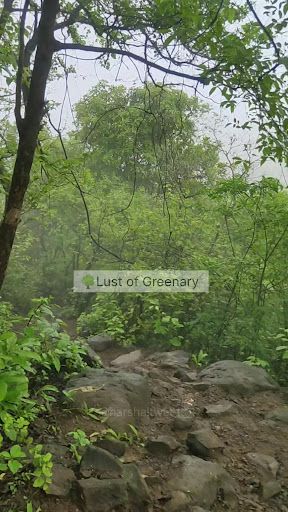
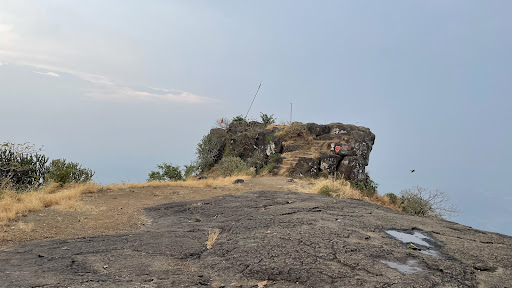
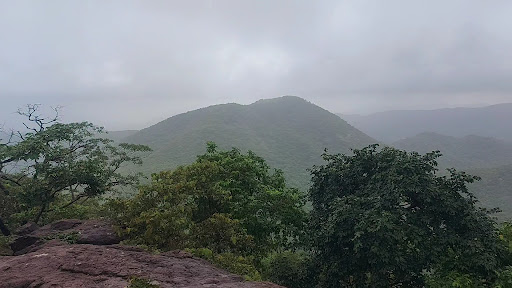
Kaldurg Fort is a significant historical landmark located in the Palghar district of Maharashtra, India. This fort is part of the Sahyadri mountain range, which is known for its rugged terrain and scenic beauty. Kaldurg Fort, although not as famous as some of the other forts in Maharashtra, holds its unique charm and historical significance.
Historical Background
Kaldurg Fort is believed to have been built during the medieval period, though the exact date of its construction is not well-documented. The fort's name, "Kaldurg," is derived from the Marathi words "Kal" (meaning black) and "Durg" (meaning fort), likely referring to the dark rocks that make up its structure. This fort, like many others in the region, served as a strategic military outpost. It was used to monitor and control the surrounding region, offering a vantage point over the nearby areas.
Architecture and Structure
The fort's architecture is typical of the forts built in the Sahyadri range. It features sturdy stone walls and a series of steps carved into the rock, leading to the top. The layout of Kaldurg Fort is relatively simple compared to the more elaborate structures found elsewhere, but it is functional and well-suited to its defensive purpose. The fort is divided into two levels, providing a natural defense mechanism against invaders. The upper level of the fort offers panoramic views of the surrounding landscape, making it easier to spot any approaching threats.
Trekking and Accessibility
Kaldurg Fort is a popular destination for trekkers and history enthusiasts. The trek to the fort is considered moderately difficult, making it accessible to both novice and experienced trekkers. The trail to the fort is well-marked, and the journey to the top usually takes about 1.5 to 2 hours, depending on one's pace. The best time to visit Kaldurg Fort is during the monsoon season, when the surrounding area is lush and green, and the weather is cool and pleasant. However, caution is advised as the trails can become slippery during heavy rains.
Flora and Fauna
The area around Kaldurg Fort is rich in biodiversity. The fort is surrounded by dense forests that are home to various species of flora and fauna. During the monsoon season, the region blooms with a variety of wildflowers, adding to the beauty of the trek. Birdwatchers can also enjoy spotting different species of birds that inhabit the area. The presence of diverse plant and animal life enhances the trekking experience, offering a chance to connect with nature.
Cultural Significance
Kaldurg Fort, though not as well-known as other forts in Maharashtra, holds cultural significance for the local population. It stands as a reminder of the region's historical past and the strategic importance of the Sahyadri range in military history. Local festivals and cultural events sometimes include visits to the fort, highlighting its role in the community's heritage.
Preservation and Tourism
Efforts are being made to preserve Kaldurg Fort and promote it as a tourist destination. The fort is maintained by local authorities, and initiatives are in place to improve the trekking infrastructure and provide better facilities for visitors. Sustainable tourism practices are encouraged to ensure that the natural beauty and historical integrity of the fort are preserved for future generations.
Conclusion
Kaldurg Fort is a testament to the rich history and natural beauty of Maharashtra. Its rugged architecture, scenic trekking routes, and cultural significance make it a noteworthy destination for those interested in history, nature, and adventure. Whether you are a trekker, a history buff, or a nature lover, Kaldurg Fort offers a unique and...
Read more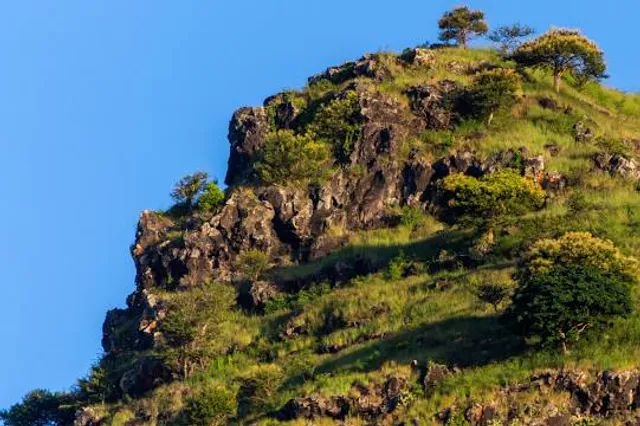
 Learn more insights from Wanderboat AI.