HTML SitemapExplore
logo
Find Things to DoFind The Best Restaurants

Karla Caves — Attraction in Maharashtra

Name
Karla Caves
Description
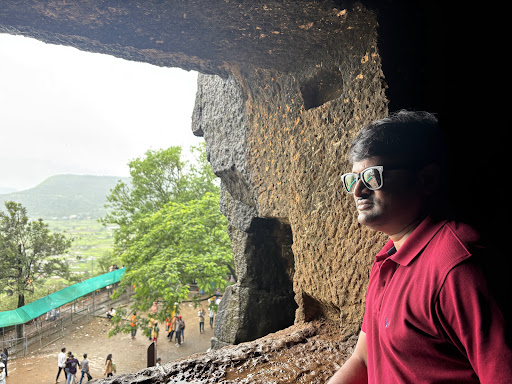
The Karla Caves, Karli Caves, Karle Caves or Karla Cells, are a complex of ancient Buddhist Indian rock-cut caves at Karli near Lonavala, Maharashtra. It is just 10.9 Kilometers away from Lonavala. Other caves in the area are Bhaja Caves, Patan Buddhist Cave, Bedse Caves and Nasik Caves.
Nearby attractions
Nearby restaurants
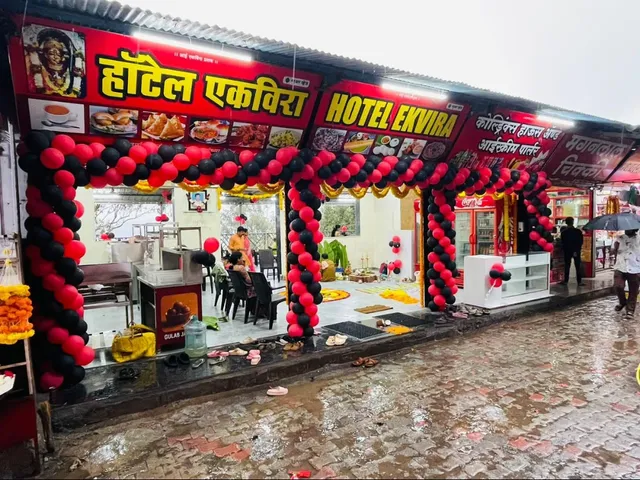
Hotel ekvira हॉटेल एकविरा pure veg snacks, cafe, SouthIndian,Chinese,order nusar puranpoli aani zunka bhakri milel.
Aai ekvira mandir, Pach payri parking samor, Vehergaon, Maharashtra 410405, India
Hotel Matoshree
QFM9+HHJ, carla caves rood, Karla Caves Rd, Karandoli, Maharashtra 410405, India
Ekvira snacks
Unnamed Road, QFJ9+QP3, Maharashtra 410405, India
Hotel Samarth Krupa
QFH9+PRW, Ekvira Devi Rd, Maharashtra 410405, India
Kaushal Hotel Ekvira Devi
QFHC+7C9, Aai ekvira area, Pune, Maharashtra 410405, India
Hotel Manisha
Landmark HDFC Bank, Ekveera Devi Road, Village Dahiwali Po Karla, Tal, Maval, Lonavala, Maharashtra 410405, India
Aai Ekvira Nastha House
Shop No 3, Aai ekvira area, Karla, Maharashtra 410405, India
Rohit Wadewale
QFHC+3PM, Ekvira Devi Rd, Aai ekvira area, Maharashtra 410405, India
Nearby hotels
Hotel karla Hill(Near Eakvira Paitha mandir)
Near eakvira paitha mandir A/p, Taluka, Maval, Shirgaon, Maharashtra 410405, India
Serenity by Devansh - Near Ekvira Devi Temple
Servey No -149 Ekvera Devi Road , Padwalwadi ,Karla, Lonavala, Maharashtra 410405, India
Aai Ekvira Devi Palkhi Bhakt Niwas
Ekvira Devi Rd, near Grampanchayat Water Tank, Aai ekvira area, Vehergaon, Karla, Maharashtra 410405, India
Casa Diva - Villa Home stay
Dahivali Road, Karla, Caves, near Karla, Lonavala, Maharashtra 410405, India
क्षणभर विश्रांती विला, कार्ला
Ekvira temple, Ekvira Devi Rd, Aai ekvira area, Karla, Lonavala, Maharashtra 410405, India
Villa at Lonavala - SaGa Montana
Yash Villas, Dahivali Karla, Caves, near Karla, Lonavala, Maharashtra 410405, India
Hotel O Devansh
Survey No-149 At Post Dahivali , Ekvira Mandir Road,karla, Lonavala, Maharashtra 410405, India
Related posts
Keywords
Karla Caves tourism.Karla Caves hotels.Karla Caves bed and breakfast. flights to Karla Caves.Karla Caves attractions.Karla Caves restaurants.Karla Caves travel.Karla Caves travel guide.Karla Caves travel blog.Karla Caves pictures.Karla Caves photos.Karla Caves travel tips.Karla Caves maps.Karla Caves things to do.
Karla Caves things to do, attractions, restaurants, events info and trip planning
Karla Caves
IndiaMaharashtraKarla Caves

Basic Info

Karla Caves

Ekvira Devi Rd, Karla, Lonavala, Maharashtra 410405, India
4.4(10.9K)
Closed
Save
spot

Ratings & Description

Info

The Karla Caves, Karli Caves, Karle Caves or Karla Cells, are a complex of ancient Buddhist Indian rock-cut caves at Karli near Lonavala, Maharashtra. It is just 10.9 Kilometers away from Lonavala. Other caves in the area are Bhaja Caves, Patan Buddhist Cave, Bedse Caves and Nasik Caves.

Cultural
Outdoor
Adventure
attractions: , restaurants: Hotel ekvira हॉटेल एकविरा pure veg snacks, cafe, SouthIndian,Chinese,order nusar puranpoli aani zunka bhakri milel., Hotel Matoshree, Ekvira snacks, Hotel Samarth Krupa, Kaushal Hotel Ekvira Devi, Hotel Manisha, Aai Ekvira Nastha House, Rohit Wadewale
logoLearn more insights from Wanderboat AI.
Website
maharashtratourism.gov.in
Open hoursSee all hours
Mon9 AM - 5 PMClosed

Plan your stay

hotel
Pet-friendly Hotels in Maharashtra
Find a cozy hotel nearby and make it a full experience.
hotel
Affordable Hotels in Maharashtra
Find a cozy hotel nearby and make it a full experience.
hotel
The Coolest Hotels You Haven't Heard Of (Yet)
Find a cozy hotel nearby and make it a full experience.
hotel
Trending Stays Worth the Hype in Maharashtra
Find a cozy hotel nearby and make it a full experience.

Reviews

Nearby restaurants of Karla Caves

Hotel ekvira हॉटेल एकविरा pure veg snacks, cafe, SouthIndian,Chinese,order nusar puranpoli aani zunka bhakri milel.

Hotel Matoshree

Ekvira snacks

Hotel Samarth Krupa

Kaushal Hotel Ekvira Devi

Hotel Manisha

Aai Ekvira Nastha House

Rohit Wadewale

Hotel ekvira हॉटेल एकविरा pure veg snacks, cafe, SouthIndian,Chinese,order nusar puranpoli aani zunka bhakri milel.

Hotel ekvira हॉटेल एकविरा pure veg snacks, cafe, SouthIndian,Chinese,order nusar puranpoli aani zunka bhakri milel.

3.7

(21)

Click for details
Hotel Matoshree

Hotel Matoshree

3.3

(6)

Click for details
Ekvira snacks

Ekvira snacks

4.3

(3)

Closed
Click for details
Hotel Samarth Krupa

Hotel Samarth Krupa

5.0

(3)

Click for details
Get the Appoverlay
Get the AppOne tap to find yournext favorite spots!
Wanderboat LogoWanderboat

Your everyday Al companion for getaway ideas

CompanyAbout Us
InformationAI Trip PlannerSitemap
SocialXInstagramTiktokLinkedin
LegalTerms of ServicePrivacy Policy

Get the app

© 2025 Wanderboat. All rights reserved.
logo

Reviews of Karla Caves

4.4
(10,914)
avatar
5.0
22w

A Journey into Ancient Buddhist Art and History The Karla Caves, nestled in the picturesque hills near Lonavala in Maharashtra, are a remarkable testament to ancient Indian rock-cut architecture and a significant site for Buddhist heritage. These caves offer a captivating glimpse into the spiritual and artistic lives of early Buddhist monks, making them a compelling destination for history enthusiasts, art lovers, and those seeking a serene escape. Historical and Architectural Marvel: The highlight of the Karla Caves is undoubtedly the Great Chaitya (Cave 8), considered one of the largest and best-preserved rock-cut prayer halls in India. Stepping inside this magnificent hall is like stepping back in time. The sheer scale is awe-inspiring, with a high, vaulted ceiling supported by a grand colonnade of intricately carved pillars. Many of these pillars still retain their original wooden arches, a rare and fascinating detail that speaks to the craftsmanship of the period (dating back to the 2nd century BCE to the 5th century CE). The central stupa at the end of the hall exudes a profound sense of spirituality, and the intricate carvings of figures, animals, and Buddhist symbols on the pillars and facade are truly exquisite. Beyond the main chaitya, the complex comprises several smaller caves, mainly viharas (monastic cells) that served as dwelling places for monks. While less ornate, these provide further insight into the monastic life of the time. The strategic location of the caves along an ancient trade route highlights their importance in facilitating the spread of Buddhism. The Experience: Reaching the caves involves a walk uphill, with a series of steps leading to the main complex. While generally manageable, it can be a bit of a climb, especially in warmer weather or if you're not accustomed to walking. Comfortable footwear is highly recommended. Along the ascent, you'll find local vendors selling refreshments and souvenirs, adding to the vibrant atmosphere. Upon reaching the top, the grandeur of the main chaitya is truly striking. The cool, stone-carved interiors offer a welcome respite from the outside heat, and the sense of history is palpable. It's a place that invites quiet contemplation and appreciation for the ingenuity of the ancient builders. Things to Keep in Mind: Ekvira Devi Temple: A prominent feature at the entrance of the Karla Caves complex is the Ekvira Devi Temple, a popular pilgrimage site for locals. While it adds a lively atmosphere, some visitors might find the crowds and commercial activity around the temple detract from the serene, historical nature of the Buddhist caves. Be prepared for a mix of spiritual devotees and tourists. Crowds: Being a well-known attraction, Karla Caves can get quite crowded, especially on weekends and public holidays. If you prefer a quieter experience, consider visiting on a weekday or early in the morning. Maintenance: While the ASI (Archaeological Survey of India) protects the site, some areas might show signs of wear or slight litter, which can be a minor deterrent for some. Monkeys: Be cautious of monkeys, as they are often present and can be mischievous. Best Time to Visit: The winter months (November to February) offer the most pleasant weather for exploring the caves, with comfortable temperatures. While the monsoon season (June to September) transforms the surrounding landscape into a lush, green paradise with numerous waterfalls, the steps can become slippery, and heavy rainfall might impact the experience. Summers can be quite warm. Overall: The Karla Caves are a must-visit for anyone with an interest in India's rich historical and architectural heritage. The sheer magnificence of the Great Chaitya is unforgettable, and the entire complex provides a fascinating window into early Buddhist practices. While the contemporary vibrancy of the Ekvira Devi temple can be a slight contrast, it doesn't diminish the profound historical and artistic value of these ancient rock-cut wonders. Allow at least 1-2 hours to...

   Read more
avatar
5.0
2y

Karla Caves: An Ancient Marvel of Maharashtra

Tucked away in the Western Ghats of Maharashtra, the Karla Caves stand as a testament to India's rich cultural and architectural history. These ancient rock-cut caves, dating back over two thousand years, are a mesmerizing site for history enthusiasts and tourists alike. Located around 60 kilometers from Pune and easily accessible from Mumbai, the Karla Caves are a must-visit destination for those seeking to explore the hidden gems of India's heritage.

The Karla Caves, also known as Karli Caves, are a complex of Buddhist rock-cut shrines. They were carved out of a single rocky hillside during the Hinayana phase of Buddhism. This makes them an essential archaeological and historical site, giving visitors a glimpse into the evolution of Buddhist art and architecture in India.

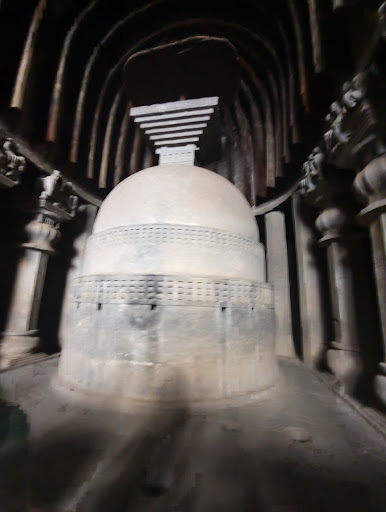
The first striking feature of the Karla Caves is their grand entrance, a beautifully carved chaitya or prayer hall. The intricately designed facade is adorned with ornate carvings of animals, humans, and various motifs, showcasing the artistic and architectural skills of the craftsmen who labored on these caves. The chaitya hall itself is a vast, horseshoe-shaped chamber with a magnificent stupa at its center. The aura inside the hall is both serene and awe-inspiring, making it a place for contemplation and spiritual connection.

Exploring further into the caves, one encounters a series of viharas or monastic cells. These cells were once dwelling places for Buddhist monks and are adorned with rock-cut beds, stone benches, and stone pillars. The tranquility within these chambers offers a stark contrast to the bustling world outside, allowing visitors to connect with the deep spiritual history of the place.

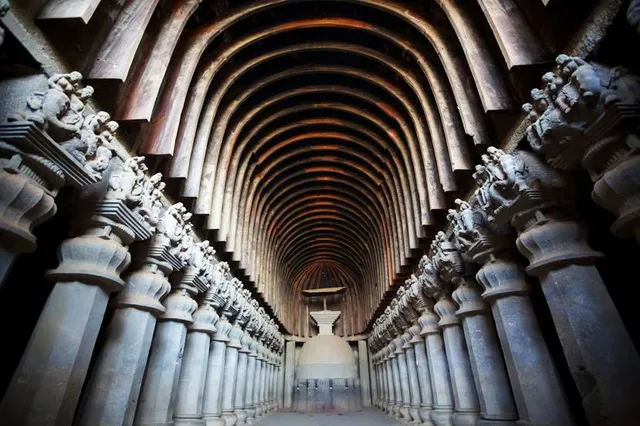
The most iconic feature of the Karla Caves is the beautifully preserved Chaitya, and the grandeur of this hall is difficult to describe. With a high, vaulted ceiling adorned with intricate carvings and an imposing stupa at the center, it's a place that exudes a sense of profound spirituality. The lighting, despite the absence of electricity, is masterfully designed to illuminate the stupa, creating an ethereal atmosphere.

The caves are not just a testament to the artistic and architectural prowess of ancient India but also serve as an essential site for understanding the development and evolution of Buddhism in the region. The inscriptions, carvings, and sculptures found in the caves provide valuable insights into the social and religious life of the people who once resided here.

Visiting the Karla Caves is not only an educational experience but also a treat for nature lovers. The caves are nestled amidst lush greenery, and the picturesque surroundings make it an ideal spot for a day trip or a peaceful retreat. The climate is pleasant, making it accessible throughout the year.

To make the most of your visit to the Karla Caves, consider hiring a local guide. Their insights and knowledge can enrich your experience by providing historical context and details about the intricacies of the carvings and sculptures. Additionally, they can share interesting anecdotes and legends associated with the caves.

In conclusion, the Karla Caves are a hidden treasure in the state of Maharashtra. Steeped in history, art, and spirituality, they offer an enriching experience for history buffs, art enthusiasts, and anyone seeking a moment of serenity. As you explore the ancient chambers and marvel at the craftsmanship of a bygone era, you'll be transported to a different time, where the echoes of Buddhist chants still seem to resonate in the cool, stone-carved interiors. A visit to the Karla Caves is not just a journey into India's past, but a profound encounter with its enduring...

   Read more
avatar
5.0
2y

Karla Caves are one of the earliest and oldest examples of well-preserved, richly decorated rock-cut shrines in India and represent the pinnacle of Indian rock-cut architecture at the time, that our country is so proud of. These caves are comparable in splendour to Ajanta and Ellora. It is located in the village of Karli, 10 KM from Lonavla, a hill station in Maharashtra, constructed during Satavahana's rule, between the 2nd century AD to the 5th century AD, by the Buddhist monks for meditation and worship. These well-known Buddhist rock-cut excavations consists of 16 caves that has one of the largest Caitya Griha in India, known as the Great Chaitya, with its apsidal chamber extending 124 feet into it, and a barrel-vaulted roof 46 feet high. The chaitya griha is created with an amalgamation of timber and stone. This chamber consists of a broad central nave with two narrow aisles on either side by a row of fifteen octagonal pillars.

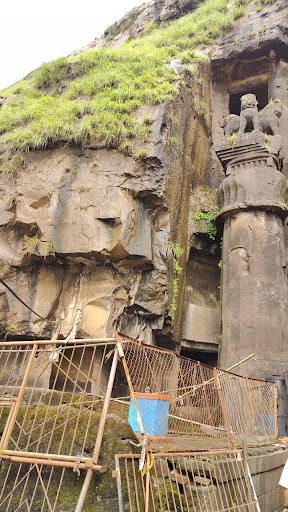
The entrance of the Karla Caves is gorgeous. You need to show the entry ticket at the gate. The strong rock cut representation of three Lion Pillars found at the entrance of the cave looks magnificent. There is a sculpture of Buddha preaching seated on a lion-supported throne, which has splendid carvings of three elephants. The pillars are adorned with motifs of elephants, men and riding women. There are Elephant Heads carved out of single stone with minute detailing. There are a few images and structures that are sadly broken by humans, yet they look exotic as ever.

Entering the cave viharas through the little patch of tiny rock cut stairs is bit of a challenge, steps inside the cave are wet with rainwater and dark without light, one needs a torch. However, windows have also been built so that sunlight is allowed to penetrate in the hall. The door of the viharas are closed with barriers and prevented from entering.

These caves are located just 3 km away from the main road amidst green surroundings. There are parking available uphill at the base of the cave but not enough to support the crowd on a Sunday. Road is steep and narrow with breathtaking view of the mountain and the valley. We drove up but there was a long jam closer to the base. We had to reverse slowly and park the vehicle halfway down by the road in a little broader space.

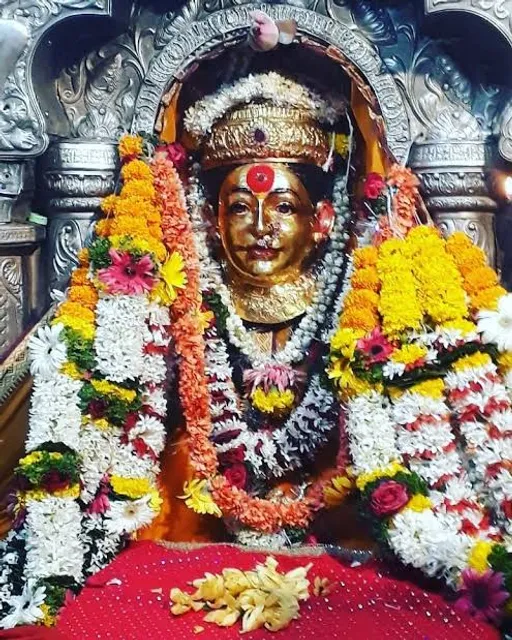
There is also a waterfall near the cave where tourists can refresh themselves with a dip. Once you reach the base, it takes nearly 20 minutes to climb up the steep way approx. 500 steps to the Karla caves. The Aai Ekveera temple has been built recently at the entrance using pillars from the Buddhist period sharing the same premises.

Visiting hour: 8:30 am to 5:00 pm on all days of the week.

Entry fees is INR 5 for Indian citizens and INR 100 for foreigners. Tender exact change. It works on Cash only.

Caves, Lohagad and Visapur forts are not far from...

   Read more
Page 1 of 7
Previous
Next

Posts

prabhakar reddyprabhakar reddy
A Journey into Ancient Buddhist Art and History The Karla Caves, nestled in the picturesque hills near Lonavala in Maharashtra, are a remarkable testament to ancient Indian rock-cut architecture and a significant site for Buddhist heritage. These caves offer a captivating glimpse into the spiritual and artistic lives of early Buddhist monks, making them a compelling destination for history enthusiasts, art lovers, and those seeking a serene escape. Historical and Architectural Marvel: The highlight of the Karla Caves is undoubtedly the Great Chaitya (Cave 8), considered one of the largest and best-preserved rock-cut prayer halls in India. Stepping inside this magnificent hall is like stepping back in time. The sheer scale is awe-inspiring, with a high, vaulted ceiling supported by a grand colonnade of intricately carved pillars. Many of these pillars still retain their original wooden arches, a rare and fascinating detail that speaks to the craftsmanship of the period (dating back to the 2nd century BCE to the 5th century CE). The central stupa at the end of the hall exudes a profound sense of spirituality, and the intricate carvings of figures, animals, and Buddhist symbols on the pillars and facade are truly exquisite. Beyond the main chaitya, the complex comprises several smaller caves, mainly viharas (monastic cells) that served as dwelling places for monks. While less ornate, these provide further insight into the monastic life of the time. The strategic location of the caves along an ancient trade route highlights their importance in facilitating the spread of Buddhism. The Experience: Reaching the caves involves a walk uphill, with a series of steps leading to the main complex. While generally manageable, it can be a bit of a climb, especially in warmer weather or if you're not accustomed to walking. Comfortable footwear is highly recommended. Along the ascent, you'll find local vendors selling refreshments and souvenirs, adding to the vibrant atmosphere. Upon reaching the top, the grandeur of the main chaitya is truly striking. The cool, stone-carved interiors offer a welcome respite from the outside heat, and the sense of history is palpable. It's a place that invites quiet contemplation and appreciation for the ingenuity of the ancient builders. Things to Keep in Mind: * Ekvira Devi Temple: A prominent feature at the entrance of the Karla Caves complex is the Ekvira Devi Temple, a popular pilgrimage site for locals. While it adds a lively atmosphere, some visitors might find the crowds and commercial activity around the temple detract from the serene, historical nature of the Buddhist caves. Be prepared for a mix of spiritual devotees and tourists. * Crowds: Being a well-known attraction, Karla Caves can get quite crowded, especially on weekends and public holidays. If you prefer a quieter experience, consider visiting on a weekday or early in the morning. * Maintenance: While the ASI (Archaeological Survey of India) protects the site, some areas might show signs of wear or slight litter, which can be a minor deterrent for some. * Monkeys: Be cautious of monkeys, as they are often present and can be mischievous. Best Time to Visit: The winter months (November to February) offer the most pleasant weather for exploring the caves, with comfortable temperatures. While the monsoon season (June to September) transforms the surrounding landscape into a lush, green paradise with numerous waterfalls, the steps can become slippery, and heavy rainfall might impact the experience. Summers can be quite warm. Overall: The Karla Caves are a must-visit for anyone with an interest in India's rich historical and architectural heritage. The sheer magnificence of the Great Chaitya is unforgettable, and the entire complex provides a fascinating window into early Buddhist practices. While the contemporary vibrancy of the Ekvira Devi temple can be a slight contrast, it doesn't diminish the profound historical and artistic value of these ancient rock-cut wonders. Allow at least 1-2 hours to fully explore
AJAY HATTEAJAY HATTE
Karla Caves: An Ancient Marvel of Maharashtra Tucked away in the Western Ghats of Maharashtra, the Karla Caves stand as a testament to India's rich cultural and architectural history. These ancient rock-cut caves, dating back over two thousand years, are a mesmerizing site for history enthusiasts and tourists alike. Located around 60 kilometers from Pune and easily accessible from Mumbai, the Karla Caves are a must-visit destination for those seeking to explore the hidden gems of India's heritage. The Karla Caves, also known as Karli Caves, are a complex of Buddhist rock-cut shrines. They were carved out of a single rocky hillside during the Hinayana phase of Buddhism. This makes them an essential archaeological and historical site, giving visitors a glimpse into the evolution of Buddhist art and architecture in India. The first striking feature of the Karla Caves is their grand entrance, a beautifully carved chaitya or prayer hall. The intricately designed facade is adorned with ornate carvings of animals, humans, and various motifs, showcasing the artistic and architectural skills of the craftsmen who labored on these caves. The chaitya hall itself is a vast, horseshoe-shaped chamber with a magnificent stupa at its center. The aura inside the hall is both serene and awe-inspiring, making it a place for contemplation and spiritual connection. Exploring further into the caves, one encounters a series of viharas or monastic cells. These cells were once dwelling places for Buddhist monks and are adorned with rock-cut beds, stone benches, and stone pillars. The tranquility within these chambers offers a stark contrast to the bustling world outside, allowing visitors to connect with the deep spiritual history of the place. The most iconic feature of the Karla Caves is the beautifully preserved Chaitya, and the grandeur of this hall is difficult to describe. With a high, vaulted ceiling adorned with intricate carvings and an imposing stupa at the center, it's a place that exudes a sense of profound spirituality. The lighting, despite the absence of electricity, is masterfully designed to illuminate the stupa, creating an ethereal atmosphere. The caves are not just a testament to the artistic and architectural prowess of ancient India but also serve as an essential site for understanding the development and evolution of Buddhism in the region. The inscriptions, carvings, and sculptures found in the caves provide valuable insights into the social and religious life of the people who once resided here. Visiting the Karla Caves is not only an educational experience but also a treat for nature lovers. The caves are nestled amidst lush greenery, and the picturesque surroundings make it an ideal spot for a day trip or a peaceful retreat. The climate is pleasant, making it accessible throughout the year. To make the most of your visit to the Karla Caves, consider hiring a local guide. Their insights and knowledge can enrich your experience by providing historical context and details about the intricacies of the carvings and sculptures. Additionally, they can share interesting anecdotes and legends associated with the caves. In conclusion, the Karla Caves are a hidden treasure in the state of Maharashtra. Steeped in history, art, and spirituality, they offer an enriching experience for history buffs, art enthusiasts, and anyone seeking a moment of serenity. As you explore the ancient chambers and marvel at the craftsmanship of a bygone era, you'll be transported to a different time, where the echoes of Buddhist chants still seem to resonate in the cool, stone-carved interiors. A visit to the Karla Caves is not just a journey into India's past, but a profound encounter with its enduring spiritual legacy.
Sulekha MridhaSulekha Mridha
Karla Caves are one of the earliest and oldest examples of well-preserved, richly decorated rock-cut shrines in India and represent the pinnacle of Indian rock-cut architecture at the time, that our country is so proud of. These caves are comparable in splendour to Ajanta and Ellora. It is located in the village of Karli, 10 KM from Lonavla, a hill station in Maharashtra, constructed during Satavahana's rule, between the 2nd century AD to the 5th century AD, by the Buddhist monks for meditation and worship. These well-known Buddhist rock-cut excavations consists of 16 caves that has one of the largest Caitya Griha in India, known as the Great Chaitya, with its apsidal chamber extending 124 feet into it, and a barrel-vaulted roof 46 feet high. The chaitya griha is created with an amalgamation of timber and stone. This chamber consists of a broad central nave with two narrow aisles on either side by a row of fifteen octagonal pillars. The entrance of the Karla Caves is gorgeous. You need to show the entry ticket at the gate. The strong rock cut representation of three Lion Pillars found at the entrance of the cave looks magnificent. There is a sculpture of Buddha preaching seated on a lion-supported throne, which has splendid carvings of three elephants. The pillars are adorned with motifs of elephants, men and riding women. There are Elephant Heads carved out of single stone with minute detailing. There are a few images and structures that are sadly broken by humans, yet they look exotic as ever. Entering the cave viharas through the little patch of tiny rock cut stairs is bit of a challenge, steps inside the cave are wet with rainwater and dark without light, one needs a torch. However, windows have also been built so that sunlight is allowed to penetrate in the hall. The door of the viharas are closed with barriers and prevented from entering. These caves are located just 3 km away from the main road amidst green surroundings. There are parking available uphill at the base of the cave but not enough to support the crowd on a Sunday. Road is steep and narrow with breathtaking view of the mountain and the valley. We drove up but there was a long jam closer to the base. We had to reverse slowly and park the vehicle halfway down by the road in a little broader space. There is also a waterfall near the cave where tourists can refresh themselves with a dip. Once you reach the base, it takes nearly 20 minutes to climb up the steep way approx. 500 steps to the Karla caves. The Aai Ekveera temple has been built recently at the entrance using pillars from the Buddhist period sharing the same premises. Visiting hour: 8:30 am to 5:00 pm on all days of the week. Entry fees is INR 5 for Indian citizens and INR 100 for foreigners. Tender exact change. It works on Cash only. Caves, Lohagad and Visapur forts are not far from these caves.
See more posts
See more posts
hotel
Find your stay

Pet-friendly Hotels in Maharashtra

Find a cozy hotel nearby and make it a full experience.

A Journey into Ancient Buddhist Art and History The Karla Caves, nestled in the picturesque hills near Lonavala in Maharashtra, are a remarkable testament to ancient Indian rock-cut architecture and a significant site for Buddhist heritage. These caves offer a captivating glimpse into the spiritual and artistic lives of early Buddhist monks, making them a compelling destination for history enthusiasts, art lovers, and those seeking a serene escape. Historical and Architectural Marvel: The highlight of the Karla Caves is undoubtedly the Great Chaitya (Cave 8), considered one of the largest and best-preserved rock-cut prayer halls in India. Stepping inside this magnificent hall is like stepping back in time. The sheer scale is awe-inspiring, with a high, vaulted ceiling supported by a grand colonnade of intricately carved pillars. Many of these pillars still retain their original wooden arches, a rare and fascinating detail that speaks to the craftsmanship of the period (dating back to the 2nd century BCE to the 5th century CE). The central stupa at the end of the hall exudes a profound sense of spirituality, and the intricate carvings of figures, animals, and Buddhist symbols on the pillars and facade are truly exquisite. Beyond the main chaitya, the complex comprises several smaller caves, mainly viharas (monastic cells) that served as dwelling places for monks. While less ornate, these provide further insight into the monastic life of the time. The strategic location of the caves along an ancient trade route highlights their importance in facilitating the spread of Buddhism. The Experience: Reaching the caves involves a walk uphill, with a series of steps leading to the main complex. While generally manageable, it can be a bit of a climb, especially in warmer weather or if you're not accustomed to walking. Comfortable footwear is highly recommended. Along the ascent, you'll find local vendors selling refreshments and souvenirs, adding to the vibrant atmosphere. Upon reaching the top, the grandeur of the main chaitya is truly striking. The cool, stone-carved interiors offer a welcome respite from the outside heat, and the sense of history is palpable. It's a place that invites quiet contemplation and appreciation for the ingenuity of the ancient builders. Things to Keep in Mind: * Ekvira Devi Temple: A prominent feature at the entrance of the Karla Caves complex is the Ekvira Devi Temple, a popular pilgrimage site for locals. While it adds a lively atmosphere, some visitors might find the crowds and commercial activity around the temple detract from the serene, historical nature of the Buddhist caves. Be prepared for a mix of spiritual devotees and tourists. * Crowds: Being a well-known attraction, Karla Caves can get quite crowded, especially on weekends and public holidays. If you prefer a quieter experience, consider visiting on a weekday or early in the morning. * Maintenance: While the ASI (Archaeological Survey of India) protects the site, some areas might show signs of wear or slight litter, which can be a minor deterrent for some. * Monkeys: Be cautious of monkeys, as they are often present and can be mischievous. Best Time to Visit: The winter months (November to February) offer the most pleasant weather for exploring the caves, with comfortable temperatures. While the monsoon season (June to September) transforms the surrounding landscape into a lush, green paradise with numerous waterfalls, the steps can become slippery, and heavy rainfall might impact the experience. Summers can be quite warm. Overall: The Karla Caves are a must-visit for anyone with an interest in India's rich historical and architectural heritage. The sheer magnificence of the Great Chaitya is unforgettable, and the entire complex provides a fascinating window into early Buddhist practices. While the contemporary vibrancy of the Ekvira Devi temple can be a slight contrast, it doesn't diminish the profound historical and artistic value of these ancient rock-cut wonders. Allow at least 1-2 hours to fully explore
prabhakar reddy

prabhakar reddy

hotel
Find your stay

Affordable Hotels in Maharashtra

Find a cozy hotel nearby and make it a full experience.

Get the Appoverlay
Get the AppOne tap to find yournext favorite spots!
Karla Caves: An Ancient Marvel of Maharashtra Tucked away in the Western Ghats of Maharashtra, the Karla Caves stand as a testament to India's rich cultural and architectural history. These ancient rock-cut caves, dating back over two thousand years, are a mesmerizing site for history enthusiasts and tourists alike. Located around 60 kilometers from Pune and easily accessible from Mumbai, the Karla Caves are a must-visit destination for those seeking to explore the hidden gems of India's heritage. The Karla Caves, also known as Karli Caves, are a complex of Buddhist rock-cut shrines. They were carved out of a single rocky hillside during the Hinayana phase of Buddhism. This makes them an essential archaeological and historical site, giving visitors a glimpse into the evolution of Buddhist art and architecture in India. The first striking feature of the Karla Caves is their grand entrance, a beautifully carved chaitya or prayer hall. The intricately designed facade is adorned with ornate carvings of animals, humans, and various motifs, showcasing the artistic and architectural skills of the craftsmen who labored on these caves. The chaitya hall itself is a vast, horseshoe-shaped chamber with a magnificent stupa at its center. The aura inside the hall is both serene and awe-inspiring, making it a place for contemplation and spiritual connection. Exploring further into the caves, one encounters a series of viharas or monastic cells. These cells were once dwelling places for Buddhist monks and are adorned with rock-cut beds, stone benches, and stone pillars. The tranquility within these chambers offers a stark contrast to the bustling world outside, allowing visitors to connect with the deep spiritual history of the place. The most iconic feature of the Karla Caves is the beautifully preserved Chaitya, and the grandeur of this hall is difficult to describe. With a high, vaulted ceiling adorned with intricate carvings and an imposing stupa at the center, it's a place that exudes a sense of profound spirituality. The lighting, despite the absence of electricity, is masterfully designed to illuminate the stupa, creating an ethereal atmosphere. The caves are not just a testament to the artistic and architectural prowess of ancient India but also serve as an essential site for understanding the development and evolution of Buddhism in the region. The inscriptions, carvings, and sculptures found in the caves provide valuable insights into the social and religious life of the people who once resided here. Visiting the Karla Caves is not only an educational experience but also a treat for nature lovers. The caves are nestled amidst lush greenery, and the picturesque surroundings make it an ideal spot for a day trip or a peaceful retreat. The climate is pleasant, making it accessible throughout the year. To make the most of your visit to the Karla Caves, consider hiring a local guide. Their insights and knowledge can enrich your experience by providing historical context and details about the intricacies of the carvings and sculptures. Additionally, they can share interesting anecdotes and legends associated with the caves. In conclusion, the Karla Caves are a hidden treasure in the state of Maharashtra. Steeped in history, art, and spirituality, they offer an enriching experience for history buffs, art enthusiasts, and anyone seeking a moment of serenity. As you explore the ancient chambers and marvel at the craftsmanship of a bygone era, you'll be transported to a different time, where the echoes of Buddhist chants still seem to resonate in the cool, stone-carved interiors. A visit to the Karla Caves is not just a journey into India's past, but a profound encounter with its enduring spiritual legacy.
AJAY HATTE

AJAY HATTE

hotel
Find your stay

The Coolest Hotels You Haven't Heard Of (Yet)

Find a cozy hotel nearby and make it a full experience.

hotel
Find your stay

Trending Stays Worth the Hype in Maharashtra

Find a cozy hotel nearby and make it a full experience.

Karla Caves are one of the earliest and oldest examples of well-preserved, richly decorated rock-cut shrines in India and represent the pinnacle of Indian rock-cut architecture at the time, that our country is so proud of. These caves are comparable in splendour to Ajanta and Ellora. It is located in the village of Karli, 10 KM from Lonavla, a hill station in Maharashtra, constructed during Satavahana's rule, between the 2nd century AD to the 5th century AD, by the Buddhist monks for meditation and worship. These well-known Buddhist rock-cut excavations consists of 16 caves that has one of the largest Caitya Griha in India, known as the Great Chaitya, with its apsidal chamber extending 124 feet into it, and a barrel-vaulted roof 46 feet high. The chaitya griha is created with an amalgamation of timber and stone. This chamber consists of a broad central nave with two narrow aisles on either side by a row of fifteen octagonal pillars. The entrance of the Karla Caves is gorgeous. You need to show the entry ticket at the gate. The strong rock cut representation of three Lion Pillars found at the entrance of the cave looks magnificent. There is a sculpture of Buddha preaching seated on a lion-supported throne, which has splendid carvings of three elephants. The pillars are adorned with motifs of elephants, men and riding women. There are Elephant Heads carved out of single stone with minute detailing. There are a few images and structures that are sadly broken by humans, yet they look exotic as ever. Entering the cave viharas through the little patch of tiny rock cut stairs is bit of a challenge, steps inside the cave are wet with rainwater and dark without light, one needs a torch. However, windows have also been built so that sunlight is allowed to penetrate in the hall. The door of the viharas are closed with barriers and prevented from entering. These caves are located just 3 km away from the main road amidst green surroundings. There are parking available uphill at the base of the cave but not enough to support the crowd on a Sunday. Road is steep and narrow with breathtaking view of the mountain and the valley. We drove up but there was a long jam closer to the base. We had to reverse slowly and park the vehicle halfway down by the road in a little broader space. There is also a waterfall near the cave where tourists can refresh themselves with a dip. Once you reach the base, it takes nearly 20 minutes to climb up the steep way approx. 500 steps to the Karla caves. The Aai Ekveera temple has been built recently at the entrance using pillars from the Buddhist period sharing the same premises. Visiting hour: 8:30 am to 5:00 pm on all days of the week. Entry fees is INR 5 for Indian citizens and INR 100 for foreigners. Tender exact change. It works on Cash only. Caves, Lohagad and Visapur forts are not far from these caves.
Sulekha Mridha

Sulekha Mridha

See more posts
See more posts