Koyna Wildlife Sanctuary receives highly positive reviews for its breathtaking natural beauty, rich biodiversity, and tranquil atmosphere, making it a top destination for nature enthusiasts, birdwatchers, and those seeking peace amidst lush greenery. Nature and Wildlife Experience The sanctuary is situated in the Sahyadri Range and offers dense forests, abundant water bodies, and vibrant flora and fauna, including several bird species, the Malabar Giant Squirrel, Indian Gaur, leopards, and more. Visitors often highlight the birdwatching safaris guided by expert naturalists, with chances to spot rare species such as the Indian Paradise Flycatcher and Brown Wood Owl. The sanctuary also features scenic treks like the Ozarde waterfall trek, which rewards hikers with stunning views. Facilities and Hospitality Tourism operators like Explore Koyna provide jungle safaris, guided treks, birdwatching tours, night walks, and more, employing knowledgeable local guides. Recommended accommodations include Forest Escape resort, which is praised for its spacious rooms and local hospitality. Local guides are appreciated for their expertise and passion for wildlife, enhancing the visitor experience. Practical Insights Accessibility is good with several accommodations ranging from budget homestays to resorts, and regular bus services connect the sanctuary to major nearby cities. The sanctuary is best visited during the monsoon season for lush vegetation and massive waterfalls, but every season offers unique charms. Some travelers mention infrequent sightings of large wild animals; however, the forest atmosphere and birdlife compensate for this. Ratings and General Feedback Koyna Wildlife Sanctuary holds a strong reputation, with an average user rating of 4.3 out of 5 from thousands of visitors, indicating widespread satisfaction. The overall ambiance, greenery, and peace are universally praised, with minimal pollution and plenty of photo opportunities. In summary, Koyna Wildlife Sanctuary is a must-visit for anyone interested in untouched nature, diverse wildlife, and peaceful escapes in Maharashtra. The best time to visit Koyna Wildlife Sanctuary is during the late winter and early spring months, specifically from October to February, when the weather is cool, pleasant, and ideal for wildlife spotting and outdoor activities. Seasonal Breakdown October to February: This period offers comfortable temperatures, clear skies, and abundant animal activity. Wildlife is more visible as animals come out to bask in the sun, making it perfect for safaris, birdwatching, and photography. Monsoon (June to September): The sanctuary is exceptionally lush and waterfalls are at their peak beauty, but heavy rains may restrict access to some areas with limited safari opportunities. Summer (March to May): It can be warm, but mornings and evenings remain serene for short visits. Wildlife sightings are fewer compared to winter months. Visitor Tips Arrive early in the morning or late afternoon for safaris, as animal activity is highest during these hours. Carry rain gear if visiting during monsoon, and always check for accessibility updates due to possible flooding. The sanctuary remains open year-round from 7 AM to 6 PM, but winter months (October-February) are most recommended for an enriching experience. Koyna Wildlife Sanctuary is especially beautiful and accessible from October through February, offering the best conditions for wildlife exploration and nature activities. Wildlife activity in Koyna Sanctuary varies by month, with peak sightings and diversity from October to March, especially for birds and large mammals like bison, leopards, and deer. Most active period for migratory and resident birds, such as Malabar Pied Hornbill, Indian Paradise Flycatcher, Crested Serpent Eagle, Nilgiri Wood Pigeon, Indian Pitta, heart-spotted woodpecker, grey junglefowl, and Greater...
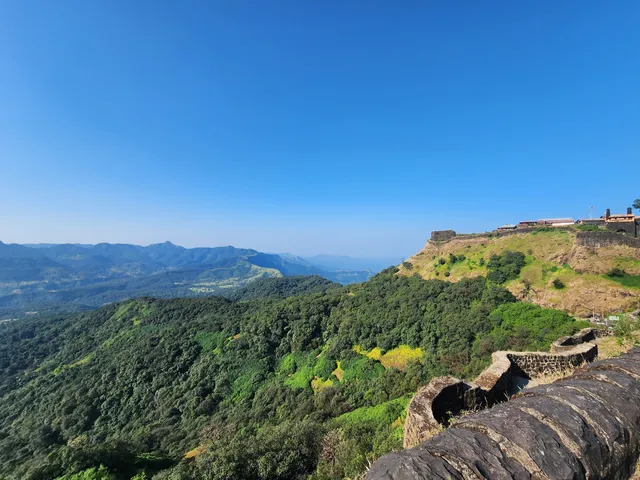
Read moreKoyna Wildlife Sanctuary is a wildlife sanctuary and natural World Heritage Site, which is located in Satara district of the Indian state of Maharashtra. The sanctuary is nested in the Western Ghats, covering an area of around 423.55 km2 (163.53 sq mi), and elevations ranging from 600 to 1,100 m (2,000 to 3,600 ft). It was notified in 1985 as a wildlife sanctuary situated in Maharashtra. It forms the northern portion of the Sahyadri Tiger Reserve, with Chandoli National Park forming the southern part of the reserve.The Vasota Fort lies deep in the forests and is located at an elevation of 1,120 m (3,670 ft) above sea level. The legend states that the fort was constructed by Malwa king Raja Bhoja in 1170.
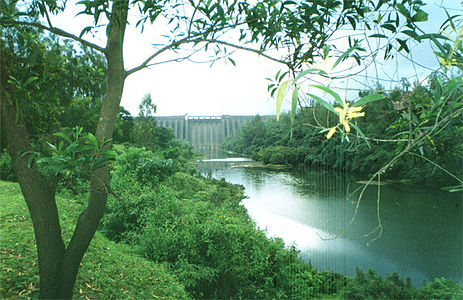
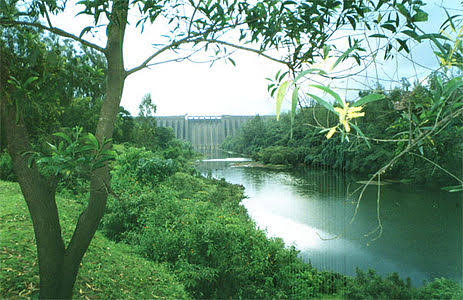
Geography The rivers Koyna, Kandati, and Solashi meander through the sanctuary. It also forms the catchment area for the Koyna River, and the Shivsagar reservoir formed by the Koyna Dam. To the south of the park lies the Chandoli National Park.[1] The sanctuary includes eastern and western catchments of the Koyana dam.
The sanctuary is well protected by the large extent of Shivsagar reservoir and steep slopes of the Western Ghats on both the sides. This protected area is connected by a forested wildlife corridor to Chandoli National Park and Radhanagari Wildlife Sanctuary in the south.
The average altitude is 897 m (2,943 ft). The mean annual rainfall is 5,500 mm (220 in).The sanctuary has dense forests with three major sections, Vasota, Maharkhor and Indavli Met, and is endowed with natural protective boundaries, with Shivsagar Lake on one side, and the slopes of the Western Ghats on both sides. These geographic barriers have enabled the emergence of a wide variety of flora and fauna and high biodiversity in the sanctuary.
Due to the wide range of elevations in the sanctuary, the ecoregions in the sanctuary include North Western Ghats montane rain forests above 1,000 m (3,300 ft) and North Western Ghats moist deciduous forests below. Dominant species are anjani, jambul, hirda, awala, pisa, ain, kinjal, amba, kumbha, bhoma, chandala, katak, nana, umbar, jambha, gela and bibba. Karvi is found almost all over the area. Climbers such as shikekai, garambi are common.
Some of the threatened species of trees found in the sanctuary are dhup (Indian frankincense), longan, and Elaeocarpus spp.
Shrubs and medicinal plants such as karvand, agati, ranmiri, tamalpati, toran, dhayati, kadipatta, narkya and murudsheng, along with a small quantity of bamboo are also found. A large number of ephemeral bulbs of seasonal plants are found.[2]
Fauna The sanctuary has a diverse variety of mammals including the keystone species, Bengal tigers (6). Also, Indian leopards (14), Indian bison (220-250), sloth bears (70-80), sambar deer (160-175), barking deer (180-200) and mouse deer, common gray langurs, smooth-coated otters and Indian giant squirrels are common.
Many species of birds are found in the sanctuary including the distinctive heart-spotted woodpecker, rufous woodpecker, and brown-capped pygmy woodpecker, Asian fairy bluebird, long-tailed nightjar and crested goshawk.
Large Indian pythons and king cobras are found here. An endemic frog Bufo koyanansis has its only habitat in this...
Read moreKoyna Wildlife Sanctuary is a protected area in the Satara district of Maharashtra, India. It is known for its rich biodiversity and scenic landscapes, making it an important site for wildlife conservation and ecotourism.
Key Features
Geographical Location: The sanctuary is situated in the Western Ghats, a UNESCO World Heritage Site known for its high level of biodiversity and endemism. It spans an area of approximately 423.55 square kkilometkilometresra and Fauna: Flora: The sanctuary is characterised by dense forests, including semi-evergreen and moist deciduous vegetation. Common tree species include teak, bamboo, and several medicinal plants. Fauna: It is home to various wildlife, including mammals like tigers, leopards, Indian bison (gaur), sloth bears, sambar deer, and multiple species of monkeys. The sanctuary also hosts numerous bird species, reptiles, and insects, making it a haven for birdwatchers and nature enthusiasts.
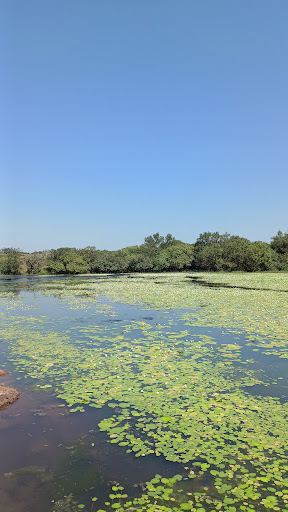
Water Bodies: The Koyna River, which originates in the sanctuary, flows through it and eventually forms the Shivsagar Lake, a large reservoir created by the Koyna Dam. These water bodies are crucial for the sanctuary's ecosystem.
Conservation Efforts: Koyna Wildlife Sanctuary is part of the Sahyadri Tiger Reserve, which aims to protect the habitat of tigers and other endangered species in the Western Ghats. The sanctuary is managed by the Maharashtra Forest Department, which implements various conservation programs and conducts regular patrolling to prevent poaching and illegal activities.
Tourist Attractions
Trekking and Hiking: The sanctuary offers several trekking and hiking trails that allow visitors to explore its diverse landscapes and experience its natural beauty up close. Popular trails include those leading to the Vasota Fort and the Nageshwar Cave.
Boating and Bird Watching: Boating in the Shivsagar Lake provides a unique way to observe the wildlife and enjoy the scenic surroundings. Birdwatchers can spot numerous species, including migratory birds that visit the sanctuary.
Nature Walks and Safaris: Guided nature walks and safaris with visitors to explore the sanctuary and learn about its flora, fauna, and ecological significance from knowledgeable guides.
Best Time to Visit
The ideal time to visit Koyna Wildlife Sanctuary is during the monsoon (June to September) and winter (October to February) seasons. The monsoon season brings lush greenery and abundant water, while the winter season offers pleasant weather for outdoor activities.
Accessibility
By Road: The sanctuary is well-connected and can be accessed from cities like Pune (190 km) and Mumbai (290 km). Regular buses and taxis are available. By Train: The nearest railway station is Ihiplun, about 50 km from the sanctuary. By Air: The nearest airport is Pune Airport, which is about 200 km away.
Visiting Koyna Wildlife Sanctuary offers a unique opportunity to experience the natural beauty and biodiversity of the Western Ghats, making it a must-visit destination for nature lovers and wildlife...
Read more