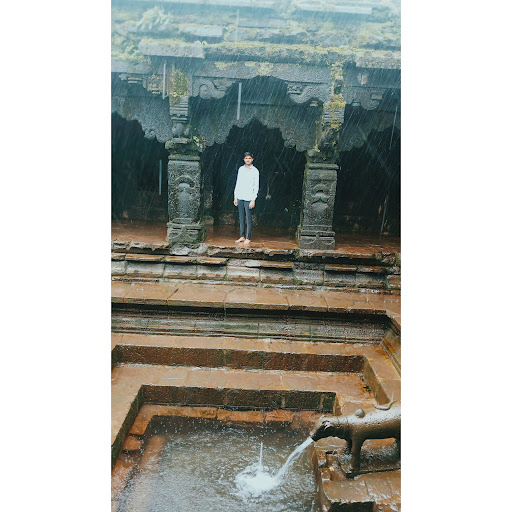
Krishnabai Temple, perched atop a quiet hill in the lush green landscape of Mahabaleshwar, Maharashtra, is a serene spot where history and nature converge to create a mystical experience. This ancient temple, believed to date back to the 13th century, holds a special significance as it is regarded as the origin of the Krishna River, one of the most revered rivers in India. Despite its historical and cultural importance, Krishnabai Temple remains relatively unexplored, offering visitors an offbeat and peaceful experience away from the bustling tourist spots in Mahabaleshwar.
Architectural Elegance and Historical Charm
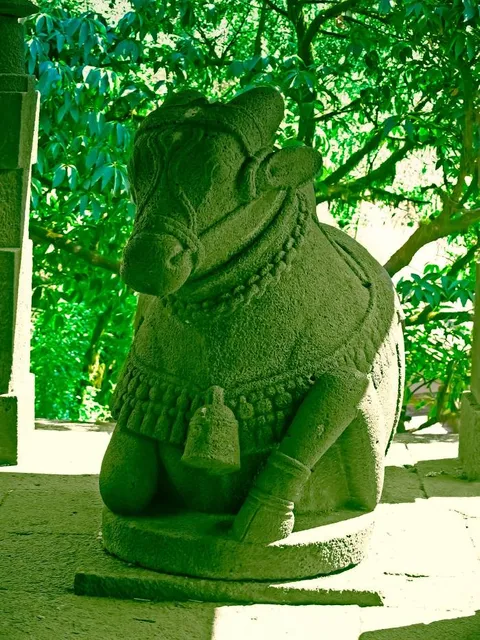
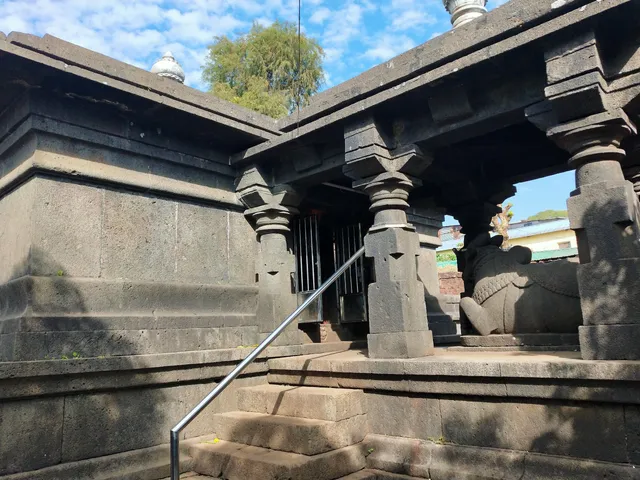
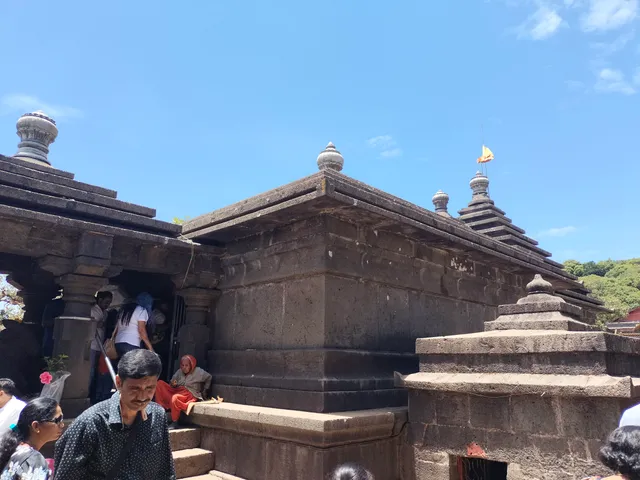
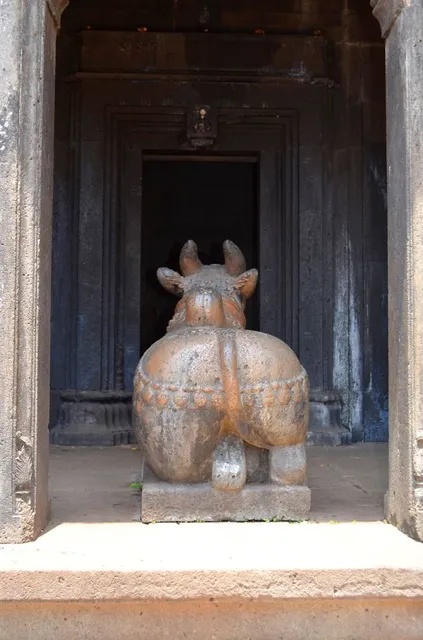
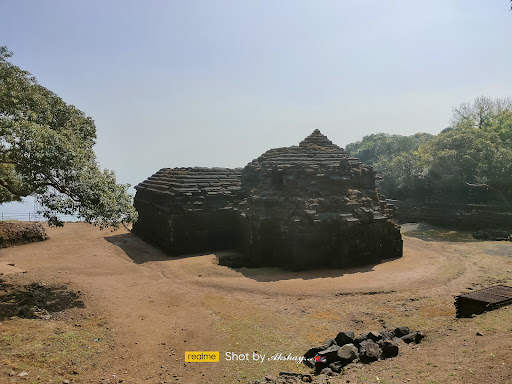
The architecture of Krishnabai Temple reflects a beautiful combination of ancient Hindu aesthetics and simplistic design. Built from black stone, the temple has an antiquated charm that instantly transports visitors back in time. The temple’s structure is modest yet captivating, with its intricate stone carvings on pillars and the small shrine dedicated to Lord Krishna. Unlike many grand Hindu temples, Krishnabai’s beauty lies in its rawness and age-worn features that have withstood centuries.
The stone structure, with its ornate pillars and simple yet profound carvings, is a testimony to the architectural craftsmanship of the period. The temple is small in size, and its weathered appearance from years of exposure to the elements only adds to its charm. The surroundings are dotted with moss, giving the area an otherworldly feel, as if nature itself guards the sanctity of this sacred place.
The Sacred Origin of River Krishna
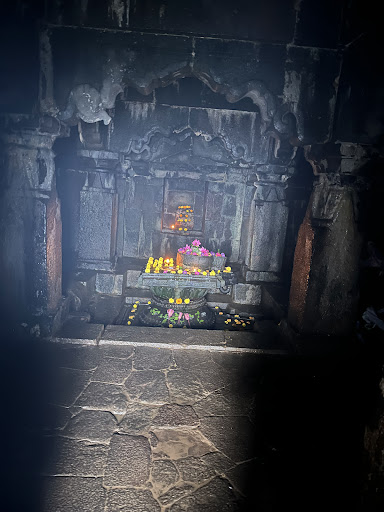
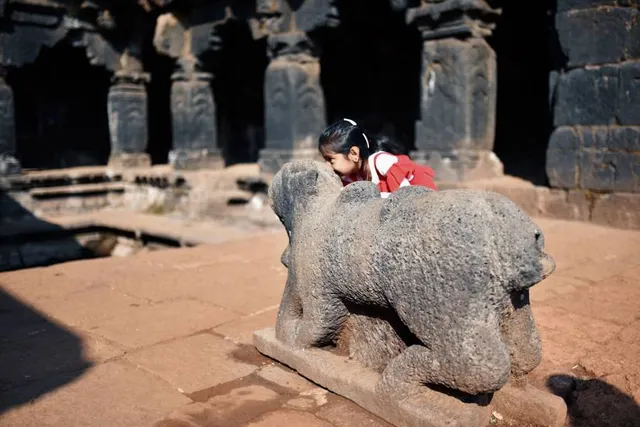
One of the most fascinating aspects of Krishnabai Temple is its association with the Krishna River. Inside the temple, there is a small, carved stone "cow mouth" (Gomukh) from which a perennial stream of water flows. This is considered the origin point of the Krishna River, which holds immense religious and cultural significance. The sacred water flows continuously through the Gomukh, giving devotees a sense of connection with the divine.
The water eventually flows down the hill and joins the Krishna River, which traverses Maharashtra, Karnataka, Telangana, and Andhra Pradesh before merging into the Bay of Bengal. Watching the water flow from this ancient source offers visitors a unique spiritual experience, connecting them to the river's mythological and historical journey across the Indian subcontinent.
A Mystical Vantage Point
The temple offers not only a spiritual experience but also breathtaking panoramic views. Positioned on a hill, the temple overlooks the lush valleys, hills, and forests that define Mahabaleshwar’s landscape. The view is particularly mesmerizing during the monsoon season when the entire area is blanketed in vibrant greenery and mist. Sunsets from this vantage point are stunning, with hues of orange and pink lighting up the sky, providing a perfect background for contemplation and peace.
Visitors often find that the peaceful ambiance of the Krishnabai Temple makes it an ideal place for meditation and reflection. Unlike other temples that are frequented by large crowds, Krishnabai offers solitude, making it a haven for those seeking to escape the chaos and reconnect with nature
A Hidden Treasure Off the Beaten Path
Due to its secluded location, Krishnabai Temple remains an undiscovered jewel for most tourists visiting Mahabaleshwar. It is slightly off the main tourist circuit, which helps it maintain its untouched charm. Getting to the temple requires a short trek through a narrow trail from the main road, making the journey to the temple itself an experience. Visitors should be prepared for a short but beautiful walk, as the path is surrounded by dense foliage and natural beauty.
Because it is less crowded, Krishnabai Temple is perfect for those who prefer a tranquil and immersive experience. The absence of commercialization around the temple further enhances its old-world appeal, allowing visitors to soak in the serenity without...
Read moreKrishnabai Mandir is a significant temple located in Mahabaleshwar, a popular hill station in the state of Maharashtra, India. This temple holds historical, architectural, and religious importance.
Historical and Religious Significance
Historical Background: Ancient Temple: The Krishnabai Mandir dates back to the late 19th century and is believed to have been built in 1888 by a ruler of the Ratnagiri district. The temple stands as a testament to the architectural and spiritual heritage of the region.
Religious Importance: Source of River Krishna: The temple is dedicated to the goddess Krishnabai and is considered the origin of the Krishna River. A small stream flows from the mouth of a cow (Gomukh) idol inside the temple, believed to be the river's source. Pilgrimage Site: It is an important pilgrimage site for devotees of Lord Krishna and those who worship the river Krishna.
Architectural Features
Temple Structure: Design: The temple is built in the Hemadpanti architectural style, with black stone and intricate carvings. Shrine and Idols: The main shrine houses the idol of Krishnabai and a Shivalinga. The interior walls and pillars are adorned with beautiful carvings depicting various deities and mythological scenes.
Surroundings: Scenic Location: The temple is on a hilltop, offering stunning views of the surrounding valleys and the Krishna River basin. The serene environment adds to the spiritual ambience of the site.
Cultural and Community Aspects
Festivals and Rituals: Krishna Janmashtami: The temple witnesses special celebrations during Krishna Janmashtami, the birth anniversary of Lord Krishna. Devotees gather to participate in the rituals and festivities. Regular Pujas: Daily worship and special pujas are conducted in the temple, attracting locals and tourists.
Local Traditions: Oral Histories: The local community preserves various legends and stories associated with the temple and the river Krishna, enriching the region's cultural heritage.
Visiting Krishnabai Mandir
Accessibility: The temple is accessible from Mahabaleshwar town, which is well-connected by road to major cities in Maharashtra. Best Time to Visit: The best time to visit Krishnabai Mandir is during the monsoon and winter seasons (June to February) when the weather is pleasant and the surroundings are lush and green.
Visiting Krishnabai Mandir offers a unique blend of spiritual solace, historical insight, and natural beauty, making it a must-visit destination for pilgrims and...
Read more⭐️⭐️⭐️⭐️⭐️ Krishnabai Mandir – A Mystical Spot in the Heart of Mahabaleshwar 🌧️🙏
Hi all! Me and my friend recently visited Krishnabai Mandir located near Mahabaleshwar Temple. By the time we reached, the temple was closed, so we did darshan from outside. But even from the outside — in the rain — this place gave a completely different vibe.
The moment we arrived, it was raining, and the sound of flowing water beside the temple, combined with the temple being right on the edge of a hill, gave me an unexplainable feeling — almost terrifying, but spiritual. It felt like a sacred place where time stood still.
📜 A Glimpse into History: 13th Century: The temple is believed to be constructed by King Singhandeo of the Yadava dynasty, with a stone-carved cow statue, symbolizing the origin of the Krishna River.
17th Century: Later improved by the legendary Chhatrapati Shivaji Maharaj.
1888: Some sources also mention the temple was re-established or renovated in this year, dedicated to Lord Shiva and Goddess Krishna.
🛕 Architectural Highlights: Unique damru (Shiva's drum)-shaped platform with a Shivalinga on top, from which water flows into a rock-cut kunda (pond).
Built with black stones and bricks, the temple blends beautifully with the surrounding cliffs.
The viewpoint offers a stunning panoramic view of Krishna Valley — one of the best in Mahabaleshwar.
Even though the temple was closed, the location, energy, and history of this place left a lasting impact on me. It’s a must-visit for anyone who loves spiritual, peaceful, and historically rich places.
Tip: Visit early morning or after Mahabaleshwar Temple darshan. Rainy season gives the best vibe — just be careful near the cliff.
Om Namah Shivaya 🙏 Jai...
Read more