HTML SitemapExplore
logo
Find Things to DoFind The Best Restaurants

Melghat Tiger Reserve — Attraction in Maharashtra

Name
Melghat Tiger Reserve
Description
Melghat was among the first nine tiger reserves of India to be notified in 1973 under Project Tiger. It is located at 21°26′45″N 77°11′50″E in the northern part of Amravati District of Maharashtra. Melghat Wildlife Sanctuary was declared as in 1985.
Nearby attractions
Nearby restaurants
Nearby hotels
Related posts
Keywords
Melghat Tiger Reserve tourism.Melghat Tiger Reserve hotels.Melghat Tiger Reserve bed and breakfast. flights to Melghat Tiger Reserve.Melghat Tiger Reserve attractions.Melghat Tiger Reserve restaurants.Melghat Tiger Reserve travel.Melghat Tiger Reserve travel guide.Melghat Tiger Reserve travel blog.Melghat Tiger Reserve pictures.Melghat Tiger Reserve photos.Melghat Tiger Reserve travel tips.Melghat Tiger Reserve maps.Melghat Tiger Reserve things to do.
Melghat Tiger Reserve things to do, attractions, restaurants, events info and trip planning
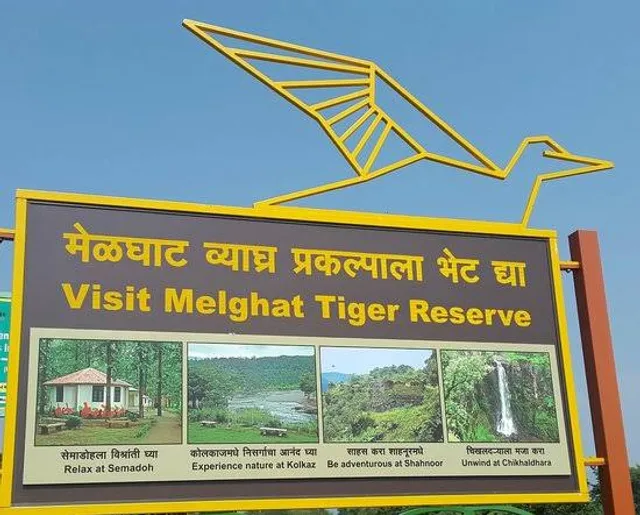
Melghat Tiger Reserve
IndiaMaharashtraMelghat Tiger Reserve

Basic Info

Melghat Tiger Reserve

C44X+CC6, Camp, Amravati, Maharashtra 444602, India
4.3(1.8K)
Open 24 hours
Save
spot

Ratings & Description

Info

Melghat was among the first nine tiger reserves of India to be notified in 1973 under Project Tiger. It is located at 21°26′45″N 77°11′50″E in the northern part of Amravati District of Maharashtra. Melghat Wildlife Sanctuary was declared as in 1985.

Outdoor
Adventure
Family friendly
attractions: , restaurants:
logoLearn more insights from Wanderboat AI.
Phone
+91 721 266 2792
Website
magicalmelghat.in

Plan your stay

hotel
Pet-friendly Hotels in Maharashtra
Find a cozy hotel nearby and make it a full experience.
hotel
Affordable Hotels in Maharashtra
Find a cozy hotel nearby and make it a full experience.
hotel
The Coolest Hotels You Haven't Heard Of (Yet)
Find a cozy hotel nearby and make it a full experience.
hotel
Trending Stays Worth the Hype in Maharashtra
Find a cozy hotel nearby and make it a full experience.

Reviews

Get the Appoverlay
Get the AppOne tap to find yournext favorite spots!
Wanderboat LogoWanderboat

Your everyday Al companion for getaway ideas

CompanyAbout Us
InformationAI Trip PlannerSitemap
SocialXInstagramTiktokLinkedin
LegalTerms of ServicePrivacy Policy

Get the app

© 2025 Wanderboat. All rights reserved.
logo

Reviews of Melghat Tiger Reserve

4.3
(1,823)
avatar
4.0
7y

Melghat was declared a tiger reserve and was among the first nine tiger reserves notified in 1973-74 under the Project Tiger. It is located at 21°26′45″N 77°11′50″ECoordinates: 21°26′45″N 77°11′50″E in northern part of Amravati District of Maharashtra State in India. The Tapti River and the Gawilgadh ridge of the Satpura Range form the boundaries of the reserve. In 1985 Melghat Wildlife Sanctuary was created.[1] The Tapi river flows through the northern end of the Melghat Tiger Reserve, through a forest which lies within the catchment area of the river system. Many different kinds of wildlife, both flora and fauna, are found here.

Gugamal National Park, which forms the core area of the reserve, has an area of 361.28 km2. carved out in 1987.There are passes in Melghat that invaders from the north traversed to reach Berar, where the Imad Shahi dynasty had been founded in 1484. The historic forts, Narnala and Gawilgarh, guarded the main east-west ridge. In 1803, in the Second Maratha War, Colonel Arthur Wellesley, who later became the Duke of Wellington, captured the Gawilgarh fort from the Marathas.[2]

Geography At the northern extreme of the Amravati district of Maharashtra, on the border of Madhya Pradesh, lies the Melghat in the South-western Satpura mountain ranges. Melghat means 'meeting of the ghats', which describes the area as a large tract of unending hills and ravines scarred by jagged cliffs and steep climbs.

The Melghat area was declared a tiger reserve in 1974. Presently, the total area of the reserve is around 1677 km2. There are no villages in the core area.

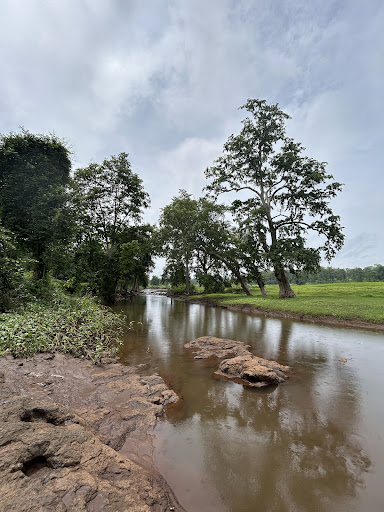
The forest is tropical dry deciduous in nature, dominated by teak (Tectona grandis). The reserve is a catchment area for five major rivers: the Khandu, Khapra, Sipna, Gadga and Dolar, all of which are tributaries of the river Tapti.Melghat, located in the Amaravati district of Maharashtra, is a tiger reserve wildlife sanctuary. Melghat Tiger Reserve is located on the southern offshoot of the Satpura Hill Range in Central India, called Gavilgarh Hill. It is 225 km west of Nagpur. It was established as a wildlife sanctuary in 1967, and was declared a tiger reserve in 1974. It was among the first nine tiger reserves notified in 1973-74 under Project Tiger, a wildlife conservation project initiated in India in 1972 to protect...

   Read more
avatar
4.0
5y

Melghat Tiger Reserve is located on southern offshoot of the Satpura Hill Range in Central India, called Gavilgarh hill in the Indian state of Maharashtra. The high ridge running east-west which has its highest point at Vairat (1178 m. above msl.), forms the southwestern boundary of the Reserve. It is a prime habitat of the tiger. The forest is tropical dry deciduous in nature, dominated by teak Tectona grandis. The Reserve is a catchment area for five major rivers viz. Khandu, Khapra, Sipna, Gadga and Dolar, all of which are tributaries of the river Tapti. The northeastern boundary of the Reserve is marked by the Tapti river. Melghat is the prime biodiversity repository of the state. The sudden slope of Melghat form the part of catchment of river Purna. The three major tributaries originating from Melghat region and draining into river Purna are Chandrabhaga, adnani and wan. Chikhaldara is located on high sudden platau at an altitude of 1100 ms. above MSL. Nature has offered protection to Melghat in the form of a rugged topography with only a few entry points. The Makhala, Chikhaldara, Chiladari, Patulda and Gugamal are the large plateaux amidst rugged terrain. Contiguity of forests in Satpura Hill Range guarantees the long-term conservation potential of the area. Conservation History : Melghat area was declared a Tiger Reserve in 1974. Presently, the total area of the Reserve is around 1677 sq. km. The core area of the Reserve, the Gugarnal National Park with an area of 361.28 sq. km., and buffer area of the Reserve, the Melghat Tiger Sanctuary with an area of 788.28 sq. km. (of which 21.39 sq. km. is non-forest), were together re-notified by the state government in 1994 as Melghat Sanctuary. The remaining area is managed as a ‘multiple use area’. Previously, Melghat Tiger Sanctuary was created in 1985 with an area of 1597.23 sq. km. Gugarnal National Park was carved out of this Sanctuary in 1987. Archaeological Richness : The Gavilgarh fort on the Chikhaldara plateau and Narnala fort abetting southeastern part of Melghat Tiger Reserve add to the aesthetic value of the area. Visitors to these archaeological monuments enjoy the serene forests in...

   Read more
avatar
5.0
31w

Nestled in the Satpura ranges of Maharashtra, Melghat Tiger Reserve is a thrilling escape into raw, untouched wilderness. If you're a nature lover or wildlife enthusiast, this place promises an unforgettable experience. Far from commercial chaos, Melghat offers serene landscapes, dense forests, and the hauntingly beautiful calls of the wild that echo through the valleys.

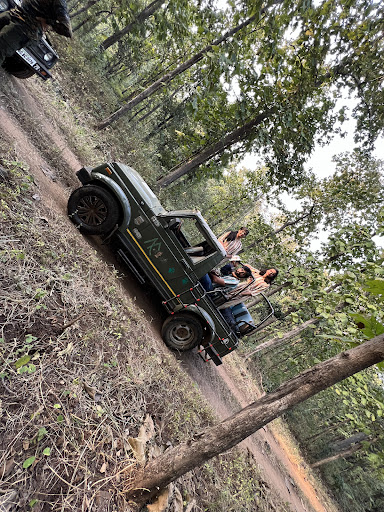
What sets Melghat apart is its authenticity. Unlike more popular reserves, it feels like nature here is still in charge—and that’s its biggest charm. The reserve is home to majestic Bengal tigers, leopards, sloth bears, Indian gaurs, barking deer, and countless species of birds that will delight even casual birdwatchers. While tiger sightings aren’t guaranteed, every safari brings its own surprises—pugmarks, fresh kills, or that thrilling moment when the forest falls silent.

The forest itself is a mix of teak and bamboo, dramatically spread over undulating hills and deep ravines. The terrain adds an element of adventure to every ride. The air is crisp, the views are breathtaking, and the sense of remoteness is oddly comforting.

The park staff and local guides are knowledgeable and passionate about conservation. They share stories of the jungle with genuine pride, making the safaris more immersive. You also get a glimpse of tribal life in the buffer villages, adding a cultural layer to the trip.

For the best experience, stay in one of the eco-tourism lodges nearby like Semadoh or Harisal. They're simple but clean and located right at the forest's edge, so you sleep to the sounds of crickets and wake up to birdsong.

Melghat may not be as famous as Ranthambhore or Tadoba, but that’s exactly why it’s worth visiting. It’s wild, peaceful, and soul-stirring—perfect for those who seek real connection...

   Read more
Page 1 of 7
Previous
Next

Posts

Atharv SinghaiAtharv Singhai
Nestled in the Satpura ranges of Maharashtra, Melghat Tiger Reserve is a thrilling escape into raw, untouched wilderness. If you're a nature lover or wildlife enthusiast, this place promises an unforgettable experience. Far from commercial chaos, Melghat offers serene landscapes, dense forests, and the hauntingly beautiful calls of the wild that echo through the valleys. What sets Melghat apart is its authenticity. Unlike more popular reserves, it feels like nature here is still in charge—and that’s its biggest charm. The reserve is home to majestic Bengal tigers, leopards, sloth bears, Indian gaurs, barking deer, and countless species of birds that will delight even casual birdwatchers. While tiger sightings aren’t guaranteed, every safari brings its own surprises—pugmarks, fresh kills, or that thrilling moment when the forest falls silent. The forest itself is a mix of teak and bamboo, dramatically spread over undulating hills and deep ravines. The terrain adds an element of adventure to every ride. The air is crisp, the views are breathtaking, and the sense of remoteness is oddly comforting. The park staff and local guides are knowledgeable and passionate about conservation. They share stories of the jungle with genuine pride, making the safaris more immersive. You also get a glimpse of tribal life in the buffer villages, adding a cultural layer to the trip. For the best experience, stay in one of the eco-tourism lodges nearby like Semadoh or Harisal. They're simple but clean and located right at the forest's edge, so you sleep to the sounds of crickets and wake up to birdsong. Melghat may not be as famous as Ranthambhore or Tadoba, but that’s exactly why it’s worth visiting. It’s wild, peaceful, and soul-stirring—perfect for those who seek real connection with nature.
Chetan WabhaleChetan Wabhale
Recently explored the Melghat Tiger Reserve, and I’m thrilled to share the experience. This hidden gem stands out not only for its economic appeal but also for the serene and peaceful ambiance it offers. Embarking on the safari adventure, Kolkas and Semodah emerged as standout locations. Kolkas, with its diverse landscapes, provided a rich tapestry of flora and fauna. The guided safari here was an immersive journey, offering glimpses of various wildlife species in their natural habitat. The highlight was undoubtedly the majestic tigers, a sight that resonates with the essence of a true jungle safari. Semodah, another gem within the reserve, boasts picturesque landscapes that transition seamlessly from dense forests to open meadows. The safari experience in Semodah is a tranquil escape, allowing visitors to witness the unhurried beauty of nature. The birdwatching opportunities are abundant, making it a haven for nature enthusiasts. What sets Melghat apart is its economic appeal without compromising the quality of the safari experience. The accommodations are reasonably priced, making it an attractive destination for wildlife enthusiasts on a budget. The reserve’s commitment to responsible tourism is evident, ensuring that the economic advantage doesn’t come at the expense of the environment. The tranquility of Melghat Tiger Reserve, coupled with its economic accessibility, makes it a must-visit for anyone seeking an authentic jungle safari experience. Whether you’re a wildlife enthusiast or a nature lover, Melghat leaves an indelible mark with its affordability, diverse landscapes, and commitment to preserving the natural beauty of the region.
Dr. Rohit KengeDr. Rohit Kenge
Melghat was among the first nine tiger reserves of India to be notified in 1973 under Project Tiger. It is located at 21°26′45″N 77°11′50″E in the northern part of Amravati District of Maharashtra. Melghat Wildlife Sanctuary was declared as in 1985. The Tapti River flows through the northern part of Melghat Tiger Reserve, and forms the boundary of the reserve together with the Gawilghur ridge of the Satpura Range.There are passes in Melghat that Kings from the north traversed to reach Berar, where the Imad Shahi dynasty had been founded in 1484. The historic forts, Narnala and Gawilgarh, guarded the main east-west ridge. In 1803, in the Second Maratha War, Colonel Arthur Wellesley, who later became the Duke of Wellington, captured the Gawilgarh fort from the Marathas.At the northern extreme of the Amravati district of Maharashtra, on the border of Madhya Pradesh, lies the Melghat in the South-western Satpura mountain ranges. Melghat means 'meeting of the ghats', which describes the area as a large tract of unending hills and ravines scarred by jagged cliffs and steep climbs.The Melghat area was declared a tiger reserve in 1974. The Meghat Tiger Reserve divided into Sipna, Gugamal and Akot Wildlife Division, administratively. Presently, the total area of the reserve is around 1677 km2. In Sipna and Gugamal Wildlife Division, there are more than 10 villages in the core area. In Akot wildlife Division, there are no villages in core area. All villages are rehabilitated in akot wildlife division.
See more posts
See more posts
hotel
Find your stay

Pet-friendly Hotels in Maharashtra

Find a cozy hotel nearby and make it a full experience.

Nestled in the Satpura ranges of Maharashtra, Melghat Tiger Reserve is a thrilling escape into raw, untouched wilderness. If you're a nature lover or wildlife enthusiast, this place promises an unforgettable experience. Far from commercial chaos, Melghat offers serene landscapes, dense forests, and the hauntingly beautiful calls of the wild that echo through the valleys. What sets Melghat apart is its authenticity. Unlike more popular reserves, it feels like nature here is still in charge—and that’s its biggest charm. The reserve is home to majestic Bengal tigers, leopards, sloth bears, Indian gaurs, barking deer, and countless species of birds that will delight even casual birdwatchers. While tiger sightings aren’t guaranteed, every safari brings its own surprises—pugmarks, fresh kills, or that thrilling moment when the forest falls silent. The forest itself is a mix of teak and bamboo, dramatically spread over undulating hills and deep ravines. The terrain adds an element of adventure to every ride. The air is crisp, the views are breathtaking, and the sense of remoteness is oddly comforting. The park staff and local guides are knowledgeable and passionate about conservation. They share stories of the jungle with genuine pride, making the safaris more immersive. You also get a glimpse of tribal life in the buffer villages, adding a cultural layer to the trip. For the best experience, stay in one of the eco-tourism lodges nearby like Semadoh or Harisal. They're simple but clean and located right at the forest's edge, so you sleep to the sounds of crickets and wake up to birdsong. Melghat may not be as famous as Ranthambhore or Tadoba, but that’s exactly why it’s worth visiting. It’s wild, peaceful, and soul-stirring—perfect for those who seek real connection with nature.
Atharv Singhai

Atharv Singhai

hotel
Find your stay

Affordable Hotels in Maharashtra

Find a cozy hotel nearby and make it a full experience.

Get the Appoverlay
Get the AppOne tap to find yournext favorite spots!
Recently explored the Melghat Tiger Reserve, and I’m thrilled to share the experience. This hidden gem stands out not only for its economic appeal but also for the serene and peaceful ambiance it offers. Embarking on the safari adventure, Kolkas and Semodah emerged as standout locations. Kolkas, with its diverse landscapes, provided a rich tapestry of flora and fauna. The guided safari here was an immersive journey, offering glimpses of various wildlife species in their natural habitat. The highlight was undoubtedly the majestic tigers, a sight that resonates with the essence of a true jungle safari. Semodah, another gem within the reserve, boasts picturesque landscapes that transition seamlessly from dense forests to open meadows. The safari experience in Semodah is a tranquil escape, allowing visitors to witness the unhurried beauty of nature. The birdwatching opportunities are abundant, making it a haven for nature enthusiasts. What sets Melghat apart is its economic appeal without compromising the quality of the safari experience. The accommodations are reasonably priced, making it an attractive destination for wildlife enthusiasts on a budget. The reserve’s commitment to responsible tourism is evident, ensuring that the economic advantage doesn’t come at the expense of the environment. The tranquility of Melghat Tiger Reserve, coupled with its economic accessibility, makes it a must-visit for anyone seeking an authentic jungle safari experience. Whether you’re a wildlife enthusiast or a nature lover, Melghat leaves an indelible mark with its affordability, diverse landscapes, and commitment to preserving the natural beauty of the region.
Chetan Wabhale

Chetan Wabhale

hotel
Find your stay

The Coolest Hotels You Haven't Heard Of (Yet)

Find a cozy hotel nearby and make it a full experience.

hotel
Find your stay

Trending Stays Worth the Hype in Maharashtra

Find a cozy hotel nearby and make it a full experience.

Melghat was among the first nine tiger reserves of India to be notified in 1973 under Project Tiger. It is located at 21°26′45″N 77°11′50″E in the northern part of Amravati District of Maharashtra. Melghat Wildlife Sanctuary was declared as in 1985. The Tapti River flows through the northern part of Melghat Tiger Reserve, and forms the boundary of the reserve together with the Gawilghur ridge of the Satpura Range.There are passes in Melghat that Kings from the north traversed to reach Berar, where the Imad Shahi dynasty had been founded in 1484. The historic forts, Narnala and Gawilgarh, guarded the main east-west ridge. In 1803, in the Second Maratha War, Colonel Arthur Wellesley, who later became the Duke of Wellington, captured the Gawilgarh fort from the Marathas.At the northern extreme of the Amravati district of Maharashtra, on the border of Madhya Pradesh, lies the Melghat in the South-western Satpura mountain ranges. Melghat means 'meeting of the ghats', which describes the area as a large tract of unending hills and ravines scarred by jagged cliffs and steep climbs.The Melghat area was declared a tiger reserve in 1974. The Meghat Tiger Reserve divided into Sipna, Gugamal and Akot Wildlife Division, administratively. Presently, the total area of the reserve is around 1677 km2. In Sipna and Gugamal Wildlife Division, there are more than 10 villages in the core area. In Akot wildlife Division, there are no villages in core area. All villages are rehabilitated in akot wildlife division.
Dr. Rohit Kenge

Dr. Rohit Kenge

See more posts
See more posts