HTML SitemapExplore
Find Things to DoFind The Best Restaurants

Naneghat — Attraction in Maharashtra

Name
Naneghat
Description
Naneghat, also referred to as Nanaghat or Nana Ghat, is a mountain pass in the Western Ghats range between the Konkan coast and the ancient town of Junnar in the Deccan plateau. The pass is about 120 kilometres north of Pune and about 165 kilometres east from Mumbai, Maharashtra, India.
Nearby attractions
Nearby restaurants
Nearby hotels
TAALISH - A BOUTIQUE RESORT
Taalish Resort junnar, Ghatghar, Maharashtra 410502, India
Related posts
Keywords
Naneghat tourism.Naneghat hotels.Naneghat bed and breakfast. flights to Naneghat.Naneghat attractions.Naneghat restaurants.Naneghat travel.Naneghat travel guide.Naneghat travel blog.Naneghat pictures.Naneghat photos.Naneghat travel tips.Naneghat maps.Naneghat things to do.
Naneghat things to do, attractions, restaurants, events info and trip planning
Naneghat
IndiaMaharashtraNaneghat

Basic Info

Naneghat

Ghatghar, Maharashtra 410502
4.6(881)
Open 24 hours
Save
spot

Ratings & Description

Info

Naneghat, also referred to as Nanaghat or Nana Ghat, is a mountain pass in the Western Ghats range between the Konkan coast and the ancient town of Junnar in the Deccan plateau. The pass is about 120 kilometres north of Pune and about 165 kilometres east from Mumbai, Maharashtra, India.

Outdoor
Adventure
Cultural
Scenic
attractions: , restaurants:
logoLearn more insights from Wanderboat AI.

Plan your stay

hotel
Pet-friendly Hotels in Maharashtra
Find a cozy hotel nearby and make it a full experience.
hotel
Affordable Hotels in Maharashtra
Find a cozy hotel nearby and make it a full experience.
hotel
The Coolest Hotels You Haven't Heard Of (Yet)
Find a cozy hotel nearby and make it a full experience.
hotel
Trending Stays Worth the Hype in Maharashtra
Find a cozy hotel nearby and make it a full experience.

Reviews

Get the Appoverlay
Get the AppOne tap to find yournext favorite spots!
Wanderboat LogoWanderboat

Your everyday Al companion for getaway ideas

CompanyAbout Us
InformationAI Trip PlannerSitemap
SocialXInstagramTiktokLinkedin
LegalTerms of ServicePrivacy Policy

Get the app

© 2025 Wanderboat. All rights reserved.

Reviews of Naneghat

4.6
(881)
avatar
5.0
1y

Naneghat is situated about 120 kilometers from Mumbai and around 160 kilometers from Pune. The nearest town is Junnar, which is famous for the ancient Shivneri Fort, the birthplace of Chhatrapati Shivaji Maharaj. Reaching Naneghat is relatively easy, with roads in good condition leading up to the base village, Vaishakhare. From there, the real adventure begins with a trekking trail that transports you to an era long gone by.

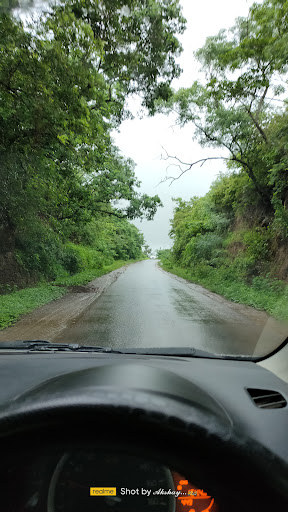
For those coming from Mumbai or Pune, driving to the base village takes around 3 to 4 hours, depending on traffic. The scenic drive offers a visual treat with lush green landscapes, especially during the monsoon season. Public transport options are available but limited, so it's recommended to travel by personal vehicle for convenience.

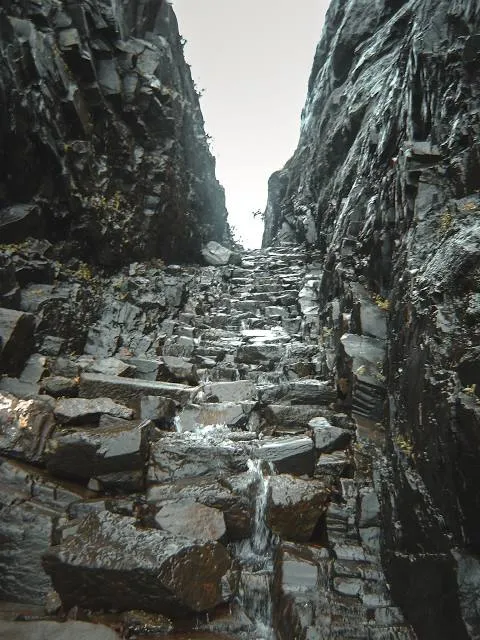
Naneghat trek is moderate in difficulty, making it ideal for both seasoned trekkers and beginners. The trek is approximately 4 to 5 kilometers long, with a steep ascent that tests your endurance. What sets this trek apart from others is the ancient rock-carved steps that guide you up the mountain, reminding you that this pass was once a trade route during the Satavahana dynasty, used by traders and travelers over 2,000 years ago.

The trek usually takes around 3 to 4 hours, depending on your pace and fitness level. The trail is well-marked but can be slippery during the monsoon season, so wearing sturdy trekking shoes is essential. Along the way, you'll encounter small waterfalls, dense forests, and open plateaus that offer stunning panoramic views of the Sahyadri range.

One of the most fascinating aspects of Naneghat is its rich historical significance. The pass was used as an ancient trade route that connected the Konkan coast to the Deccan plateau. The name "Naneghat" itself is derived from the Marathi words "Nane" (coins) and "Ghat" (pass), as it was a toll collection point for traders. As you hike up, you can see the remnants of ancient inscriptions carved into the rocks in Brahmi script, believed to be over 2,000 years old. These inscriptions mention the Satavahana rulers and their conquests, adding a layer of mystique to the trek.

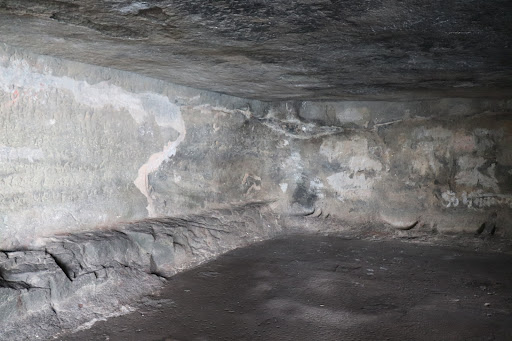
At the top of the pass, you'll find a large rock-cut cave, which was used as a resting place for traders. Inside, there are more inscriptions and carvings, providing insights into the lives of those who once traversed this route. The sheer size of the cave and the intricacy of the carvings are a testament to the architectural brilliance of the ancient Satavahana dynasty.

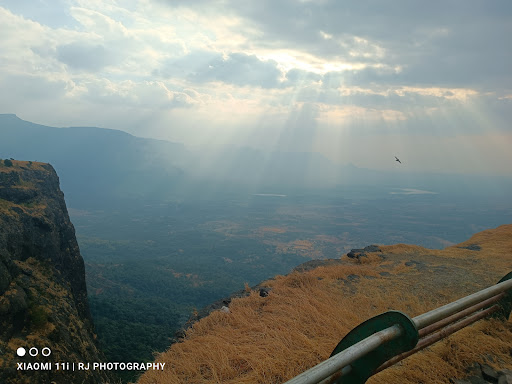
Naneghat is a paradise for nature lovers. Once you reach the top, you are greeted by a stunning view of the Konkan plains and the surrounding mountain ranges. The cool breeze, combined with the serene atmosphere, makes it a perfect spot to unwind and soak in the beauty of the Western Ghats. The monsoon season, in particular, transforms Naneghat into a lush green haven, with clouds rolling over the mountains and small streams trickling down the rocks.

The best time to visit Naneghat is during the monsoon (June to September) and the winter months (October to February). The monsoon months bring out the full beauty of the landscape, with waterfalls cascading down the cliffs and the entire region enveloped in greenery. However, the trail can be slippery, so caution is advised. The winter months offer clear skies and pleasant weather, making it an ideal time for photography and picnics.

The highlight of the trek is reaching the Naneghat pinnacle, a massive rock structure that resembles a thumb when viewed from a distance. Known as "Nanacha Angatha" in Marathi, this iconic formation is a must-see for trekkers. Climbing up to this point offers a bird's-eye view of the valley below and the winding paths that you have traversed. It's a perfect spot to take a break, click some memorable photos, and enjoy the sense of...

   Read more
avatar
4.0
1y

Naneghat, a historic mountain pass in the Western Ghats of Maharashtra, is a captivating destination for trekkers, history enthusiasts, and nature lovers. My visit to Naneghat was an exhilarating journey that combined adventure, natural beauty, and a deep sense of history.

Scenic Beauty and Trekking Experience Naneghat offers a trekking experience that is both challenging and rewarding. The trail is surrounded by lush greenery, rocky cliffs, and panoramic views of the Sahyadri mountain range. The trek, which takes about 3 to 4 hours to complete, is moderately difficult and suitable for both experienced trekkers and enthusiastic beginners. Along the way, the cool breeze and the sound of rustling leaves create a serene atmosphere, making the trek enjoyable and refreshing.

The highlight of the trek is reaching the top of Naneghat, where you are greeted with breathtaking views of the surrounding valleys and mountains. The sight of the clouds rolling over the hills and the expansive landscape stretching out before you is truly awe-inspiring. The cool and misty weather at the top adds to the overall charm of the place.

Historical Significance Naneghat is not just a trekking destination; it is also a place of historical importance. The pass was used as a trade route during the Satavahana dynasty, and its name, "Naneghat," translates to "coin pass," reflecting its historical role as a toll collection point. At the top, you can explore ancient rock-cut caves and inscriptions that date back to the 1st century BCE. These inscriptions, written in Brahmi script, provide a glimpse into the rich history and culture of the region.

The large stone pot, known as the "Naneghat pot," is another intriguing historical artifact. It is believed that traders used to deposit coins in this pot as a toll for using the pass. The blend of natural beauty and historical significance makes Naneghat a unique destination that offers both adventure and education.

Best Time to Visit The best time to visit Naneghat is during the monsoon season, from June to September, when the entire region is enveloped in lush greenery and the waterfalls along the trail are in full flow. The cool and misty weather during this time enhances the trekking experience, making it more enjoyable. However, trekking during the monsoon can be slippery and challenging, so proper precautions and gear are necessary.

The winter months from October to February are also a good time to visit, as the weather is pleasant and the trails are more manageable. Avoid visiting during the peak summer months, as the heat can make the trek strenuous.

Accessibility and Facilities Naneghat is easily accessible from major cities like Mumbai and Pune. The base village for the trek is Vaishakhare, which is well-connected by road. While the village has limited facilities, it offers basic amenities and a few local eateries that serve simple but tasty Maharashtrian cuisine.

It is advisable to carry sufficient water, snacks, and trekking gear, as there are no facilities available once you start the trek. Proper footwear, rain protection (if visiting during the monsoon), and a first-aid kit are essential for a safe and comfortable trek.

Conclusion In summary, Naneghat is a must-visit destination for anyone looking to experience the beauty of the Western Ghats, combined with a touch of history. The trek is both challenging and rewarding, offering stunning views and a sense of accomplishment. The historical significance of the pass adds an extra layer of interest, making it a perfect destination for a day trip or a weekend adventure. My visit to Naneghat was a memorable and enriching experience, and I highly recommend it to nature lovers, trekkers, and history...

   Read more

avatar
4.0
3y

Naneghat, also referred to as Nanaghat or Nana Ghat, is a mountain pass in the Western Ghats range between the Konkan coast and the ancient town of Junnar in the Deccan plateau. The pass is about 120 kilometres north of Pune and about 165 kilometres east from Mumbai. It was a part of an ancient trading route, and is famous for a major cave with Sanskrit inscriptions in Brahmi script and Middle Indo-Aryan dialect. These inscriptions have been dated between the 2nd and the 1st century BCE, and attributed to the Satavahana dynasty era.

Nanaghat pass stretches over the Western Ghats, through an ancient stone laid hiking trail to the Nanaghat plateau. The pass was the fastest key passage that linked the Indian west coast seaports of Sopara, Kalyan and Thana with economic centers and human settlements in Nasik, Paithan, Ter and others, according to Archaeological Survey of India. Near the top is large, ancient manmade cave. On the cave's back wall are a series of inscriptions, some long and others short. The high point and cave is reachable by road via Highways 60 or 61. The cave archaeological site is about 120 kilometres (75 mi) north of Pune and about 165 kilometres (103 mi) east from Mumbai. The Naneghat Cave is near other important ancient sites. It is, for example, about 35 kilometres (22 mi) from the Lenyadri Group of Theravada Buddhist Caves and some 200 mounds that have been excavated near Junnar, mostly from the 3rd-century BCE and 3rd-century CE period. The closest station to reach Naneghat is Kalyan station which lies on the Central Line.

The scholarship on the Naneghat Cave inscription began after William Sykes found them while hiking during the summer of 1828. Neither an archaeologist nor epigraphist, his training was as a statistician and he presumed that it was a Buddhist cave temple. He visited the site several times and made eye-copy (hand drawings) of the script panel he saw on the left and the right side of the wall. He then read a paper to the Bombay Literary Society in 1833 under the title, Inscriptions of the Boodh caves near Joonur, later co-published with John Malcolm in 1837. Sykes believed that the cave's "Boodh" (Buddhist) inscription showed signs of damage both from the weather elements as well as someone crudely incising to desecrate it. He also thought that the inscription was not created by a skilled artisan, but someone who was in a hurry or not careful. Sykes also noted that he saw stone seats carved along the walls all around the cave, likely because the cave was meant as a rest stop or shelter for those traveling across the Western Ghats through the Naneghat pass.

Nice place to visit during rainy season. Reverse waterfall and Naneghat being the most loved placed are at times crowded. Limited yet good options to eat Maharashtrian food. For lavish food you can consider Taalish Resort which is nearby.

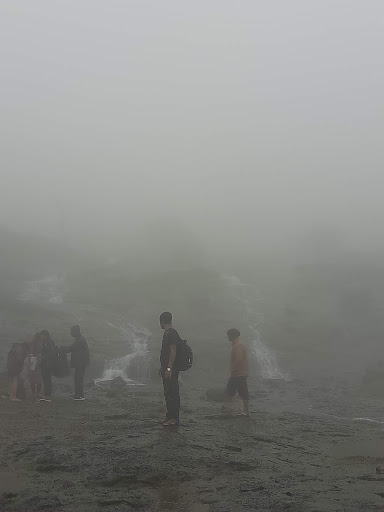
Reaching to reverse waterfall may be tricky specifically when it's raining or foggy. Have seen local guides taking advantage of it so be careful.

In order to see Reverse waterfall you need be lucky enough as it totally depend on rain and wind. Having said that the it's beautiful location surrounded by several scenic spots nearby as well as on the way.

Road condition is good however roads are narrow so be careful while passing by another vehicles specially if it's heavy vehicles like buses. As you reach near Naneghat you may face visibility difficulties when it's...

   Read more
Page 1 of 7
Previous
Next

Posts

Akshay WadelkarAkshay Wadelkar
Naneghat is situated about 120 kilometers from Mumbai and around 160 kilometers from Pune. The nearest town is Junnar, which is famous for the ancient Shivneri Fort, the birthplace of Chhatrapati Shivaji Maharaj. Reaching Naneghat is relatively easy, with roads in good condition leading up to the base village, Vaishakhare. From there, the real adventure begins with a trekking trail that transports you to an era long gone by. For those coming from Mumbai or Pune, driving to the base village takes around 3 to 4 hours, depending on traffic. The scenic drive offers a visual treat with lush green landscapes, especially during the monsoon season. Public transport options are available but limited, so it's recommended to travel by personal vehicle for convenience. Naneghat trek is moderate in difficulty, making it ideal for both seasoned trekkers and beginners. The trek is approximately 4 to 5 kilometers long, with a steep ascent that tests your endurance. What sets this trek apart from others is the ancient rock-carved steps that guide you up the mountain, reminding you that this pass was once a trade route during the Satavahana dynasty, used by traders and travelers over 2,000 years ago. The trek usually takes around 3 to 4 hours, depending on your pace and fitness level. The trail is well-marked but can be slippery during the monsoon season, so wearing sturdy trekking shoes is essential. Along the way, you'll encounter small waterfalls, dense forests, and open plateaus that offer stunning panoramic views of the Sahyadri range. One of the most fascinating aspects of Naneghat is its rich historical significance. The pass was used as an ancient trade route that connected the Konkan coast to the Deccan plateau. The name "Naneghat" itself is derived from the Marathi words "Nane" (coins) and "Ghat" (pass), as it was a toll collection point for traders. As you hike up, you can see the remnants of ancient inscriptions carved into the rocks in Brahmi script, believed to be over 2,000 years old. These inscriptions mention the Satavahana rulers and their conquests, adding a layer of mystique to the trek. At the top of the pass, you'll find a large rock-cut cave, which was used as a resting place for traders. Inside, there are more inscriptions and carvings, providing insights into the lives of those who once traversed this route. The sheer size of the cave and the intricacy of the carvings are a testament to the architectural brilliance of the ancient Satavahana dynasty. Naneghat is a paradise for nature lovers. Once you reach the top, you are greeted by a stunning view of the Konkan plains and the surrounding mountain ranges. The cool breeze, combined with the serene atmosphere, makes it a perfect spot to unwind and soak in the beauty of the Western Ghats. The monsoon season, in particular, transforms Naneghat into a lush green haven, with clouds rolling over the mountains and small streams trickling down the rocks. The best time to visit Naneghat is during the monsoon (June to September) and the winter months (October to February). The monsoon months bring out the full beauty of the landscape, with waterfalls cascading down the cliffs and the entire region enveloped in greenery. However, the trail can be slippery, so caution is advised. The winter months offer clear skies and pleasant weather, making it an ideal time for photography and picnics. The highlight of the trek is reaching the Naneghat pinnacle, a massive rock structure that resembles a thumb when viewed from a distance. Known as "Nanacha Angatha" in Marathi, this iconic formation is a must-see for trekkers. Climbing up to this point offers a bird's-eye view of the valley below and the winding paths that you have traversed. It's a perfect spot to take a break, click some memorable photos, and enjoy the sense of achievement.
Rahul Jadhav RjRahul Jadhav Rj
Naneghat, a historic mountain pass in the Western Ghats of Maharashtra, is a captivating destination for trekkers, history enthusiasts, and nature lovers. My visit to Naneghat was an exhilarating journey that combined adventure, natural beauty, and a deep sense of history. Scenic Beauty and Trekking Experience Naneghat offers a trekking experience that is both challenging and rewarding. The trail is surrounded by lush greenery, rocky cliffs, and panoramic views of the Sahyadri mountain range. The trek, which takes about 3 to 4 hours to complete, is moderately difficult and suitable for both experienced trekkers and enthusiastic beginners. Along the way, the cool breeze and the sound of rustling leaves create a serene atmosphere, making the trek enjoyable and refreshing. The highlight of the trek is reaching the top of Naneghat, where you are greeted with breathtaking views of the surrounding valleys and mountains. The sight of the clouds rolling over the hills and the expansive landscape stretching out before you is truly awe-inspiring. The cool and misty weather at the top adds to the overall charm of the place. Historical Significance Naneghat is not just a trekking destination; it is also a place of historical importance. The pass was used as a trade route during the Satavahana dynasty, and its name, "Naneghat," translates to "coin pass," reflecting its historical role as a toll collection point. At the top, you can explore ancient rock-cut caves and inscriptions that date back to the 1st century BCE. These inscriptions, written in Brahmi script, provide a glimpse into the rich history and culture of the region. The large stone pot, known as the "Naneghat pot," is another intriguing historical artifact. It is believed that traders used to deposit coins in this pot as a toll for using the pass. The blend of natural beauty and historical significance makes Naneghat a unique destination that offers both adventure and education. Best Time to Visit The best time to visit Naneghat is during the monsoon season, from June to September, when the entire region is enveloped in lush greenery and the waterfalls along the trail are in full flow. The cool and misty weather during this time enhances the trekking experience, making it more enjoyable. However, trekking during the monsoon can be slippery and challenging, so proper precautions and gear are necessary. The winter months from October to February are also a good time to visit, as the weather is pleasant and the trails are more manageable. Avoid visiting during the peak summer months, as the heat can make the trek strenuous. Accessibility and Facilities Naneghat is easily accessible from major cities like Mumbai and Pune. The base village for the trek is Vaishakhare, which is well-connected by road. While the village has limited facilities, it offers basic amenities and a few local eateries that serve simple but tasty Maharashtrian cuisine. It is advisable to carry sufficient water, snacks, and trekking gear, as there are no facilities available once you start the trek. Proper footwear, rain protection (if visiting during the monsoon), and a first-aid kit are essential for a safe and comfortable trek. Conclusion In summary, Naneghat is a must-visit destination for anyone looking to experience the beauty of the Western Ghats, combined with a touch of history. The trek is both challenging and rewarding, offering stunning views and a sense of accomplishment. The historical significance of the pass adds an extra layer of interest, making it a perfect destination for a day trip or a weekend adventure. My visit to Naneghat was a memorable and enriching experience, and I highly recommend it to nature lovers, trekkers, and history enthusiasts alike.
Ramkrishna HanchateRamkrishna Hanchate
Naneghat, also referred to as Nanaghat or Nana Ghat, is a mountain pass in the Western Ghats range between the Konkan coast and the ancient town of Junnar in the Deccan plateau. The pass is about 120 kilometres north of Pune and about 165 kilometres east from Mumbai. It was a part of an ancient trading route, and is famous for a major cave with Sanskrit inscriptions in Brahmi script and Middle Indo-Aryan dialect. These inscriptions have been dated between the 2nd and the 1st century BCE, and attributed to the Satavahana dynasty era. Nanaghat pass stretches over the Western Ghats, through an ancient stone laid hiking trail to the Nanaghat plateau. The pass was the fastest key passage that linked the Indian west coast seaports of Sopara, Kalyan and Thana with economic centers and human settlements in Nasik, Paithan, Ter and others, according to Archaeological Survey of India. Near the top is large, ancient manmade cave. On the cave's back wall are a series of inscriptions, some long and others short. The high point and cave is reachable by road via Highways 60 or 61. The cave archaeological site is about 120 kilometres (75 mi) north of Pune and about 165 kilometres (103 mi) east from Mumbai. The Naneghat Cave is near other important ancient sites. It is, for example, about 35 kilometres (22 mi) from the Lenyadri Group of Theravada Buddhist Caves and some 200 mounds that have been excavated near Junnar, mostly from the 3rd-century BCE and 3rd-century CE period. The closest station to reach Naneghat is Kalyan station which lies on the Central Line. The scholarship on the Naneghat Cave inscription began after William Sykes found them while hiking during the summer of 1828. Neither an archaeologist nor epigraphist, his training was as a statistician and he presumed that it was a Buddhist cave temple. He visited the site several times and made eye-copy (hand drawings) of the script panel he saw on the left and the right side of the wall. He then read a paper to the Bombay Literary Society in 1833 under the title, Inscriptions of the Boodh caves near Joonur, later co-published with John Malcolm in 1837. Sykes believed that the cave's "Boodh" (Buddhist) inscription showed signs of damage both from the weather elements as well as someone crudely incising to desecrate it. He also thought that the inscription was not created by a skilled artisan, but someone who was in a hurry or not careful. Sykes also noted that he saw stone seats carved along the walls all around the cave, likely because the cave was meant as a rest stop or shelter for those traveling across the Western Ghats through the Naneghat pass. Nice place to visit during rainy season. Reverse waterfall and Naneghat being the most loved placed are at times crowded. Limited yet good options to eat Maharashtrian food. For lavish food you can consider Taalish Resort which is nearby. Reaching to reverse waterfall may be tricky specifically when it's raining or foggy. Have seen local guides taking advantage of it so be careful. In order to see Reverse waterfall you need be lucky enough as it totally depend on rain and wind. Having said that the it's beautiful location surrounded by several scenic spots nearby as well as on the way. Road condition is good however roads are narrow so be careful while passing by another vehicles specially if it's heavy vehicles like buses. As you reach near Naneghat you may face visibility difficulties when it's raining or foggy.
See more posts
See more posts
hotel
Find your stay

Pet-friendly Hotels in Maharashtra

Find a cozy hotel nearby and make it a full experience.

Naneghat is situated about 120 kilometers from Mumbai and around 160 kilometers from Pune. The nearest town is Junnar, which is famous for the ancient Shivneri Fort, the birthplace of Chhatrapati Shivaji Maharaj. Reaching Naneghat is relatively easy, with roads in good condition leading up to the base village, Vaishakhare. From there, the real adventure begins with a trekking trail that transports you to an era long gone by. For those coming from Mumbai or Pune, driving to the base village takes around 3 to 4 hours, depending on traffic. The scenic drive offers a visual treat with lush green landscapes, especially during the monsoon season. Public transport options are available but limited, so it's recommended to travel by personal vehicle for convenience. Naneghat trek is moderate in difficulty, making it ideal for both seasoned trekkers and beginners. The trek is approximately 4 to 5 kilometers long, with a steep ascent that tests your endurance. What sets this trek apart from others is the ancient rock-carved steps that guide you up the mountain, reminding you that this pass was once a trade route during the Satavahana dynasty, used by traders and travelers over 2,000 years ago. The trek usually takes around 3 to 4 hours, depending on your pace and fitness level. The trail is well-marked but can be slippery during the monsoon season, so wearing sturdy trekking shoes is essential. Along the way, you'll encounter small waterfalls, dense forests, and open plateaus that offer stunning panoramic views of the Sahyadri range. One of the most fascinating aspects of Naneghat is its rich historical significance. The pass was used as an ancient trade route that connected the Konkan coast to the Deccan plateau. The name "Naneghat" itself is derived from the Marathi words "Nane" (coins) and "Ghat" (pass), as it was a toll collection point for traders. As you hike up, you can see the remnants of ancient inscriptions carved into the rocks in Brahmi script, believed to be over 2,000 years old. These inscriptions mention the Satavahana rulers and their conquests, adding a layer of mystique to the trek. At the top of the pass, you'll find a large rock-cut cave, which was used as a resting place for traders. Inside, there are more inscriptions and carvings, providing insights into the lives of those who once traversed this route. The sheer size of the cave and the intricacy of the carvings are a testament to the architectural brilliance of the ancient Satavahana dynasty. Naneghat is a paradise for nature lovers. Once you reach the top, you are greeted by a stunning view of the Konkan plains and the surrounding mountain ranges. The cool breeze, combined with the serene atmosphere, makes it a perfect spot to unwind and soak in the beauty of the Western Ghats. The monsoon season, in particular, transforms Naneghat into a lush green haven, with clouds rolling over the mountains and small streams trickling down the rocks. The best time to visit Naneghat is during the monsoon (June to September) and the winter months (October to February). The monsoon months bring out the full beauty of the landscape, with waterfalls cascading down the cliffs and the entire region enveloped in greenery. However, the trail can be slippery, so caution is advised. The winter months offer clear skies and pleasant weather, making it an ideal time for photography and picnics. The highlight of the trek is reaching the Naneghat pinnacle, a massive rock structure that resembles a thumb when viewed from a distance. Known as "Nanacha Angatha" in Marathi, this iconic formation is a must-see for trekkers. Climbing up to this point offers a bird's-eye view of the valley below and the winding paths that you have traversed. It's a perfect spot to take a break, click some memorable photos, and enjoy the sense of achievement.
Akshay Wadelkar

Akshay Wadelkar

hotel
Find your stay

Affordable Hotels in Maharashtra

Find a cozy hotel nearby and make it a full experience.

Get the Appoverlay
Get the AppOne tap to find yournext favorite spots!
Naneghat, a historic mountain pass in the Western Ghats of Maharashtra, is a captivating destination for trekkers, history enthusiasts, and nature lovers. My visit to Naneghat was an exhilarating journey that combined adventure, natural beauty, and a deep sense of history. Scenic Beauty and Trekking Experience Naneghat offers a trekking experience that is both challenging and rewarding. The trail is surrounded by lush greenery, rocky cliffs, and panoramic views of the Sahyadri mountain range. The trek, which takes about 3 to 4 hours to complete, is moderately difficult and suitable for both experienced trekkers and enthusiastic beginners. Along the way, the cool breeze and the sound of rustling leaves create a serene atmosphere, making the trek enjoyable and refreshing. The highlight of the trek is reaching the top of Naneghat, where you are greeted with breathtaking views of the surrounding valleys and mountains. The sight of the clouds rolling over the hills and the expansive landscape stretching out before you is truly awe-inspiring. The cool and misty weather at the top adds to the overall charm of the place. Historical Significance Naneghat is not just a trekking destination; it is also a place of historical importance. The pass was used as a trade route during the Satavahana dynasty, and its name, "Naneghat," translates to "coin pass," reflecting its historical role as a toll collection point. At the top, you can explore ancient rock-cut caves and inscriptions that date back to the 1st century BCE. These inscriptions, written in Brahmi script, provide a glimpse into the rich history and culture of the region. The large stone pot, known as the "Naneghat pot," is another intriguing historical artifact. It is believed that traders used to deposit coins in this pot as a toll for using the pass. The blend of natural beauty and historical significance makes Naneghat a unique destination that offers both adventure and education. Best Time to Visit The best time to visit Naneghat is during the monsoon season, from June to September, when the entire region is enveloped in lush greenery and the waterfalls along the trail are in full flow. The cool and misty weather during this time enhances the trekking experience, making it more enjoyable. However, trekking during the monsoon can be slippery and challenging, so proper precautions and gear are necessary. The winter months from October to February are also a good time to visit, as the weather is pleasant and the trails are more manageable. Avoid visiting during the peak summer months, as the heat can make the trek strenuous. Accessibility and Facilities Naneghat is easily accessible from major cities like Mumbai and Pune. The base village for the trek is Vaishakhare, which is well-connected by road. While the village has limited facilities, it offers basic amenities and a few local eateries that serve simple but tasty Maharashtrian cuisine. It is advisable to carry sufficient water, snacks, and trekking gear, as there are no facilities available once you start the trek. Proper footwear, rain protection (if visiting during the monsoon), and a first-aid kit are essential for a safe and comfortable trek. Conclusion In summary, Naneghat is a must-visit destination for anyone looking to experience the beauty of the Western Ghats, combined with a touch of history. The trek is both challenging and rewarding, offering stunning views and a sense of accomplishment. The historical significance of the pass adds an extra layer of interest, making it a perfect destination for a day trip or a weekend adventure. My visit to Naneghat was a memorable and enriching experience, and I highly recommend it to nature lovers, trekkers, and history enthusiasts alike.
Rahul Jadhav Rj

Rahul Jadhav Rj

hotel
Find your stay

The Coolest Hotels You Haven't Heard Of (Yet)

Find a cozy hotel nearby and make it a full experience.

hotel
Find your stay

Trending Stays Worth the Hype in Maharashtra

Find a cozy hotel nearby and make it a full experience.

Naneghat, also referred to as Nanaghat or Nana Ghat, is a mountain pass in the Western Ghats range between the Konkan coast and the ancient town of Junnar in the Deccan plateau. The pass is about 120 kilometres north of Pune and about 165 kilometres east from Mumbai. It was a part of an ancient trading route, and is famous for a major cave with Sanskrit inscriptions in Brahmi script and Middle Indo-Aryan dialect. These inscriptions have been dated between the 2nd and the 1st century BCE, and attributed to the Satavahana dynasty era. Nanaghat pass stretches over the Western Ghats, through an ancient stone laid hiking trail to the Nanaghat plateau. The pass was the fastest key passage that linked the Indian west coast seaports of Sopara, Kalyan and Thana with economic centers and human settlements in Nasik, Paithan, Ter and others, according to Archaeological Survey of India. Near the top is large, ancient manmade cave. On the cave's back wall are a series of inscriptions, some long and others short. The high point and cave is reachable by road via Highways 60 or 61. The cave archaeological site is about 120 kilometres (75 mi) north of Pune and about 165 kilometres (103 mi) east from Mumbai. The Naneghat Cave is near other important ancient sites. It is, for example, about 35 kilometres (22 mi) from the Lenyadri Group of Theravada Buddhist Caves and some 200 mounds that have been excavated near Junnar, mostly from the 3rd-century BCE and 3rd-century CE period. The closest station to reach Naneghat is Kalyan station which lies on the Central Line. The scholarship on the Naneghat Cave inscription began after William Sykes found them while hiking during the summer of 1828. Neither an archaeologist nor epigraphist, his training was as a statistician and he presumed that it was a Buddhist cave temple. He visited the site several times and made eye-copy (hand drawings) of the script panel he saw on the left and the right side of the wall. He then read a paper to the Bombay Literary Society in 1833 under the title, Inscriptions of the Boodh caves near Joonur, later co-published with John Malcolm in 1837. Sykes believed that the cave's "Boodh" (Buddhist) inscription showed signs of damage both from the weather elements as well as someone crudely incising to desecrate it. He also thought that the inscription was not created by a skilled artisan, but someone who was in a hurry or not careful. Sykes also noted that he saw stone seats carved along the walls all around the cave, likely because the cave was meant as a rest stop or shelter for those traveling across the Western Ghats through the Naneghat pass. Nice place to visit during rainy season. Reverse waterfall and Naneghat being the most loved placed are at times crowded. Limited yet good options to eat Maharashtrian food. For lavish food you can consider Taalish Resort which is nearby. Reaching to reverse waterfall may be tricky specifically when it's raining or foggy. Have seen local guides taking advantage of it so be careful. In order to see Reverse waterfall you need be lucky enough as it totally depend on rain and wind. Having said that the it's beautiful location surrounded by several scenic spots nearby as well as on the way. Road condition is good however roads are narrow so be careful while passing by another vehicles specially if it's heavy vehicles like buses. As you reach near Naneghat you may face visibility difficulties when it's raining or foggy.
Ramkrishna Hanchate

Ramkrishna Hanchate

See more posts
See more posts