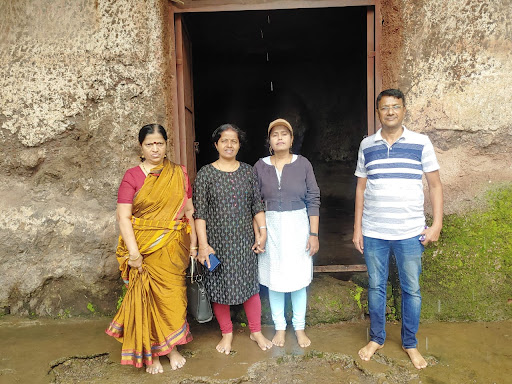
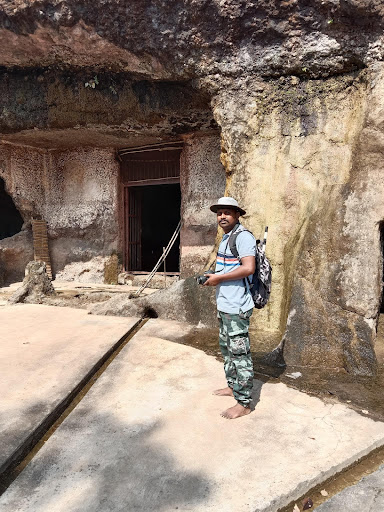
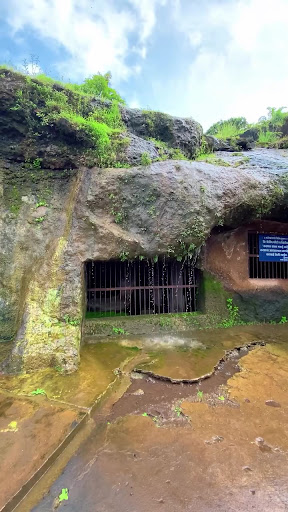
The Pohale Caves, also known as Pohala or Pawala Caves, are a fascinating yet lesser-known historical site located approximately 15 km northeast of Kolhapur, en route to the revered Jyotiba Temple. These ancient rock-cut caves date back to the 7th century AD and were originally part of a Buddhist monastery complex. Over time, they have evolved into a unique blend of spiritual and natural elements, offering visitors a serene and contemplative experience.
The cave complex comprises several chambers, including a large vihara (monastic hall) measuring about 34 feet square, with 14 columns on three sides and 22 cells surrounding the central hall. There is also a chaitya (prayer hall) and another cave featuring a raised rock-cut seat for a teacher, along with a water cistern. In the innermost chamber, a Shivlinga and Nandi have been installed, transforming part of the Buddhist site into a Shiva temple, reflecting the region's rich tapestry of religious history.
One of the most striking aspects of the Pohale Caves is the presence of numerous bats inhabiting the darker recesses of the caves. While this adds to the caves' natural ambiance, visitors should be prepared for the strong smell and the occasional fluttering of wings overhead. Additionally, during the monsoon season, the caves can become waterlogged, making access challenging and potentially hazardous. Therefore, the post-monsoon period is considered the best time to visit, when the surrounding landscape is lush and the caves are more accessible
Beyond their historical and spiritual significance, the Pohale Caves are nestled amidst verdant surroundings that are a haven for birdwatchers. Species such as peacocks, doves, hornbills, parakeets, Indian green bee-eaters, and white-throated kingfishers are commonly spotted in the area, making it a delightful spot for nature enthusiasts.
Visitor Tips:
Footwear: Wear sturdy, non-slip shoes suitable for uneven and potentially slippery terrain.
Timing: Plan your visit during daylight hours, preferably in the post-monsoon season, to ensure safer and more comfortable exploration.
Equipment: Carry a flashlight to navigate the darker sections of the caves.
Health Precautions: Be cautious of the bats and consider wearing a mask if you're sensitive to strong odors.
Weather Awareness: Avoid visiting during heavy rains due to the risk of flooding within the caves.
In summary, the Pohale Caves offer a unique confluence of ancient history, spiritual significance, and natural beauty. While they may not be as polished or well-known as other tourist destinations, their raw and untouched charm provides a rewarding experience for those willing to venture off the...
Read more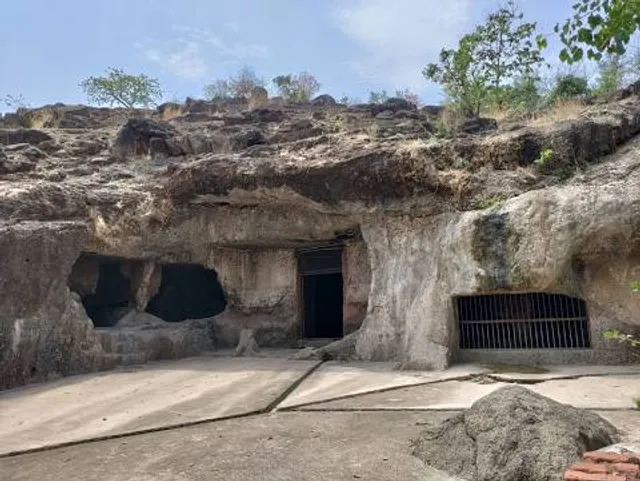
 Learn more insights from Wanderboat AI.