Nestled in the picturesque hills of the Western Ghats, the Radhanagari Wildlife Sanctuary is a pristine haven for nature lovers, wildlife enthusiasts, and conservationists. Located in Kolhapur district of Maharashtra, this sanctuary is known for its rich biodiversity, dense forests, and serene landscapes. It offers a perfect blend of adventure, tranquility, and natural beauty.
Flora and Fauna
Radhanagari Wildlife Sanctuary is home to a wide variety of species, both in terms of flora and fauna, making it an essential ecological zone for conservation.
Wildlife:
The sanctuary is best known for its population of Indian bison (gaur), which roam freely across the forested hills.
It also houses several species of deer like chital (spotted deer), sambar, and barking deer, alongside wild boars and smaller mammals.
Predators such as the leopard and the tiger have also been spotted in this region, though they are more elusive.
The sanctuary is a birdwatcher's paradise, with over 200 species of birds, including hornbills, eagles, and parakeets, making it a great destination for birding enthusiasts.
The sanctuary is also home to various reptiles and amphibians, including several species of snakes and frogs.
Flora:
The sanctuary is part of the Western Ghats, a UNESCO World Heritage Site known for its unique plant life. It is primarily a tropical dry deciduous forest, with a variety of species such as teak, sal, bamboo, and sandalwood. The dense forests create a rich ecosystem that supports a diverse range of plant and animal life.
Trekking and Exploration
Radhanagari Wildlife Sanctuary offers a range of opportunities for trekking and exploration. The sanctuary has several well-marked trails, ranging from easy walks to more challenging treks. The Radhanagari Dam area is particularly popular, with its tranquil waters surrounded by hills and forests.
The sanctuary is ideal for nature walks, where visitors can observe the flora and fauna in their natural habitat. The trek to the Bhimgad Wildlife Sanctuary is a popular route for wildlife enthusiasts, though visitors should be mindful of the wildlife and the terrain.
Radhanagari Dam and Viewpoints
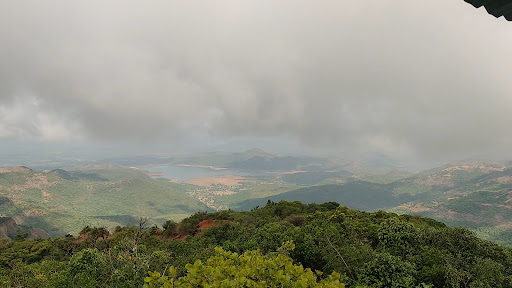
The Radhanagari Dam is one of the main attractions within the sanctuary. The dam creates a scenic backdrop with its calm waters, surrounded by lush green hills. The reservoir area is perfect for quiet picnics and offers great opportunities for photography.
There are several viewpoints from which visitors can take in panoramic views of the sanctuary and its surrounding hills, making it an ideal spot for nature photography and relaxation.
Best Time to Visit
Winter (October to March): This is the best time to visit, as the weather is cool and pleasant, ideal for trekking and wildlife viewing.
Monsoon (June to September): The monsoon season brings lush greenery, but the trails can become slippery and difficult to navigate, and wildlife sightings may be limited.
Summer (April to June): The summer months are hotter, but wildlife sightings near water sources increase as animals come to drink, making it a good time for safaris.
Accommodation and Facilities
There are a few basic accommodation options available near the sanctuary. Some of the best choices include:
Forest Rest Houses: Managed by the Maharashtra Forest Department, these rest houses are simple but offer a great way to stay close to nature.
Nearby Resorts and Hotels: Located around Kolhapur and Bhivpur, these provide more comfort and amenities.
It’s recommended to carry essentials like water, snacks, and a first aid kit when visiting, as the sanctuary is relatively remote and amenities are sparse.
Access and Location
Location: The sanctuary is located around 50 km from Kolhapur in Maharashtra. The nearest city, Kolhapur, is well-connected by road to other major cities like Mumbai, Pune, and Goa.
Accessibility: The sanctuary is accessible by road. You can drive to the main entrance, from where you can proceed to various parts of...
Read more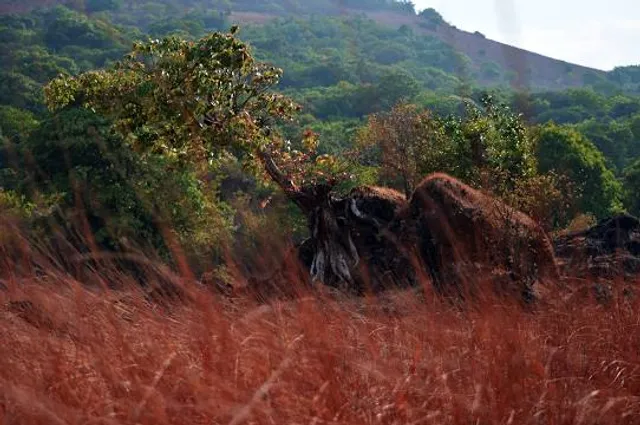

 Learn more insights from Wanderboat AI.