CHATRAPATI SHIVAJI MAHARAJ KI JAY !!
Rajgad Fort: The King of Forts
Rajgad Fort, often referred to as the “King of Forts,” stands as a testament to the grandeur of Maratha history and the strategic brilliance of Chhatrapati Shivaji Maharaj. Located in the Sahyadri mountain range of Maharashtra, this majestic fort served as the capital of the Maratha Empire for over 25 years and is a must-visit for history enthusiasts, trekkers, and nature lovers alike.
Historical Significance
Rajgad’s importance lies not only in its role as a capital but also as a center of Shivaji Maharaj’s strategic and administrative activities. It was here that significant events, such as the birth of his son Rajaram and the death of his queen Saibai, took place. The fort was a stronghold, symbolizing the Maratha Empire’s strength and resilience.
Architecture and Layout
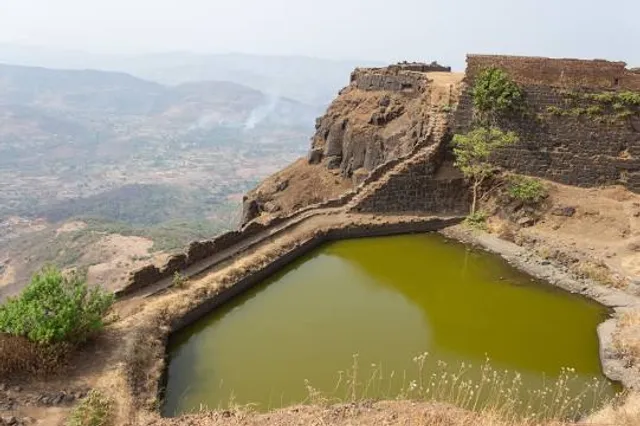
The fort is spread across four major parts: Balekilla (Citadel): The highest point on the fort, offering breathtaking views and housing the king’s palace ruins. Padmavati Machi: This plateau was used for military activities and also includes the Padmavati Temple and a water tank. Suvela Machi: Known for its strategic design and secret escape routes, it reflects the genius of Maratha engineering. Sanjeevani Machi: A three-layered fortified structure that exemplifies the fort’s impregnable defenses.
The Trekking Experience
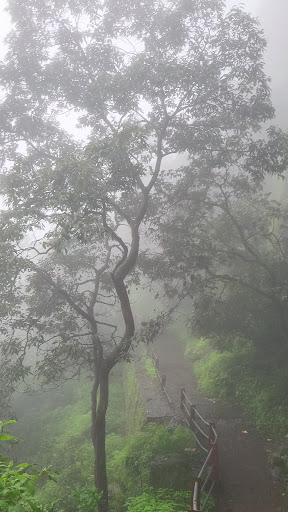
Reaching Rajgad is an adventure in itself. The trek is moderately challenging, with trails cutting through lush greenery, rocky patches, and steep ascents. Monsoon and winter are the best seasons to visit, as the surroundings come alive with vibrant greenery and cascading waterfalls.
Natural Beauty
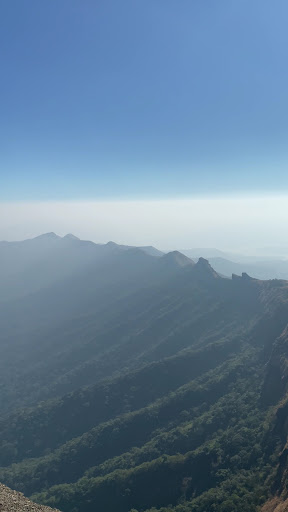
The fort is not just about history; it is surrounded by stunning landscapes. The panoramic views of the Sahyadri range, especially during sunrise or sunset, are nothing short of magical.
Why Visit Rajgad? • To delve into the glorious history of Chhatrapati Shivaji Maharaj. • For the thrill of a challenging trek. • To witness the mesmerizing beauty of the Sahyadri mountains. • To feel the aura of a place that once served as the nerve center of an empire.
Tips for Visitors • Wear comfortable trekking shoes and carry plenty of water. • A guide can enrich your visit with detailed stories of the fort. • Overnight camping is a fantastic option to soak in the fort’s mystique under the stars. • Respect the historical site by avoiding littering.
Conclusion
Rajgad Fort is more than just a monument; it’s a living legend that tells the tale of courage, vision, and determination. Whether you’re a history buff or a trekking enthusiast, a visit to Rajgad is an unforgettable experience that connects you to the soul of Maharashtra’s rich heritage. Truly deserving of its title, the...
Read moreRajgad Fort, also known as the "King of Forts," is a historic hill fort located in the Sahyadri mountain range in Maharashtra, India. Situated approximately 40 kilometers southwest of Pune city, it stands at an elevation of 1,400 meters (4,600 feet) above sea level. Rajgad Fort holds immense significance in the history and culture of Maharashtra and is a popular destination for trekkers, history enthusiasts, and nature lovers.
The fort was originally built by the Yadava dynasty in the 14th century and was later captured and fortified by the Maratha king Chhatrapati Shivaji Maharaj in 1646. It served as the capital of the Maratha Empire for over 25 years before being moved to the Raigad Fort. Rajgad Fort played a crucial role in the strategic and administrative affairs of the Maratha kingdom.
The fort's architecture reflects the military genius of Shivaji Maharaj and his engineers. Spread over an extensive area, Rajgad Fort boasts a complex system of double walls, fortified gateways, bastions, and watchtowers, designed to provide maximum protection and defense. The fort offers breathtaking panoramic views of the surrounding Sahyadri mountains, lush valleys, and neighboring forts.
Some notable features of Rajgad Fort include:
Bale Killa: It is the highest part of the fort and served as the main residential area for the king and his family. It houses several structures like the Rajwada (royal palace), Rani Vasa (queen's quarters), Darbar Hall (courtroom), and other residential buildings.
Suvela Machi: This prominent part of the fort served as the stronghold for defense purposes. It consists of bastions, a granary, water reservoirs, and secret escape routes.
Sanjeevani Machi: It is a long stretch of the fortification that served as a refuge during times of siege. It houses several water cisterns and has strategic fortifications.
Padmavati Machi: Located on the eastern side, it was primarily used for the storage of weapons and ammunition.
Pali Darwaza: This is the main entrance to the fort and is a colossal stone gate. It is designed in such a way that it is nearly impossible to break through.
Visiting Rajgad Fort provides an opportunity to explore the rich history of the Maratha Empire. The trek to the fort is a popular activity, with multiple trails leading to its summit. The most common route starts from the village of Gunjavane and takes around 3-4 hours to reach the fort. The trek offers scenic beauty, dense forests, and occasional sightings of wildlife.
Overall, Rajgad Fort stands as a testament to the valor and architectural brilliance of the Maratha dynasty. Its historical significance, stunning views, and challenging trek make it a must-visit destination for history enthusiasts, trekkers, and nature...
Read moreRajgad fort is about 60km from Pune and there are couple of options to reach there. I chose the Bangalore highway route via Nasrapur. This better and has good accessibility. On my return I chose the other option via Khed Shivpur but it wasn’t great(though avoided toll) as roads were too narrow(for about 3-4 kms) for a car and one could get stuck if there are tractors etc. Meanwhile, I reached the base of trek start near Gunjavane village at 7:00am(on 21Jan2024). On the way I could catch sunrise (to some extent, see pic) and it was beautiful. Better to reach an hour earlier and catch it from fort.
Just a disclaimer I walk and hike fast so the times mentioned are for me. People who are not experienced trekkers should consider 1.5 times of what I mention.
Trek started from where we park, it goes through village for 8 mins till you reach small plateau from here you will have clear view of nedhe & fort (see pic). It’s a gradual climb till here. From here on its rocky trail(similar to Sinhagad fort climb) and you continue to climb for 30 mins till you reach second plateau. You will find local villagers selling refreshing lemon water and butter milk. Do buy from them as it’s there source of revenue. You will have lots of places where you could take pictures and there are benches at strategic places to relax. You will also have flat route at some stretches for you to recuperate. Last km of hike is difficult and narrow. There are railings throughout so you can use it for support. Please do keep your hands free while negotiating this section. The final climb to chor darwaza though looks scary but it’s negotiable using the railings(see pic). Once you climb it, the view is worth all the effort(see pic). Details of climb: Distance 3.53kms Elevation gain: 483 mtrs(via garmin) Time taken: 60mins Strava link if you want to save route: https://strava.app.link/ju2DxjuuyGb
Once you are in fort there are many view points. I visited Sanjeevani Machi and then Balle kila. While going to sanjeevani machi there is also a route that you can take to go to Torna fort. I didn’t climb Balle killa (toughest one) as the climb was too narrow and there were too many people going up and climbing down. I always have a fear of stampede at such places. This section should be manned by authorities to avoid any untoward incident.
Overall, this historical trek is recommended, particularly for Shivaji Maharaj enthusiasts, offering a glimpse into his 26-year stay at this fort.
PS: Since camping at fort is not allowed and if you are keen to catch sunrise take the Pali village route as...
Read more