Randara Temple Review:
Randara Temple, located in Pune, is a magnificent ancient temple that holds a significant place in the rich history and culture of the region. This temple has been a center of spiritual and religious devotion for centuries, attracting countless visitors from far and wide. With its awe-inspiring architecture, serene ambiance, and historical importance, Randara Temple is a must-visit destination for anyone interested in exploring the cultural heritage of Pune.
The history of Randara Temple is shrouded in legends and myths that have been passed down through generations. According to popular belief, the temple was constructed during the reign of the Maratha dynasty in the 17th century. It is said to have been built by a devoted king who was inspired by a divine vision. The temple was dedicated to Lord Shiva, one of the most revered deities in Hindu mythology.
As you approach the temple, you are greeted by an imposing entrance gate adorned with intricate carvings and sculptures. The craftsmanship and attention to detail are evident from the moment you set foot inside the temple complex. The main sanctum of the temple houses a beautifully sculpted idol of Lord Shiva, which is the main focal point of worship for devotees.
The architectural style of Randara Temple reflects a harmonious blend of traditional Indian and Maratha influences. The temple is constructed using locally sourced stone, giving it a rustic and earthy charm. The walls of the temple are adorned with intricately carved friezes depicting scenes from Hindu mythology, showcasing the exquisite craftsmanship of the artisans of that era.
One of the highlights of the temple is its courtyard, which is meticulously maintained and offers a peaceful environment for visitors to sit and soak in the spiritual aura. The sound of bells and the fragrance of incense create a serene ambiance that enhances the overall experience of visiting the temple. Many visitors choose to meditate or practice yoga in this tranquil space.
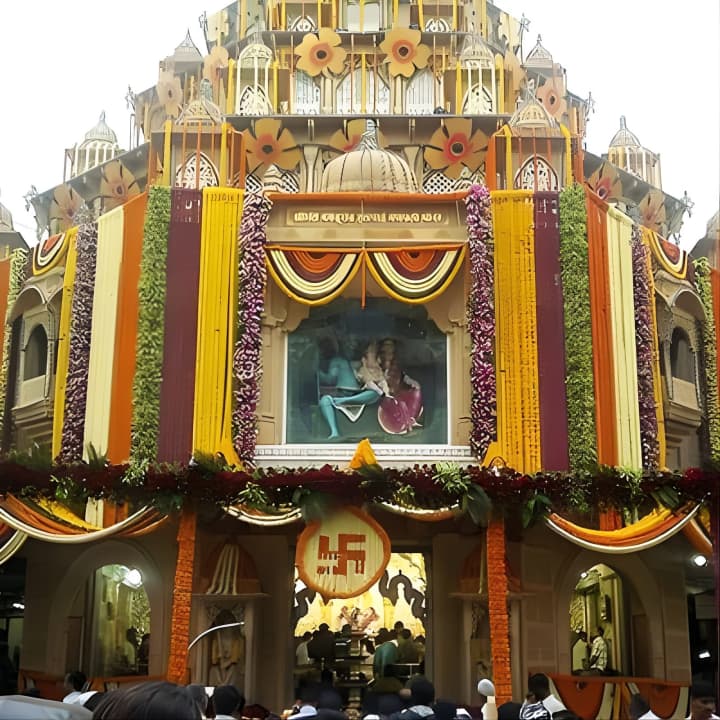
Another notable feature of Randara Temple is its annual festival, which draws devotees from all over the region. During this time, the temple is adorned with vibrant decorations and illuminated with colorful lights. The festival is accompanied by religious rituals, devotional music, and traditional dance performances, creating a festive atmosphere that is truly enchanting.
Randara Temple not only serves as a place of worship but also acts as a cultural hub for the community. The temple hosts regular religious discourses, lectures, and workshops, providing spiritual guidance and fostering a sense of unity among its followers. It also serves as a platform for showcasing traditional art forms and promoting local talent.
Visiting Randara Temple is an experience that transcends religious boundaries and appeals to people from all walks of life. Whether you are a devotee seeking spiritual solace or a history enthusiast interested in ancient architecture, this temple has something to offer to everyone. The serene atmosphere, breathtaking architecture, and rich cultural heritage make Randara Temple a hidden gem that deserves to be explored and cherished.
In conclusion, Randara Temple in Pune stands as a testament to the glorious history and rich cultural heritage of the region. Its awe-inspiring architecture, serene ambiance, and spiritual significance make it a must-visit destination for anyone seeking a deeper understanding of Indian spirituality and the cultural fabric of Pune. A visit to Randara Temple is an immersive experience that will leave a lasting impression on your...
Read more⭐⭐⭐⭐⭐ "A Spiritual Island Amid Nature – Ramdara’s Quiet Majesty!"
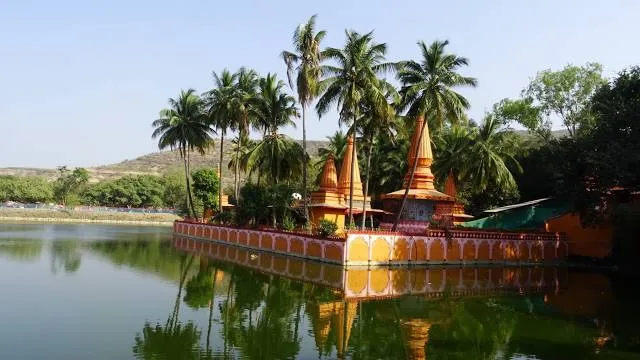
“Imagine a temple rising quietly from the water, surrounded by hills and birdsong—an oasis of calm that feels worlds away from city noise.”
What Makes It Special
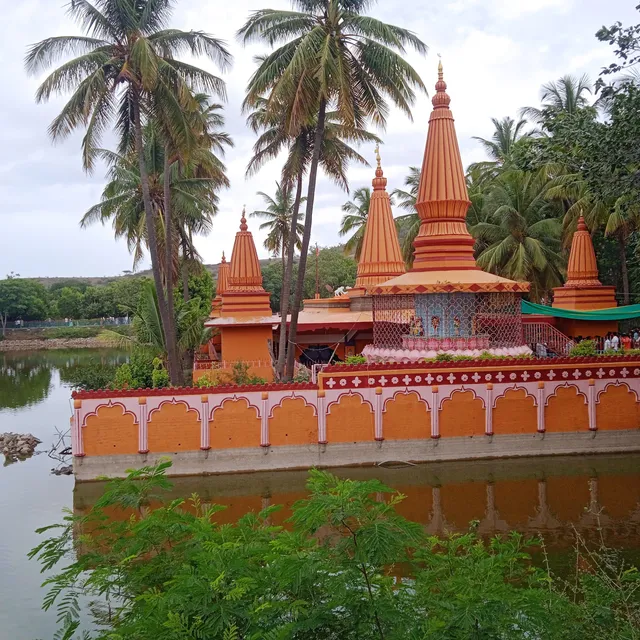
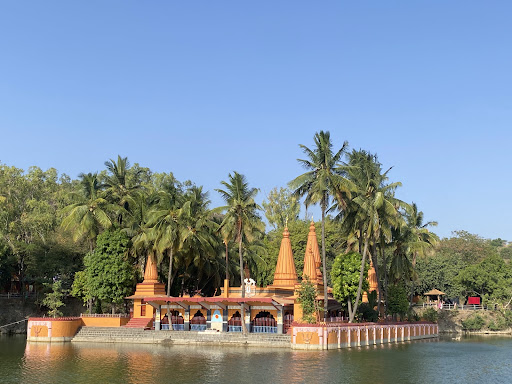
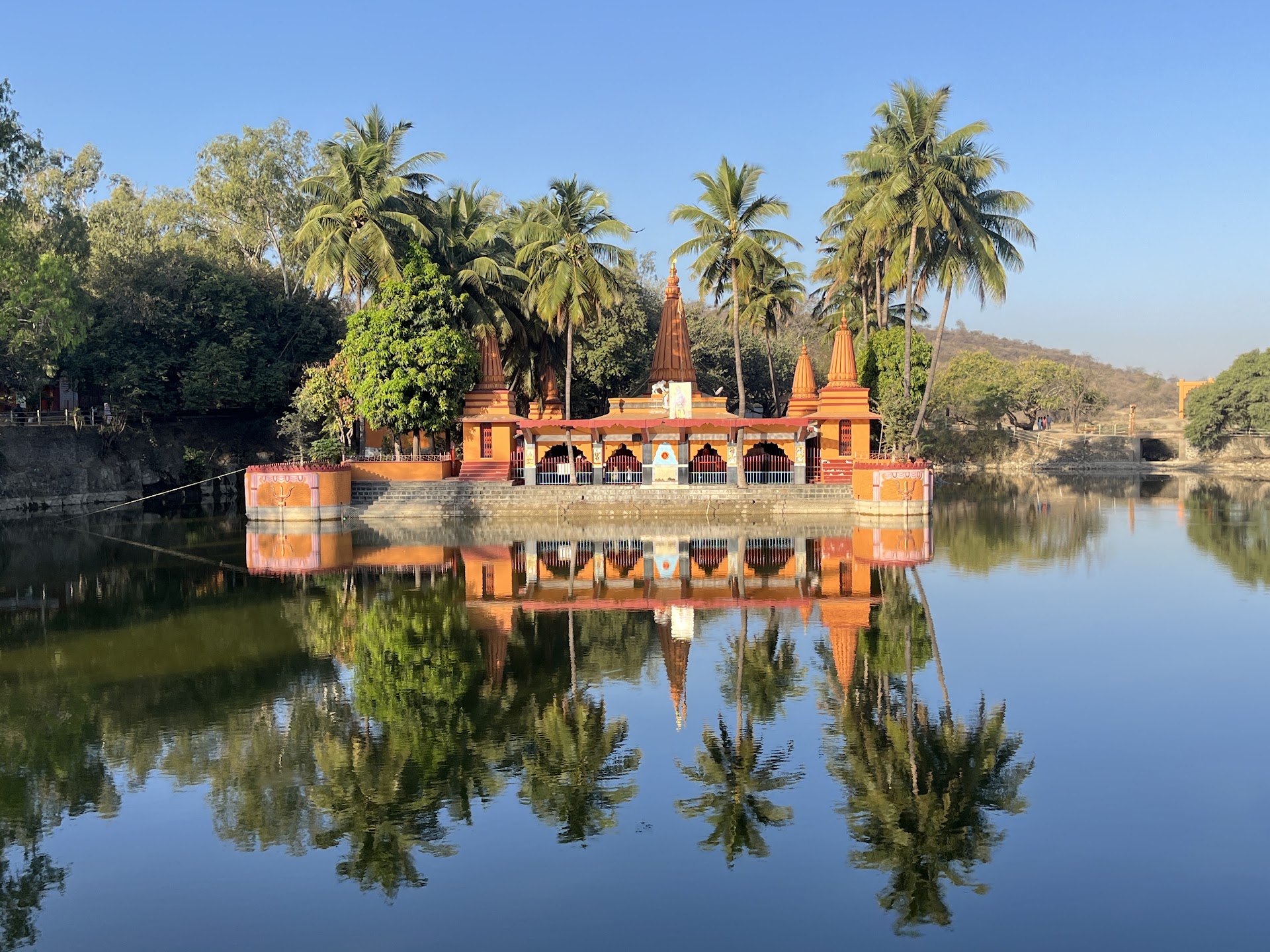
Nature Meets Devotion: Encircled by a pond on three sides and backed by verdant hills, this temple radiates calm and beauty whatever the season. It was rebuilt in the 1970s by Saint Dhundhi Baba on an ancient site.
Diverse Deities on Display: While dedicated primarily to Lord Shiva, the serene compound also houses idols of Lord Rama, Sita, Lakshmana, Ganesh, Dattatreya, and a majestic Nandi at the entrance.
Tranquil Picnic Haven: The expansive garden and clean grounds make it a favorite local escape—great for family picnics, meditative walks, or bird-watching, especially in winter when migratory birds visit.
Offbeat Charm, Gentle Crowd: Weekday mornings offer a peaceful experience; weekends see more visitors—fine for groups, but solo seekers should aim for quieter timings.
Key Info Snapshot
Feature Details
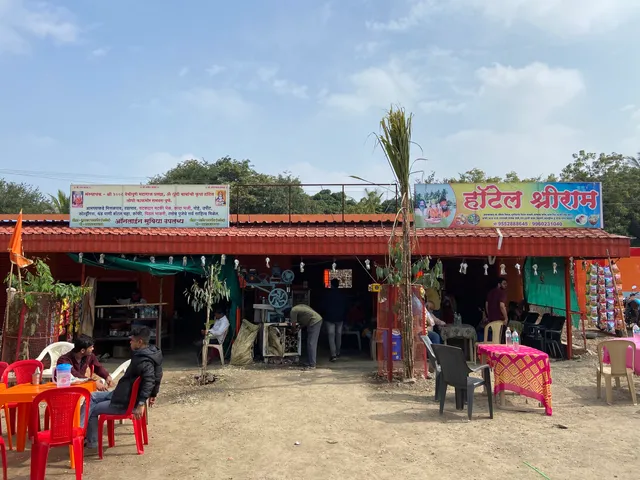
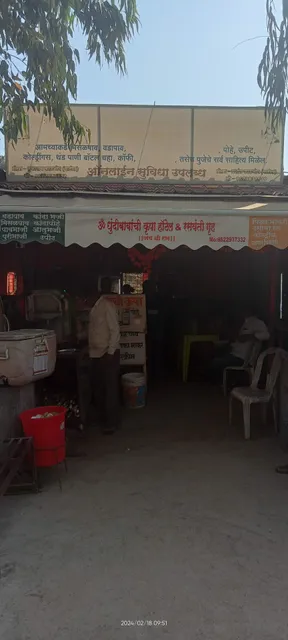
Timings Typically 7 AM–5 PM daily. Some sources say 6 AM–5 PM or 9 AM–5 PM—best to arrive before mid-afternoon. Entry Fee Temple visit is free of cost. Parking Charges Approx. ₹20 for two-wheelers and ₹40 for four-wheelers. Best Time to Visit Mornings or late afternoons are ideal. Visit in winter (Sept–Feb) or monsoon’s lush aftermath for peak beauty—but roads may get rough when wet. Ideal Visit Duration Around 1.5–2 hours for sightseeing, relaxing, or a mini-picnic. Access & Infrastructure About 25 km from Pune via Solapur highway. Roads narrow/rocky—best accessed by personal vehicle. Local Vibe & Facilities Minimal eateries—some local vendors offer snacks near parking. Bring your own refreshments.
Review:
“There’s a moment when you turn off the busy highway and find this terracotta temple rising from the still water—flanked by hills, palms, and birds gliding across the pond. That’s Ramdara Temple: a tranquil jewel rebuilt in the 1970s by Dhundhi Baba, holding idols of Shiva, Rama, Sita, and more.
Open around 7 AM to 5 PM, with no entry fee—just a small parking charge (₹20/₹40). I visited just after sunrise; the peace, the dewdrops, and the gentle bird calls made it perfect. Ideal for a quiet family outing, a soulful escape, or snapping your next ‘hidden gem’ photo. Just avoid the mid-day heat, and gently navigate the little rough patchy road! You’ll leave refreshed, grounded—and...
Read moreNestled about 25–50 km southeast of Pune in Loni Kalbhor, the tranquil Ramdara (or Ramdhara) Temple is a hidden gem that beautifully marries spiritual calm with natural serenity. By all accounts—including numerous traveler reviews and guides—it’s most enchanting during early mornings or the monsoon season, when the surrounding hills reflect off a pristine lake that almost encircles the temple on three sides . Dedicated primarily to Lord Shiva, yet popularly named for Lord Ram due to the vibrant idols of Ram, Sita, and Lakshman, its expansive layout includes statues of various saints like Tukaram and Vivekananda, a regal marble Nandi, and supplementary shrines to Ganesh, Hanuman, and Dattatreya .
The temple grounds are well-maintained, with clean walkways, ample shade from palm trees, and a peaceful children’s park—ideal for a family picnic or a meditative stroll . Visitors frequently note the playful presence of fish, ducks, and even turtles in the pond—bringing unexpected delight when you feed them murmura (puffed rice) . Parking is generous, though the last few hundred meters lead via rough, sometimes unpaved roads—an adventurous prelude noted by bikers and solo travelers alike .
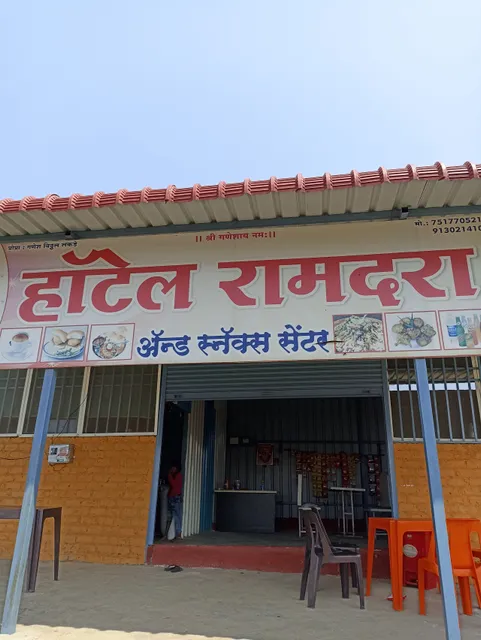
Open from roughly 6–8 AM until 5 PM daily, the complex has no entry fee, though parking charges apply (≈₹20 for two-wheelers, ₹40–50 for cars) . Amenities east of the parking include small vendors selling tea, vada pav, fresh produce, and seasonal fruits—nice to grab before heading in, but choices taper off closer to the temple . While public transport options are limited, the temple remains accessible by car or bike; just avoid heavy monsoon rain if possible and plan your visit outside peak weekend hours to maintain that sense of serenity .
In sum, Ramdara Temple offers a beautifully restful getaway from Pune’s hustle—rich in devotional ambiance, scenic charm, and simple pleasures. A quiet waterfront shrine set in lush fields and hills, it’s ideal for devotees, family outings, or anyone seeking a reflective escape. Be sure to go early, bring your own snacks and water, and embrace the rugged path as part of the unique...
Read more