Ways To Reach :First we have to reach Nashik. Then board a S.T from Nashik's CBS bus station to Peth and alight at the Ramshej gaon. A walk of 15 minutes takes us to village, from where we can see the fort. Route to fort goes from the back side of the village by keeping fort at the left side. It takes 1 hour to climb the fort from this route. The temple is good to stay for 10 people's.
Ramshej Fort is located north of Nashik city, and has been historically significant. History has it, that the fort was attacked by Mughals (Aurangzeb’s army), and his commanders threatened the Maratha kingdom saying that they would capture the fort in hours. Shivaji Maharaj’s son Sambhaji and his army resisted these attacks for almost 6 years. One can find the references to this battle well fought by brave Maratha warriors from Mughal letters. Ramshej literally means Lord Ram’s bedstead. While in exile, Lord Ram had made this place as his residence for some time, which gives the fort its name. During reign of Sambhaji, Aurangzeb came to Maharashtra with the motive to destroy Hindavi Swarajya completely. Nashik was under the command of Mughals. Since Ramshej is near Nashik, the Mughals thought it would be the easiest to conquer it but proved to be a hard nut to crack. To conquer this fort Aurangzeb sent Shahbuddin Gaziudin Firozejung with an army of 40,000 soldiers and canons. The Mughals sieged the fort when the fort had only 600 Mavalas. The first attack came from the Mughals to which the Mavalas replied by a massive stone attack. As a result of this attack, the Mughals had to back off. Afterwards Shahbuddin tightened the siege, dynamited the area and installed wooden platforms to hold the canons and many more ideas followed. The Killedar (commander) of Ramshej fort was an experienced and intelligent strategist and put an end to their daydreams. Shahbuddin’s obstinate desire to win made him think carefully. “He made a wooden bastion capable enough to accommodate 500 men and 50 canons. Accordingly the surrounding forest was cleared to construct a huge wooden bastion. The Mughals attempted attacks from the bastion, which failed eventually. In May 1662, Sambhaji Maharaj sent Rupaji Bhosale and Manaji More with an army of 7000 to break the siege. Shahbuddin checked the advance of Marathas at a place near Ganeshgaon. Both the armies fought fiercely in which the Mughals lost their 500 horses to the Marathas. This victory filled the Marathas with enthusiasm. But due to this retreat, Aurangzeb got agitated and commanded Bahadur Khan to march towards Ramshej. Shahbuddin tightened the siege and resumed the attack on the fort, to which Mavalas replied with massive stone attack. Raja DalapatRai got injured in this attack due to which Mughals had to retreat. Due to consistent failures Shahbuddin left for Junnar calling off the siege. Bahadur Khan took the responsibility of this siege. He devised a new strategy to attack the fort, wherein a part of the Mughal army consisting canons and instruments stationed at one side of the fort to keep the Marathas engaged and the remaining force would attack from the other side. However Marathas somehow became aware of this strategy and divided their army to stations on both sides of the fort, which foiled the plans of the Mughals. Bahadur Khan called in a Tantrik to devise a new strategy. The Tantrik asked for a golden serpent (snake statue) weighing 100 tola. He claimed to use the serpent and lead the Mughal army to the main gate of the fort. Khan followed his instructions and Tantrik led the army by keeping eye on the fort. When they reached within the range of attack, Marathas started their stone attacks. The Tantrik got hit by a rock and the serpent felt on the ground from his hands. The Mughals were aghast and had to retreat. Aurangzeb got agitated and ordered Bahadur Khan to retreat. After this Aurangzeb sent Kasimkhan Kiramani to march towards Ramshej, but he too failed to get the fort. Hence, the ferocious Marathas fought bravely for about 65 months and proved how strong...
Read moreNice Small Easygoing Short trip Short trekking Evening tea n snacks
Ramshej Fort, a hill fort in Dindori, about 12 km from Nasik, is located at an altitude of 3273 feet above sea level, on the Peth mountain range along the Nashik-Vapi road. Ashewadi, the town at the base is 8 km away from Nashik. [1]
It is believed that during his exile, Lord Rama had made this spot his dwelling place for a while. The construction of the Fort has been traced to between the ninth and eleventh centuries. The main purpose of the Fort was the collection of taxes on the way to Khandesh in north western Maharashtra and Gujarat. The Fort gains its importance because of its location, as it marks the route dispatching from and arriving to Nashik.
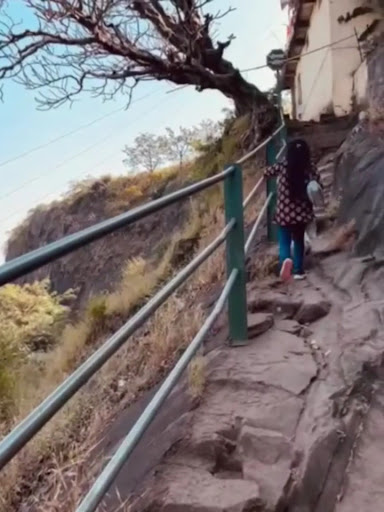
The perfectly vertical wall of rock along the periphery of the fort makes it extremely secure. A small temple, the Ramlalla temple dedicated to Lord Rama, is seen near the rock-cut entrance gate located at the East side of the fort. The remains of the outermost structural wall is still visible. A remarkable feature of the Fort is the architecture of its water management system, which consists of a cistern located beside the temple, and a reservoir on the top of the fort. A small cistern (2m×3m×1.5m) is seen on the way towards the top. The location of the reservoir and the cistern are on the same vertical line. Even today, the cistern retains a good amount of water in summers, which it derives from the contact springs of the rocks, and is believed to have had an ample supply in the early nineteenth century. The water percolating into the cistern from the rocks can still be observed. [2]
In 1682, Aurangzeb dispatched a Mughal force under the command of Shahabuddin, to capture the Ramshej fort. This confrontation lasted for six to seven years and despite the military superiority of the Mughals in terms of men and ammunition, the killedar of Ramshej managed to defend it. After continuous resistance, Chhatrapati Sambhaji’s forces led by Hambirrao Mohite eventually saw victory and the Mughal forces retreated. [3]
When Captain Briggs of the East India Company visited Ramshej in 1819 he described it as ‘neither so large nor as high as most of the Nasik hills, but not so small as Hatgad.’ His account mentions that there were two gateways, one within the other, large but not so formidable as those of Hatgad. There was less uncovered ground on the way up to the gates than in any other Nashik fort. There was a way down by a trap-door kept covered with dirt and rubbish, called the secret road or ‘chor-raster’, affording passage for one at a time. This hidden entry door on the eastern side led to the path to Bhorgad which is approximately 11 kms from Ramshej. Around the Fort ran a wall which Briggs described as tolerable in some places but mostly indifferent. There were two or three bombproof and ammunition chambers built of stone within the fort.
He reported that his among his findings in the fort there were, about a ton of grain and a small quantity of salt, eight guns, nine small cannon called jamburas, twenty-one jingalas or large muskets, thirty copper pots, forty-one brass pots, 256 pounds of gunpowder, forty pounds of brimstone, forty-five pounds of lead, and 240 of hemp. There were also elephant trappings, tents, carpets, and iron ware, which once had been Shivaji's. Captain Briggs left two companies of militia in the fort, one on the top of the hill, the other in the village below. This large party, a spare of ninety or a hundred men, was stationed at the fort to quell any disturbances caused by “the local Bhils and other marauders.” During the Maratha war of 1818 Ramshej was one of the seventeen strongholds which surrendered to the British on the fall of Trimbak. [4]
Today a trekker’s paradise, Ramshej Fort is especially popular as a monsoon trek and offers a fascinating view of the Trimbak, Satmala and...
Read moreI recently had the opportunity to visit Ramshej Fort, and I must say it was an experience worth remembering. Tucked away in the scenic Sahyadri Mountain Range of Maharashtra, India, Ramshej Fort stands as a testament to the rich history and architectural brilliance of the region. This hidden gem offers visitors a perfect blend of historical significance, natural beauty, and breathtaking panoramic views.
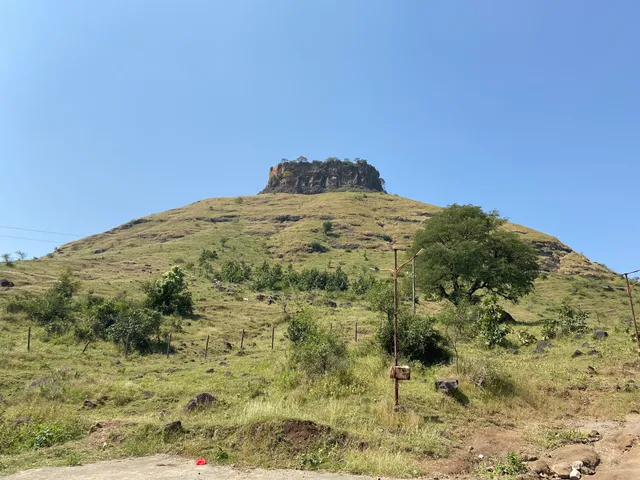
Upon arriving at the fort, I was immediately struck by its impressive architecture. The fort is strategically located on a hilltop, providing a commanding view of the surrounding countryside. The stone walls, bastions, and gateways of Ramshej Fort reflect the craftsmanship of a bygone era. As I explored the fort's various sections, such as the Ganesh Temple, the granaries, and the water tanks, I couldn't help but admire the engineering skills and attention to detail that went into its construction.
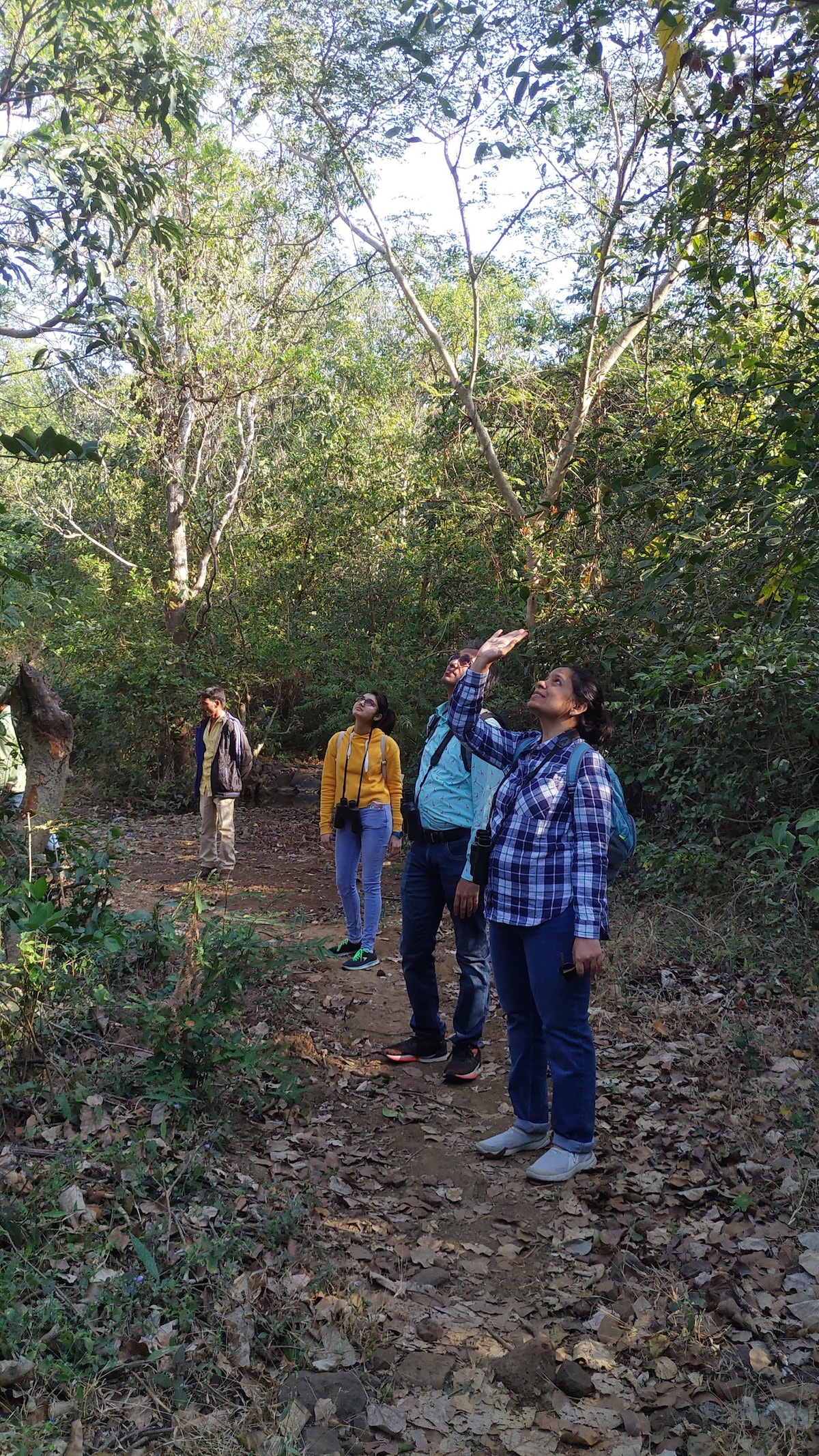
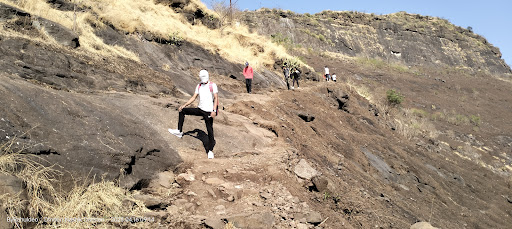
One of the highlights of my visit was the trek up to the fort. The trail leading to Ramshej Fort is moderate in difficulty, making it accessible to both novice hikers and experienced trekkers. The journey through lush green forests and scenic landscapes added to the charm of the entire experience. It's advisable to wear comfortable shoes and carry sufficient water and snacks for the trek, as there are limited facilities available on-site.
As I reached the top of the fort, I was rewarded with a magnificent view that stretched as far as the eye could see. The panoramic vistas of the surrounding valleys, hills, and villages were simply awe-inspiring. It was a perfect spot to sit back, soak in the serenity, and capture some incredible photographs.
The historical significance of Ramshej Fort is another aspect that makes it a must-visit destination. Built during the Yadava dynasty and later fortified by the Marathas, the fort witnessed several battles and played a vital role in the region's history. Exploring the ruins and learning about the fort's past from knowledgeable local guides enhanced my understanding of the site and its historical importance.
While Ramshej Fort is undoubtedly a captivating destination, it's essential to note that the lack of tourist facilities can be a drawback. The absence of proper amenities, such as clean restroom facilities and eateries, may inconvenience some visitors. However, with proper planning and carrying essential supplies, this can be easily managed.
In conclusion, Ramshej Fort is a hidden gem that offers a glimpse into Maharashtra's rich history and natural beauty. Its architectural marvels, scenic trekking trail, and panoramic views make it a must-visit for history enthusiasts, nature lovers, and adventure seekers. Despite the lack of amenities, the fort's allure and its historical significance make it a worthwhile destination for those looking to escape the city's hustle and bustle and immerse themselves in the tranquility...
Read more