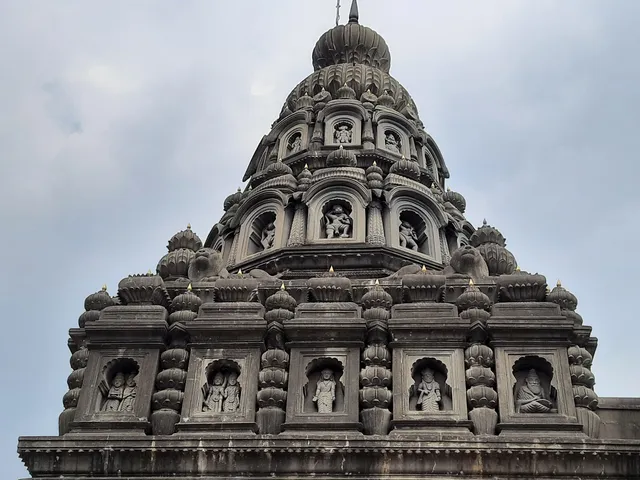
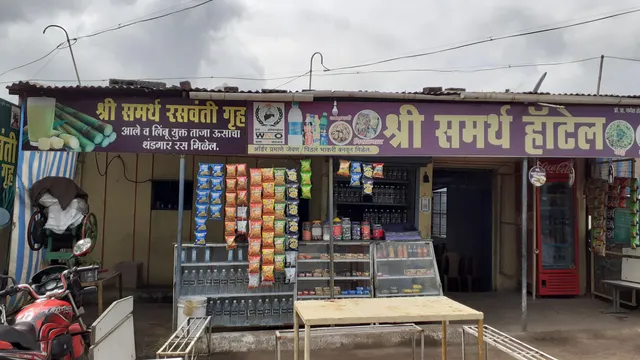
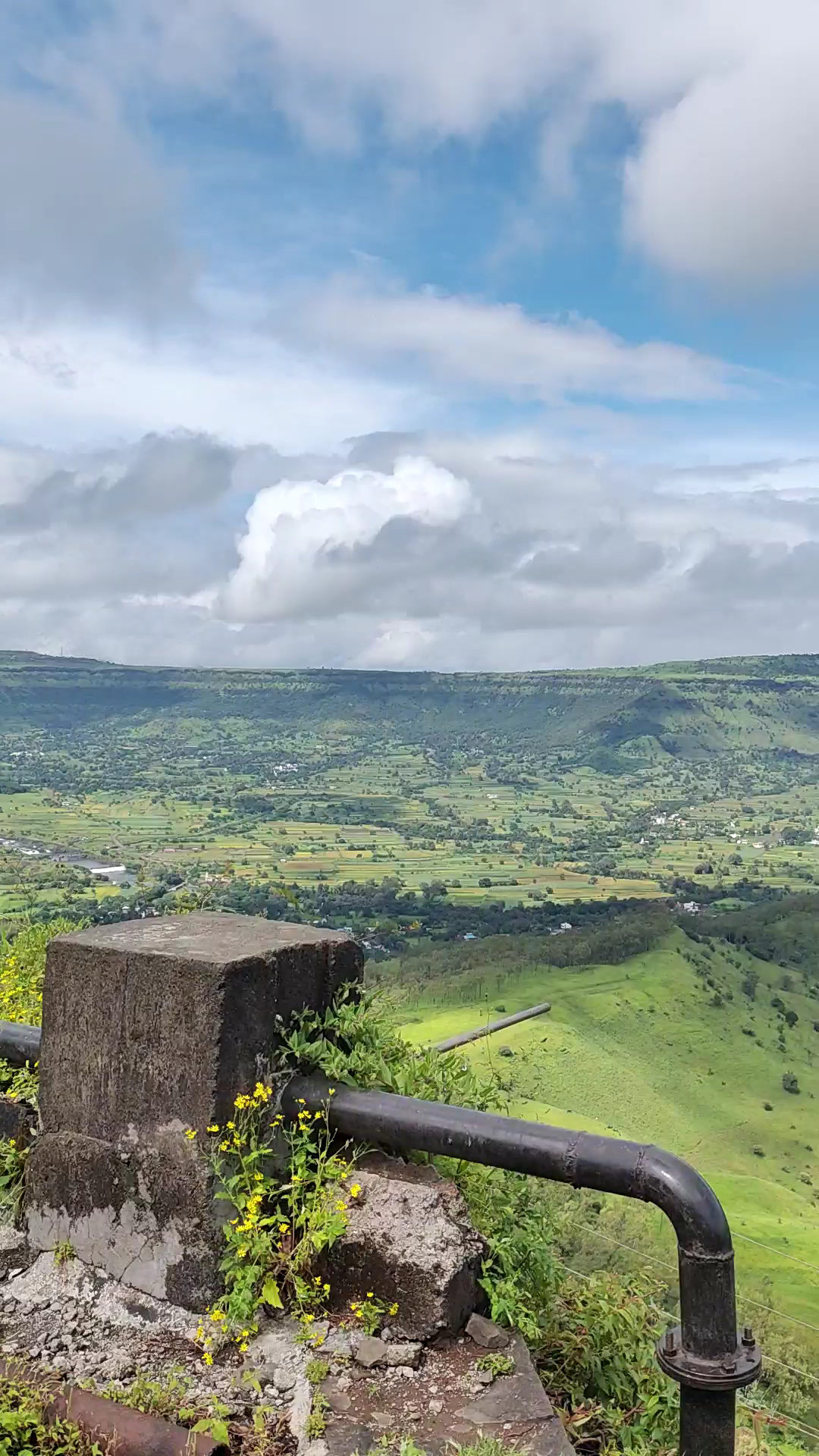
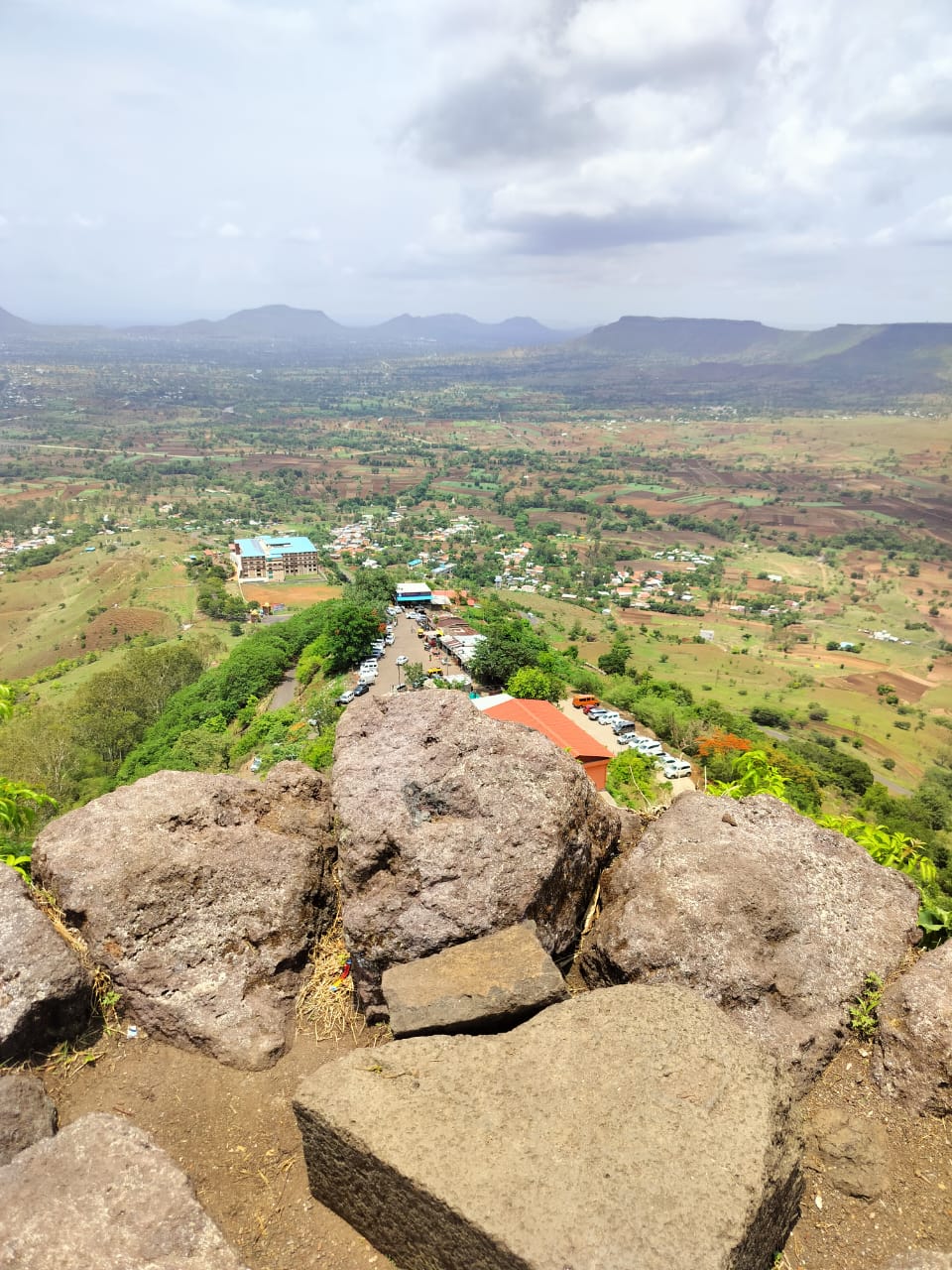
Sajjangad, the final resting place of the revered Saint Ramdas Swami, offers a unique blend of spiritual solace, historical significance, and serene natural beauty. A visit to this fort, perched atop a hill near Satara, is a journey that engages both the mind and the soul. While the experience is largely enriching, there are aspects visitors should be aware of to make the most of their trip. On the positive side, Sajjangad's primary draw is its profound spiritual atmosphere. The temple dedicated to Lord Rama and the samadhi (memorial) of Samarth Ramdas Swami exude a sense of peace and reverence. The daily rituals, prayers, and the chanting of devotional hymns create a truly immersive and uplifting experience. The ashram, with its simple yet well-maintained structures, offers a glimpse into the life and teachings of the saint, fostering a sense of tranquility and introspection. The opportunity to partake in prasads, the sanctified food offered at the temple, is a deeply fulfilling and traditional aspect of the visit. These simple meals, often consisting of dal, rice, and vegetables, carry a sense of community and spiritual nourishment. Beyond the religious structures, the open spaces within the fort offer breathtaking panoramic views of the surrounding landscape, providing a welcome respite and a chance to connect with nature. The relatively untouched environment contributes to the overall sense of serenity. Additionally, the presence of some small shops selling religious paraphernalia, local crafts, and simple snacks caters to the basic needs of pilgrims and visitors, adding a touch of local flavor to the experience. The well-maintained pathways and the overall cleanliness of the fort premises are also commendable, making the ascent and exploration relatively comfortable. However, while the spiritual and historical aspects of Sajjangad are undeniably compelling, there are a few points to consider. The ascent to the fort, while manageable for most, can be challenging for individuals with mobility issues, especially during hot weather. The steps can be steep in places, and there isn't an alternative mode of transport to the top. While there are some shops, the variety of food options beyond the prasad is limited. Visitors looking for a wider culinary experience might need to plan their meals accordingly, either before or after their visit to the fort. Furthermore, during peak pilgrimage seasons or on weekends, the fort can get quite crowded, which might detract from the sense of peace and tranquility that many visitors seek. The limited infrastructure to handle large crowds could lead to longer queues and a less intimate experience. While the simplicity of the ashram is part of its charm, some visitors might find the facilities basic. Finally, while the open spaces offer stunning views, there could be more informative signage or viewpoints highlighting the historical or geographical significance of the surroundings. In conclusion, Sajjangad Fort offers a deeply enriching experience for those seeking spiritual solace and a connection with history. The serene temple, the tranquil ashram, the opportunity to partake in prasad, and the breathtaking views create a memorable and uplifting visit. However, potential visitors should be prepared for the uphill climb, the limited food options beyond prasad, and potential crowds during peak times. Despite these considerations, Sajjangad remains a significant and worthwhile destination for pilgrims, history enthusiasts, and anyone seeking a peaceful retreat amidst the natural beauty of Maharashtra. The spiritual aura and the historical significance of this fort make it a journey that nourishes both the body...
Read moreReview of Sajjangad, Satara
Nestled in the picturesque landscape of Maharashtra, Sajjangad, which translates to "Fort of Good People," is not just a historical fortification but also a spiritual retreat. Located about 15 kilometers from the town of Satara, this fort holds a unique place in the hearts of many due to its association with the revered Saint Samarth Ramdas, the spiritual guru of the great Maratha king, Chhatrapati Shivaji Maharaj.
Historical Significance
Sajjangad is a place steeped in history. Originally known as Parali Fort, it was captured by Shivaji Maharaj in the mid-17th century and later became the final resting place of Saint Samarth Ramdas, who spent his last years here. Ramdas Swami was instrumental in revitalizing the spiritual and cultural ethos of Maharashtra during a tumultuous period in history. The fort was renamed Sajjangad, reflecting the noble character of the saint who resided here. Today, it is not only a popular tourist destination but also a pilgrimage site, drawing devotees from across the country.
Architecture and Surroundings
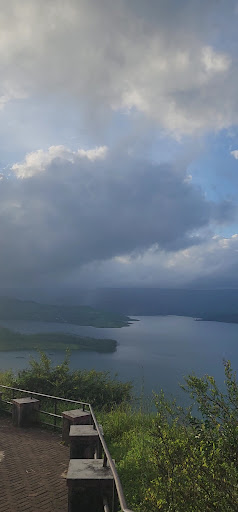
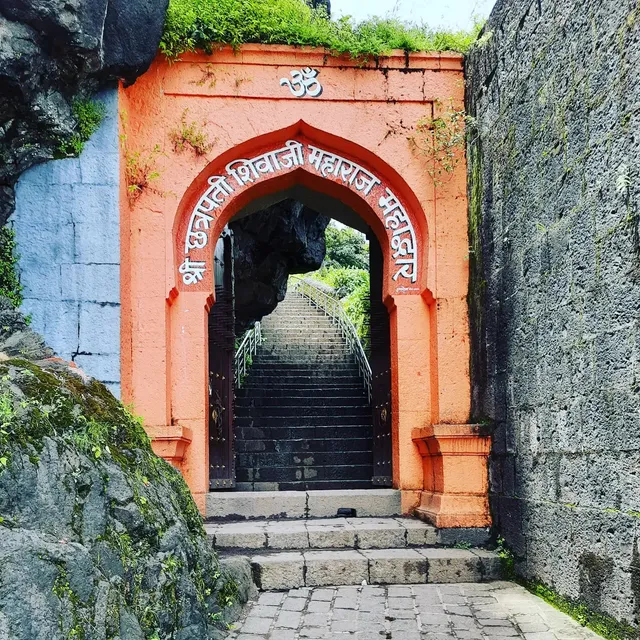
The fort, perched atop a hill, offers breathtaking views of the surrounding valleys and the Urmodi Dam. The climb to the fort is moderately challenging, but the well-maintained steps and the cool breeze make the ascent enjoyable. The main entrance is marked by a grand gate, which still retains its old-world charm. As you walk through the fort, you come across several small temples, the most notable being the Samadhi Mandir, which houses the tomb of Samarth Ramdas.
The fort is not as vast as some of the other forts in Maharashtra, but its compact size adds to its serene and intimate atmosphere. The structure is well-preserved, and the trustees of the Samarth Seva Mandal, who manage the site, have done a commendable job in maintaining its sanctity and cleanliness. There is also a small museum that offers insights into the life and teachings of Ramdas Swami.
Spiritual Experience
Visiting Sajjangad is a deeply spiritual experience. The aura of the place is peaceful, with the sounds of nature blending harmoniously with the rhythmic chanting of hymns. The spiritual energy is palpable, and it’s not uncommon to find visitors sitting in quiet meditation or participating in the daily prayers. The trust also offers free meals (Prasad) to all visitors, embodying the spirit of service and hospitality that Ramdas Swami preached.
Visitor Experience
The best time to visit Sajjangad is during the monsoon and winter seasons when the surrounding landscape is lush and green, and the weather is pleasant. The fort can be crowded during festivals, especially on Ram Navami and Das Navami, which are celebrated with great fervor. For those looking to stay overnight, there are basic accommodations provided by the trust, though it is advisable to book in advance.
Reaching Sajjangad is relatively easy, with regular buses and private vehicles available from Satara. The road leading up to the base of the fort is well-maintained, and the journey offers stunning views of the Western Ghats.
In summary, Sajjangad is more than just a fort; it is a sanctuary of peace and devotion. Whether you are a history buff, a spiritual seeker, or simply someone looking for a quiet retreat amidst nature, Sajjangad has something to offer. The fort's serene environment, coupled with its historical and spiritual significance, makes it a must-visit destination in...
Read moreReligious Place of Worship Ramdas (c. 1608 – c. 1682), also known as Samarth Ramdas or Ramdas Swami, was an Indian Hindu saint, philosopher, poet, writer and spiritual master. He was a devotee of the Hindu deities Rama and Hanuman. Ramdas or previously Narayan was born at Jamb, a village in present-day Jalna district, Maharashtra on the occasion of Rama Navami, probably in 1608 CE.[citation needed] He was born into a Marathi Deshastha Rigvedi Brahmin family to Suryajipant and Ranubai Thosar.[2] His father was thought to have been a devotee of the Vedic deity, Surya. Ramdas had an elder brother named Gangadhar. His father died when Narayan was only seven years of age. He turned into an introvert after the demise of his father and would often be noticed to be engrossed in thoughts about the divine.
As per legend, Narayan fled his wedding ceremony in Asangao near Jamb, at age 12, upon hearing a pandit (Hindu priest) chant the word 'Saawadhaana!' (Beware!) during a customary Hindu wedding ritual. He is believed to have walked over 200 km along the banks of Godavari river to Panchavati, a Hindu pilgrimage town near Nashik. He later moved to Taakli near Nashik at the confluence of Godavari and Nandini river. At Taakli, he spent the next twelve years as an ascetic in complete devotion to Rama. During this period, he adhered to a rigorous daily routine and devoted most of his time to meditation, worship and exercise. As per legend, he once blessed a widow lady of a long married life, without knowing that her husband has just died. It is said that he was able to give life back to the dead body of her husband and this act of miracle made him very famous in Nashik. He is thought to have attained enlightenment at the age of 24. He adopted the name Ramdas around this period. He later had an idol of Hanuman made from cowdung installed at Taakli. Ramdas left Taakli a few years later and then embarked on a pilgrimage across the Indian subcontinent. He traveled for twelve years and made observations on contemporary social life. He had these observations recorded in two of his literary works Asmani Sultania and Parachakraniroopan.[3] These works provide a rare insight into the then prevalent social conditions in the Indian subcontinent. He also traveled to regions in the vicinity of the Himalayas during this period. Around this time, he met the sixth Sikh Guru Hargobind at Srinagar.[citation needed]
After the pilgrimage, he returned to Mahabaleshwar, a hill-town near Satara. Later while at Masur, he arranged for Rama Navami celebrations that were reportedly attended by thousands. As part of his mission to redeem spirituality among the masses and unite the Hindu populations, Ramdas initiated the Samarth sect. He established several matha (monasteries) across the Indian subcontinent. He may have established between 700 and 1100 matha during his travels. Narahar Phatak in his biography of Ramdas claims that the actual number of matha founded by him may have been far fewer.[4] Around 1648 CE, he had an idol of Rama installed at a newly built temple in Chaphal, a village near Satara. Initially, he had eleven Hanuman temples constructed in various regions of southern Maharashtra. These are now together referred to as the 11-Maruti (see...
Read more