Sangam Mahuli Temple, located in the serene and picturesque town of Satara in Maharashtra, is a place of deep spiritual significance, yet it is also growing in popularity for a more modern purpose—pre-wedding photoshoots. This temple, perched atop a hill, offers an idyllic blend of natural beauty and cultural heritage, making it a favored destination for couples looking for the perfect spot to capture their love story before marriage.
Sangam Mahuli Temple is dedicated to Lord Shiva, with its main deity being Mahuli Swami. It holds a special place in the hearts of locals, as well as pilgrims who travel from far and wide to visit the temple for its spiritual ambience. The name "Sangam" refers to the confluence of two rivers—Krishna and Venna—which is said to imbue the area with divine energy. The temple’s architectural beauty is a reflection of its rich history, and many visitors find peace and solace in the temple’s surroundings.
The history of the temple is tied closely to the local legends, which speak of the deity’s role in guiding the region through times of turbulence. It is said that the temple was built centuries ago by a local ruler, and its architecture blends traditional Maharashtrian styles with an air of timelessness. Pilgrims come here to pray for blessings in their personal lives, as well as for prosperity and peace.
One of the primary reasons for Sangam Mahuli Temple’s growing fame, especially among photographers and couples, is its stunning location. The temple is nestled on a hill that provides breathtaking views of the surrounding Sahyadri mountain range. The lush greenery, flowing rivers, and rugged terrain create a tranquil, yet awe-inspiring environment.
As you ascend the temple, you’re treated to panoramic views of the valley below. The temple is situated on the banks of the Krishna River, adding a touch of serenity and calm to the surroundings. The natural beauty of the location provides an excellent backdrop for photography, whether it's for the couple's pre-wedding shoot or for anyone looking to capture moments of beauty amidst nature.
The confluence of the rivers below the hill further adds to the charm, with clear, flowing waters visible from the temple’s elevated position. The area around the temple is lush with greenery and flowering trees, offering the perfect setting for couples to create memories before the big day.
Sangam Mahuli Temple has become increasingly famous as a destination for pre-wedding photoshoots. Its serene atmosphere, combined with its natural beauty, offers an unparalleled setting for couples to create romantic and unforgettable memories.
Photographers flock to this spot because of its diverse range of scenic backdrops. From the traditional stone steps leading up to the temple, to the grand views of the mountain ranges, to the tranquil waters of the Krishna and Venna Rivers, every corner of Sangam Mahuli is a visual treat. Couples can be seen posing against the temple’s historic stone architecture, or framing their shots with the stunning landscape that stretches far into the distance. The light that pours in during the early morning and evening hours gives the photos a magical glow, enhancing the experience even further.
The temple’s location also allows for a variety of different shots: couples can stand on the edge of the hill, gazing into the valley, or walk hand-in-hand along the serene riverbanks. The majestic backdrop of the Sahyadri mountains adds a regal feel to every picture.
The best time to visit Sangam Mahuli Temple is during the winter months, from October to February, when the weather is cool and pleasant. The monsoon season (June to September) brings lush greenery, but the heavy rainfall can make access to the temple difficult.
For pre-wedding photoshoots, couples often prefer the early morning or late evening hours to catch the golden-hour sunlight, which adds a romantic and dreamy vibe to their photographs. Weekdays are less crowded, offering a quieter, more...
Read moreHeritage & Architecture
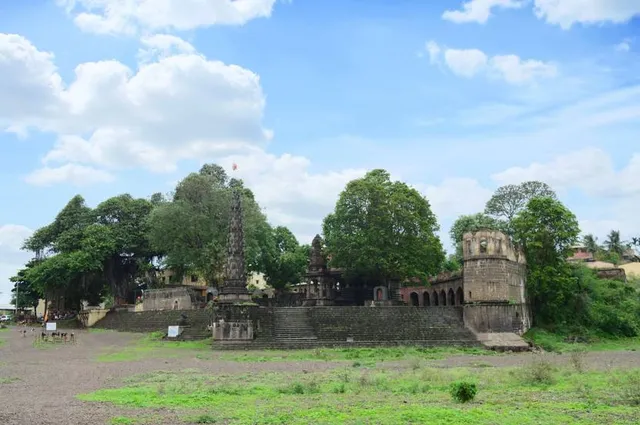
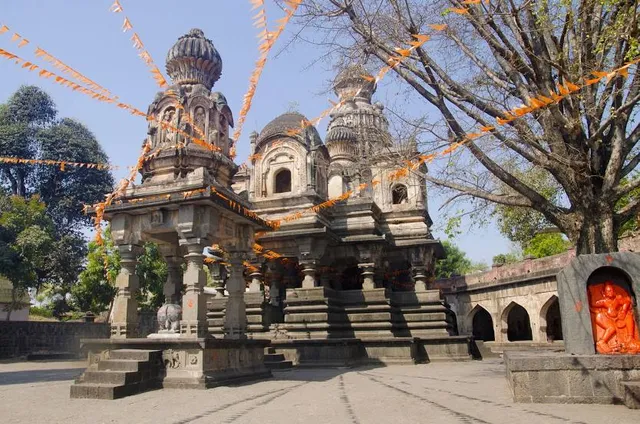
Located at the sacred confluence of the Krishna and Venna rivers, this Hemadpanthi-style basalt temple dates back to 1735, built by Shripatrao Pant Pratinidhi .
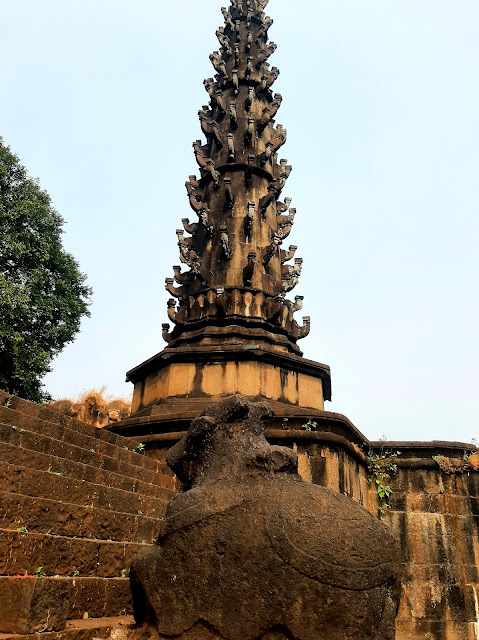
The complex features a grand sabhamandap, antarala, sanctum (garbhagriha), exquisite stucco sculptures, and a towering 55–60 ft single‑stone Deepmastambha (lamp-post) .
A towering Nandi pavilion and ornate pillars make it a standout example of Maratha craftsmanship .
Spiritual & Scenic Setting
The serene riverside setting at the Krishna–Venna “sangam” offers a peaceful, almost meditative ambiance .
Locals highlight a revered bell brought after the Vasai victory by Peshwa Chimaji Appa, adding to its historical aura .
Sister Temple – Rameshwar
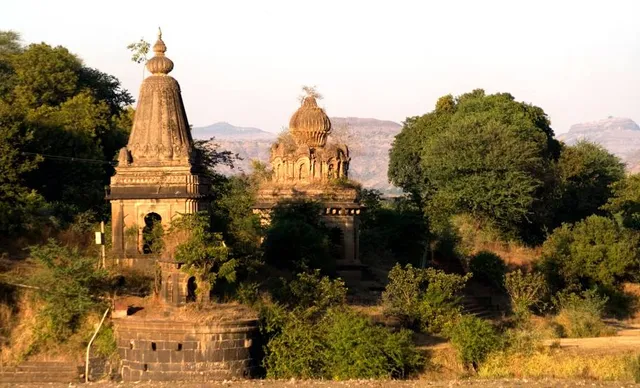
Across the river in Kshetra Mahuli lies the smaller Rameshwar Temple, with a Nagara‑style shikhara and shivling partly immersed in water. An ornate Nandi pavilion complements it .
Historical Significance
The site has roots in the Ramayana era (tales of Parashurama, Ram), and is the birthplace of Justice Ramshastri Prabhune .
It also witnessed significant events before the Peshwa–British conflicts .
Close to samadhis (shrines), including Chhatrapati Shahu Maharaj and his loyal dog Khadya .
Visitor Experience
No entry fee; open daily 24/7 .
Ideal for a 1–2 hour heritage stroll .
Especially pleasant in winter or summer—avoid monsoon due to possible flooding .
Easily accessible: 5 km from Satara bus stand, reachable by auto, taxi, or bike .
Highlights
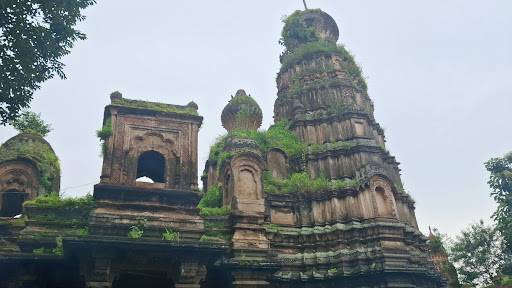
Architectural masterpieces: Deepmastambha, carvings, and double‑storeyed mandapas .
Iconic spiritual symbols: Nandi, ancient bell, tranquil shivling .
Riverside views, cultural ambience, and historical depth — a...
Read moreचार्ल्स किनकेडनी लिहिलेल "Tale Of Tulsi Plant" , " •Govt. of Maharashtra, Maharashtra State Gazetteers: Satara District, Bombay, 1963" •Parasnis, D. B. Satara: Brief Notes, Bombay, 1909. आणि जाणकार स्थानिक मंडळीकडून मिळालेली माहितीवरून
महाराष्ट्र राज्याच्या सातारा जिल्ह्यातील एक प्रसिद्ध तीर्थक्षेत्र. ते सातारा शहराच्या पूर्वेला सु. ५ किमी. वर कृष्णा आणि वैण्णा नद्यांच्या संगमावर वसले आहे. लोकसंख्या २,९३५ (१९८१) होती. संगमाच्या पूर्वेकडील वस्तीला ‘क्षेत्र माहुली’ आणि पश्चिमेकडील वस्तीला ‘संगम माहुली’ अशी नावे आहेत
माहुली येथील बरीचशी मंदिरे पंतप्रतिनिधी यांनी बांधलेली आहेत .पं, मामा पेठे, ज्योतिपंत भागवत, परशुराम अनगळ, कृष्णा दीक्षित व राजघराण्यातील राण्या यांनी तेथे सु. दहा मंदिरे, मुख्यतः अठराव्या शतकात बांधली. त्यांपैकी विश्वेश्वर महादेव, बिल्वेश्वर, रामेश्वर, संगमेश्वर, कृष्णेश्वर महादेव, कृष्णाबाई इ. प्रसिद्ध असून विश्वेश्वर महादेव हे मंदिर सर्वांत मोठे आहे. ही मंदिरे मराठा वास्तुशैलीतील असून चुनेगच्ची सभास्तंभ, शिखर आणि कोनाड्यांतून मूर्तिकाम आढळते. क्वचित काही ठिकाणी भित्तीचित्रे आहेत. त्यांतील लक्ष्मीचे चित्र सुरेख आहे. चुनेगच्चीतील मूर्तीत प्रामुख्याने दशावतार, शंकरपार्वती आणि शैव परिवारातील देव-देवता, प्राणी इ. आढळतात. यापैकी दहा मंदिरे कृष्णेच्या पूर्व काठावर आहेत . कृष्णेच्या पूर्व काठावर राधा - शंकराचे मंदिर आहे . हे मंदिर ज्या घाटावर आहे तो घाट बापूभट गोविंदभट यांनी इ . स . १७८० च्या सुमारास बांधला , तर मंदिर भोरच्या पंतसचिवांच्यापैकी ताईसाहेबांनी इ . स . १८२५ च्या सुमारास बांधले . याच काठावर असलेले दुसरे देऊळ श्रीपतराव पंतप्रतिनिधी यांनी इ . स . १७४२ मध्ये बांधले . ते बिल्वेश्वर मंदिर म्हणून ओळखले जाते . या मंदिराच्या पलीकडे घाटाच्या पायऱ्या इ . स . १७३८ मध्ये आनंदराव भिवराव देशमुख अंगापूरकर यांनी बांधविल्या . तिसरे रामेश्वराचे मंदिर हे त्याही अगोदर म्हणजे इ . स . १७०८ मध्ये देगाव येथील परशुराम नारायण अनगळ यांनी बांधविले होते . याच्यासमोर पश्चिम काठावर दुसऱ्या बाजीरावाने बांधलेला घाट अपुरा राहिलेला आहे . तसेच पश्चिम घाटावर दत्तात्रेय , शंकर - पार्वती , हनुमान यांचीदेखील मंदिरे आहेत . बिल्वेश्वर मंदिराच्या समोर पश्चिम काठावर संगमेश्वर महादेवाचे हेमाडपंती मंदिर आहे . हे मंदिरदेखील इ . स . १७४० मध्ये श्रीपतरावांनी बांधविले . याशिवाय वेण्णा नदीच्या दक्षिण काठावर सर्वांत मोठे असे मंदिर आहे , ते विश्वेश्वर महादेवाचे आहे . हे मंदिरदेखील श्रीपतरावांनी इ . स . १७३५ मध्ये बांधले .
सदर मंदिर नदीच्या बाजूने प्रवेश असलेल्या मंदिराला प्रशस्त दगडी पायऱ्या आहेत. तारकाकृती असणाऱ्या त्या मंदिराची गर्भगृह, अंतराळ आणि सभामंडप अशी रचना आहे. गर्भगृहातील शिवपिंडीवर पितळेचे आवरण आहे. गर्भगृहाच्या उंबरठ्यावर कीर्तिमुख कोरलेले आहे.अंतराळ चार स्तंभांवर आधारलेले असून दोन अर्धस्तंभ व दोन पूर्णस्तंभ आहेत. सभामंडप तिन्ही बाजूंनी मोकळा आहे. देवकोष्टकात डाव्या बाजूस गणपती आणि उजव्या बाजूस महिषासुरमर्दिनी यांच्या मूर्ती आहेत. सभामंडपात मोठी घंटा आहे. मुख्य मंदिरावर विटांचे शिखर असून त्यावर चुन्याचा गिलावा केलेला आहे. शिखराला अनेक देवकोष्टके आहेत. मंदिरासमोर नंदीमंडप आहे, त्यावर अष्टकोनी शिखर आहे.मंदिराच्या उत्तर आणि पश्चिम बाजूला ओवऱ्या आहेत. त्याचा उपयोग यात्रेकरूंना राहण्यासाठी आणि स्वयंपाकासाठी होतो. कृष्णा-वेण्णा उत्सव दरवर्षी माघ महिन्यात होत असतो. ते मंदिर राज्य संरक्षित स्मारक आहे.
चार्ल्स किनकेड असेदेखील नमूद करतात , की छत्रपती शाहू महाराजांची समाधीदेखील उन्हापावसाच्या माऱ्यामुळे भग्नावस्थेत पाहायला मिळते . त्या स्मारकावर दोन शिवलिंगे पाहायला मिळतात . याबाबत एक कथा सांगितली जाते , असे चार्ल्स किनकेड म्हणतात . छत्रपती शाहू महाराजांच्या समाधीवर सुरुवातीला एक शिवलिंग होते . परंतु ते पुराच्या पाण्याबरोबर वाहून गेले म्हणून त्या समाधीवर शिवलिंगाची प्रतिष्ठापना केली गेली . काही कालावधीनंतर नदीच्या पुराबरोबर वाहून गेलेले शिवलिंग वाळूमध्ये सापडले . म्हणून त्याचीदेखील परत प्रतिष्ठापना केली गेली . चार्ल्स किनकेड लिहितात , की इतक्या वर्षांनंतरदेखील छत्रपती शाहू महाराजांच्या समाधीच्या शिवलिंगाची षोडशोपचारे पूजा केली जाते . हे षोडशोपचार कोणते आहेत तेदेखील ते नमूद करतात . आवाहन , आसन , पाद्य , अर्घ्य , आचमन , स्नान , वस्त्र , यज्ञोपवीत , गंध , पुष्प , धूप , दीप , नैवेद्य , मंत्रपुष्प प्रदक्षिणा आणि नमस्कार अशा पद्धतीने पूजा केली जाते . ही पूजा पाहायची चार्ल्स किनकेड यांना फार उत्सुकता होती अस...
Read more