HTML SitemapExplore
logo
Find Things to DoFind The Best Restaurants

Shree Vajreshwari Yogini Devi Temple — Attraction in Maharashtra

Name
Shree Vajreshwari Yogini Devi Temple
Description
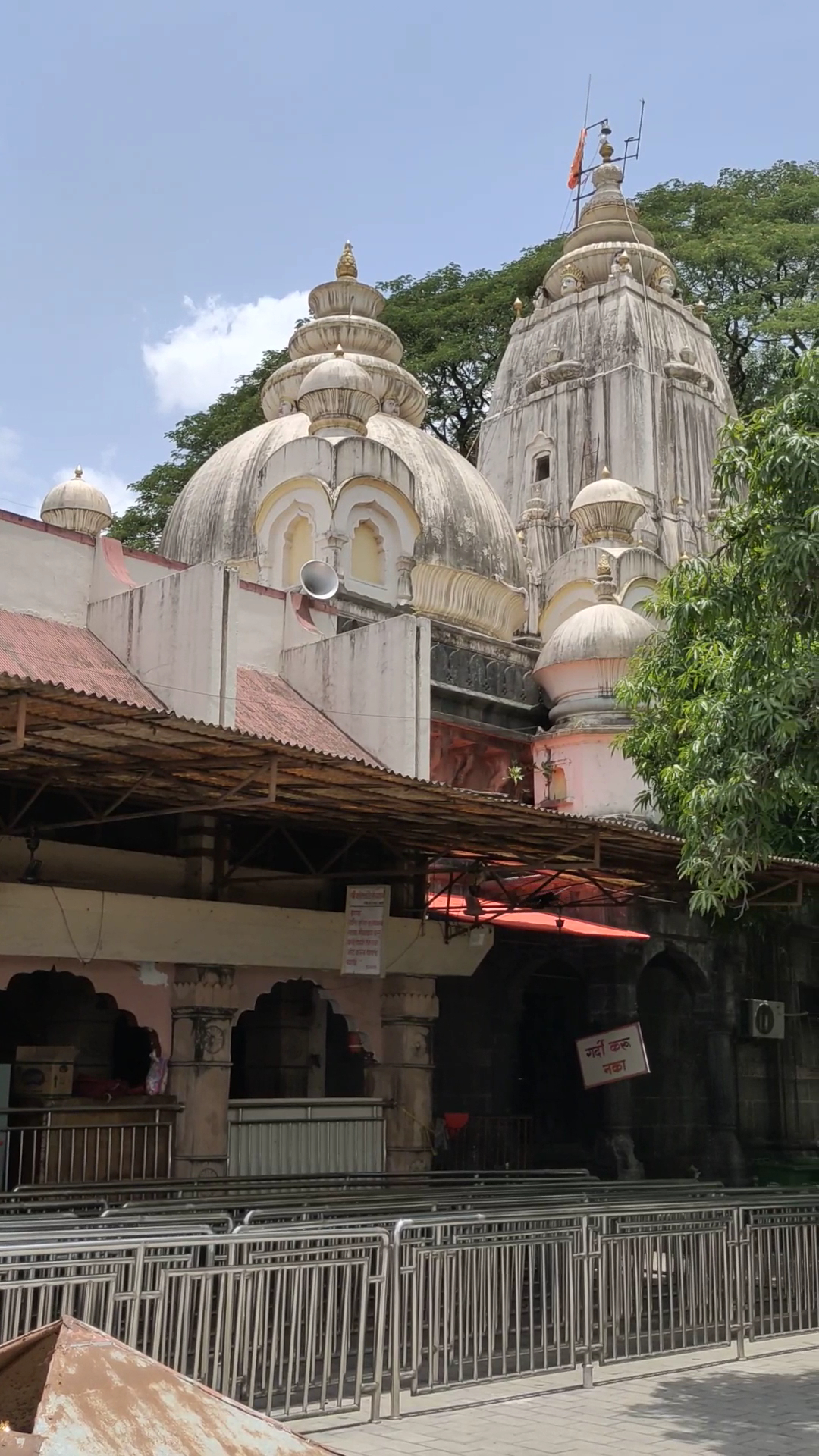
The Shree Vajreshwari Yogini Devi Mandir is a Hindu temple dedicated to the goddess Vajreshwari, located in the town Vajreshwari, 75 km away from Mumbai. The town, earlier known as Vadvali, was renamed Vajreshwari in honour of the presiding deity of the temple.
Nearby attractions
Nearby restaurants
Hotel Kerala Kannu Bhuvanam
F2PG+QV2, Vajreshwari, Maharashtra 401204, India
matoshree hotel
Vajreshwari Rd, Vajreshwari, Maharashtra 401204, India
Hotel Vijay Palace
Vajreshwari Rd, Saiwan, Vajreshwari, Maharashtra 401204, India
Sai Shree Vada Pav
Vajreshwari Rd, Vajreshwari, Maharashtra 401204, India
hotel gaurav bar & restaurant
Vajreshwari Sirsad, Highway, Vajreshwari, Maharashtra 401204, India
शुद्ध शाकाहारीं व नॉन व्हेज चाईनिस कॅफे (सचिन लसने)
विठ्ठल रखुमाई मंदिरा समोर, वज्रेश्वरी अकलोली रोड, गाला नं १, ‌, Vajreshwari, Maharashtra 401204, India
Hotel Tiranga
F2QC+6MQ, Thane, Maharashtra 401204, India
Hotel Shree Swami Samarth(Kapse Catteres)
193, opp. Kanyavidyala, Vajreshwari, Maharashtra 401204, India
Hotel Vahini Visawa . veg & nonveg food. Lodging and boarding.. nature spot.
Vajreshwari - akloli, kund rd, Vajreshwari, Maharashtra 401204, India
Hotel pahunchar
Vajreshwari Rd, near by kanya Vidyalay, Vajreshwari, Maharashtra 401204, India
Nearby hotels
OYO Flagship 81010 Hotel Vijay Residency
near vajreshwari mandir On Akloli, Kund Road, Vajreshwari, Maharashtra 401204, India
Hotel O Matoshree Guest House
Temple, 11, Bhiwandi, shirsad Road, near Vajreshwari Road, TempleNear, Vajreshwari, Bhiwandi, Maharashtra 401204, India
Vajra hotel - Resort campsight
phc, Vajreshwari resorts, Opposit, Vajreshwari, Maharashtra 401204, India
Related posts
Keywords
Shree Vajreshwari Yogini Devi Temple tourism.Shree Vajreshwari Yogini Devi Temple hotels.Shree Vajreshwari Yogini Devi Temple bed and breakfast. flights to Shree Vajreshwari Yogini Devi Temple.Shree Vajreshwari Yogini Devi Temple attractions.Shree Vajreshwari Yogini Devi Temple restaurants.Shree Vajreshwari Yogini Devi Temple travel.Shree Vajreshwari Yogini Devi Temple travel guide.Shree Vajreshwari Yogini Devi Temple travel blog.Shree Vajreshwari Yogini Devi Temple pictures.Shree Vajreshwari Yogini Devi Temple photos.Shree Vajreshwari Yogini Devi Temple travel tips.Shree Vajreshwari Yogini Devi Temple maps.Shree Vajreshwari Yogini Devi Temple things to do.
Shree Vajreshwari Yogini Devi Temple things to do, attractions, restaurants, events info and trip planning
Shree Vajreshwari Yogini Devi Temple
IndiaMaharashtraShree Vajreshwari Yogini Devi Temple

Basic Info

Shree Vajreshwari Yogini Devi Temple

Vajreshwari Rd, Vajreshwari, Maharashtra 401204, India
4.6(3.9K)
Open 24 hours
Save
spot

Ratings & Description

Info

The Shree Vajreshwari Yogini Devi Mandir is a Hindu temple dedicated to the goddess Vajreshwari, located in the town Vajreshwari, 75 km away from Mumbai. The town, earlier known as Vadvali, was renamed Vajreshwari in honour of the presiding deity of the temple.

Cultural
Family friendly
attractions: , restaurants: Hotel Kerala Kannu Bhuvanam, matoshree hotel, Hotel Vijay Palace, Sai Shree Vada Pav, hotel gaurav bar & restaurant, शुद्ध शाकाहारीं व नॉन व्हेज चाईनिस कॅफे (सचिन लसने), Hotel Tiranga, Hotel Shree Swami Samarth(Kapse Catteres), Hotel Vahini Visawa . veg & nonveg food. Lodging and boarding.. nature spot., Hotel pahunchar
logoLearn more insights from Wanderboat AI.
Phone
+91 77700 15192
Website
vajreshwariyogini.org

Plan your stay

hotel
Pet-friendly Hotels in Maharashtra
Find a cozy hotel nearby and make it a full experience.
hotel
Affordable Hotels in Maharashtra
Find a cozy hotel nearby and make it a full experience.
hotel
The Coolest Hotels You Haven't Heard Of (Yet)
Find a cozy hotel nearby and make it a full experience.
hotel
Trending Stays Worth the Hype in Maharashtra
Find a cozy hotel nearby and make it a full experience.

Reviews

Nearby restaurants of Shree Vajreshwari Yogini Devi Temple

Hotel Kerala Kannu Bhuvanam

matoshree hotel

Hotel Vijay Palace

Sai Shree Vada Pav

hotel gaurav bar & restaurant

शुद्ध शाकाहारीं व नॉन व्हेज चाईनिस कॅफे (सचिन लसने)

Hotel Tiranga

Hotel Shree Swami Samarth(Kapse Catteres)

Hotel Vahini Visawa . veg & nonveg food. Lodging and boarding.. nature spot.

Hotel pahunchar

Hotel Kerala Kannu Bhuvanam

Hotel Kerala Kannu Bhuvanam

3.9

(20)

Click for details
matoshree hotel

matoshree hotel

4.9

(23)

Click for details
Hotel Vijay Palace

Hotel Vijay Palace

3.9

(10)

Open until 12:00 AM
Click for details
Sai Shree Vada Pav

Sai Shree Vada Pav

4.3

(5)

Click for details
Get the Appoverlay
Get the AppOne tap to find yournext favorite spots!
Wanderboat LogoWanderboat

Your everyday Al companion for getaway ideas

CompanyAbout Us
InformationAI Trip PlannerSitemap
SocialXInstagramTiktokLinkedin
LegalTerms of ServicePrivacy Policy

Get the app

© 2025 Wanderboat. All rights reserved.
logo

Posts

Asis ChatterjeeAsis Chatterjee
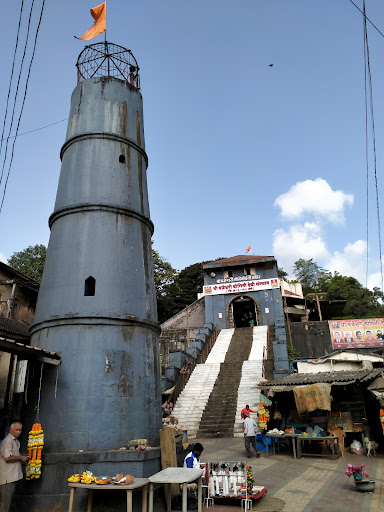
Vajreswari Jogini or simply Vajreswari temple is a famous Hindu temple dedicated to Goddess Vajreswari, a form of Adi Shakti (Primal Feminine Power) situated in the village with the same name, in the Bhiwandi Taluka of Thane district, Maharashtra. One small but beautiful river named Tansa flows by the side of this village. There are two mythological story associated with this temple, both of which narrate how the demon Kalikut was killed by the Goddess, with a difference that associate Vajra (thunderbolt), the weapon of Indra, the king of gods. In one story, Indra hurtled Vajra to a group of Rishi-s (sages) who forgot to invite him to a Yagna (fire ritual) and the Goddess Vajreswari came and shielded the hapless Rishis from the immensely powerful missile Vajra. The other story narrates that as Indra was unable to kill the demon even by his Vajra (the demon broke the Vajra into two parts), Goddess Vajreswari appeared from the broken Vajra and killed the demon. Historically, the ancient small temple of Goddess Vajreswari was renovated and re-built into a big magnificent temple built of stone by the Marahatta general Chimaji after he defeated the Portuguese in the battle of Vasai. The temple is situated on a small hillock, and one has to ascend a flight of about 50 stairs to reach the main gate of the temple. Inside, the temple complex consists of the main temple dedicated to the Goddess, surrounded by few smaller temples and sacred temple trees around which devotees tie red colored clothes with wishful thinking. One important temple is situated behind the main temple which is dedicated to Dattatreya, a combined form of the Trinity of Hinduism, viz. Lord Brahma, Lord Vishnu and Lord Maheswara (Shiva in His anthropoid form). Visitors must not miss the Rudraksha tree which is grown at the centre of the Dattatreya temple and goes up through a hole in the roof. If you are lucky, you can get one or two of genuine Rudraksha from this tree. The main temple : The main temple dedicated to Goddess Vajreswari is a North Indian (Nagara) type of temple with some modifications. In the front there is a hall with multiple columns, all decorated. Next is an ante-chamber where you can see Lord Ganesha on your left an Morba Devi, a goddess who rides a rooster. In the sanctum, there are 3 idols on the altar - from your left these are of Renuka Mata (the mother of Parashurama, the 6th Avatar of Lord Vishnu), Vajreswari Mata and Goddess Kalika. Photography is prohibited in the sanctum, though you can try a shot from outside with a tele lens. But if you are not so choosy, you can get a good photo from the picture of the three deities which hung in the wall of the Dattatreya temple. One important point must be mentioned here. On the right side of the main temple, just outside the boundary wall, there is a small temple of Lord Hanuman. Behind this temple, there is a series of steps going to the top of the hill in which the main temple complex is situated. This path will lead to you to the top of the hill where you can see the Samadhi Mandir (mausoleum) of Donge Baba, the priest of the original temple. The climb is an easy one, and from the top you can have a good panoramic view of the surrounding areas. The wash rooms, if you need, are good and clean, and are situated just behind the Hanuman temple. The Vajreswari hot springs: There are a number (21) of hot springs within 5 km radius of the temple of Goddess Vajreswari. Local mythology ascribe the hotness of the water of the hit springs to the hit blood of the demon whom the Goddess killed here. A group of such hot springs are situated about 1.5 km away in Akloli area (called locally "Jalaram Dham"), where one can take a bath in one of the hot water pools. This area is situated by the Tansa river.
Ab JeetAb Jeet
I recently visited Vajreshwari Temple and had a truly divine and spiritually uplifting experience. However, I was somewhat disappointed with the dining options in the nearby area. Here's my four-star review: Vajreshwari Temple holds immense spiritual significance and offers a serene and peaceful atmosphere for devotees. The temple's architecture, rituals, and the overall aura create a profound sense of devotion and tranquility Nestled amidst the picturesque landscape, Vajreshwari Temple boasts natural beauty that adds to the spiritual experience. The serene surroundings, lush greenery, and tranquil vibes create an ideal ambiance for introspection and prayer. The temple is a treasure trove of cultural heritage, showcasing intricate carvings, traditional rituals, and the rich history of the region. Exploring the temple premises and observing the rituals offered a glimpse into the local traditions and customs. Disappointing Dining Option however, one aspect that left me disappointed was the lack of quality dining options in the nearby area. The food served in the nearby hotels was subpar, and the availability of inexpensive eateries was abundant but compromised in terms of taste and hygiene. It would be beneficial for visitors if there were better dining choices or recommendations provided. Despite the dining disappointment, Vajreshwari Temple remains a must-visit destination for spiritual seekers and devotees. The temple's spiritual aura, stunning surroundings, and cultural significance make it a memorable experience. It is advisable to plan ahead and explore dining options in other nearby areas to ensure a satisfactory culinary experience during the visit. I would highly recommend visiting Vajreshwari Temple for its spiritual essence and the chance to immerse oneself in the cultural heritage it represents. Just be prepared to explore alternate dining options to complement the spiritual journey.
Pranay ChavanPranay Chavan
The main gate entrance has a Nagarkhana or drum house, and is built similar to the Bassein Fort's entrance. The temple is also surrounded by a stone wall like a fort. Fifty-two stone steps are to be climbed to reach the main shrine. A golden tortoise is carved on one of the steps and worshipped as Kurma, the tortoise incarnation of Vishnu. The main shrine has three sections: the main inner sanctum (Garbha gṛha), another sanctum, and a pillared mandapa (assembly hall). The Grabha-griha houses six idols. The saffron murti (idol) of the goddess Vajreshwari with a sword and a gada (mace) in her right and left hands respectively and a trisula (trident) besides her, stands in the centre. Murtis of the goddess Renuka (Parshurama's mother) with a sword and a lotus in her hands, goddess Saptashrungi Mahalakshmi of Vani and a tiger, goddess Vajreshwari's vahana or mount; are to the left of the goddess Vajreshwari. On her right are the murtis of the goddess Kalika (the village goddess) with a lotus and a kamandalu (water pot) and Parshurama armed with a parshu (axe). The goddesses are adorned with silver jewelry and crowns, stand on silver lotuses, and are sheltered by silver umbrellas. The sanctum outside the Garbhagriha has idols of Ganesha, Bhairava, Hanuman and local deities like Moraba devi. The assembly hall has a bell, which devotees ring when entering the shrine and a marble lion, also believed to be the goddess' mount. A Yajna kunda (a structure in which a fire offering is done) is outside the assembly hall. Smaller shrines on the temple premises are dedicated to Kapileshwar Mahadeva (Shiva), Datta, Hanuman and saints of Giri Gosavi sect. A peepal tree in front of the Hanuman shrine has assumed a form of Ganesha and is worshipped as the deity. The samādhi (tomb) of the 17th century Giri Gosavi saint Godhadebuwa is further up on top of the Gautam hill, behind the Mandagiri hillock.
See more posts
See more posts
hotel
Find your stay

Pet-friendly Hotels in Maharashtra

Find a cozy hotel nearby and make it a full experience.

Vajreswari Jogini or simply Vajreswari temple is a famous Hindu temple dedicated to Goddess Vajreswari, a form of Adi Shakti (Primal Feminine Power) situated in the village with the same name, in the Bhiwandi Taluka of Thane district, Maharashtra. One small but beautiful river named Tansa flows by the side of this village. There are two mythological story associated with this temple, both of which narrate how the demon Kalikut was killed by the Goddess, with a difference that associate Vajra (thunderbolt), the weapon of Indra, the king of gods. In one story, Indra hurtled Vajra to a group of Rishi-s (sages) who forgot to invite him to a Yagna (fire ritual) and the Goddess Vajreswari came and shielded the hapless Rishis from the immensely powerful missile Vajra. The other story narrates that as Indra was unable to kill the demon even by his Vajra (the demon broke the Vajra into two parts), Goddess Vajreswari appeared from the broken Vajra and killed the demon. Historically, the ancient small temple of Goddess Vajreswari was renovated and re-built into a big magnificent temple built of stone by the Marahatta general Chimaji after he defeated the Portuguese in the battle of Vasai. The temple is situated on a small hillock, and one has to ascend a flight of about 50 stairs to reach the main gate of the temple. Inside, the temple complex consists of the main temple dedicated to the Goddess, surrounded by few smaller temples and sacred temple trees around which devotees tie red colored clothes with wishful thinking. One important temple is situated behind the main temple which is dedicated to Dattatreya, a combined form of the Trinity of Hinduism, viz. Lord Brahma, Lord Vishnu and Lord Maheswara (Shiva in His anthropoid form). Visitors must not miss the Rudraksha tree which is grown at the centre of the Dattatreya temple and goes up through a hole in the roof. If you are lucky, you can get one or two of genuine Rudraksha from this tree. The main temple : The main temple dedicated to Goddess Vajreswari is a North Indian (Nagara) type of temple with some modifications. In the front there is a hall with multiple columns, all decorated. Next is an ante-chamber where you can see Lord Ganesha on your left an Morba Devi, a goddess who rides a rooster. In the sanctum, there are 3 idols on the altar - from your left these are of Renuka Mata (the mother of Parashurama, the 6th Avatar of Lord Vishnu), Vajreswari Mata and Goddess Kalika. Photography is prohibited in the sanctum, though you can try a shot from outside with a tele lens. But if you are not so choosy, you can get a good photo from the picture of the three deities which hung in the wall of the Dattatreya temple. One important point must be mentioned here. On the right side of the main temple, just outside the boundary wall, there is a small temple of Lord Hanuman. Behind this temple, there is a series of steps going to the top of the hill in which the main temple complex is situated. This path will lead to you to the top of the hill where you can see the Samadhi Mandir (mausoleum) of Donge Baba, the priest of the original temple. The climb is an easy one, and from the top you can have a good panoramic view of the surrounding areas. The wash rooms, if you need, are good and clean, and are situated just behind the Hanuman temple. The Vajreswari hot springs: There are a number (21) of hot springs within 5 km radius of the temple of Goddess Vajreswari. Local mythology ascribe the hotness of the water of the hit springs to the hit blood of the demon whom the Goddess killed here. A group of such hot springs are situated about 1.5 km away in Akloli area (called locally "Jalaram Dham"), where one can take a bath in one of the hot water pools. This area is situated by the Tansa river.
Asis Chatterjee

Asis Chatterjee

hotel
Find your stay

Affordable Hotels in Maharashtra

Find a cozy hotel nearby and make it a full experience.

Get the Appoverlay
Get the AppOne tap to find yournext favorite spots!
I recently visited Vajreshwari Temple and had a truly divine and spiritually uplifting experience. However, I was somewhat disappointed with the dining options in the nearby area. Here's my four-star review: Vajreshwari Temple holds immense spiritual significance and offers a serene and peaceful atmosphere for devotees. The temple's architecture, rituals, and the overall aura create a profound sense of devotion and tranquility Nestled amidst the picturesque landscape, Vajreshwari Temple boasts natural beauty that adds to the spiritual experience. The serene surroundings, lush greenery, and tranquil vibes create an ideal ambiance for introspection and prayer. The temple is a treasure trove of cultural heritage, showcasing intricate carvings, traditional rituals, and the rich history of the region. Exploring the temple premises and observing the rituals offered a glimpse into the local traditions and customs. Disappointing Dining Option however, one aspect that left me disappointed was the lack of quality dining options in the nearby area. The food served in the nearby hotels was subpar, and the availability of inexpensive eateries was abundant but compromised in terms of taste and hygiene. It would be beneficial for visitors if there were better dining choices or recommendations provided. Despite the dining disappointment, Vajreshwari Temple remains a must-visit destination for spiritual seekers and devotees. The temple's spiritual aura, stunning surroundings, and cultural significance make it a memorable experience. It is advisable to plan ahead and explore dining options in other nearby areas to ensure a satisfactory culinary experience during the visit. I would highly recommend visiting Vajreshwari Temple for its spiritual essence and the chance to immerse oneself in the cultural heritage it represents. Just be prepared to explore alternate dining options to complement the spiritual journey.
Ab Jeet

Ab Jeet

hotel
Find your stay

The Coolest Hotels You Haven't Heard Of (Yet)

Find a cozy hotel nearby and make it a full experience.

hotel
Find your stay

Trending Stays Worth the Hype in Maharashtra

Find a cozy hotel nearby and make it a full experience.

The main gate entrance has a Nagarkhana or drum house, and is built similar to the Bassein Fort's entrance. The temple is also surrounded by a stone wall like a fort. Fifty-two stone steps are to be climbed to reach the main shrine. A golden tortoise is carved on one of the steps and worshipped as Kurma, the tortoise incarnation of Vishnu. The main shrine has three sections: the main inner sanctum (Garbha gṛha), another sanctum, and a pillared mandapa (assembly hall). The Grabha-griha houses six idols. The saffron murti (idol) of the goddess Vajreshwari with a sword and a gada (mace) in her right and left hands respectively and a trisula (trident) besides her, stands in the centre. Murtis of the goddess Renuka (Parshurama's mother) with a sword and a lotus in her hands, goddess Saptashrungi Mahalakshmi of Vani and a tiger, goddess Vajreshwari's vahana or mount; are to the left of the goddess Vajreshwari. On her right are the murtis of the goddess Kalika (the village goddess) with a lotus and a kamandalu (water pot) and Parshurama armed with a parshu (axe). The goddesses are adorned with silver jewelry and crowns, stand on silver lotuses, and are sheltered by silver umbrellas. The sanctum outside the Garbhagriha has idols of Ganesha, Bhairava, Hanuman and local deities like Moraba devi. The assembly hall has a bell, which devotees ring when entering the shrine and a marble lion, also believed to be the goddess' mount. A Yajna kunda (a structure in which a fire offering is done) is outside the assembly hall. Smaller shrines on the temple premises are dedicated to Kapileshwar Mahadeva (Shiva), Datta, Hanuman and saints of Giri Gosavi sect. A peepal tree in front of the Hanuman shrine has assumed a form of Ganesha and is worshipped as the deity. The samādhi (tomb) of the 17th century Giri Gosavi saint Godhadebuwa is further up on top of the Gautam hill, behind the Mandagiri hillock.
Pranay Chavan

Pranay Chavan

See more posts
See more posts

Reviews of Shree Vajreshwari Yogini Devi Temple

4.6
(3,853)
avatar
5.0
3y

Vajreswari Jogini or simply Vajreswari temple is a famous Hindu temple dedicated to Goddess Vajreswari, a form of Adi Shakti (Primal Feminine Power) situated in the village with the same name, in the Bhiwandi Taluka of Thane district, Maharashtra. One small but beautiful river named Tansa flows by the side of this village. There are two mythological story associated with this temple, both of which narrate how the demon Kalikut was killed by the Goddess, with a difference that associate Vajra (thunderbolt), the weapon of Indra, the king of gods. In one story, Indra hurtled Vajra to a group of Rishi-s (sages) who forgot to invite him to a Yagna (fire ritual) and the Goddess Vajreswari came and shielded the hapless Rishis from the immensely powerful missile Vajra. The other story narrates that as Indra was unable to kill the demon even by his Vajra (the demon broke the Vajra into two parts), Goddess Vajreswari appeared from the broken Vajra and killed the demon. Historically, the ancient small temple of Goddess Vajreswari was renovated and re-built into a big magnificent temple built of stone by the Marahatta general Chimaji after he defeated the Portuguese in the battle of Vasai. The temple is situated on a small hillock, and one has to ascend a flight of about 50 stairs to reach the main gate of the temple. Inside, the temple complex consists of the main temple dedicated to the Goddess, surrounded by few smaller temples and sacred temple trees around which devotees tie red colored clothes with wishful thinking. One important temple is situated behind the main temple which is dedicated to Dattatreya, a combined form of the Trinity of Hinduism, viz. Lord Brahma, Lord Vishnu and Lord Maheswara (Shiva in His anthropoid form). Visitors must not miss the Rudraksha tree which is grown at the centre of the Dattatreya temple and goes up through a hole in the roof. If you are lucky, you can get one or two of genuine Rudraksha from this tree. The main temple : The main temple dedicated to Goddess Vajreswari is a North Indian (Nagara) type of temple with some modifications. In the front there is a hall with multiple columns, all decorated. Next is an ante-chamber where you can see Lord Ganesha on your left an Morba Devi, a goddess who rides a rooster. In the sanctum, there are 3 idols on the altar - from your left these are of Renuka Mata (the mother of Parashurama, the 6th Avatar of Lord Vishnu), Vajreswari Mata and Goddess Kalika. Photography is prohibited in the sanctum, though you can try a shot from outside with a tele lens. But if you are not so choosy, you can get a good photo from the picture of the three deities which hung in the wall of the Dattatreya temple.

One important point must be mentioned here. On the right side of the main temple, just outside the boundary wall, there is a small temple of Lord Hanuman. Behind this temple, there is a series of steps going to the top of the hill in which the main temple complex is situated. This path will lead to you to the top of the hill where you can see the Samadhi Mandir (mausoleum) of Donge Baba, the priest of the original temple. The climb is an easy one, and from the top you can have a good panoramic view of the surrounding areas.

The wash rooms, if you need, are good and clean, and are situated just behind the Hanuman temple.

The Vajreswari hot springs:

There are a number (21) of hot springs within 5 km radius of the temple of Goddess Vajreswari. Local mythology ascribe the hotness of the water of the hit springs to the hit blood of the demon whom the Goddess killed here. A group of such hot springs are situated about 1.5 km away in Akloli area (called locally "Jalaram Dham"), where one can take a bath in one of the hot water pools. This area is situated by the...

   Read more
avatar
4.0
6y

The Aai Vajreshwari Devi Temple is a beautiful temple made of black stone. It is located on a small hill & requires one to climb a series of about 50 steps. Apart from the temple it also provides a panoramic view of the places around. The temple is located on a detour from the Bhiwandi - Wada road from the Ambadi Naka & on a detour from the Mumbai - Virar highway from the Shirsad Naka depending upon where you are traveling from. There is very limited parking space available since the temple is located in the town center with very narrow roads. Recommended to park little away & walk upto the temple.Hardly the adjective associated with places of worship, but most suited for this temple. Built like a fort on top of a hillock, it has an aura about it. The stone dome of the hall reflects the power of the maratha rulers who built the temple.The presiding dieties are Mahalakshmi, Vajreshwari, Renuka, Kalika and Parashuram (One of the few places with a prominent idol for Parashuram) with beautiful stone idols. Many other smaller temples are located within the compound. The Datta temple houses an ancient Rudraraksha tree.The premises are clean and well maintained. However, it can be very crowded on weekends and festival days as it's a revered temple and the nearby sulphur springs draw huge crowds. The temple is a 30 minute detour from the NH-48 and from Mumbai to Vajreshwari is 2 hours drive. along a scenic road and is also accessible by public transportation. The local shopkeepers try to extort as much as they can for parking. Best to park a bit away and walk down. Lot of small eateries surround the temple.The temple complex was built by Chimaji Appa , the brother Baji Rao Peshawa after the victory over Portuguese at Vasai. The driving the car is pleasure to this place except for few traffic snarls.The temple opens at morning 5:30 and surrounding is pleasant.Hordes of devotees visit the temple & nearby hot springs all year round. While the temple itself is serene (though crowded), the nearby hot springs are a real disappointment! Not because of mother nature, but because of the mess created by the people that visit. You will find almost everybody crammed into the demarcated hot spring pools, bathing & spitting away to glory! While you should take a dip & give others a chance, there's no decorum here. People even take their vehicles & clothes into the adjoining lake & wash with soap & really mess up the waters. Step in only if you are strong hearted Winding roads away from the expressway on Mumbai Pune route or on the way to Surat, one can take a detour. The route inside is one way roads and one must drive carefully, as the country men own the space and don't know the rules of speed or traffic. The temple is serene and ancient. The Goddess Vajreshwari, unlike the meaning of the name, looks so soft and beautiful, all crimson colour and calm. To the right of her is Maa Renuka Devi and to her left is Maa Kaali. And there is a small shrine within the premises for lord Dattathreya. Visited on guru poornima and enjoyed every bit of the trip and came back feeling very happy within. The inner sanctorum is made of stone and just outside there is a wooden structure. One has to walk a flight of steep stairs, it's not difficult. When we walk down the stairs we can spot an old light house, so the sea has receded far behind, from where it once stood. Must...

   Read more
avatar
5.0
7y

VAJRESHWARI

t is very easy to forget visits to obscure places when you travel as a 6 yr old during the Christmas vacations. However, the memories etched on my mind of Vajreshwari, especially the hot springs never quite faded and kept on urging me for another trip to this beautiful place. If every winter morning made me long for the hot springs of Vajreshwari then every chaotic scene in the office made me long for the serenity of the temples and the peace and calm existing throughout the region with a violent volcanic past. The existence of 3 rivers Tejsa, Tansa and Surya in the vicinity adds to the tourism value of the place. Vajreshwari finds a proud mention even in the ancient "Puran" (Hindu holy books) for being consecrated by the presence of Rama as well as Parshuram. Vadvali as it was known earlier, the place was renamed after reincarnation of Vajrayogini. There is also another story of the place being named after Vajreshwari when she swallowed the vajra (thunderbolt / power bolt) of Lord Indra when he hurled the same at the wise sage Muni Vashishtha.. Vajreshwari is mostly inhabited by the local Marathi community. Easygoing and docile the locals are always eager to help and even find time to accompany you to the places you are looking for. Typical Maharashtrian food as well as South Indian Fare is available at the local hotels. The specialty of the place, a frosty glass of Sugarcane juice is also recommended for the sheer energy that it seems to provide while entering the gut. Vajreshwari is a small town situated at a distance of about 30k.m. from the Bassein (Vasai) Road Rly. Station on the W.Rly. There is an old temple of goddess Vajreshwari. The idol of the goddess is very impressive and is being worshipped for last few centuries. Worshippers believe that the goddess fulfills the wishes of devotees Short distance away from this temple are the natural hot water springs. The springs, in all about 21, have a healing power in their hot water. It is said to have been due to the presence of Sulphur in the water. People believe that rheumatic disorders and skin diseases are cured by the water. Ganeshpuri, a small township, where the famous Siddhapeeth Ashram, established by Swami Muktanand is quite near from these hot springs. The temple of Swami Nityanand, a great saint and sage who once had made this precinct as his abode, stands...

   Read more
Page 1 of 7
Previous
Next