Pandharpur and kholapur
On the 22nd of April 2012 five of us four adults and a child left by car from Pune to Pandharpur.. We left Pune at about 8.30 A.M.The distance from Pune to Pandharpur is 206 kms and it took us three hours to reach there. Sugarcane was just harvested and we could see carts, lorries loaded with piles and piles of the sweet plant.
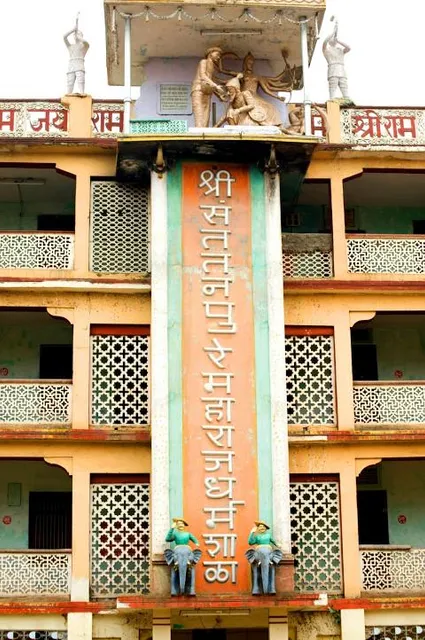
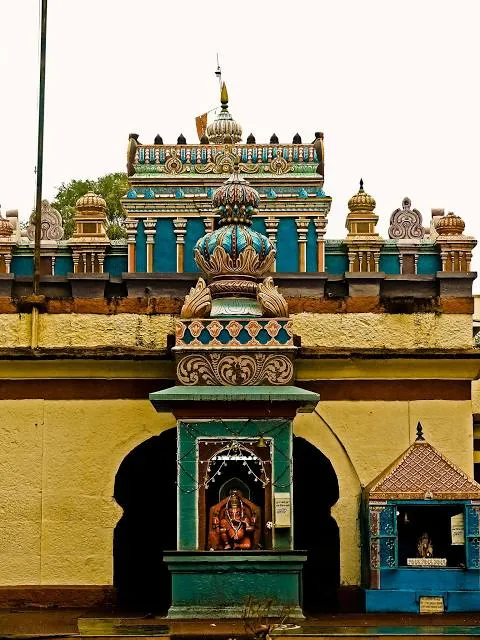
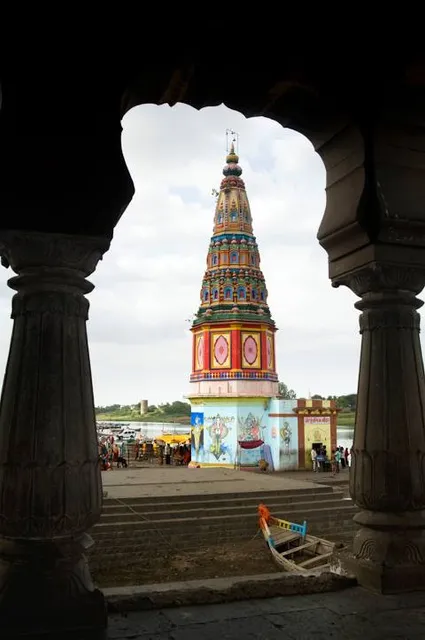
We located Gajanan maharaj’s ashram and the men went to book rooms while we waited. They finally came and after parking the car we went to our rooms-AC rooms with attached baths and a balcony with a view. The cost Rs.700 per room. The rooms were neat and clean so also the toilets.After having our packed lunch went to have darshan of Panduranga and Rakmai. We located the Eastern door. The first step was called Namdev chi payari or the step of Namdev which was reminiscent of our Kulasekhara padi. At the entrance was a blue tent like structure which was the samadhi of Chokamela a devotee of Panduranga. Even today thousands of warkaris whose mantra is RamakrishnaHari walk from Dehu Road and Alandi to Pandharpur for Ashada ekadasi..
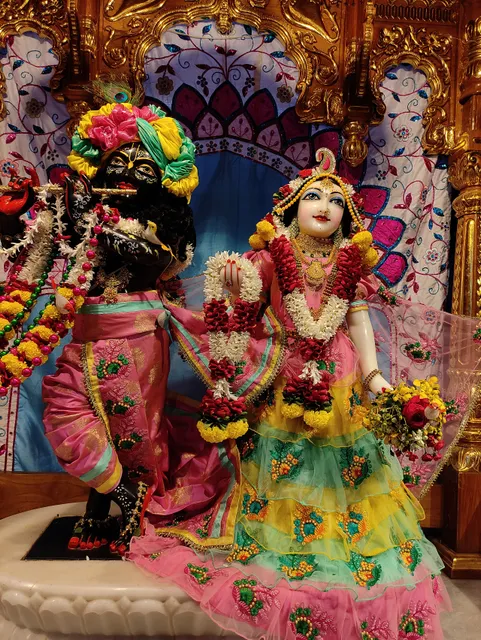
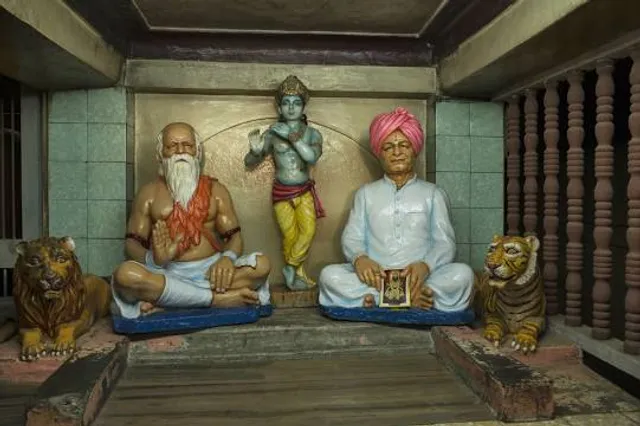
As we stood in the line we remembered how the Lord and His consort came to Pandharpur and accepted the bricks given as asanams. Pundalika and his wife did not respect their parents and treated them with contempt. Pundalika repented and started treating his parents affectionately and respectfully. So much involved was he in serving them that when Krishna and Rukmini came in person to see them Pundalika did not stop serving his parents and threw bricks for the divine couple. Happily the Divya Dampathis accepted the asanam offered and in order to balance themselves placed their hands on their hips. This is the pose we find Them. We were lucky there was not much of a crowd. The devotees moved in a queue and we were awestruck by the sight of Panduranga with His Makara kundala and Peethambharam. We felt elated to touch His divine feet. After offering coconuts we went to have darshan of Rukmini or Rukma bai. Again we got to touch the feet of Mahalakshmi. Satisfied we went out and looked around. Ladoo Prasad was sold at a counter and after buying some we went back to our room. After some rest we took a tonga-ride (horse-cart) to the Chandrabhagha river. Since it was peak summer the water was little and muddy so we traced our steps back and visited Dwarkadeesh temple on the banks of the river. This temple resembled a palace and was built by the Rajput kings of yore. After worship we went to the shops and had lassi and bought some brass kujas (these are useful for carrying perumal theertham for those at home) for gifting. Then we went to have ‘Mukh darshan’ of Panduranga. This entrance took us through staircases and we finally reached Panduranga and Rakmabai. We bent our heads at their feet and made our way out. We went to bed early with the plan to leave for Kolhapur as soon as we could. Morning after bath and prayers we visited the Gajanan temple and had photo sessions at the place. There was a beautiful statue of Radha Krishna and we had photos taken there.
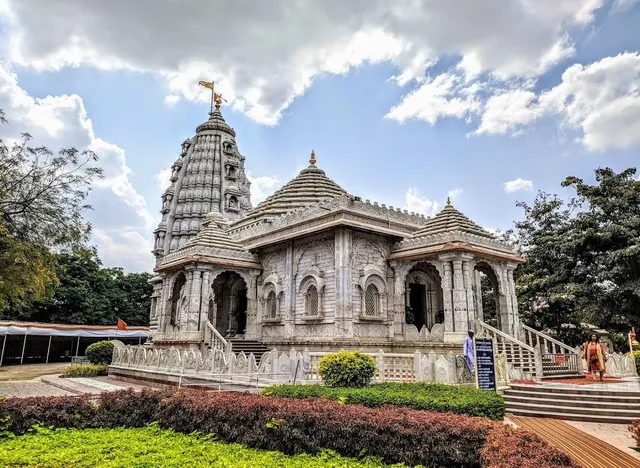
We left Pandharpur after breakfast. We reached there in about two hours and went searching for the Mahalakshmi temple. Kolhapur is the place where Mahalakshmi did Tapas when she came to earth angered by Bhrigu Maharisi kicking Vishnu on His chest which was Her permanent residence. Brighu Maharishi wanted to establish The Absolute God and tested Brahma, Shiva and Vishnu. Since Vishnu was not angered even when He got kicked on His chest-the abode of Sri, Brighu concluded that He alone was worthy of worship. Though temples for Vishnu started coming up Mahalakshmi was angered and came to Kolhapur to meditate. Just a slide glance of Mahalakshmi confers all auspiciousness and wealth people throng to get Her Kataksha. After offering flowers and kumkum we came out and shopped for Laksmi pictures for friends in different sizes. But what took a longer time was the shopping for Tushi jewellery. It was then time to leave. We left the place after lunch and reached...
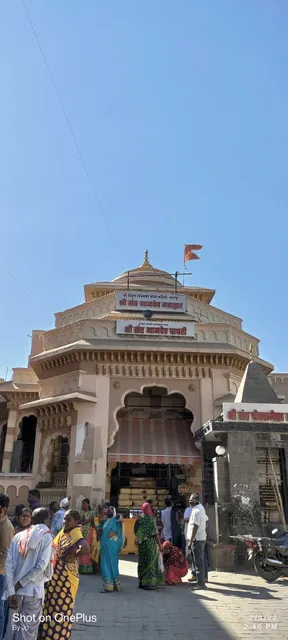
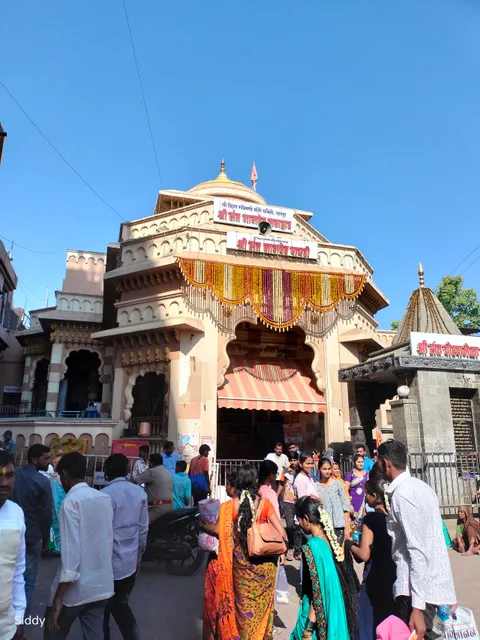
Read moreVitthal Mandir (also known as Vithoba or Panduranga Temple) in Pandharpur, Maharashtra, is one of the most celebrated pilgrimage sites in India, especially for devotees of Lord Vitthal, an incarnation of Lord Vishnu.
Origins and Historical Inscriptions: The earliest structure was erected around 1189 CE, under the patronage of Yadava king Bhillamma. However, significant developments and reconstructions are attributed to Hoysala King Vishnuvardhana (Bittideva) between 1108 and 1152 CE, guided by the legendary devotee Pundalik.
Legends: The temple’s founding is steeped in the story of Pundalik, whose deep devotion to his parents and service brought Lord Vitthal to Pandharpur, standing upon a brick handed by Pundalik—a symbol immortalized in the temple's main icon.
Architectural Evolution: The temple was expanded in the Hemadpanthi style in the late 13th century, noted for its use of stone and lime without mortar, distinctive of Maharashtra's medieval architecture. The temples suffered damage during invasions, with the idol believed to have been hidden in Vijayanagar and returned later. The present structure largely dates from the 17th century and was influenced by Deccan architectural motifs, sponsored by Maratha and regional dynasties.
Cultural Importance: The Varkari sect of Maharashtra and the Haridasa tradition of Karnataka are closely linked to Pandharpur’s devotional culture. Saint-poets like Dnyaneshwar, Namdev, Eknath, and Tukaram played a pivotal role in shaping the temple's spiritual legacy.
Architecture The main temple complex features six gateways. The east-facing Namdev gate is particularly popular.
The main sanctum holds a 3.5-foot black stone idol of Vitthala, adorned with a Shivalinga on the head and Kaustubha Mani around the neck.
The temple includes a deeply atmospheric quadrangular wooden hall with deepmalas (lamp towers), the Sola Khambi hall with 16 pillars, shrines to Rukmini, and other deities like Ganapati, Krishna, Rama, Vishwanath, and Dattatreya. Many structural elements feature Deccan-style domes and arches.
A unique aspect is the opportunity for devotees to touch the idol’s feet—a rare and cherished privilege for Hindu pilgrims.
Festivals and Rituals The temple is renowned for its grand festivals, most notably Ashadhi Ekadashi (June/July) and Kartiki Ekadashi (November), when tens of thousands of “Warkaris” converge in a musical and spiritual procession known as “Wari.” Other festivals like Navaratri, Diwali, and Holi are celebrated with passion.
Visitor Experience & Reviews Spiritual Atmosphere: Devotees consistently describe their visit as a life-changing spiritual experience, with many emphasizing the tranquillity and deep sense of divine presence inside the temple. The opportunity for the Padasparsha Darshan (touching the Lord’s feet) is frequently highlighted as profoundly moving.
Queue and Booking: The temple now has a well-organized system. Online booking for Darshan is available and recommended, especially on festival days or weekends, as lines for general entry can be long (2–3 hours on regular days, longer during festivals). Special instructions are to validate and stamp your online tickets before entry at the temple complex.
Facilities: Visitors appreciate the orderly queue system, clean temple surroundings, and helpful local guides and staff. The temple has made efforts to be inclusive, with access open to all castes and women priests appointed in recent years.
Nearby Attractions: In addition to the main temple, nearby sites include Rukmini Devi temple, Pundalik Mandir, Gopalpur Mandir, and Tulsi Brindavan, making day trips highly enriching for pilgrims. Quick Tips for Visitors Avoid visiting on major festivals unless intending to be part of the massive crowds.
Book online Darshan in advance and be mindful of entry procedures.
Use mobile lockers provided near the temple.
Local auto-rickshaw drivers can offer knowledgeable guidance for...
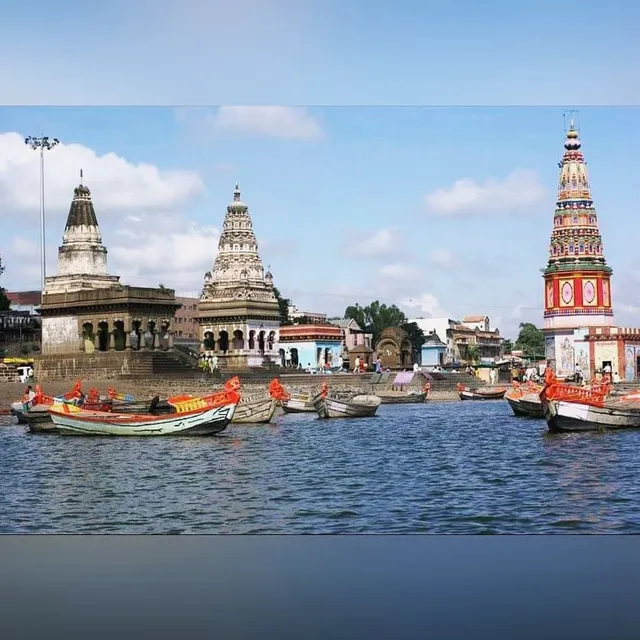
Read moreOne memoreble tour with my family, and I embarked on a deeply devotional and spiritual journey to Pandharpur. Recognized as one of the most significant pilgrimage sites in Maharashtra, Pandharpur is nestled on the sacred banks of the Chandrabhaga River and is home to Lord Vitthal and Goddess Rukmini This journey was not just a religious visit—it was a heartfelt, soul-touching experience, deeply connected with the centuries-old tradition of the Ashadhi Ekadashi Wari. Understanding the significance of the Wari became the highlight of our pilgrimage. According to the Hindu calendar, Ashadhi Ekadashi falls in June or July. On this auspicious day, lakhs of devotees from across Maharashtra and other states undertake a padyatra (pilgrimage on foot) to Pandharpur. The Wari has a history of over 700 years, beginning from revered spiritual centers like Dehu and Alandi, where the padukas (footwear) of saints like Sant Tukaram and Sant Dnyaneshwar are carried by devotees. Walking over 250 kilometers in 18 to 21 days, the devotees chant Vitthal’s name, sing devotional songs, and spread the message of unity and devotion. Although we didn’t walk in the Wari ourselves, being in Pandharpur during that time was an overwhelming experience. The entire town echoed with chants of “Vitthal Vitthal” and “Mauli Mauli.” As we stood in the queue for darshan (holy viewing) at the Vitthal-Rukmini temple, the black stone idol of Lord Vitthal—hands on his hips, waiting patiently for his devotees—captivated our hearts. The temple rituals were deeply symbolic and spiritually purifying. During abhishek, the idol is bathed with milk, ghee, and water. Devotees offer tulsi garlands, which are dearly loved by Lord Vitthal. Many perform pradakshina (circumambulation) of the temple and read from the Dnyaneshwari and Tukaram Gatha. The Wari has not only religious but also scientific and social relevance. Walking such long distances builds physical endurance, mental calm, and focus. Walking barefoot and singing in groups relieves stress. It fosters unity—breaking down barriers of caste, class, and language, as people walk, eat, stay, and pray together. It also promotes eco-friendly habits—avoiding plastic and emphasizing cleanliness. This yatra was not merely about faith in God—it was an experience that taught me faith as a lifestyle filled with love, discipline, and social harmony. The spiritual energy in the Vitthal-Rukmini temple and the unwavering devotion of the Warkaris became a turning point in my life. Though I left Pandharpur, my heart remained at the feet of Vitthal. As we stepped into the temple, a deep inner peace enveloped us. While waiting in line for darshan, our devotion intensified as we approached the sanctum. Witnessing Lord Vitthal standing on the brick beside Goddess Rukmini was deeply emotional and spiritually uplifting. One sacred spot is the Namdev Step—where Saint Namdev once stood chanting the name of the Lord. Devotees bow their heads there, feeling the powerful vibrations of devotion. Inside the temple, chants of “Vitthal Vitthal,” devotional singing, and group bhajans filled the air with divine energy. The entire atmosphere elevated the soul. Later, we went to the banks of the Chandrabhaga River. It is believed that bathing in this sacred river cleanses sins. Many devotees were seen performing rituals while singing hymns and praying, creating a serene, divine ambiance. We sat by the river meditating and reflecting. The sound of the gentle waves and distant prayers gave us profound peace. This Pandharpur yatra wasn’t limited to temple visits—it became a journey of inner awakening. The devotion of the Warkaris, the sanctity of the river, and the calm of the temple filled my soul with purity. By evening, we returned to Solapur (around 70 km away), and later that night, we boarded a train to Mumbai. Though we returned physically, spiritually, I remained in the sacred space...
Read more