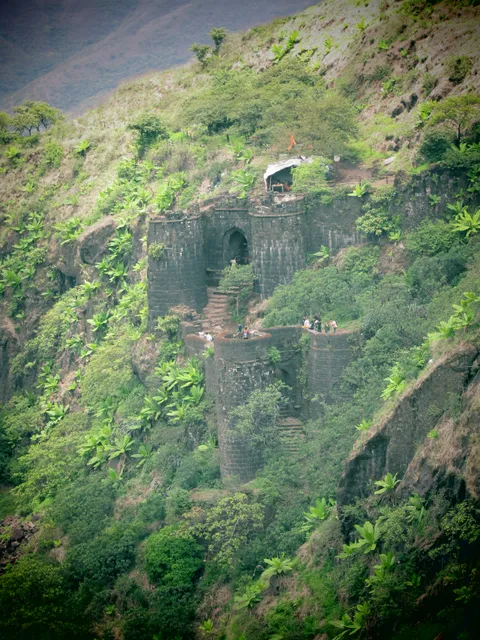
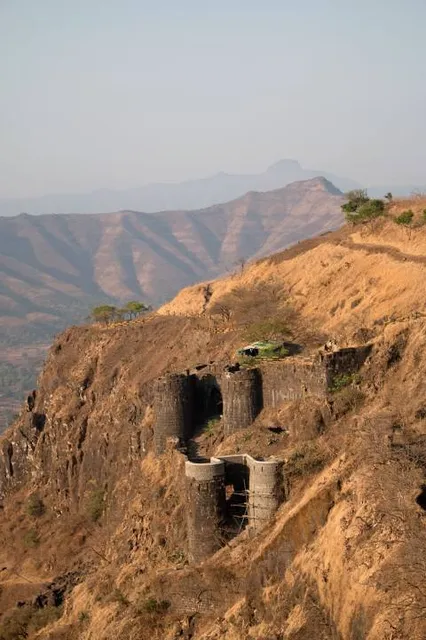
The site of Sinhagad Fort has been occupied since ancient times, with historical records suggesting that it was originally built around 2000 years ago. It was strategically positioned to overlook the surrounding valleys and provide a vantage point for defense.
The fort is most famously associated with the Maratha warrior king Shivaji Maharaj. It was under his control during the 17th century, and he famously recaptured it from the Mughals in 1670 in a daring night raid known as the Battle of Sinhagad.
Sinhagad Fort served as a key military outpost for the Marathas, offering protection and control over the surrounding region. Its elevated location provided a natural defense against enemy attacks.
The fort came under British control in the early 19th century following the Treaty of Bassein. It remained a military stronghold during the British colonial period.
Sinhagad Fort also holds significance in the Indian independence movement. It was a site of resistance against British rule, and many freedom fighters sought refuge within its walls.
Today, Sinhagad Fort is a popular tourist destination and a favorite trekking spot for locals and visitors alike. The fort offers panoramic views of the surrounding landscape and is dotted with historical structures, including gates, temples, and memorials.
The fort is easily accessible from Pune, located approximately 30 kilometers southwest of the city. Visitors can reach the base of the fort by road and then hike or drive to the summit.
The fort's history dates back over 2,000 years. It was initially known as "Kondhana" and was believed to have been built during the reign of the Yadava dynasty.
The fort gained prominence during the Maratha Empire under the leadership of Chhatrapati Shivaji Maharaj. In 1647, Shivaji captured the fort from the Adil Shahi dynasty and later expanded and fortified it. However, it was later ceded to the Mughals as part of a treaty.
One of the most famous events in the fort's history occurred in 1670 when Shivaji's general Tanaji Malusare and his troops undertook a daring nighttime assault to recapture the fort from the Mughals. Tanaji famously lost his life in the battle, but the Marathas emerged victorious.
Sinhagad Fort served as a crucial stronghold for the Marathas, offering strategic control over the surrounding region and serving as a key defense against enemy forces.
The fort came under British control in 1818 following the Third Anglo-Maratha War. It continued to be used as a military outpost during the British colonial period.
During the Indian independence movement, Sinhagad Fort was a site of resistance against British rule. It held symbolic significance for freedom fighters who sought refuge within its walls.
Today, Sinhagad Fort is a popular tourist destination and a favorite trekking spot for locals and tourists. Visitors can explore its historic structures, including gates, temples, and memorials, while enjoying panoramic views of the...
Read moreSinhagad Fort, located around 35 km from Pune city, is a historically rich and scenic destination. The fort can be reached by trekking or by road, making it accessible to all types of visitors. It takes approximately 1 to 1.5 hours by road from Pune, depending on traffic conditions.
History*
The fort derives its name "Sinhagad" (Lion's Fort) from the valiant act of Tanaji Malusare, one of Chhatrapati Shivaji Maharaj's trusted generals. Tanaji heroically recaptured the fort from the Mughals in the Battle of Sinhagad but lost his life in the process. It is said that Chatrapati Shivaji Maharaj remarked, "गड आला, पण सिंह गेला" ("The fort was won, but the lion was lost"), which gave the fort its name.
Experience
The fort is well-maintained, with clean premises and organized entry points. During our visit, we explored:
Tanaji Malusare Samadhi – A poignant reminder of the great warrior's sacrifice.
Kalyan Darwaja – A majestic ancient entrance showcasing the architectural brilliance of the Maratha period.
Rajaram Maharaj Samadhi – Dedicated to Chhatrapati Rajaram Maharaj, another noteworthy leader of the Maratha Empire.
Devtak Water Spring – Known for its refreshing and pristine water, it's a must-try for trekkers. • Maruti mandir The panoramic views of the surrounding Sahyadri hills were breathtaking, and the cool breeze made the experience memorable.
Food Options
We enjoyed a delicious local Maharashtrian lunch at the fort for just ₹150 per plate, which included:
2 Bhakris (a traditional flatbread),
Bharli Vangi (Baingan Bharta),
Sprout Bhaji,
Rice,
Chutney,
A bowl of curd (₹30 extra but worth it).
The food was fresh, simple, and satisfying, giving an authentic local experience.
Other Points to Explore Spectacular views of the Khadakwasla Dam. Many shaded spots perfect for relaxing after a trek. Vendors selling fresh lime juice, kokum sherbet, and other local snacks.
This fort is a must-visit spot near Pune. The trek route is especially enjoyable, and the road route ensures convenience. The cleanliness and maintenance are commendable, making it suitable for families and solo travelers alike.
Pro Tip: Visit early in the morning to avoid crowds and enjoy the stunning sunrise...
Read moreSinhagad Fort: A Timeless Citadel Amidst Nature
Sinhagad Fort, perched atop a rugged hilltop in the Sahyadri mountain range near Pune, India, stands as a testament to both history and natural beauty. Visiting this ancient fort is not just a journey through time but also a trek through picturesque landscapes.
Historical Significance: Originally known as Kondhana Fort, Sinhagad has witnessed several pivotal moments in Indian history. It was strategically important during the Maratha empire, notably defended by Tanaji Malusare in a legendary battle. The fort exchanged hands between Marathas and Mughals before finally falling under British rule.
Architectural Marvels: The fort's architecture reflects its military importance. Ruins of gates, bastions, and temples dot its periphery, each telling stories of past conflicts and daily life within its walls. The steep trek up to the fort adds to the allure, offering breathtaking views of the surrounding countryside.
Natural Beauty: Surrounded by lush greenery and mist-covered hills, Sinhagad Fort offers a retreat into nature. Monsoon transforms the landscape into a verdant paradise, making it a favorite among trekkers and nature enthusiasts. The trek itself is moderately challenging but rewarding, with panoramic vistas at every turn.
Visitor Experience: While the fort lacks modern amenities, its rustic charm is part of the appeal. Visitors can explore the remnants of historical structures, enjoy local delicacies at the base village, and experience the warmth of Maharashtrian hospitality. Sunrise and sunset are particularly magical, casting a golden hue over the fort's rugged terrain.
Practical Tips: To fully enjoy Sinhagad Fort, plan your visit during the cooler months (October to February) or the monsoon season (June to September). Wear comfortable trekking shoes, carry sufficient water, and be prepared for a moderate hike. Avoid weekends for a quieter experience.
Conclusion: Sinhagad Fort is not merely a historical site but a cultural emblem of Maharashtra. Its blend of history, architecture, and natural beauty offers a memorable experience for history buffs, trekkers, and anyone seeking a retreat into the past amidst stunning landscapes. A visit to Sinhagad Fort is an enriching journey through Maharashtra's rich heritage and...
Read more