Yavateshwar Mandir, located in Satara, Maharashtra, is a sacred Hindu temple dedicated to Lord Shiva. This ancient temple holds great spiritual significance and historical importance, attracting devotees and travelers from far and wide.
Spiritual Significance: Yavateshwar Mandir is believed to be one of the oldest temples in Satara, with its origins dating back several centuries. The temple is dedicated to Lord Yavateshwar, a form of Lord Shiva, and is revered by devotees for its sanctity and divine presence. It is a place of worship and pilgrimage for devout Hindus, who visit the temple to seek blessings, offer prayers, and perform religious rituals.
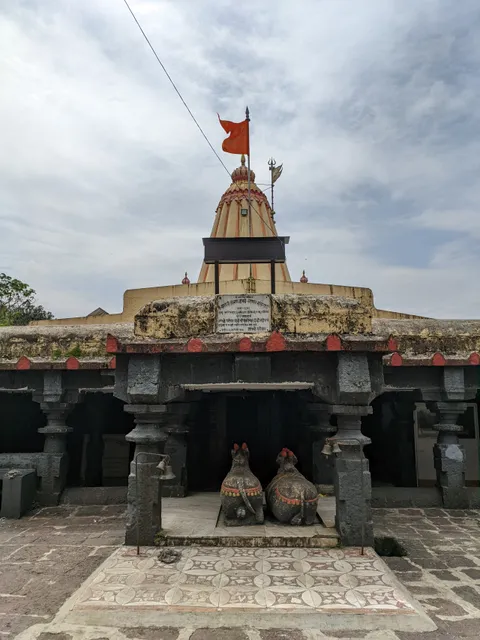
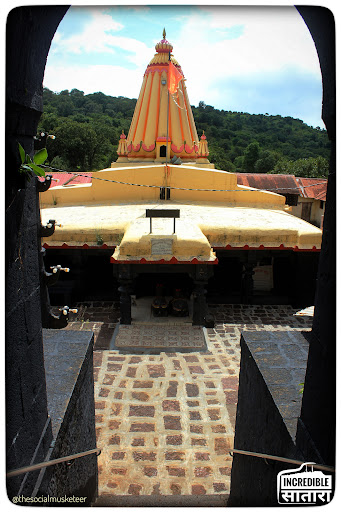
Architectural Marvel: The architecture of Yavateshwar Mandir is a testament to ancient Indian craftsmanship and architectural ingenuity. The temple is built in the traditional Hemadpanthi style, characterized by its stone-carved pillars, intricately sculpted walls, and ornate domes. The exquisite carvings depicting mythological motifs, celestial beings, and divine deities add to the temple's grandeur and beauty.
Historical Legacy: Yavateshwar Mandir has a rich historical legacy that is intertwined with the cultural heritage of Satara. Legend has it that the temple was constructed by the Maratha ruler Chhatrapati Shivaji Maharaj during the 17th century. It is said that Shivaji Maharaj visited the temple to seek the blessings of Lord Shiva before embarking on his military campaigns. Over the centuries, the temple has been a witness to various historical events and has played a significant role in the socio-cultural fabric of Satara.
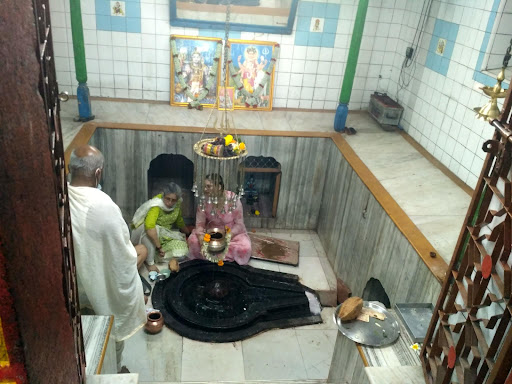
Spiritual Experience: Visiting Yavateshwar Mandir is not just a religious experience but also a spiritual journey for devotees. The serene ambiance, sacred rituals, and devotional chants create an atmosphere of peace and tranquility, allowing visitors to connect with their inner selves and experience a sense of spiritual upliftment. The temple's sanctum sanctorum, adorned with the divine idol of Lord Yavateshwar, radiates an aura of divinity and grace, inspiring reverence and devotion among devotees.
Pilgrimage Destination: Yavateshwar Mandir is a popular pilgrimage destination for devotees seeking solace and spiritual enlightenment. The temple attracts a large number of devotees, especially during auspicious occasions like Mahashivratri and Shravan month, when special prayers and rituals are performed to honor Lord Shiva. The temple complex also hosts various religious festivals and cultural events, adding to its vibrancy and significance as a religious hub in Satara.
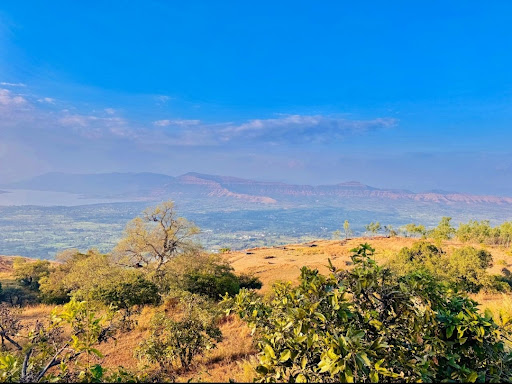
Surrounding Attractions: Apart from its spiritual allure, Yavateshwar Mandir is surrounded by natural beauty and scenic landscapes that add to its charm. The temple is nestled amidst lush greenery, rolling hills, and pristine water bodies, offering visitors a serene retreat amidst nature. The picturesque surroundings provide an ideal setting for meditation, introspection, and spiritual rejuvenation, making Yavateshwar Mandir a holistic destination for devotees and travelers alike.
In conclusion, Yavateshwar Mandir in Satara is not just a temple; it is a sacred abode of Lord Shiva that embodies spirituality, history, and architectural splendor. Whether you're a devout follower seeking blessings or a traveler exploring the cultural heritage of Satara, a visit to Yavateshwar Mandir promises a deeply enriching and spiritually fulfilling experience that transcends...
┬а┬а┬аRead moreThe Yavateshwar Temple in Satara, Maharashtra, is a lesser-known but revered temple dedicated to Lord Shiva. ItтАЩs set atop the scenic Yavateshwar Hill, making it popular not only for spiritual reasons but also for its beautiful surroundings. HereтАЩs an overview based on visitor experiences:
Spiritual Significance
Sacred Atmosphere: Devotees and visitors appreciate the calm, spiritual atmosphere of the temple. Many people feel a strong sense of peace and connection while visiting.
Historical Importance: This temple is believed to have historical roots, adding to its cultural significance in the region.
Architecture and Temple Structure
Simple Yet Elegant Design: Unlike some grand temples, Yavateshwar Temple is relatively simple in design. Its stone structure and the main Shiva Linga (symbol of Lord Shiva) make it appealing for devotees who appreciate minimalistic spiritual spaces.
Old-World Charm: The age of the temple adds a rustic charm that many visitors find appealing.
Natural Surroundings
Beautiful Hilltop Views: Set on Yavateshwar Hill, the temple offers panoramic views of the Satara district and the surrounding mountains. Many visitors come here for both worship and to enjoy the natural beauty.
Lush Greenery: The path leading up to the temple is surrounded by greenery, making it a peaceful and refreshing walk. ItтАЩs especially beautiful during the monsoon season when the landscape becomes lush and vibrant.
Accessibility and Trekking Experience
Accessible by Road: The temple is accessible by a good road, making it an easy drive from Satara. There is also ample parking available.
Short Hike Option: For those interested in trekking, some visitors opt to hike part of the way to experience nature more closely.
Visitor Amenities
Basic Facilities: The temple offers basic amenities for visitors, such as parking and drinking water, but itтАЩs a simple setup. There may not be many shops nearby, so visitors are advised to bring essentials.
Quiet and Less Crowded: Since itтАЩs not as popular as larger temples, Yavateshwar Temple is less crowded, making it ideal for those looking for a more private and serene worship experience.
Final Thoughts:
Yavateshwar Temple is highly recommended for those seeking a peaceful, spiritual experience amidst nature. With its serene hilltop location and rustic charm, itтАЩs a beautiful spot to visit if youтАЩre in Satara. ItтАЩs also perfect for anyone who enjoys combining spirituality with a love for nature and...
┬а┬а┬аRead moreрдпрд╡рддреЗрд╢реНрд╡рд░ рдордВрджрд┐рд░ рд╣реЗ рднрд╛рд░рддрд╛рддреАрд▓ рдорд╣рд╛рд░рд╛рд╖реНрдЯреНрд░рд╛рддреАрд▓ рд╕рд╛рддрд╛рд░рд╛ рдЬрд┐рд▓реНрд╣реНрдпрд╛рддреАрд▓ рд╕рд╛рддрд╛рд░рд╛ рддрд╛рд▓реБрдХреНрдпрд╛рддреАрд▓ рдпрд╡рддреЗрд╢реНрд╡рд░ рдЧрд╛рд╡рд╛рдд рд╕реНрдерд┐рдд рднрдЧрд╡рд╛рди рд╢рд┐рд╡рд╛рд▓рд╛ рд╕рдорд░реНрдкрд┐рдд рдПрдХ рд╣рд┐рдВрджреВ рдордВрджрд┐рд░ рдЖрд╣реЗ. рд╣реЗ рдордВрджрд┐рд░ рдкрд╢реНрдЪрд┐рдо рдШрд╛рдЯрд╛рдЪреНрдпрд╛ рдкрд░реНрд╡рдд рд░рд╛рдВрдЧреЗрдд рд╡рд╕рд▓реЗрд▓реЗ рдЖрд╣реЗ. рд╣реЗ рдордВрджрд┐рд░ рд╕рдореБрджреНрд░рд╕рдкрд╛рдЯреАрдкрд╛рд╕реВрди рд╕реБрдорд╛рд░реЗ 2500 рдлреВрдЯ рдЙрдВрдЪреАрд╡рд░ рдЖрд╣реЗ. рд╣реЗ рдордВрджрд┐рд░ 13 рд╡реНрдпрд╛ рд╢рддрдХрд╛рдд рджреЗрд╡рдЧрд┐рд░реАрдЪреНрдпрд╛ рд╕реЗрдЙрдирд╛ рдпрд╛рджрд╡ рд░рд╛рдЬрдШрд░рд╛рдгреНрдпрд╛рдиреЗ рдмрд╛рдВрдзрд▓реЗ рдЕрд╕реЗ рдорд╛рдирд▓реЗ рдЬрд╛рддреЗ. рд╣реЗ рдордВрджрд┐рд░ рднрд╛рд░рддреАрдп рдкреБрд░рд╛рддрддреНрд╡ рд╕рд░реНрд╡реЗрдХреНрд╖рдгрд╛рдиреЗ рдШреЛрд╖рд┐рдд рдХреЗрд▓реЗрд▓реНрдпрд╛ рдорд╣рд╛рд░рд╛рд╖реНрдЯреНрд░рд╛рддреАрд▓ рд░рд╛рдЬреНрдп рд╕рдВрд░рдХреНрд╖рд┐рдд рд╕реНрдорд╛рд░рдХрд╛рдВрдкреИрдХреА рдПрдХ рдЖрд╣реЗ. рд╣реЗ рдордВрджрд┐рд░ рдкреВрд░реНрд╡рд╛рднрд┐рдореБрдЦ рдкреНрд░рд╡реЗрд╢рджреНрд╡рд╛рд░ рдХрдорд╛рдиреАрд╕рд╣ рдЖрд╣реЗ. рдкреНрд░рд╡реЗрд╢рджреНрд╡рд╛рд░рд╛рдЪреНрдпрд╛ рдХрдорд╛рдиреАрддреВрди рдкрд╛рдпрд▒реНрдпрд╛ рдЙрддрд░реВрди рдордВрджрд┐рд░рд╛рдд рдкреНрд░рд╡реЗрд╢ рдХрд░рддрд╛ рдпреЗрддреЛ. рдордВрджрд┐рд░рд╛рдЪреНрдпрд╛ рддрд│рд╛рд╢реА рдЧреЗрд▓реНрдпрд╛рд╡рд░ рдбрд╛рд╡реНрдпрд╛ рдмрд╛рдЬреВрд▓рд╛ рджреАрдкрд╕реНрддрдВрдн рдЖрд╣реЗ. рдордВрджрд┐рд░ рд╣реЗрдорд╛рдбрдкрдВрдереА рд╕реНрдерд╛рдкрддреНрдп рд╢реИрд▓реАрдЪреЗ рдЕрдиреБрд╕рд░рдг рдХрд░рддреЗ. рдордВрджрд┐рд░рд╛рдд рдЧрд░реНрднрдЧреГрд╣, рдЕрдВрддрд░рд╛рд│, рд╕рднрд╛ рдордВрдбрдк рдЖрдгрд┐ рдореБрдЦ рдордВрдбрдк рдЖрд╣реЗ. рдЧрд░реНрднрдЧреГрд╣рд╛рдд рдкреНрд░рдореБрдЦ рджреЗрд╡рддрд╛, рдпрд╡рддреЗрд╢реНрд╡рд░ рд╣реЗ рд╢рд┐рд╡рд▓рд┐рдВрдЧрд╛рдЪреНрдпрд╛ рд░реВрдкрд╛рдд рд╡рд┐рд░рд╛рдЬрдорд╛рди рдЖрд╣реЗ. рднрдЧрд╡рд╛рди рд╣реЗ рд╕реНрд╡рдпрдВрднреВрдореВрд░реНрддреА (рд╕реНрд╡рддрдГ рдкреНрд░рдХрдЯ) рдЖрд╣реЗрдд. рдирдВрджреА рдордВрдбрдкрд╛рдд рдЧрд░реНрднрдЧреГрд╣рд╛рдХрдбреЗ рддреЛрдВрдб рдХрд░реВрди рдирдВрджреАрдЪреНрдпрд╛ рджреЛрди рдореВрд░реНрддреА рджрд┐рд╕рдгреЗ рд╣реЗ рдЕрджреНрд╡рд┐рддреАрдп рдЖрд╣реЗ. рдордВрджрд┐рд░ рдкрд░рд┐рд╕рд░рд╛рдд рдХрд╛рд│рднреИрд░рд╡рдирд╛рде, рдЧрдгреЗрд╢ рдЖрдгрд┐ рдкрд╛рд░реНрд╡рддреАрдЪреА рддреАрд░реНрдерд╕реНрдерд╛рдиреЗ рдЖрд╣реЗрдд. рдордВрджрд┐рд░рд╛рдЪреНрдпрд╛ рдорд╛рдЧреЗ рдкрд╛рдпрд▒реНрдпрд╛рдВрдиреА рдкреНрд░рд╡реЗрд╢ рдХрд░рдгреНрдпрд╛рд╕рд╛рдареА рдХреБрдВрдб (рдкрд╛рдгреНрдпрд╛рдЪреА рдЯрд╛рдХреА) рдЖрд╣реЗ. рдорд╣рд╛рд╢рд┐рд╡рд░рд╛рддреНрд░реА рдЖрдгрд┐ рд╢реНрд░рд╛рд╡рдг рдорд╣рд┐рдиреНрдпрд╛рддреАрд▓ рд╕реЛрдорд╡рд╛рд░ рдпреЗрдереЗ рдореЛрдареНрдпрд╛ рдЙрддреНрд╕рд╛рд╣рд╛рдд рд╕рд╛рдЬрд░реЗ рдХреЗрд▓реЗ рдЬрд╛рддрд╛рдд. Yavateshwar Temple is a Hindu Temple dedicated to Lord Shiva located at Yavateshwar Village in Satara Taluk in Satara District in Maharashtra, India. The temple is situated in the western ghats mountain range. The temple is situated at about 2500 feet above the mean sea level. The temple is believed to be built in 13th century CE by the Seuna Yadav Dynasty of Devagiri. The temple is one of the state protected monuments in Maharashtra declared by Archaeological Survey of India. This temple is facing towards east with an entrance arch. The temple can be accessed by climbing down flight of steps from the entrance arch. There is a deepa sthamba situated on the left side immediately after reaching the floor level of the temple. The temple follows Hemadpanthi style of architecture. The temple consists of sanctum, antrala, sabha mandapa and mukha mandapa. The sanctum enshrines the presiding deity, Yavateshwar in the form of Shiva Linga. Lord is a Swayambhu Moorthy (self-manifested). It is unique to notice two idols of Nandi in the nandi mandapa facing towards the sanctum. There are shrines for Kala Bhairavnath, Ganesha and Parvati in the temple premises. There is a kund (water tank) accessed by steps behind the temple. Maha Shivaratri and Mondays on Shravan month are celebrated here with...
┬а┬а┬аRead more