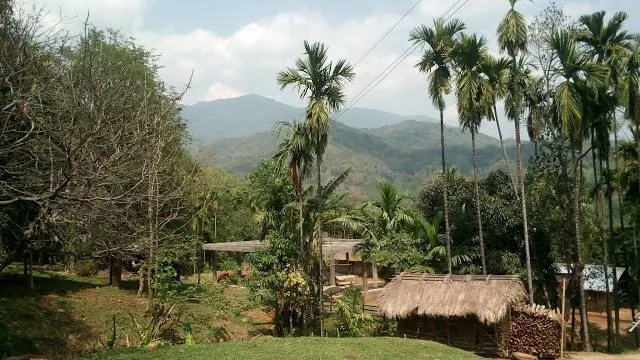
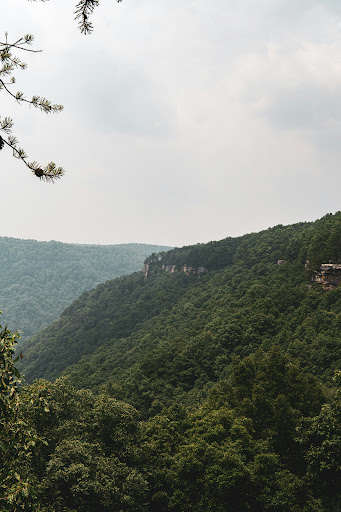
One of the main attractions of Meghalaya is the abundance of flora and fauna. Meghalaya's subtropical forest ecoregion is home to several species of birds, animals, reptiles and amphibians. The Nokrek National Park in Meghalaya is a habitat to several of these species and is situated in the Garo Hills district 2 kms from Tura Peak.
Covering an expansive area, the reserve is one of the least disturbed forest tracts of the sub-Himalayan ranges. It is the first biosphere reserve of its kind in the northeast region. The Garo Hills contain many natural limestone caves, the most famous among which is the Siju Cave. It is positioned very near to the Nophak Lake near the Simsang River game reserve. The cave is miles long and full of water.
Commonly observed animals in the park are Capped Langur, Clouded Leopard, Leopard Cat, Fishing-Cat, Golden Cat, Pangolin, Wild Buffalo, Python, Elephant, Serow and Tiger. One can also spot here birds such as Hornbill, Peacock, Pheasant, Hollock and many more. The salt deposits found in Arebellagre village, about 45 kms from Tura, also attract Green Pigeons during March and April. The nearest town to the Nokrek National Park is William Nagar at a distance of about 15 km. The railhead Guwahati is about160 km from the park. The nearest airport is Guwahati located at a distance of 170 km...
Read moreNokrek National Park is located in the West Garo Hills district of Meghalaya, India. Here are some key features of the park:
Establishment: Declared a national park in 1986.
Location: Situated in the northeastern state of Meghalaya, it is part of the Garo Hills and is close to the Bangladesh border.
Biosphere Reserve: Nokrek is a core area of the Nokrek Biosphere Reserve, recognized by UNESCO in 2009 for its rich biodiversity.
Biodiversity: The park is known for its diverse flora and fauna, including various species of orchids, medicinal plants, elephants, red pandas, hoolock gibbons, and a variety of bird species.
Sacred Groves: Nokrek National Park is home to ancient sacred groves, considered sacred by the local Garo tribes, adding cultural significance to the area.
Conservation: The park plays a crucial role in conserving the unique ecosystems and endangered species in the region.
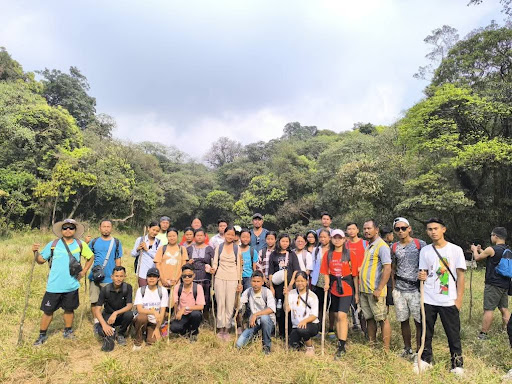
Trekking: Visitors can explore the park through trekking trails, providing an opportunity to experience its natural beauty and...
Read moreNokrek National Park, the core area of Nokrek Biosphere Reserve, is a national park located approximately 2 km from Tura Peak in West Garo Hills district of Meghalaya, India. UNESCO added this National park to its list of Biosphere Reserves in May 2009.1 Along with Balpakram national park, Nokrek is a hotspot of biodiversity in Meghalaya.Nokrek has a remnant population of the red panda that has generated curiosity across the world. One was accidentally shot by Dr J. Lao in 1960s.4 Nokrek is also an important habitat of the Asian elephant.[6] The park had eight species of cats, ranging from tiger to marbled cat but the current status of the former is uncertain.[7]
There are seven species of primates in Nokrek. The rare stump-tailed macaque is frequently seen near the main trek to the peak.[8] The pig-tailed macaque also occurs.[9] Hoolocks are common and their calls could be heard all...
Read more