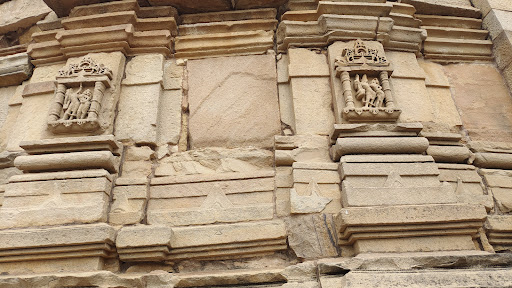
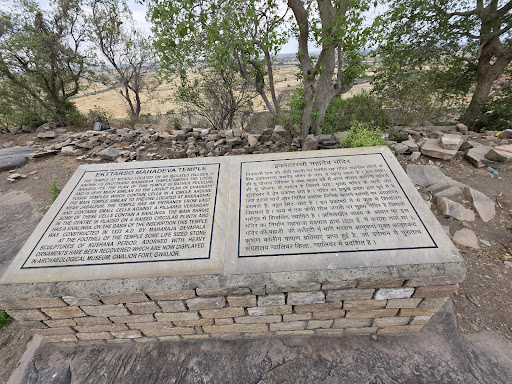
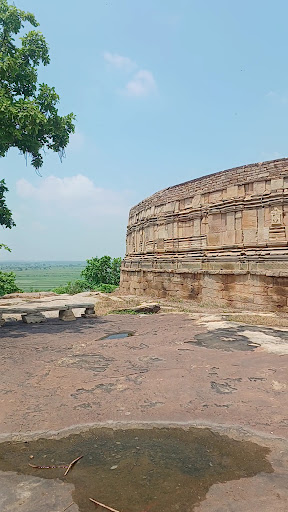
Ekattarso Mahadev Mandir in Gwalior is a splendid testament to India's rich historical and architectural heritage. This ancient temple complex exudes an aura of spirituality while showcasing remarkable craftsmanship that transports visitors back in time. Having recently visited this site, I can attest to its awe-inspiring beauty and cultural significance.
The roots of Ekattarso Mahadev Mandir can be traced back to the 11th century, during the reign of the Kachchhapaghata dynasty. The temple complex, also known as "Sahasrabahu Temple," derives its name from the colossal statue of Lord Shiva with eighty-one (ekattarso) arms, an awe-inspiring depiction of divine power. The intricate architecture of the temple is a blend of Pratihara, Paramara, and Gupta styles, reflecting the amalgamation of influences from various historical periods.
As you step into the temple premises, the magnificent carvings on the walls and pillars narrate stories from Hindu mythology. The sculptures portraying deities, celestial beings, and intricate floral motifs are a testament to the exceptional craftsmanship of the artisans of that era. The sanctum sanctorum houses a captivating Shivalinga, the focal point of devotion for countless pilgrims over centuries.
One piece of advice for fellow travelers would be to plan your visit during the monsoon season. The lush greenery that envelopes the temple complex during this time adds an enchanting touch to the overall experience. The rain-kissed surroundings only serve to enhance the grandeur of the site, creating a serene atmosphere that is perfect for reflection and appreciation.
While Ekattarso Mahadev Mandir offers a truly remarkable experience, it's important to mention that the preservation of this heritage site is of paramount importance. I echo the sentiment that visitors and the responsible authorities must collectively ensure that the area remains free from litter and debris. By maintaining the cleanliness of the surroundings, we contribute to the dignity and sanctity of this sacred place.
In conclusion, Ekattarso Mahadev Mandir is a treasure trove of history and art that demands a visit from every traveler with an appreciation for India's past. Whether you're a history enthusiast, a spiritual seeker, or simply someone who admires architectural brilliance, this place will undoubtedly leave an indelible mark on your heart and mind. Let's continue to treasure and preserve this heritage so that generations to come can experience the magnificence that Ekattarso Mahadev...
Read moreTHE YOGINI Temples of India celebrated the feminine. They were built in a circular style, adorned with exquisite feminine figures, and roofless—open to the natural world. This was a time when female temple dancers, bejeweled and sensuous, danced and sang in the temples, and were bound to the deity, not to any one man.
The Chausath Yogini Temple of Mitaoli was one such temple. Constructed in the 11th century, near Gwalior in Madhya Pradesh, it is one of the few remaining Yogini Temples still in good condition. Built on a hillock, it commands an impressive vista. The circular wall has 64 (“chausath” means 64) chambers that once held statues of female forms. In the center is an open courtyard with a pavilion for public rituals, including dancing. The chambers today hold Shiva Lingams.
The temple is in a Seismic Zone 3, and has withstood the many earthquakes over the centuries without any damage—probably owing to its circular structure. This feature may have been one of the reasons that the Indian Parliament House in Delhi, built by the British in the 1920s, was inspired by the Chausath Yogini Temple of Mitaoli and also built in a circular style. The architectural similarities between the buildings are well noted.
According to Indian mythologist Devdutt Patanaik, this is ironic as the British suppressed goddess worship in India, and saw temple dancers as prostitutes, not believing they could have agency over their lives or bodies. They ushered in an era of patriarchal puritanism that reduced women’s rights and delegitimized the feminine hold over temple rituals and temple wealth, already eroded by centuries of Mughal rule.
A Yogini is a female practitioner of Yoga, and they represent universal, divine energy that exists in all things. They are the embodiment of spiritual grace and harmony. The Yogini Temples, like the one at Mitaoli, were built by ancient architects who “imagined the temple as the reclining body of a languid woman. Temples were an architectural celebration of sensuality and fertility,” according to Patanaik.
Many visitors feel an aura of mystery at this Yogini Temple, and the others that have survived. There is very little known about them, so much has been lost to time. The Yogini Temple in Orissa still has the feminine figures intact, which gives us a better idea of how the Chausath Yogini Temple of Mitaoli may...
Read moreChausath Yogini Temple is a significant historical and religious site in India, known for its unique architectural design and its association with ancient worship practices. It is dedicated to the 64 Yoginis, who are considered powerful female deities in Hinduism, particularly associated with Tantra and the worship of the Divine Feminine. The temple is located in Madhya Pradesh, near the town of Gwalior and is perched on a hill, offering panoramic views of the surrounding area.
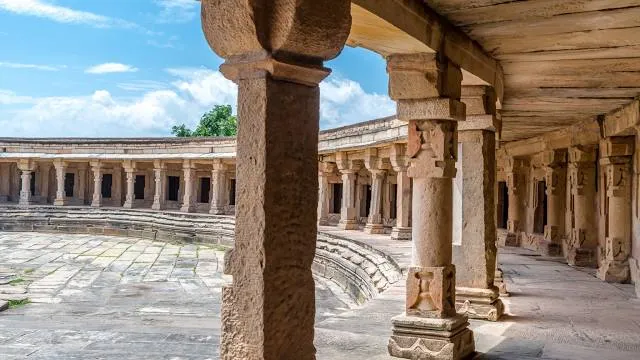
Key Features: Architecture: The temple follows the architectural style of Shakti worship and features a circular open courtyard. There are 64 small shrines around the courtyard, each dedicated to one of the 64 Yoginis, arranged symmetrically. The central area usually houses the idol of a principal deity, often Kali or Durga. Religious Significance: The Chausath Yogini Temple is dedicated to the Yoginis, who are said to represent the power of the Divine Mother and are worshipped for their spiritual potency. The temple’s unique design reflects the idea of feminine strength and power. History: The temple is believed to have been built during the 9th or 10th century by the Kalachuri dynasty, with some sources suggesting that it was constructed around the 10th century under the reign of the rulers of the region. The temple is part of a tradition of Yogini temples that were built across India. Pilgrimage Site: The temple is a significant site for pilgrims, particularly for those following the Tantric traditions. It is believed that worshipping the Yoginis can bring spiritual power and protection.
Cultural and Spiritual Importance: The Chausath Yogini Temple not only attracts religious devotees but also scholars and tourists due to its architectural and historical importance. The temple is often linked to tantric practices and the concept of Shakti, the feminine principle of divine energy, which is central to many Hindu philosophies.
This temple stands as a testament to the rich spiritual heritage of India and the reverence for feminine divinity. Its serene location, intricate carvings, and profound symbolism make it an iconic destination for those interested in history, religion, and...
Read more