🛑 Ashoka's Kalinga Rock edict: beacon of Pacifism and peace Everyone knows about Samrat Ashoka but very few know about a British Genius named mr JAMES PRINCERP who in his very short lifespan of 41 years ( 1799 - 1840 CE) was able to decipher almost all the major , minor, pillar edicts of Ashoka written in Brahmi, pali and Khorasani that too without a formal training in archeology nor Linguistics. Devanampiya Piyadassi Chakravatin Samrat Ashoka Bindusara Maurya ruled a major part of Northern India, Afghanistan, from 268 - 232 BCE ( 36 years) from his capital at PataliputraMaghada janapada The sequence of events that followed after the death of King Bindusara in 272 BCE till 268 BCE is called the "Mauryan civil war" between ashoka and his brothers , Sushima being prominent among them. The mauryan civil war and the initial years following Asokas coronation unleashed the ferocious , violent side of Ashoka called " Chanda Ashoka," who was infamous for torturing his enemies and brutal suppression of dissent.
💀💀 In 262 BCE , in his 8th reginal year, Chanda Ashoka invaded kingdom pf Kalinga, leading to a very brutal and inhuman battle between the large mauryan army and the brave kalingans leaving 100000 deaths, and wounded. The river Daya near the Dhauli battlefield turned red with blood of the warriors. Kalinga was destroyed. However, this large-scale manslaughter led Ashoka to rethink his approach towards life. Ashoka was deeply moved by the violence and gradually drifted towards Buddhism, ultimately converting him into a very benevolent, pacifist king called Dhamma Ashoka. Samrat Ashoka dedicates the remaining years of his life towards following, preaching, and propagation of Buddhism throughout India, Afghanistan, srilanka, and Eastern countries till his death in 232 BCE.
🛑 Kalinga major rock edict : Major rock edicts are the ones who have 14 or more proclamations mentioned. kalinga edicts mentions the deleterious consequences of unjust imprisonment and torture, which are the result of inconsistency and haste in carrying out ones duties . " SAVE MUNISE PAJA MAMA " ---- all men are my children. Ashoka's rock edicts proclaim change of human attitude from ' BHERIGHOSH' or drumbeats of war to ' DHAMMAGHOSHA' or proclamation of just rule and peace.
🛑Ashoka's dhamma definition -- absence of causes of sin, abundance of good deeds , pity , purity ,giving and truthfulness [ DAYA - DANE - SACCHE- SOCHAYE]
🛑🛑Major Rock Edict XIII --- It is located in girnar and Shahbazgadi in pakistan . Mentions victory over Kalinga and also remorse and forgiveness for the manslaughter of kalinga war . Mentions Ashoka’s Dhamma victory over Greek Kings Antiochus of Syria (Amtiyoko), Ptolemy of Egypt (Turamaye), Magas of Cyrene (Maka), Antigonus of Macedon (Amtikini), Alexander of Epirus (Alikasudaro). Also mentions Pandyas, Cholas, etc. The thirteenth rock edict, which was issued at the end of the Kalinga war, gives a vivid picture of the change of Ashoka from an aggressive and violent warrior to a great lover and preacher of peace. The direct effect of the Kalinga war was the conversion of Ashoka to Buddhism in his 12 reginal year , 4 years after Kalinga. Although no major rock edicts,mention the conversion.
Although there are more historical questions than there are answers about samrat Ashoka and his legacy, but it is an undeniable fact that the Ashokas rock edicts were the beacons of Pacifism and peace untill along came a king named Pushyamitra Shunga in late 2nd centuryBCE,who almost destroyed everything what Ashoka had built except his message of peace and his pacifist ideology.
Dr amol...
Read moreSUMMARY OF THE CONTENTS OF THE ASHOKAN EDICTS ARE AS FOLLOWS R.E. I-Prohibition of the killing of animals in the kingdom including his royal kitchen and imposition of restrictions on festive occasions (samaja). ஆர்.இ. I, ராஜ்ய சமையறையில் விலங்குகளை கொல்வதைத் தடை செய்தல் மற்றும் அவரது அரச சமையலறை மற்றும் இராஜியத்தில், பண்டிகை நிகழ்வுகள் உள்பட அனைத்திலும் கட்டுபாடுகள் விதிக்கப்பட்டது. R.E. II- Arrangements were made both for human and animal beings for medicinal treatments and plantation of medicinal herbs both in his and bordering kingdoms. Planted trees and dug wells on the road sides ஆர்.இ. II - மனிதர்களுக்கும் விலங்குகளுக்கும் மருத்துவ சிகிச்சைகள் மற்றும் மருத்துவ மூலிகைகளை நடவு செய்வதற்கான ஏற்பாடுகள் அவரது மற்றும் எல்லையோர ராஜ்யங்களில் சாலை ஓரங்களில் மரங்களை நட்டு, கிணறுகளை தோண்டினார். R.E. III - Ordered his officials to set on tour every five years to propagate moral codes among his subjects. ஆர்.இ. III - தனது குடிமக்களிடையே தார்மீக நெறிமுறைகளைப் பரப்புவதற்காக தனது அதிகாரிகள் ஒவ்வொரு ஐந்து ஆண்டுகளுக்கும் சுற்றுப்பயணம் மேற்கொள்ள உத்தரவிட்டார். R.E. IV- Ordered his officials to promote the practice of morality and compassion among his subjects and wished that these practices would be followed by his descendants ஆர்.இ. IV- அவரது குடிமக்களிடையே ஒழுக்கம் மற்றும் இரக்கத்தின் நடைமுறையை ஊக்குவிக்குமாறு தனது அதிகாரிகளுக்கு உத்தரவிட்டார், மேலும் இந்த நடைமுறைகளை அவரது சந்ததியினர் பின்பற்ற வேண்டும் என்று விரும்பினார். R.E. V -Appointed Mahamatras from all sects to establish and promote morality. ஆர்.இ. V- அறநெறியை நிலைநாட்டவும் மேம்படுத்தவும் அனைத்துப் பிரிவுகளிலிருந்தும் மகாமாத்ராக்களை நியமித்தார். E. VI- Ordered his officers to report on his matters of administration related to the affairs of the people at all times and at all places. ஆர்.இ. - எல்லா நேரங்களிலும் மற்றும் எல்லா இடங்களிலும் மக்கள் விவகாரங்கள் தொடர்பான தனது நிர்வாக விஷயங்களைப் பற்றி அறிக்கையிடுமாறு தனது அதிகாரிகளுக்கு உத்தரவிட்டார். R.E. VII - Self-control and purity of mind are objects of attainment for all sects. ஆர்.இ. VII - சுயக்கட்டுப்பாடு மற்றும் மனத்தூய்மை அனைத்து பிரிவினருக்கும் அடையும் பொருள்கள். R.E. VIII - On the tenth year of his anointment, he went out to Sambodhi which was followed by visit to the Brahmanas and Sramanas, helped the poor and propagate morality. ஆர்.இ. VIII- அவரது பத்தாவது ஆண்டில் அவர் சம்போதியை விட்டு வெளியேறினார், அதைத் தொடர்ந்து ஏழைகளுக்கு உதவியது மற்றும் ஒழுக்கத்தைப் பரப்பியது. R.E. IX- Recommended the practice of morality consisting of courtesy to slaves and servants, reverence to elders, gentleness to animals and liberality to Brahmanas and Sramanas. ஆர்.இ. IX- அடிமைகள் சித் வேலையாட்களுக்கு மரியாதை, முதியவர்களிடம் மரியாதை, விலங்குகளிடம் மென்மை மற்றும் பிராமணர்கள் மற்றும் ஸ்ரமணர்களிடம் ஒழுக்கம் ஆகியவற்றை உள்ளடக்கிய ஒழுக்க நடைமுறையை பரிந்துரைக்கிறது. R.E. X- Proclaimed that morality is the only act of fame and glory. ஆர்.இ. X-, புகழ் மற்றும் புகழுக்கான அறநெறி செயல் மட்டுமே என்று பிரகடனம் செய்தது. R.E. XIV- Inscribed way of morality at various places in his vast empire according to the subject matter and places. ஆர்.இ. XIV - அவரது பரந்த சாம்ராஜ்யத்தின் பல்வேறு இடங்களில் நெறிமுறையின் படி...

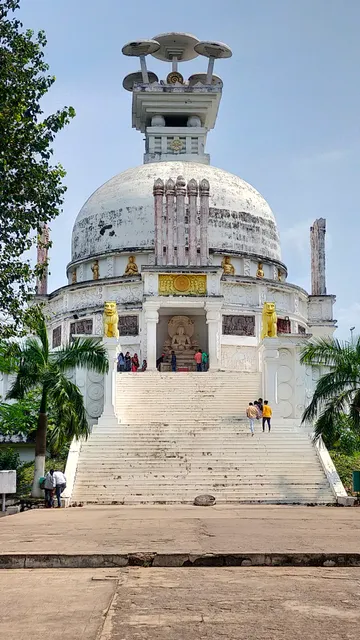
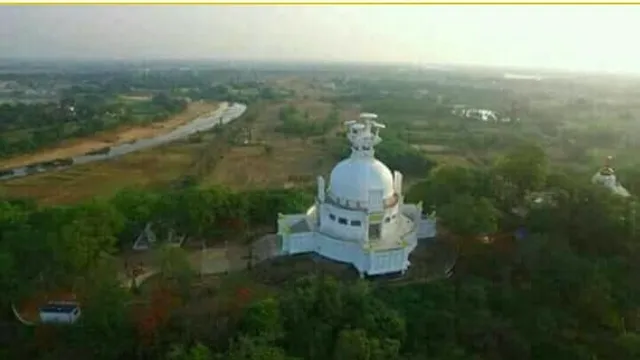
Read moreDhauli Hill or Dhauligiri is located on the left banks of river Daya, a tributary of Mahanadi, and situated about 10 km from Bhubaneswar.
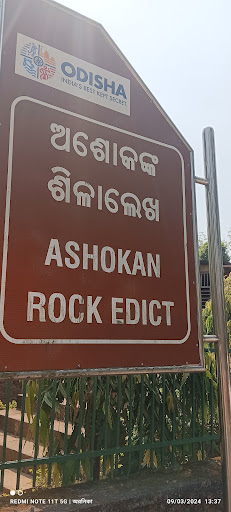
Markham Kittoee discovered the famous Ashokan edicts at Dhauli in 1833. Rock Edicts numbering I-X and XIV are found here. Edicts XI-XIII are replaced by two special edicts, known as Kaling Edict I and Kalinga Edict II. Edict XIII mentions about the Kalinga war and death toll in the same.
The two separate Kalinga edicts are about specific instructions from Ashoka to his local officers and princes on maintaining their conduct in the newly conquered territory. In order to earn trust among his conquered subjects, Ashoka instructed his officers to avoid any harassment, unjust punishment, or forceful subjection. He announced that “All men are my children”, and like he wishes welfare and happiness for his own children, he wishes the same for all men, in this lif...
Read more