Bhitarkanika National Park, located in the Kendrapara district of Odisha, India, is one of the most significant biodiversity hotspots in the country. It is famous for its dense mangrove forests, estuarine crocodiles, rich avian population, and diverse aquatic life. The park is part of the Bhitarkanika Wildlife Sanctuary and is known for being the second-largest mangrove ecosystem in India after the Sundarbans.
Key Highlights
Location and Geography
Geographical Coordinates: 20.6°N latitude and 86.9°E longitude.
Spread Across: 145 square kilometers of core national park area, with an overall sanctuary covering 672 square kilometers.
River Systems: The park is surrounded by Brahmani, Baitarani, Dhamra, and Patasala rivers, creating an estuarine ecosystem ideal for diverse flora and fauna.
Mangrove Forests: It houses 58 species of mangroves, serving as a crucial breeding and feeding ground for various aquatic species.
Wildlife & Biodiversity
Bhitarkanika is famous for its estuarine crocodiles (saltwater crocodiles) and supports a wide range of wildlife, including:
(a) Reptiles
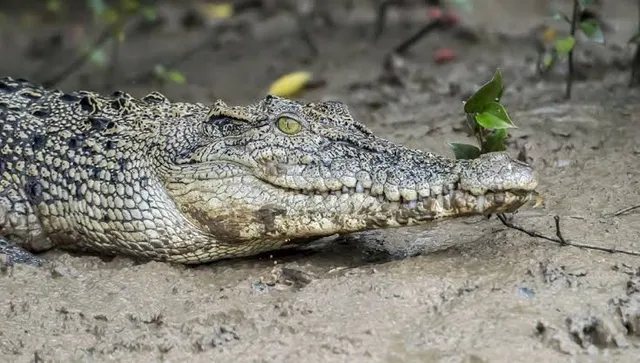
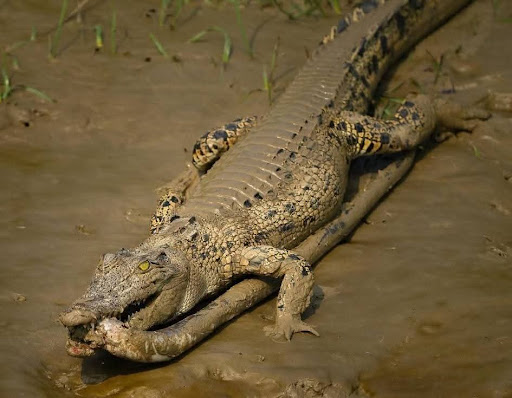
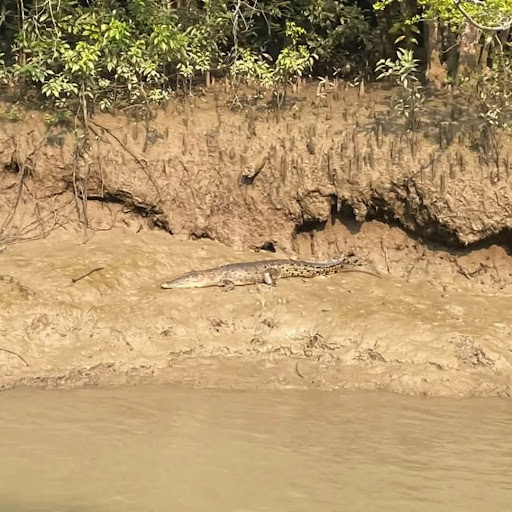
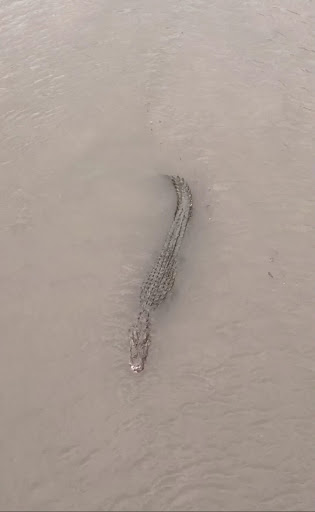
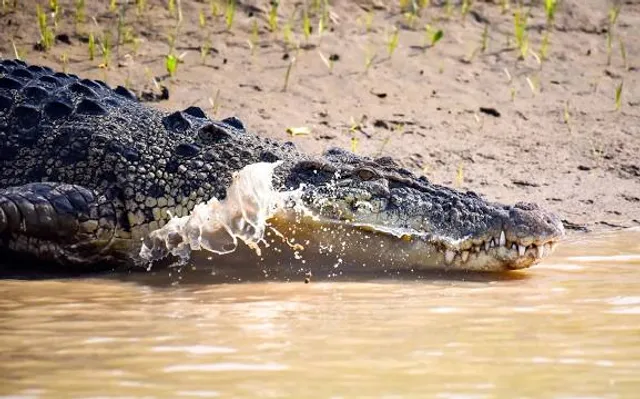
Saltwater Crocodiles (Crocodylus porosus): The park has one of the highest densities of estuarine crocodiles in India, with over 1,800 crocodiles as per recent census reports.
Indian Python, King Cobra, Water Monitor Lizard
(b) Mammals
Spotted Deer, Wild Boars, Jackals, and Rhesus Macaques are commonly found.
Leopards and Fishing Cats have also been reported in some areas.
(c) Birds
Declared a Ramsar Wetland Site in 2002, Bhitarkanika is a haven for migratory and resident birds.
Famous Birds: White-bellied Sea Eagle, Grey Heron, Black Ibis, Darters, Open-billed Storks, and Kingfishers.
Winter Migration: Thousands of birds migrate from Central Asia and Europe to nest in Bhitarkanika.
(d) Marine and Amphibian Life
The river estuaries and tidal mudflats are rich in mudskippers, fiddler crabs, prawns, and fishes.
Olive Ridley Turtles, known for their mass nesting (Arribada), visit nearby Gahirmatha Beach, a vital nesting site for these turtles.
Unique Features
(a) Crocodile Conservation Success Story
Bhitarkanika was instrumental in the UNDP-assisted Crocodile Conservation Project (1975), which helped in reviving the declining crocodile population.
The park is home to the world’s largest estuarine crocodile, measuring 23 feet (7.1 meters).
(b) Largest Heronry in India
The park is one of India’s largest breeding grounds for water birds, particularly in the Bagagahana area.
(c) Mangrove Eco-Tourism
A boat safari through the dense mangrove creeks provides a unique wildlife experience.
Major creeks and waterways: Dangmal, Bhitarkanika, Kalibhanjadia, and Bagagahana.
Tourist Attractions & Activities
(a) Must-Visit Spots
Dangmal: The core zone of Bhitarkanika, known for its crocodile research center and forest rest houses.
Habalikhati Beach: A pristine and less-explored beach near the sanctuary.
Ekakula and Gahirmatha Beach: Famous for Olive Ridley turtle nesting.
Kalibhanjadia Island: A beautiful spot with dense mangrove cover.
(b) Activities
Boat Safaris: The only way to explore the national park, offering sightings of crocodiles, birds, and deer along the banks.
Bird Watching: Best done in winter when migratory birds arrive.
Nature Walks and Mangrove Trails: To experience the unique ecosystem up close.
Photography and Wildlife Study: A paradise for photographers and researchers.
Best Time to Visit
Winter (November to February): Ideal for bird watching and crocodile sightings.
Post-Monsoon (September to October): The park is lush green, and boat rides are scenic.
Avoid Summer (March to June): High humidity and restricted boat safaris due to low tide levels.
How to Reach Bhitarkanika
By Air
Nearest Airport: Biju Patnaik International Airport, Bhubaneswar (160 km).
By Rail
Nearest Railway Station: Bhadrak (77 km) and Cuttack (130 km).
By Road
Well-connected by road from Kendrapara (35 km), Bhadrak, and...
Read moreMy solo visit to Bhitarkanika National Park was an enriching experience, filled with diverse wildlife, beautiful mangroves, and serene waterways. Located in Odisha, this UNESCO-recognized park is an excellent destination for nature lovers and wildlife enthusiasts, offering a glimpse into one of India’s most unique ecosystems.
The Good: Rich Biodiversity: Bhitarkanika is home to a variety of wildlife, including saltwater crocodiles, birds, and various species of reptiles and mammals. The bird-watching opportunities are particularly impressive. Scenic Boat Rides: The boat ride through the park’s intricate network of rivers and creeks is an unforgettable experience. The mangrove forests, along with the occasional glimpse of wildlife, make for a beautiful and peaceful journey. Crocodile Sanctuary: The park’s crocodile sanctuary is a major highlight. Watching these prehistoric creatures in their natural habitat is both thrilling and educational. Peaceful Atmosphere: Unlike some more crowded wildlife parks, Bhitarkanika offers a tranquil atmosphere, allowing visitors to connect with nature. Unique Ecosystem: The mangrove ecosystem is fascinating and rare, contributing to the park’s charm. The rich flora and fauna, combined with the saltwater marshes, create a one-of-a-kind experience. The Challenges: Limited Infrastructure: The park lacks proper facilities like restrooms, food stalls, and seating areas, which could be inconvenient for visitors. Restricted Access: Some parts of the park may be restricted or hard to access without a guide, making self-exploration difficult. Inconsistent Boat Services: Depending on the season, the boat rides might not always be available or may require advance booking. Buggy Area: The park is known for its mosquito population, so it’s crucial to carry insect repellent to avoid discomfort. Lack of Information: Signage and information regarding the flora and fauna of the park are limited, so it’s recommended to hire a guide for a more enriching experience. Suggestions for Future Visitors: Book in Advance: If you plan on taking a boat ride, it’s best to book in advance, especially during the peak season, to ensure availability. Dress Appropriately: Wear comfortable clothes and sturdy footwear, as the terrain can be uneven in certain areas. Carry Essentials: Bring along sunscreen, water, insect repellent, and snacks, as facilities within the park are sparse. Hire a Guide: A local guide can help you spot wildlife and provide insightful information about the park’s ecosystem. Respect Wildlife: Maintain a safe distance from animals, especially crocodiles, and avoid disturbing the natural habitat. Final Thoughts: Bhitarkanika National Park is an off-the-beaten-path destination that offers a fascinating mix of wildlife, mangrove forests, and natural beauty. While it lacks some infrastructure, its pristine environment more than makes up for it.
My solo visit was peaceful and educational, offering a chance to explore a lesser-known part of India’s rich natural heritage. I highly recommend this park to nature lovers, photographers, and wildlife enthusiasts looking for a...
Read moreBhitarkanika National Park is a 145 km2 (56 sq mi) large national park in northeast Kendrapara district in Odisha in eastern India. It was designated on 16 September 1998 and obtained the status of a Ramsar site on 19 August 2002. The area is also been designated as the second Ramsar site of the State after the Chilika Lake. It is surrounded by Bhitarkanika Wildlife Sanctuary, which spread over 672 km2 (259 sq mi). Gahirmatha Beach and Marine Sanctuary are to the east, separating the swamp region and mangroves from the Bay of Bengal. The national park and wildlife sanctuary is inundated by the rivers Brahmani, Baitarani, Dhamra, and Pathsala. It hosts many mangrove species, and is the second largest mangrove ecosystem in India Mangroves are salt-tolerant, complex, and dynamic plants that occur in tropical and subtropical intertidal regions. They are adapted to the rising and lowering of tides throughout the day, with roots designed like “stilts”, enabling the plant and its leaves to photosynthesis adequately without being submerged. They have also evolved to tolerate fluctuating salinity levels throughout the day’s tides. The tall, supportive roots create baluarte hiding spots under the water for fish and small aquatic animals, and often act as fish “nurseries” for young fry to seek refuge in. Bhitarkanika is one such location of rich, vibrant mangrove ecosystem, lying in the estuarine region of Brahmani - Baitarani in the North-Eastern corner of Kendrapara district of Odisha. The area is intersected by a network of creeks with the Bay of Bengal on the East. The alley between the meandering creeks and rivers houses the second-largest mangrove ecosystem in India. An area of 145 km² has been notified as Bhitarkanika National Park vide Notification No.19686/F in September 1998 by the government of Odisha. It has much significance for researchers surrounding ecological, geomorphological, and biological issues. The landscape contains varied environments, including mangrove swamps, rivers, creeks, estuaries, marshes, inland floodplains, forested beaches, and mudflats. Bhitarkanika Wildlife Sanctuary was declared vide notification No.6958/FF AH on 22 April 1975 over an area of 672 km². The Sanctuary comprises vast mangrove forests, meandering rivers and creeks leading to tidal deltas - all of which provide valuable refuge to the vulnerable saltwater crocodile. The prominent floral species include Mangrove species, casuarinas, and reed grasses like the indigo...
Read more