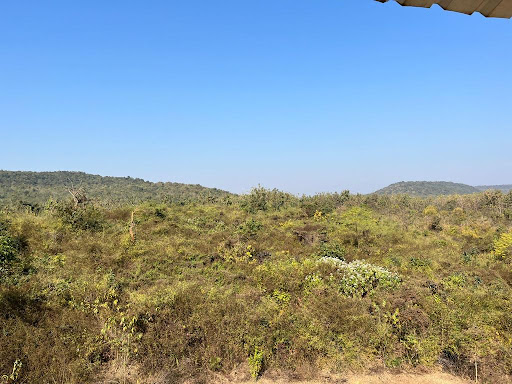
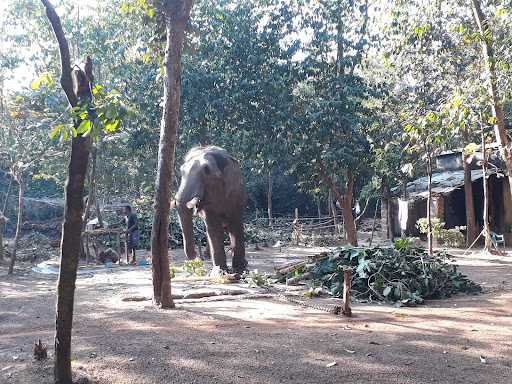
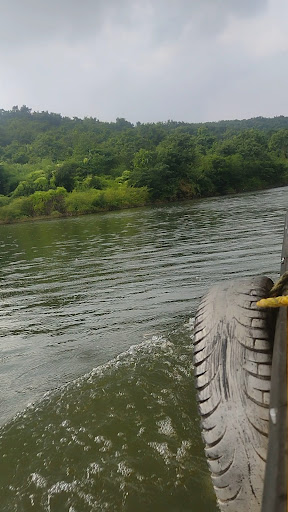
Known for its splendour and pristinely home to many species, the Chandaka-Dampara sanctuary signifies a tale of success. Spread over an area of 193.39 Sq.Km on the up land of North-Eastern Ghat of biotic region, Chandaka-Dampara sanctuary is a treasure house of bio-diversity. The park is known for successful conservation of elephants which is the principal species here. Spread over such an big area at the Chandaka forest, Khurda Uplands were designated as the Chandaka Elephant Reserve in August 1982.
Flora Floral diversity in Chandaka is categorized in 6 types, viz. secondary moist miscellaneous semi evergreen forests, Moist Kangada forests, Coastal Sal forests, Thorny bamboo brakes, Planted Teak and Eupatorium scrub. Main tree species are Kochila, Kalicha, Bela, Kangada, Giringa, Sunari, Sal, Kumbhi, Jamu, Karanja, Teak and Sidha. Male bamboo has a very restricted distribution. Common medicinal plants of Chanka are Duramari, Baidanka, Brudhadaraka, Bhuinlimbo, Guluchilata, Salparni, Satabari, Bhuin-kakharu, Indrajaba, Thalkudi, Apamaranga, Kurchi, Patalgaruda etc. A few species of ground Orchids, Ferns, Club mosses, Bryophytes and Lichens are distributed in shady wet pockets and rock escarpments.
Chandaka elephant sanctuary bhubaneswar Fauna After elephant other prominent animals are Leopard, Chital, Barking Deer, Mouse Deer, Wild Pig, Common Langur, Rhesus Monkey, Small Indian Civet, Common Indian Mongoose, Small Indian Mongoose, Ruddy Mongoose, Pangolin, Sloth Bear, Ratel, Indian wolf and Hyena are other mammals of the area. Wild dogs are occasionally seen. After 40 long years researchers have found evidence of a tigress & her cub in the forest. Recently in the winters of 2012, they have spotted footprints of those two magnificent creatures.
Prominent birds of Chandaka are Peafowl, Red jungle fowl, crested serpent eagle, Great horned owl, Black headed oriole, Paradise fly catcher, Coucal and stone curlew. Kumarkhunti reservoir during winter serve as transient roosting and feeding ground for several migratory duck species, notably, Garganey and common Teal, Pintail, spot billed and bramhiny Duck and white eyed Pochard. Lesser whistling Teal, Dabehick, Cotton Teal, Nakta, lesser Cormorant, bronze winged Jacana, white breasted Waterhen, pied, white breasted and little blue King fishers and red wattled Lapwings are other resident birds around. In July the reservoir transform into an abode of migratory birds, mainly, open billed Storks, pond Heron, Egrets and Cormorants. Butterflies are abundant during monsoon and post monsoon months.
Reptiles, Rock python and Bengal Monitor lizard are quite common. Chameleon, Common Skink, Indian flap shell Turtle, Russel's Viper, Bamboo Pit Viper, Common Krait, Common Vine Snake, Kukri Snake, Indian Bronze Back are indicative reptiles. Mugger crocodiles have remarkably adapted to large water bodies after their release.
You can find amazing butterflies here, the common are common Mormon, Blue Mormon, Common Emigrant, Common Leopard, Common Hedge Blue, Indian Crow, Double Banded Crow, Common Sailer, Common Bush brown, Grey Pansy and peacock Pansy.
For visitors there are a number of watch towers to observe wild life. While Kochilaberana, Pitagadia and Charichhak watch towers are excellent for observation of birds and animals, the ones at Kumarkhunti and Ambilo have the comfort of rest houses where one can make a night halt.
Chandaka is 20 Kilometers from Bhubaneswar, which is the nearest airport...
Read moreChandka Elephant Sanctuary (Odia: ଚନ୍ଦକା ହାତୀ ଅଭୟାରଣ୍ୟ) is a wildlife reserve located in the north western fringe of Bhubaneswar in the Indian state of Odisha. Nestled on Khurdha uplands of the Eastern Ghats biotic region, Chandaka forest is spread over 175.79 square kilometres (67.87 sq mi) of rolling table land and small sprawling hillocks of Khurdha and Cuttack Districts. It was designated as an elephant reserve in December 1982.The floral diversity is distributed in six types, viz., secondary moist miscellaneous semi-evergreen forests, moist Kangada (Xylia xylocarpa) forests, coastal Sal forests (Shorea robusta), thorny bamboo brakes (Bambusa bambos), planted teak and Eupatorium scrub. The main tree species are kochila, kalicha, belo, kangada, giringa, sunari, sal, kumbhi, jamu, karanja, teak and sidha. Male bamboo (Dendrocalamus strictus) has a very restricted distribution. Common medicinal plants of the sanctuary are duramari, baidanka (Mucuna pruriens), brudhadaraka, bhuinlimbo, guluchi lata, salparni (Desmodium gangeticum), satabari, bhuin-kakharu, indrajaba, thalkudi, apamaranga, kurchi, and patalgaruda. A few species of ground orchids, ferns, club mosses, bryophytes and lichens are distributed in shady wet pockets and rock escarpments.
Fauna
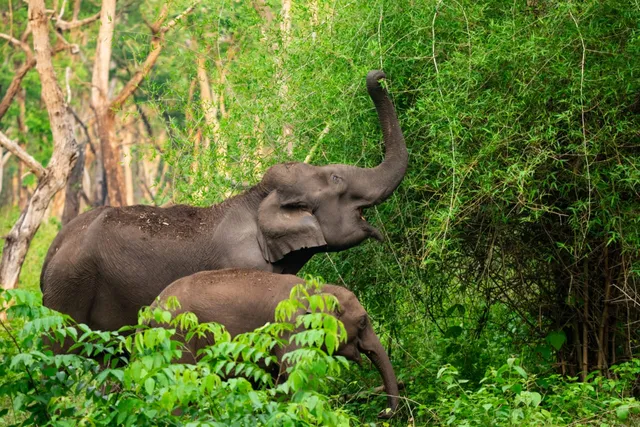
Deras Dam, located within the reserve Wikimedia Commons has media related to Deras Dam. The Indian elephant is the flagship species and indicative of the potential productivity of the habitat.2 The leopard is in the apex of biological pyramid. Chital, barking deer, mouse deer, wild pig, common langur, rhesus monkey, small Indian civet, common Indian mongoose, small Indian mongoose, ruddy mongoose, pangolin, sloth bear, ratel, Indian wolf and hyena are other mammals of the area. Chital or spotted deer are commonly encountered in groups of 3-7 on forest roads, forest openings, grass lands, foreshore of water bodies and even near guard camps. Wild dogs are occasionally seen. After 40 years researchers have found evidence of a tigress and her cub in the forest; in the winter of 2012, they spotted footprints of those two.
Prominent birds of the sanctuary are peafowl, red junglefowl, crested serpent eagle, great horned owl, black headed oriole, paradise flycatcher, coucal and stone curlew. Kumarkhunti reservoir, during winter, serves as a transient roosting and feeding ground for several migratory duck species, notably garganey and common teal, pintail, spot billed and Brahminy duck and white eyed pochard. Lesser whistling teal, dabehick, cotton teal, nakta, lesser cormorant, bronze winged jacana, white breasted waterhen, pied, white breasted and little blue kingfishers and red wattled lapwings are other resident birds around. In July the reservoir transforms into an abode of migratory birds, mainly open billed storks, pond heron, egrets and cormorants. Butterflies are abundant during monsoon and post-monsoon months.
Among reptiles, rock python and Bengal monitor lizard are quite common. Chameleon, common skink, Indian flap shell turtle, Russell's viper, bamboo pit viper, common krait, common vine snake, kukri snake, and Indian bronze back are indicative reptiles. Mugger crocodiles have remarkably adapted to large water bodies after their release.
The Zoological Survey of India (in 2002) reported 37 species of mammals, 167 species of birds, 33 species of reptiles, 13 species of amphibians and 28 species of fishes in...
Read moreThe Chandaka Forest and Wildlife Sanctuary, located on the outskirts of Bhubaneswar, Odisha, is a sprawling expanse of lush greenery and a haven for wildlife enthusiasts. Known for its biodiversity and eco-tourism opportunities, this sanctuary is a must-visit for nature lovers seeking tranquility and adventure.
Location and Accessibility
Situated approximately 20 km from Bhubaneswar city center, Chandaka Forest is easily accessible by road. Visitors can hire private vehicles or take public transport to reach the sanctuary. The journey offers scenic views of the countryside.
Key Highlights
Rich Wildlife:
The forest is home to several species, including elephants, leopards, deer, and crocodiles.
Birdwatchers can spot a variety of avian species, including peacocks, hornbills, and parakeets.
Eco-Tourism:
Designated trekking trails allow visitors to explore the dense forest and connect with nature.
Watchtowers like Deras Viewpoint and Chandaka Elephant Watchtower offer panoramic views and wildlife spotting opportunities.
Scenic Water Bodies:
The Deras Dam and Jhumka Dam located within the sanctuary provide picturesque picnic spots and are great for photography.
Flora:
The forest boasts a wide variety of trees and plants, including medicinal herbs, teak, sal, and bamboo.
Adventure Activities:
Trekking, birdwatching, and guided safaris are popular activities for visitors.
Camping options are available for those looking for an immersive forest experience.
Best Time to Visit
Winter (October to March): The weather is pleasant, making it ideal for trekking and wildlife spotting.
Early mornings and evenings offer the best chances to see animals in their natural habitat.
Facilities
Guided Tours: Trained guides are available for trekking and safaris.
Watchtowers: For safe and elevated views of the wildlife and landscape.
Resting Areas: Basic seating and resting spots are available near popular sites like dams and viewpoints.
Entry Fees and Timings
Entry Fee: Nominal charges apply for entry, vehicles, and guided tours.
Timings: Open from morning to late afternoon; timings may vary seasonally.
Nearby Attractions
Deras Dam: A serene picnic spot within the sanctuary.
Nandankanan Zoological Park: A short drive away for those interested in exploring more wildlife.
Udayagiri and Khandagiri Caves: Ancient caves with historical significance located nearby.
Tips for Visitors
Wear comfortable clothing and sturdy shoes for trekking.
Carry water, snacks, and sunscreen, but avoid littering.
Follow safety instructions and avoid venturing into restricted areas.
A pair of binoculars is recommended for birdwatching and wildlife observation.
Overall Experience
The Chandaka Forest and Wildlife Sanctuary is a perfect blend of adventure, wildlife, and natural beauty. It offers a refreshing break from the city’s hustle and provides a chance to connect with Odisha’s rich biodiversity. Whether you’re an adventure seeker, a wildlife enthusiast, or someone looking for peace amidst nature, Chandaka Forest is a fulfilling...
Read more