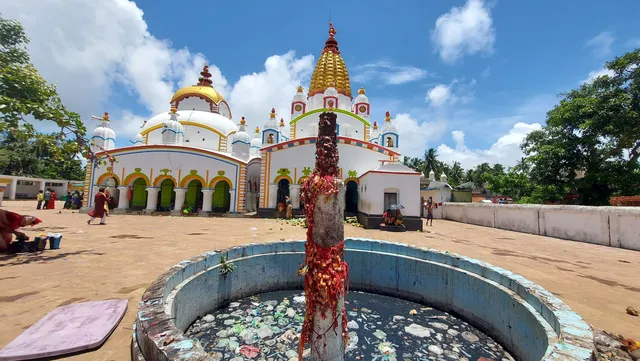
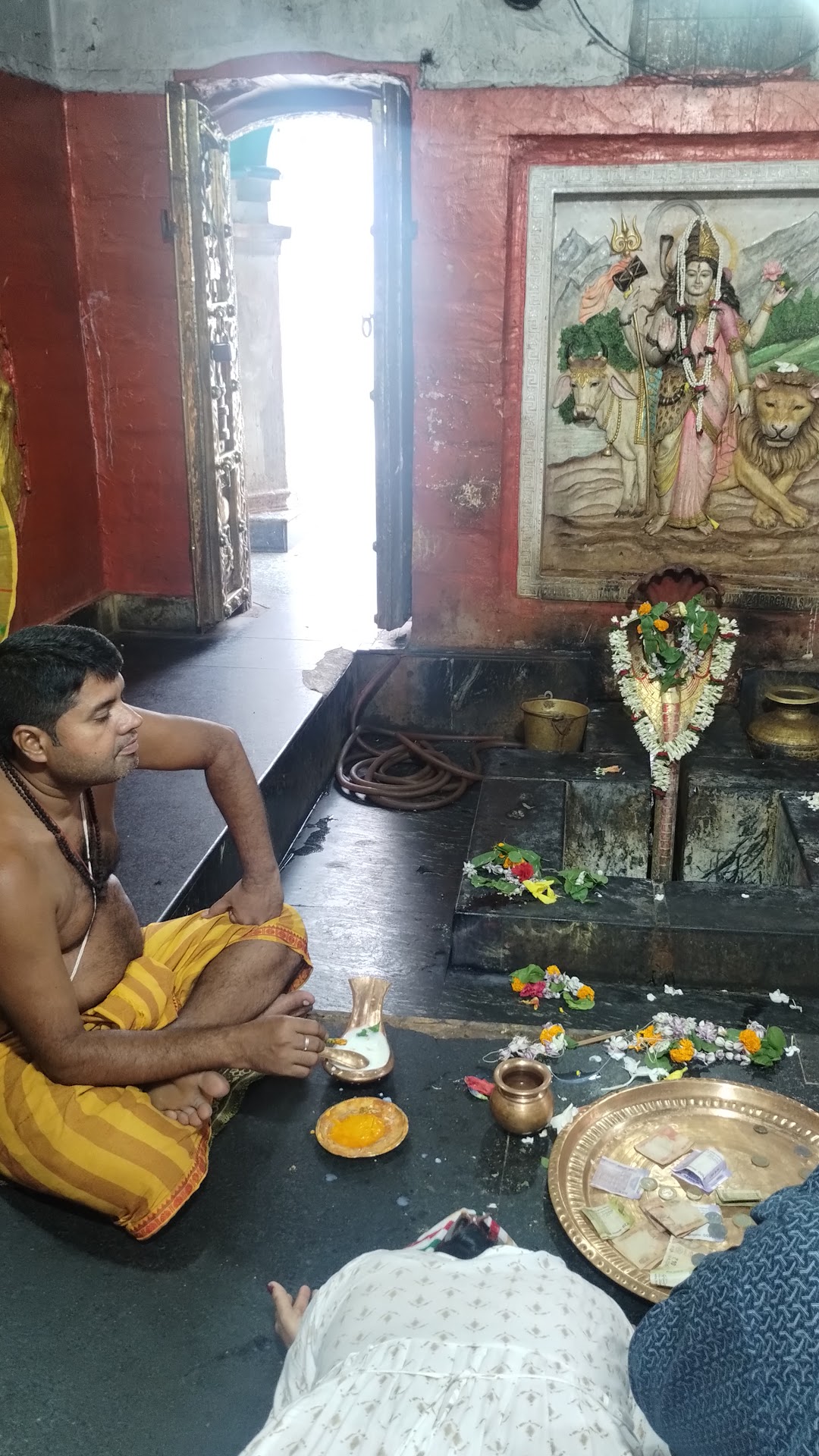
Located in the tranquil town of Chandaneswar, near Balasore in Odisha, the Chandaneswar Temple stands as a revered religious site dedicated to Lord Shiva. This temple is not only a significant spiritual center but also a place rich in cultural heritage and architectural beauty. Here’s an in-depth review of this sacred destination.
Architecture and Aesthetics
The Chandaneswar Temple is a prime example of traditional Odia temple architecture. Its design is characteristic of the Kalinga style, which is prevalent in many temples across Odisha. The temple complex is adorned with intricate carvings and sculptures, showcasing scenes from Hindu mythology and epics. The main temple structure is modest yet majestic, with a towering spire (Shikhara) that adds to its grandeur.
The entrance of the temple is marked by a spacious courtyard, leading to the sanctum sanctorum where the main deity, Lord Shiva, resides in the form of a lingam. The temple walls are decorated with beautiful stone carvings, depicting various deities, floral patterns, and mythological scenes. The overall ambiance of the temple is serene and spiritually uplifting.
Religious Significance
Chandaneswar Temple holds immense religious significance, particularly among devotees of Lord Shiva. It is considered one of the most sacred Shiva temples in the region and attracts a large number of pilgrims, especially during the Maha Shivaratri festival. This festival is celebrated with great fervor, with thousands of devotees visiting the temple to offer their prayers and seek blessings.
One of the unique aspects of this temple is the ritual of applying sandalwood paste (Chandan) on the Shiva Lingam, which is believed to have been the practice since ancient times. This ritual gives the temple its name "Chandaneswar," meaning "Lord of Sandalwood."
Festivals and Celebrations
The most prominent festival celebrated at the Chandaneswar Temple is Maha Shivaratri. During this time, the temple becomes a hub of activity, with devotees thronging the premises from various parts of Odisha and neighboring West Bengal. The festival is marked by day-long rituals, chanting of hymns, and the offering of special prayers. The atmosphere is electrifying, with the entire town of Chandaneswar participating in the festivities.
Apart from Maha Shivaratri, the temple also hosts other important Hindu festivals like Kartik Purnima and Shravan Mondays, which see a considerable influx of devotees.
Location and Accessibility
Chandaneswar Temple is situated approximately 88 kilometers from Balasore, making it easily accessible by road. The nearest railway station is Jaleswar, which is around 10 kilometers from the temple. From Jaleswar, one can hire a taxi or take a local bus to reach the temple. The journey to the temple is scenic, with lush greenery and rural landscapes that add to the overall experience.
For those traveling from Kolkata, the temple is about 320 kilometers away, and many devotees from West Bengal visit the temple regularly, especially during festivals.
Facilities and Amenities
The temple complex is well-maintained, with basic facilities available for visitors. There are provisions for clean drinking water, restrooms, and a few small shops selling religious items, flowers, and prasad. The temple administration also provides accommodation for pilgrims, though these are basic lodgings. For more comfortable accommodations, visitors can stay in nearby towns like Digha or Balasore.
The temple staff and priests are friendly and helpful, ensuring that devotees have a smooth and fulfilling experience. The premises are kept clean, and there are ample spaces for sitting and meditating.
Overall Experience
Visiting Chandaneswar Temple is a spiritually enriching experience. Whether you are a devotee of Lord Shiva or simply someone who appreciates historical and cultural sites, the temple offers a peaceful retreat. The combination of its religious significance,...
Read moreThe Chandaneswar Shiva Temple is a revered Hindu pilgrimage site dedicated to Lord Shiva, located near the Odisha-West Bengal border in the Balasore district. Known for its spiritual significance and architectural charm, the temple draws thousands of devotees, especially during auspicious occasions like Maha Shivaratri and Chaitra Mela.
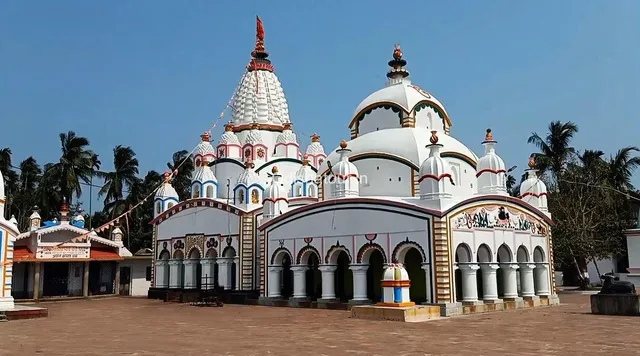
Historical and Religious Significance The temple is steeped in history and mythology:
It is believed to date back several centuries and holds a pivotal place in the spiritual traditions of Odisha and West Bengal. The presiding deity, Lord Chandaneswar (a form of Shiva), is worshiped as the protector and savior of devotees. Pilgrims believe that offering prayers and performing rituals here grant divine blessings, fulfill wishes, and provide relief from sins. Architectural Highlights The temple is an excellent example of traditional Kalinga architecture, characterized by:
A towering vimana (sanctum) with intricate carvings and sculptures depicting mythological stories and celestial beings. A sprawling courtyard, often bustling with devotees, priests, and vendors selling puja items. The main sanctum, housing the Shiva Linga, decorated with sandalwood paste and flowers. Smaller shrines dedicated to other deities, adding to the temple's spiritual ambiance. Festivals and Celebrations Maha Shivaratri
Celebrated with grandeur, the temple witnesses day-long rituals, night vigils, and cultural performances. Devotees offer milk, honey, and bilva leaves to the Shiva Linga. Chaitra Mela (Chandaneswar Mela)
Held in April every year, this fair attracts lakhs of pilgrims from Odisha and West Bengal. The festival features traditional music, dance, and a vibrant marketplace. Mondays (Somvar)
Considered auspicious for Lord Shiva, the temple sees a surge of devotees offering prayers every Monday. Spiritual Activities and Rituals Abhishekam (Ritual Bathing): Performed daily with water, milk, and sacred offerings. Special Homas (Fire Rituals): Conducted for prosperity and well-being. Parikrama (Circumambulation): Devotees walk around the sanctum chanting Shiva mantras. Charitable Services: Annadanam (free food distribution) is organized during major events. Visitor Information Timings:
Open daily from 5:00 AM to 9:00 PM. Peak hours: Early morning and evening aarti times. Best Time to Visit:
Winter months (October to February) for pleasant weather. During festivals to witness the temple in its full glory. Location and Accessibility:
Address: Chandaneswar, near Digha, Balasore District, Odisha. Connectivity: By Road: Well-connected by local buses and taxis from Balasore and Digha. By Train: Nearest railway station is Digha, about 8 km away. By Air: Closest airport is Biju Patnaik International Airport, Bhubaneswar (around 200 km). Nearby Attractions:
Digha Beach: A popular tourist spot just a short drive from the temple. Talsari Beach: Known for its serene beauty and unique red crabs. Udaipur Beach: A quiet, scenic destination close to Chandaneswar. Tips for Visitors Carry flowers, incense sticks, and other puja items, which are also available near the temple. Expect large crowds during festivals; plan your visit accordingly. Wear comfortable footwear, as the temple premises require some walking. Conclusion The Chandaneswar Shiva Temple is a must-visit destination for spiritual seekers and cultural enthusiasts. Its blend of devotional fervor, historic significance, and vibrant celebrations makes it an unforgettable experience. Whether you’re seeking blessings or exploring Odisha's rich heritage, Chandaneswar promises peace and divine...
Read moreHere's a sample review of Chandeswar Mandir written in an informative, respectful tone suitable for blog posts, Google reviews, or travel websites. If you need it in Bengali or for a specific platform (Google Maps, TripAdvisor, etc.), I can adjust it accordingly:
Review of Chandeswar Mandir (Chandeswar Shiva Temple)
Chandeswar Mandir is a serene and spiritually uplifting temple dedicated to Lord Shiva, located in a quiet village setting that feels untouched by time. The temple holds deep cultural and religious significance for the locals and draws visitors who seek peace, devotion, and a break from the noise of city life.
🌿 Atmosphere & Surroundings
The temple is surrounded by natural beauty—lush greenery, open skies, and a calm that makes you want to sit and meditate. Birds chirping and the sound of temple bells create a peaceful ambiance. It's the kind of place where you feel spiritually connected just by being present.
🕉️ Spiritual Significance
Chandeswar is considered a powerful form of Lord Shiva. Many devotees believe that prayers offered here bring blessings, especially during Mondays, Shivratri, and the month of Shravan (Shrabana), when the temple sees the most footfall.
🛕 Architecture & Cleanliness
The temple may not be grand like some historical temples, but its simplicity adds to its charm. The main sanctum (garbhagriha) is neat and well-maintained. Local villagers often take care of its upkeep with devotion.
🚩 Festivals & Events
During Maha Shivratri, the temple becomes vibrant with special pujas, bhajans, and community gatherings. Devotees come from nearby villages and towns to offer milk, bel-patra, and chant mantras throughout the night.
📍 Location & Accessibility
The temple is easy to reach by road, though some rural roads may require slow driving. Parking is usually not a problem. If you're visiting with elderly family members, the temple is accessible and not too crowded on regular days.
⭐ Final Verdict
4.5/5 — A spiritually fulfilling visit. If you're a devotee of Lord Shiva or someone who enjoys spiritual travel and cultural exploration, Chandeswar Mandir is a must-visit. It's a hidden gem that reminds you of the quiet, soul-stirring power of faith...
Read more