The Maharaja Ranjit Singh War Museum in Ludhiana is one of the most important cultural and historical sites in Punjab. It was established to honor Maharaja Ranjit Singh, who ruled from 1801 to 1839 and is known for unifying the Sikh states into a powerful empire. His leadership, military strategies, and modernization of the army are considered key factors in his success.
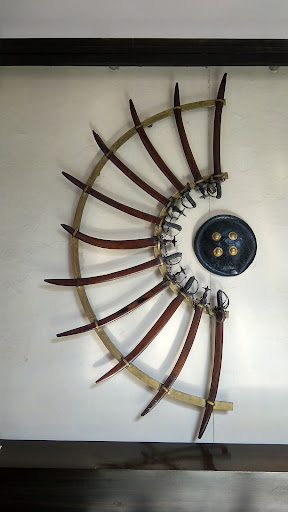
The museum, located on the outskirts of Ludhiana, is designed to showcase the glory of the Sikh Empire through a wide range of exhibits. Here’s a deeper look into what the museum offers:Key Features and Exhibits: Weapons and Armor: The museum houses an extensive collection of weapons, including swords, shields, daggers, and firearms used by the soldiers of the Sikh Empire. There are also pieces of armor worn by warriors during battles. Many of these weapons and artifacts are from the period of Maharaja Ranjit Singh and provide a glimpse into the martial culture of the time.
Paintings and Portraits: There are portraits of Maharaja Ranjit Singh, his commanders, and other prominent figures from his court. These paintings highlight the key personalities who played a significant role in the administration and military strategies of the Sikh Empire.
Photographs and Documents: Old photographs, documents, and manuscripts from the time offer valuable insights into the life of the Maharaja and his empire. Visitors can see rare photographs of the Sikh army, battles, and the Maharaja’s personal life.
Artifacts of the Sikh Empire: The museum displays a range of artifacts, including coins, flags, medals, and personal items belonging to Maharaja Ranjit Singh and his generals. These artifacts not only reflect the rich history of the time but also showcase the high level of craftsmanship in the region.
Battlefield Models and Displays: The museum has model replicas of key battlefields and military strategies used by the Sikh army. These models are helpful for understanding the tactics and methods that made the Sikh Empire one of the most formidable forces of its time.
Memorial to Soldiers: A section of the museum is dedicated to the soldiers who fought for the empire. It honors their bravery and sacrifice, emphasizing the importance of the Sikh soldier in the history of India.
Sikh Culture and Heritage: Besides military exhibits, the museum also delves into the broader culture of the Sikh Empire, including its administration, art, and religion. The Sikh Empire was known for its religious tolerance and its efforts to promote economic development and modernization in the region.
Architectural Design: The building itself is a blend of traditional Sikh architecture and modern design, making it an aesthetically pleasing structure. The layout of the museum ensures that visitors can easily navigate through the exhibits and experience the rich history of the Sikh Empire in an engaging manner.
Educational and Cultural Importance: The museum plays a significant role in educating visitors, especially the younger generation, about the history of the Sikh Empire and the invaluable contributions of Maharaja Ranjit Singh. It also promotes cultural pride and historical awareness among locals and tourists alike. The museum is often visited by students, history enthusiasts, and those interested in the heritage of Punjab.
Special Events and Programs: From time to time, the museum hosts exhibitions, lectures, and seminars on topics related to Sikh history, warfare, and the legacy of the Sikh Empire. These programs are designed to foster a deeper understanding of the region's past and the influence of Maharaja Ranjit Singh on Indian history. Nearby Attractions: If you're in Ludhiana, you might also want to explore other attractions nearby, such as: Punjab Agricultural University Museum Rural Museum Guru Nanak Bhawan These places complement the historical and cultural exploration...
Read moreDuring my recent trip, I had the opportunity to visit the Maharaja Ranjit Singh War Memorial Museum, and it turned out to be a truly enlightening and memorable experience. This museum beautifully captures the bravery, leadership, and rich history of one of the greatest rulers of India – Maharaja Ranjit Singh.
As I entered the museum, I was immediately taken in by the grandeur and historical essence of the place. The museum is well-maintained and thoughtfully organized to take visitors on a journey through time. One of the most impressive aspects was the detailed documentation of the life and achievements of Maharaja Ranjit Singh. His contributions to the Sikh empire, his strong resistance against British invasion, and his leadership in unifying the Punjab region are portrayed with great respect and depth.
The museum houses a vast collection of weapons used during various wars involving Maharaja Ranjit Singh and his soldiers. From traditional swords and shields to firearms of the era, the display is both informative and visually captivating. It gives visitors a glimpse into the warfare tactics and strength of the armies of that time. Additionally, some of the uniforms and clothing worn by soldiers are also preserved and displayed, adding another layer of authenticity and historical richness.
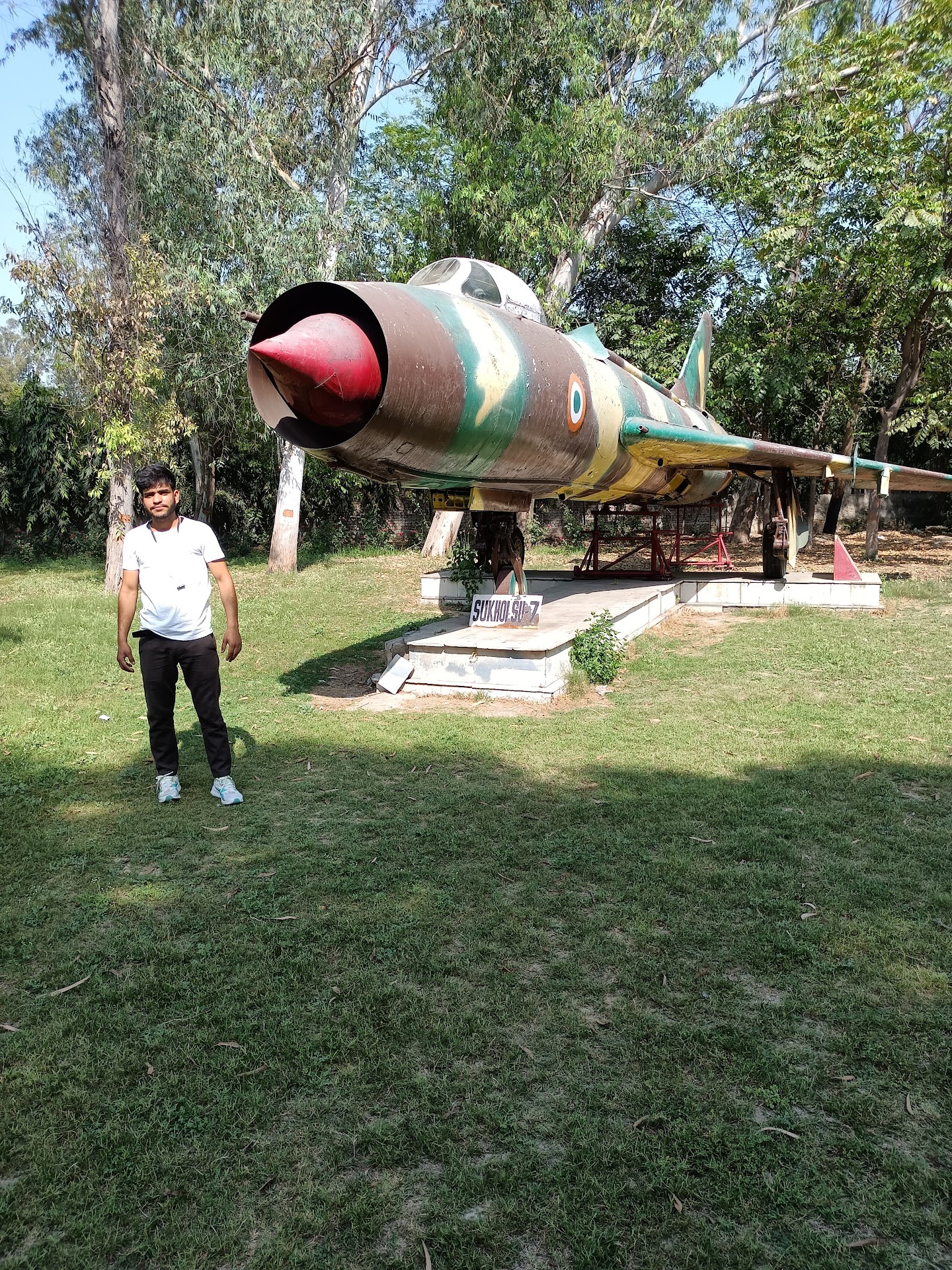
One of the highlights of my visit was seeing the old war tanks and fighter jets displayed in the outdoor section. These relics of past military glory, though from a more modern period, stand as symbols of the evolution of warfare and the courage of Indian soldiers. They are a strong reminder of the sacrifices made in the defense of the nation.
Another fascinating part of the museum was the written historical accounts and inscriptions on the walls. These writings are well-researched and informative, allowing visitors to learn about the key battles, treaties, and events that shaped the era of Maharaja Ranjit Singh. The way history is presented here—through text, images, artifacts, and audio-visuals—makes it engaging for people of all age groups.
In conclusion, the Maharaja Ranjit Singh War Memorial Museum is a must-visit for anyone interested in Indian history, especially the rich heritage of Punjab. It offers a deep sense of pride and admiration for our ancestors and their...
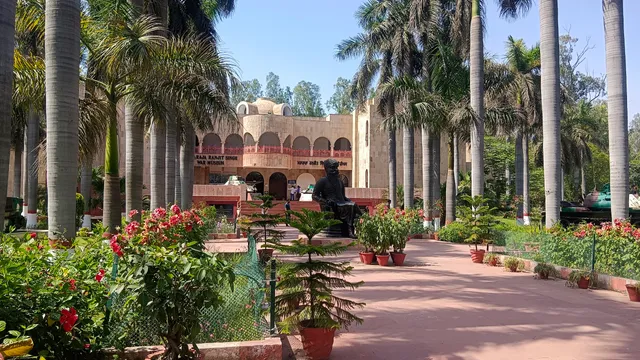
Read moreThe Maharaja Ranjit Singh War Memorial in Ludhiana is a profound tribute to the valor of Punjabi soldiers. Inaugurated in 1999, the four-acre complex was built by the Punjab Government to honor the brave men who sacrificed their lives in various wars, from ancient times to the Kargil conflict. The memorial's design, resembling a military fortress, immediately sets a solemn and respectful tone.
Upon entering, visitors are greeted by a majestic statue of Maharaja Ranjit Singh on his throne, symbolizing the rich history and martial legacy of the region. Known as the "Lion of Punjab," Maharaja Ranjit Singh was a visionary leader who founded the Sikh Empire in the early 19th century. He was a master strategist, uniting warring misls (confederacies) and creating a formidable army that successfully repelled invasions and expanded his territory. His rule marked a golden age of stability and modernization in Punjab, a testament to his military prowess and inclusive governance.
The museum itself is divided into 12 galleries, each dedicated to different aspects of military history. These include the Ancient History Gallery, the War Heroes Gallery, and specific galleries for the Air Force and Navy. Inside, you can see a variety of exhibits, from weapons and uniforms to portraits of distinguished soldiers who have received prestigious awards like the Param Vir Chakra. Outside, the sprawling lawns serve as an open-air display for battle tanks, an anti-aircraft gun, and even an old Sukhoi fighter aircraft. The most compelling feature for many is the light and sound show, which vividly narrates the story of India's freedom struggle and the pivotal role of Punjabi soldiers.
Beyond its role as a museum, the memorial functions as an educational hub, instilling a sense of patriotism and national pride. It's not just a collection of artifacts, but a living memorial that honors the past while inspiring future generations. Whether you are a history enthusiast or simply looking for a meaningful place to visit, the Maharaja Ranjit Singh War Memorial offers a powerful and...
Read more